
Description
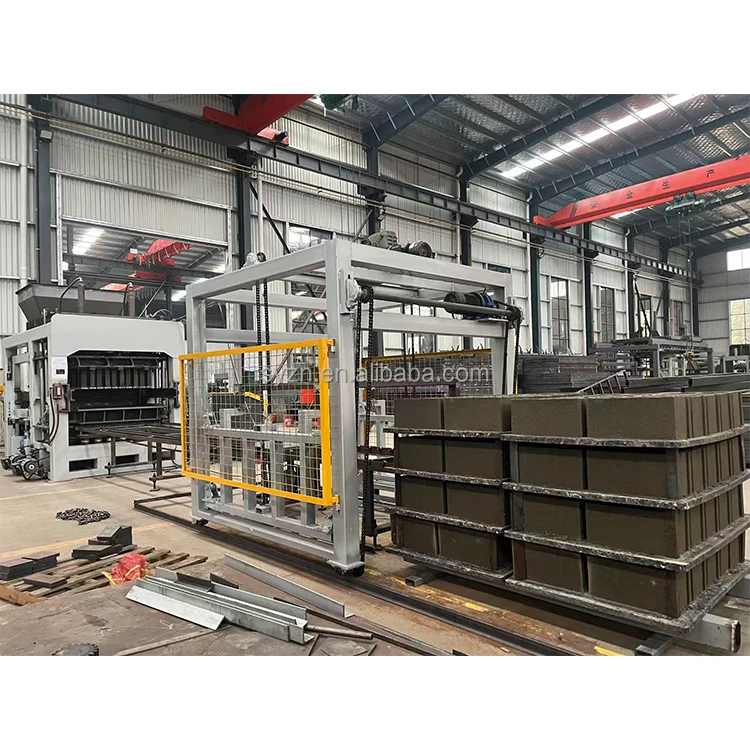
Dispatch-Ready Machinery — QT5-15 units are physically stocked with standard mould sets, container loading schemes prepared, and dispatch lead times quoted before the proforma invoice is signed.
Technical Specifications
| Parameter | Value |
|---|---|
| Model | QT5-15 |
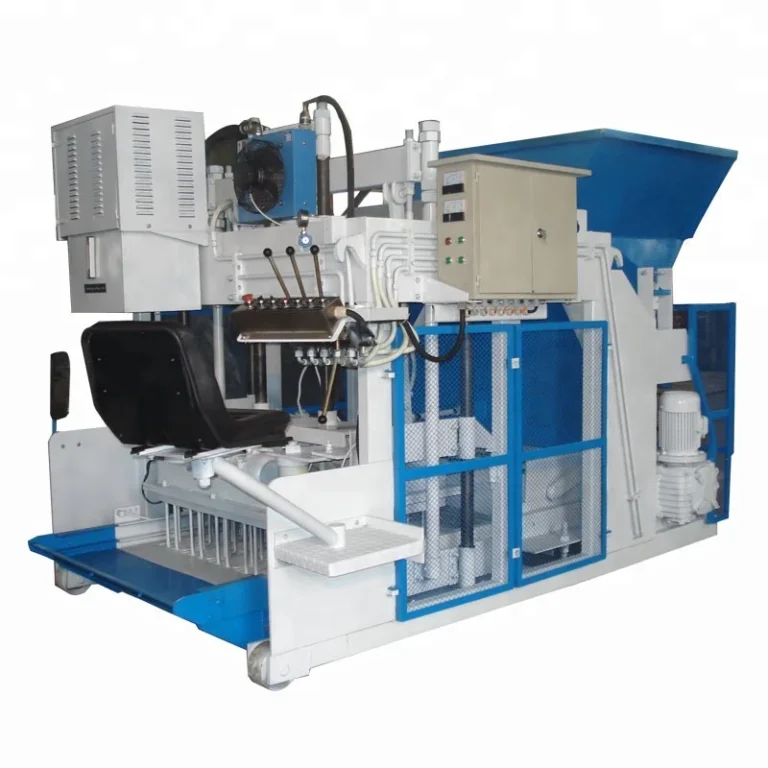
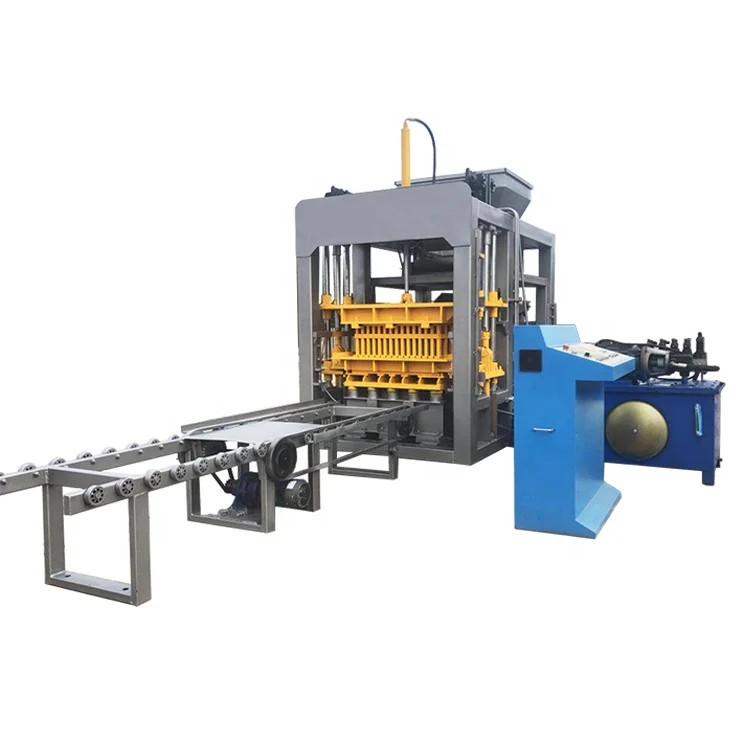
| Product Type | Fully Automatic Hydraulic Block Making Machine |
| Overall Dimensions (L×W×H) | 7400×1950×2800 mm |
| Total Mass | 5000 kg |
| Vibration Frequency | 0–60 Hz |
| Vibration Form | Platform Vibration |
| Vibration Force | 80 kN |
| Moulding Mode | Automatic loading with vibration moulding |
| Demolding Method | Hydraulic |
| Hydraulic System | Independent integrated hydraulic station |
| Pallet Size | 1100×550 mm |
| Molding Cycle | 15–20 s (basis not stated in source — confirm block format and material) |
| Overall Power | 32 kW |
| Control System | PLC with touch screen interface |
| Automation Level | Fully automatic (pallet feeding, material feeding, vibrating, demoulding) |
| Recommended Factory Area | 1000 m² |
| Block Compressive Strength | >15 MPa (source value — verify against manufacturer catalog) |
| Voltage & Frequency | To be confirmed before order |
| PLC Display Language | To be confirmed before order |
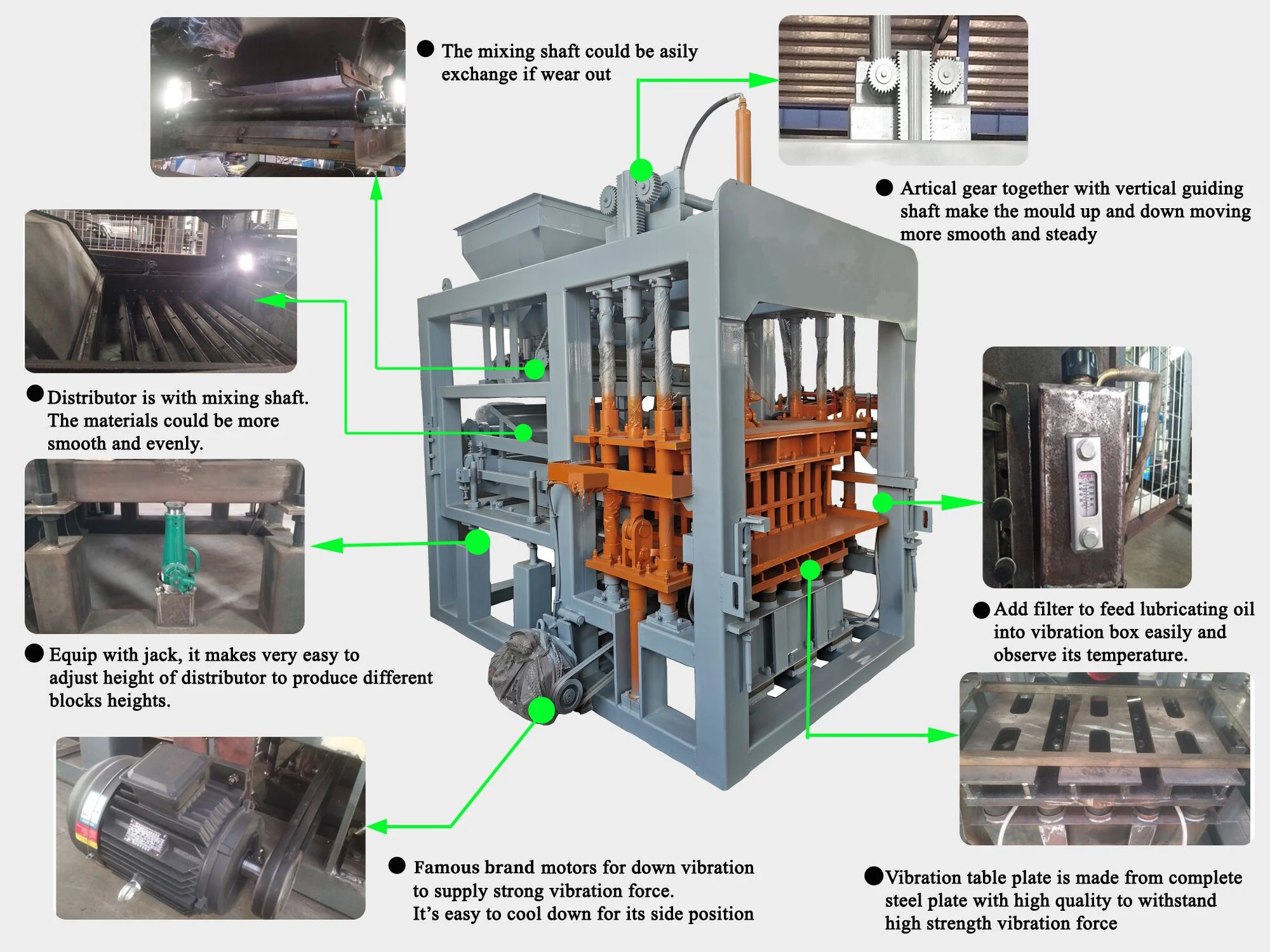
| Key Features | Mould change for multi-format production; raw material compatibility with fly ash (up to 70%), slag, gangue, sand, crushed stone, cement |
Application Suitability
| Application | Material or Output |
|---|---|
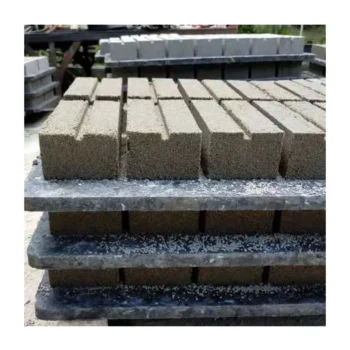
| Hollow block production | Crushed stone, sand, cement; 400×200×200 mm or 400×150×200 mm formats |
| Solid brick production | Sand, crushed stone, cement; 240×115×53 mm format |
| Rectangular paver production | Sand, crushed stone, cement; 200×100×60 mm format |
| Interlocking / zigzag paver production | Sand, crushed stone, cement; 225×112.5×60 mm format |
| Fly ash brick production | Fly ash (up to 70% content), cement, water, aggregate blends |
| Industrial residue block production | Slag, gangue combined with sand, crushed stone, and cement |
What "Ready to Ship" Actually Means for Your Timeline
A stocked QT5-15 block machine in stock eliminates the production queue — what remains is container loading, ocean transit, and customs clearance.
Buyers working against a construction deadline cannot absorb a multi-week manufacturing delay on top of ocean freight. When a project start date is fixed, the gap between order confirmation and container departure becomes the only variable you can compress. The QT5-15 block machine in stock is pulled from an existing inventory position, not scheduled into a production slot, which shifts the entire timeline forward by weeks. [NEED_CITE: typical lead time differences between stocked and built-to-order industrial machinery]
Stock Position and Dispatch Readiness
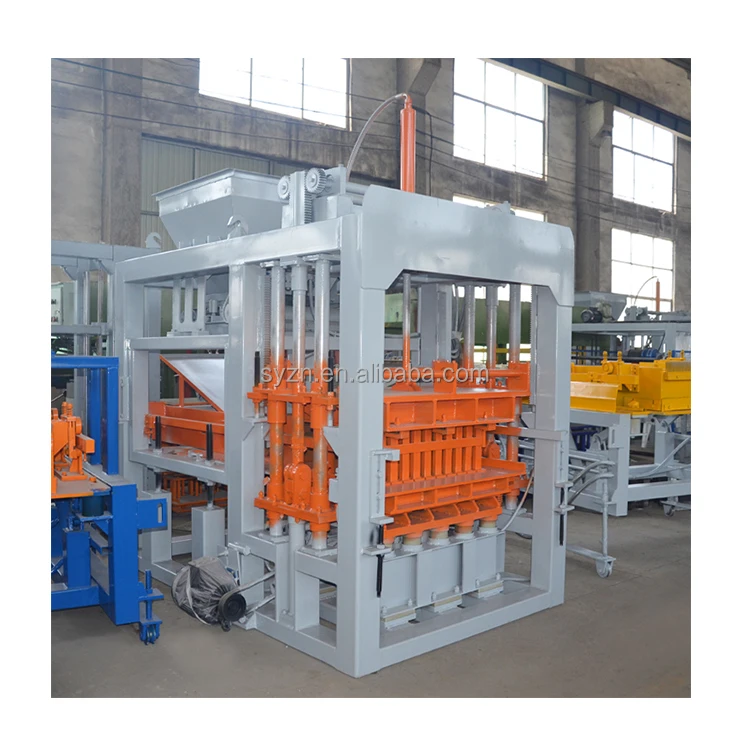
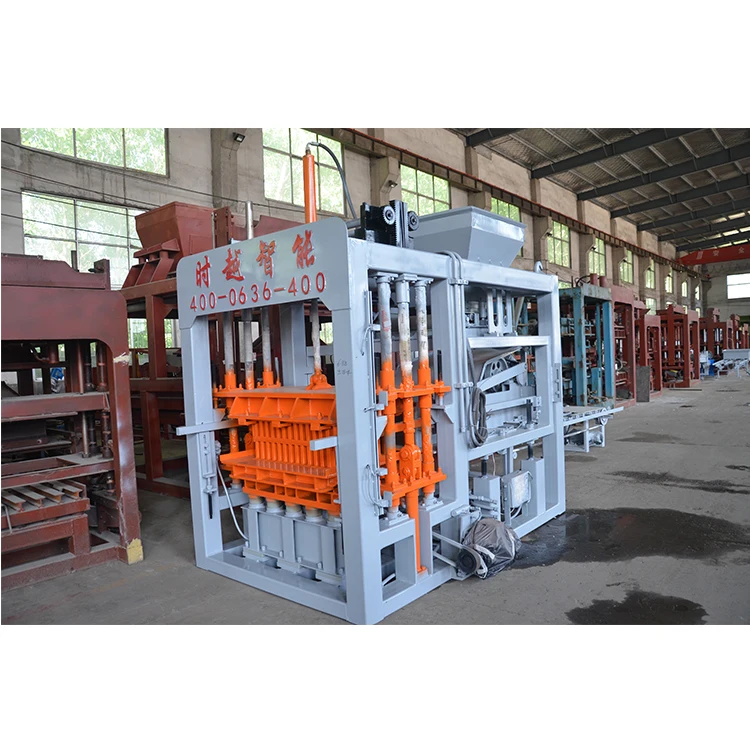
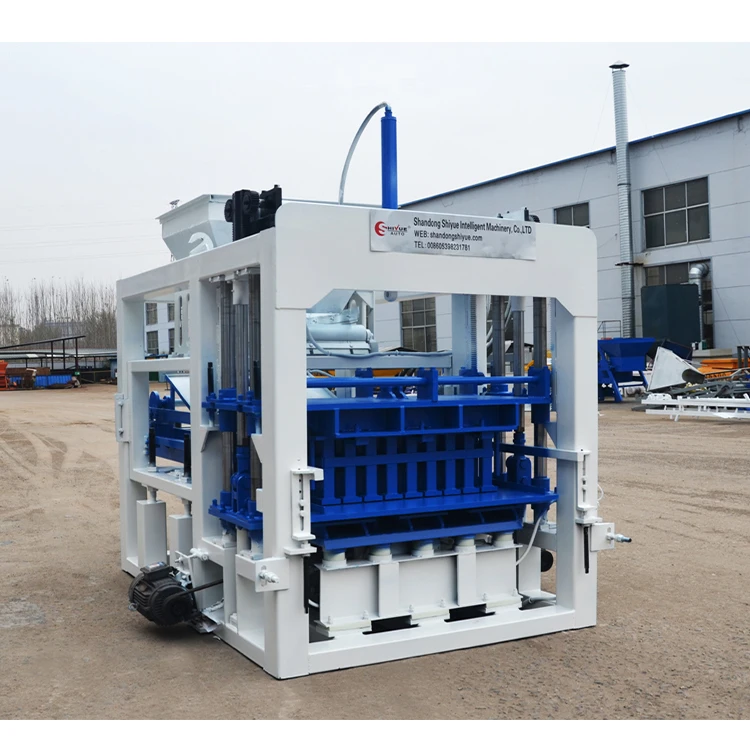
The QT5-15 block machine in stock is held as a complete press unit with its independent integrated hydraulic station and PLC control cabinet assembled and tested at the factory. Standard mould sets for hollow block and paver formats are matched to the machine before dispatch, so the buyer receives a press that can produce on day one of commissioning. Dispatch lead time is calculated from warehouse release through container loading, not from raw material procurement.
Container Loading and Machine Dismantling for Shipment
A 5000 kg press with overall dimensions of 7400×1950×2800 mm does not fit a standard container as a single assembled unit. The QT5-15 is partially dismantled — typically the hydraulic station, control cabinet, and hopper are separated from the main frame — and loaded with blocking and bracing to prevent movement during ocean transit. Container type and loading scheme are confirmed before the order so the buyer knows the exact shipping cost and arrival window.
Specifying for Arrival Without Commissioning Delays
Voltage, frequency, and PLC display language are the three specifications that cause the most on-site delays when left unconfirmed. [NEED_CITE: voltage and frequency standards by export market] A QT5-15 arriving with a 380V/50Hz motor in a 220V/60Hz market sits idle until a transformer or motor swap is arranged. The PLC touch screen language must match the operator’s working language — reconfiguring this on-site adds days to commissioning. These three items are locked into the order specification before the machine leaves the warehouse.
Platform Vibration, Hydraulic Demolding, and What They Mean for Block Quality
The 80 kN vibration force combined with a 0–60 Hz adjustable platform vibration system compacts the concrete mix from below the mould cavity. This vibration form works with the independent hydraulic station to apply pressure during demolding, which is critical for maintaining block geometry. When the vibration force and hydraulic pressure are matched to the buyer’s specific aggregate and mix design, block compressive strength reaches the rated >15 MPa threshold. If the local aggregate contains high clay content, vibration alone may not achieve full compaction, and the moulding cycle of 15–20 seconds may need extension — a parameter the PLC touch screen allows the operator to adjust. The 1100×550 mm pallet size must align with the buyer’s existing curing racks and forklift tines; a mismatch here means purchasing new handling equipment after the machine arrives.
The Cost of Ordering Without Confirming Your Local Conditions
Buyers who skip the material compatibility check often discover on-site that the machine’s default vibration settings produce blocks with inconsistent density when local sand contains high fines or clay. [NEED_CITE: impact of aggregate clay content on concrete block compressive strength] Pallet size is another frequent oversight — the 1100×550 mm pallet may not match the curing rack spacing already installed at the buyer’s plant, forcing a rack rebuild or custom pallet order. Unconfirmed voltage and frequency can delay commissioning by days or weeks, while an unconfirmed PLC language adds operator training time. These are all preventable when the buyer provides site conditions before dispatch.
Why Buyers Source This Machine Through Our Stock Channel
The QT5-15 block machine in stock is specified against the buyer’s actual mix design, local aggregate, and target block format rather than shipped as a catalogue default. Mould sets are selected for the formats the buyer’s market actually sells, including custom drawings when needed. The machine, pallet, and supporting handling equipment are quoted as one matched system, not assembled from separate suppliers. [NEED_CITE: CE machinery directive requirements for block making equipment] Dispatch lead time, container loading plan, and arrival estimate are confirmed before the order is placed, so the buyer can plan a project start date with confidence. Installation and commissioning support includes operator training at the buyer’s site.
Documentation & Verification
- Factory test record showing cycle times for the buyer’s specified block format before dispatch
- Machine specification sheet with voltage, frequency, and PLC language confirmed for destination country
- Mould drawing and format list matching the buyer’s confirmed product range
- Packing photographs documenting dismantling, blocking, and container loading condition
- Hydraulic and electrical schematic for on-site maintenance and troubleshooting
- Customs documentation support for smooth import clearance at destination port
Installation, Commissioning & Support
- 1000 m² recommended factory area must accommodate the 7400 mm machine length plus curing and pallet circulation zones
- 32 kW overall power requires a dedicated electrical circuit with confirmed voltage and frequency at the site
- Partially dismantled for shipment — hydraulic station and control cabinet reassembled on-site during commissioning
- PLC touch screen parameters calibrated to local aggregate and mix design during first production run
- Operator training covers mould change procedure, cycle time adjustment, and daily maintenance routines
- Wear parts and mould list provided with recommended replacement intervals based on production volume
Before You Request a Quote, Prepare These Details
To confirm stock availability and provide an accurate dispatch and arrival timeline, share your target block format and daily output requirement, your local raw material type and aggregate gradation, and your site’s voltage, frequency, and available factory area. If you have existing curing racks or forklifts, provide the pallet dimensions they accept so the 1100×550 mm pallet specification can be verified or adjusted before shipment.
Frequently Asked Questions
Q: Which QT5-15 models and moulds are currently in stock?
A: Stocked QT5-15 units are complete press assemblies with the independent integrated hydraulic station and PLC control cabinet. Standard mould sets for hollow block formats such as 400×200×200 mm and 400×150×200 mm, as well as common paver formats, are typically held in inventory. Availability of specific mould sets should be confirmed at the time of inquiry, as stock levels change with ongoing dispatches.
Q: What is the dispatch lead time from order confirmation to container loading?
A: Because the QT5-15 block machine in stock is pulled from existing inventory rather than built to order, the dispatch lead time covers final inspection, partial dismantling, packing, and container loading. This is typically measured in days rather than weeks. The exact timeline is quoted upfront once the voltage, frequency, and PLC language are confirmed for the destination country.
Q: How is the machine dismantled and loaded for container shipment?
A: The 5000 kg QT5-15 is partially dismantled to fit standard shipping containers. The hydraulic station, PLC control cabinet, and material hopper are typically separated from the main frame. Components are secured with blocking and bracing inside the container to prevent shifting during ocean transit. A detailed loading plan and packing photographs are provided before the container is sealed.
Q: What is the estimated arrival time to my destination port?
A: Arrival time depends on the destination port and the shipping route from the port of loading. Ocean transit times are quoted alongside the dispatch lead time so the buyer receives a complete timeline from order confirmation to estimated port arrival. Inland transport from the destination port to the buyer’s site is arranged separately and should be planned based on the confirmed arrival date.
Q: Can I get a complete shipping timeline before placing the order?
A: Yes. Before any commitment is made, the buyer receives a written timeline covering stock confirmation, dispatch lead time, container loading date, ocean transit estimate, and projected arrival at the destination port. This allows project planners to align the machine arrival with site preparation, foundation work, and raw material procurement schedules.