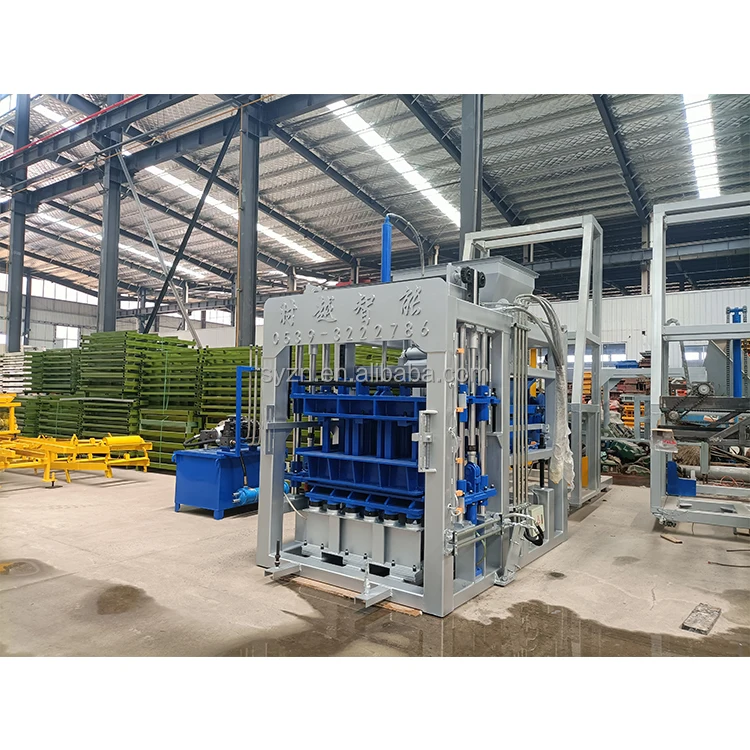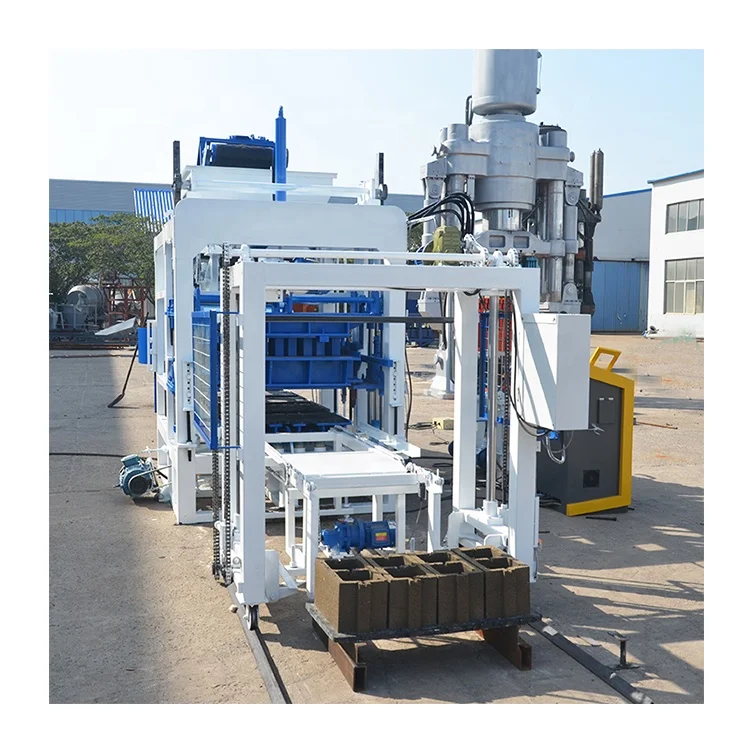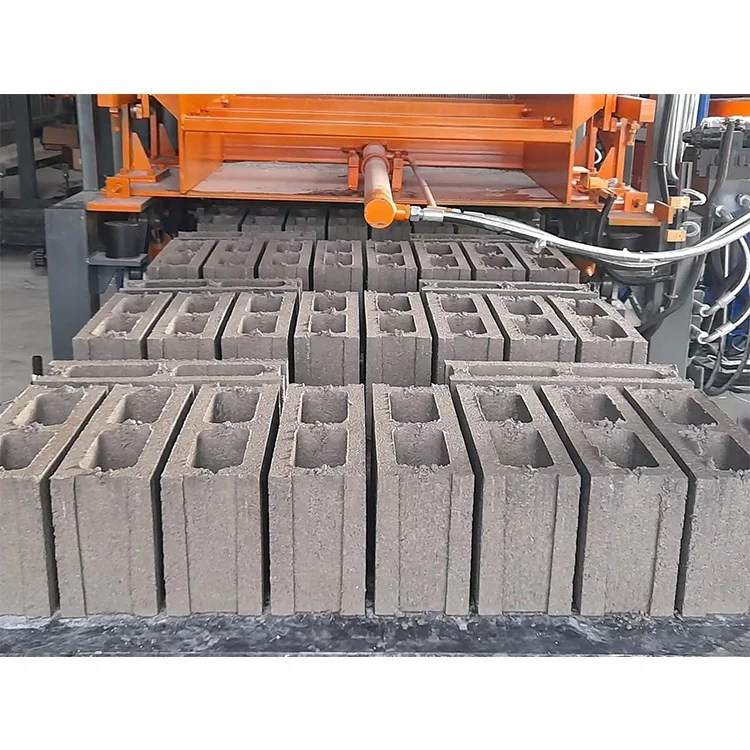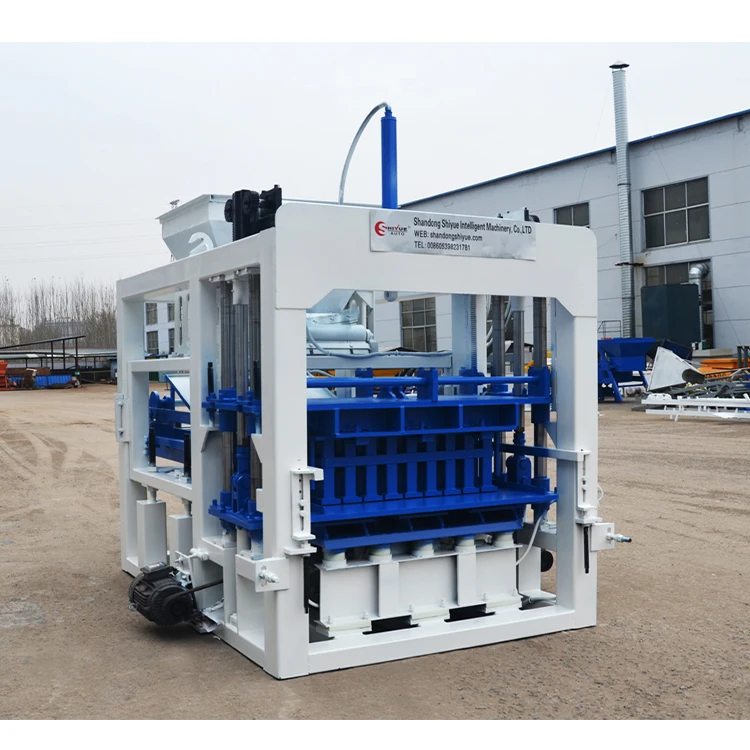
Description
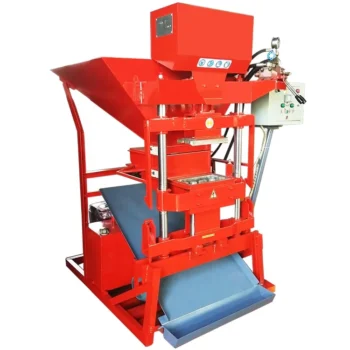
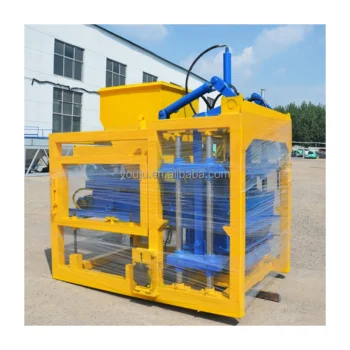
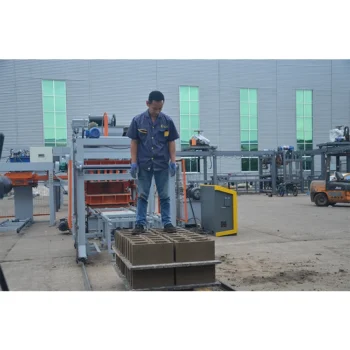
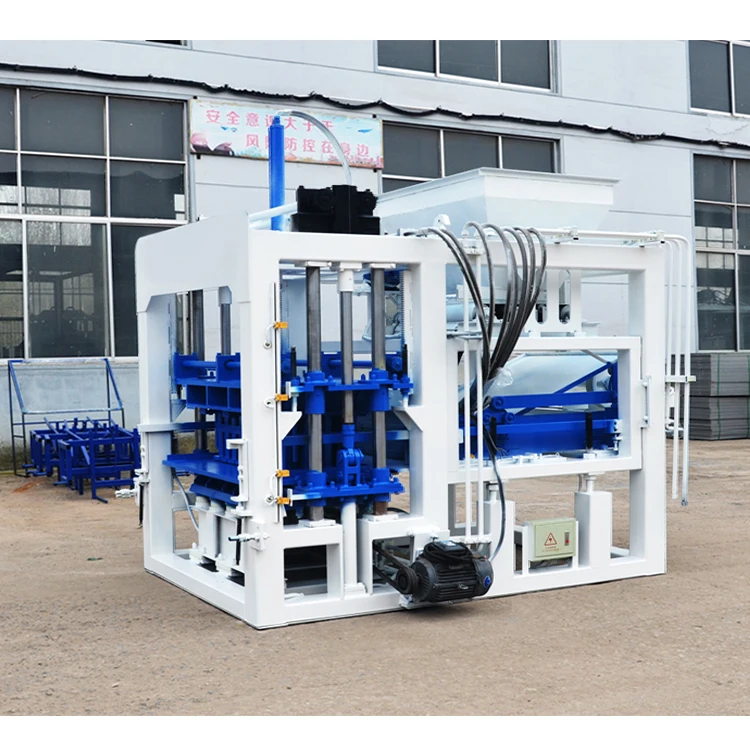
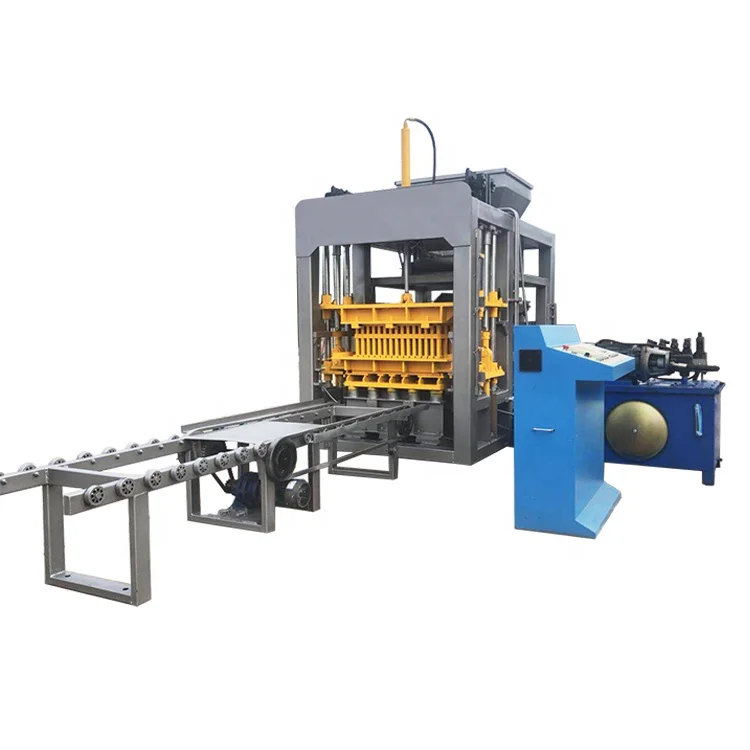
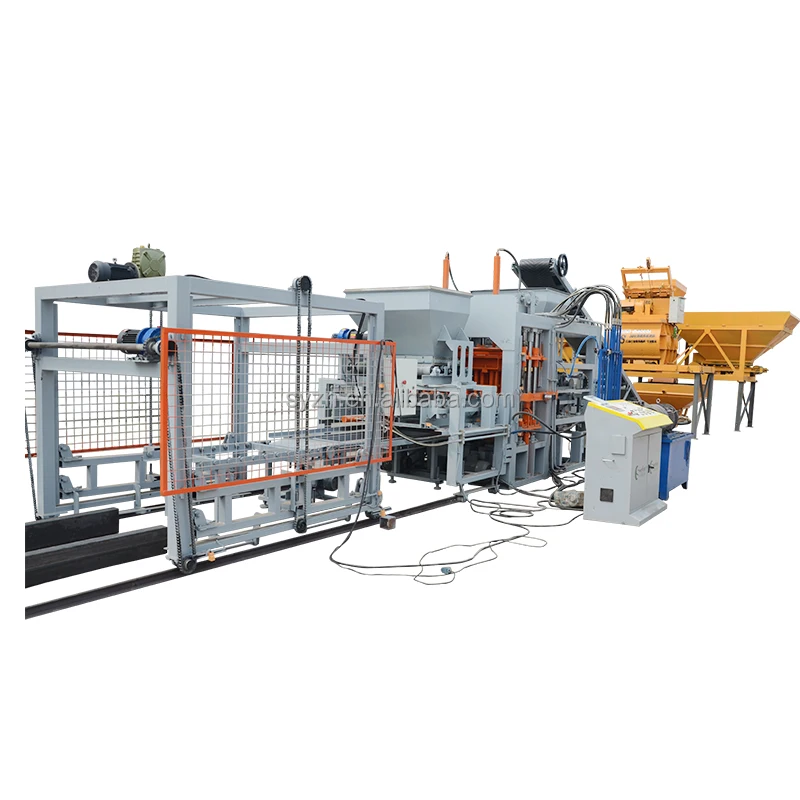
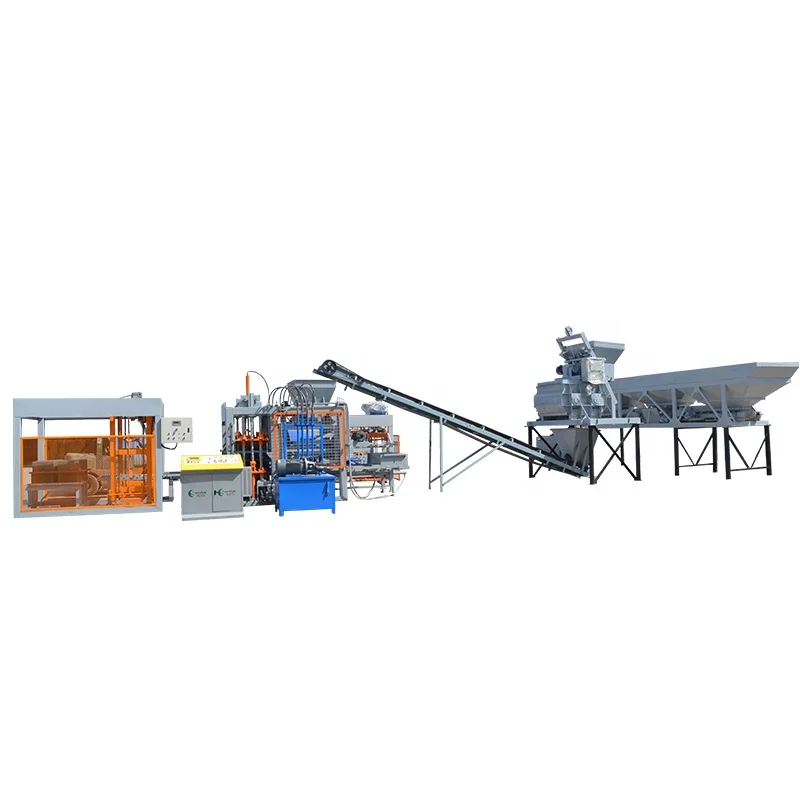
Stocked Configuration Dispatch — QT5-15 automatic block machines held in ready-to-ship configuration so project-driven buyers confirm arrival timing before committing to order.
Technical Specifications
| Parameter | Value |
|---|---|
| Model | QT5-15 |
| Product Type | Automatic Concrete Block Making Machine |
| Overall Dimensions (L×W×H) | 7400×1950×2800 mm |
| Total Mass | 5000 kg |
| Vibration Frequency | 0–60 Hz |
| Vibration Form | Platform Vibration |
| Vibration Force | 80 kN |
| Moulding Mode | Automatic load, vibration moulding |
| Pallet Size | 1100×550 mm |
| Molding Cycle | 15–20 s (basis to be confirmed by block format, material, and thickness) |
| Overall Power | 32 kW |
| Control System | PLC with touch screen interface |
| Hydraulic System | Independent integrated hydraulic station |
| Demolding Method | Hydraulic |
| Factory Area Required | 1000 m² |
| Output (Hollow 400×200×200 mm) | 900–1200 pcs/h; 7,200–9,600 pcs/8 h |
| Output (Hollow 400×150×200 mm) | 1,080–1,440 pcs/h; 8,640–11,520 pcs/8 h |
| Output (Solid Brick 240×115×53 mm) | 5,760–7,680 pcs/h; 46,080–61,440 pcs/8 h |
| Output (Paver 200×100×60 mm) | 3,600–4,500 pcs/h; 28,800–36,000 pcs/8 h |
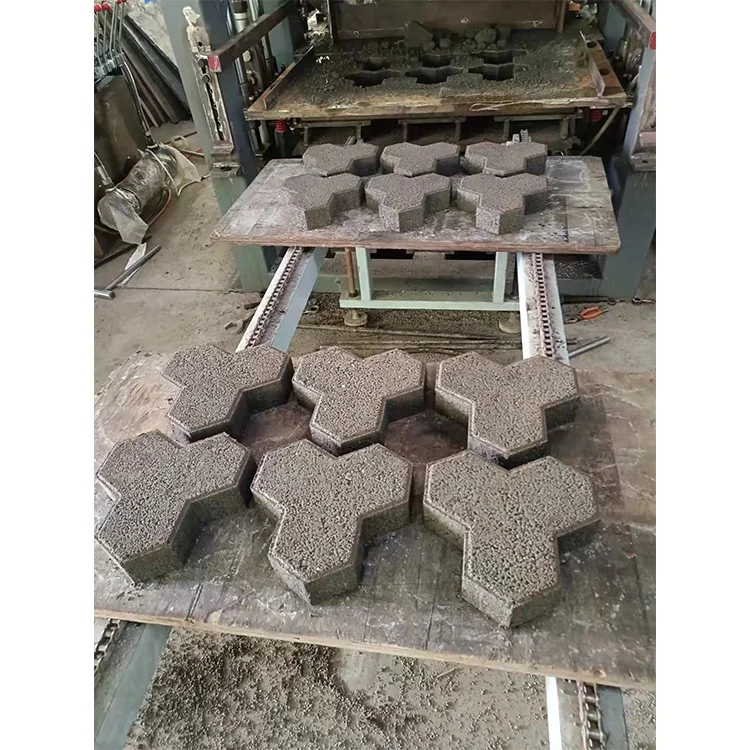
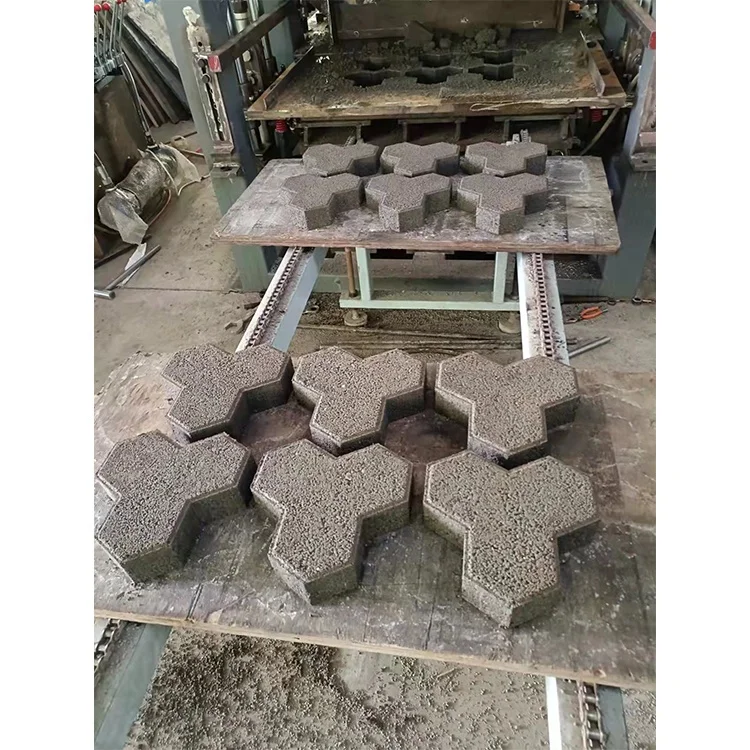
| Output (Zigzag Paver 225×112.5×60 mm) | 2,304–2,880 pcs/h; 18,432–23,040 pcs/8 h |
| Raw Material Compatibility | Fly ash (up to 70%), slag, gangue, sand, crushed stone, cement, water |
| Block Compressive Strength | ≥15 MPa |
| Voltage & Frequency | Configurable — confirm destination standard before order |
| PLC Display Language | Configurable — confirm before order |
| Warranty | 1 year for whole machine (excluding spare parts) |
Application Suitability
| Application | Material or Output |
|---|---|
| Hollow block production for masonry walls | Crushed stone, sand, cement, water mix with fly ash or slag substitution |
| Solid brick manufacturing for load-bearing structures | Sand, crushed stone, cement blend; gangue or slag as partial aggregate |
| Rectangular paving brick for walkways and yards | Fine aggregate and cement mix; pigmented face layer optional |
| Interlocking zigzag paver for driveways and plazas | Graded sand and crushed stone with cement binder |
| On-site block production for housing projects | Local aggregate with cement; fly ash where regionally available |
What Dispatch Timing Actually Means When the Site Is Waiting
A stocked QT5-15 automatic block machine ships from the yard on a published lead time, so the project schedule does not stretch while the factory builds to order.
Contractors working against a handover date cannot absorb a multi-week production delay on top of ocean transit. When a block machine is quoted as "available," the real question is whether the configuration matches the destination voltage, the PLC language reads correctly for the local operator, and the standard moulds aboard the container are the formats the site actually needs to lay. Missing any one of those details turns a fast delivery into a machine that sits in a yard waiting for a transformer or a control board swap [NEED_CITE: voltage and frequency standards by export market]. I have watched entire crews stand idle because a machine arrived fast but arrived wrong.
Stocked Means Configured, Not Just Crated
Holding a QT5-15 automatic block machine in stock is only useful if the electrical and control configuration is matched to the buyer’s grid before the container is sealed. Voltage and frequency differ across markets — a machine wired for one standard will not start on another without external transformation, and that transformation adds cost and delay at the site end. Every stocked unit is confirmed against the buyer’s local supply before dispatch so the main panel connects and runs on day one.
Lead Time You Can Plan Around
Dispatch from stock removes the production queue, but transit and customs still shape the arrival date. Container loading plans are shared before the machine leaves the yard, showing how the host frame, hydraulic station, and pallets are dismantled and secured [NEED_CITE: container loading practices for heavy industrial machinery]. Buyers working to a project deadline use the dispatch date plus ocean transit to schedule foundation work, raw material delivery, and crew mobilization so the machine starts earning its keep the week it clears the port.
Reading the Numbers Behind the Cycle Time
The QT5-15 runs a molding cycle between 15 and 20 seconds, but that window shifts depending on block format, wall thickness, and the raw material mix feeding the hopper. Vibration force at 80 kN combined with the independent hydraulic station determines how densely the mix compacts before demolding — denser compaction yields higher compressive strength but may extend the cycle slightly as the platform settles. Pallet size at 1100×550 mm defines the curing rack spacing and the forklift pocket the site must already have in place. The PLC touch screen manages the automatic sequence from pallet feed through vibration and hydraulic demolding, and its language setting must match the operator who will run it daily.
When the Wrong Stock Configuration Costs More Than Waiting
Ordering a machine that ships fast but arrives with the wrong voltage forces the buyer into a local transformer purchase or a rewinding job on the main motors — both adding weeks and unplanned cost. A PLC display in a language the operator cannot read leads to incorrect parameter changes that affect block density and cycle consistency. Moulds that do not match the local market’s standard block format mean the machine runs but produces inventory nobody buys [NEED_CITE: regional block format preferences in construction markets]. These are not theoretical problems; they show up on sites where speed was chosen over specification accuracy.
Why This Stock and Dispatch Model Exists
Block machinery is the single production focus here, so the QT5-15 held in stock is specced as a matched system — host press, pallet size, hydraulic rating, and mould set chosen to work together rather than assembled from separate suppliers. Configurations are set against real buyer demand patterns, not catalogue defaults, meaning the formats on the shelf reflect what construction markets actually order. Installation and commissioning support follows the machine to the site, with operator training included so the crew does not learn through trial and breakage. Documentation travels with the shipment — factory test records, hydraulic and electrical schematics, and customs paperwork — so clearance and setup move in sequence rather than stalling on a missing certificate [NEED_CITE: CE machinery directive requirements for industrial equipment].
Documentation & Verification
- Factory test record on the exact block format and mix ratio specified in the purchase order
- Hydraulic and electrical schematic matching the as-shipped voltage and control configuration
- Pallet specification sheet confirming dimensions and load rating for the buyer’s curing racks
- Mould drawing and format list covering each mould set loaded in the container
- Packing photographs showing dismantling state and securing method before container doors close
- Customs documentation package prepared for the destination port clearance requirements
Installation, Commissioning & Support
- Foundation pad poured to accommodate the 7400×1950 mm footprint and 5000 kg operating mass
- Dedicated power circuit supplying the confirmed voltage and frequency for the 32 kW total load
- Hydraulic station and host frame reassembled on-site with alignment checked against factory record
- PLC parameters set to the buyer’s local mix design and target block format during commissioning
- Operator training covers mould changeover procedure, daily maintenance points, and fault reading on the touch screen
- Wear parts and mould inventory list provided so the first replacement order is placed before stock runs out
Before You Request a Dispatch Date
Share the block format your market sells, the daily output you need to meet the project timeline, and the raw materials available within hauling distance of the site. Confirm the local voltage, frequency, and the language your operators read on a touch screen. State whether you need standard moulds from stock or a custom format that requires a production run — this determines whether the machine leaves the yard this week or next.
Frequently Asked Questions
Q: Which QT5-15 configurations are currently in stock and what is the dispatch lead time?
A: Stocked units are held in standard configurations with confirmed pallet size, hydraulic rating, and PLC control. Dispatch lead time depends on the configuration match to your destination voltage and required mould sets. Confirm your electrical standard and block format to receive an exact dispatch date from the yard rather than a generic estimate.
Q: How is container loading handled and what is the estimated arrival timeline?
A: The QT5-15 is dismantled into its host frame, hydraulic station, pallet stack, and mould sets for container loading. A loading plan with photographs is shared before the container is sealed. Ocean transit time depends on the destination port; the dispatch date is confirmed once configuration is verified so you can schedule foundation work and crew arrival.
Q: What voltage and frequency options are available from stock for my market?
A: Stocked machines are configured against confirmed destination standards before dispatch. Voltage and frequency must match the buyer’s local grid to avoid transformer delays on arrival. Provide your site’s electrical specification during inquiry so the correct motor winding and control panel configuration is assigned from available stock.
Q: Can I order standard moulds from stock along with the machine?
A: Standard moulds for hollow blocks, solid bricks, and common paver formats are available from stock and loaded in the same container as the QT5-15. Custom mould formats require a separate production lead time. Confirm which block sizes your market demands so the right mould sets are reserved and shipped together with the machine.
Q: What documentation ships with the machine for customs clearance?
A: Each shipment includes a factory test record, hydraulic and electrical schematics, CE declaration where applicable, operation and maintenance manual, packing list, and commercial invoice. Documentation is prepared to match the destination port’s clearance requirements. Confirm any specific certificate or format your customs broker requires before the container departs.