
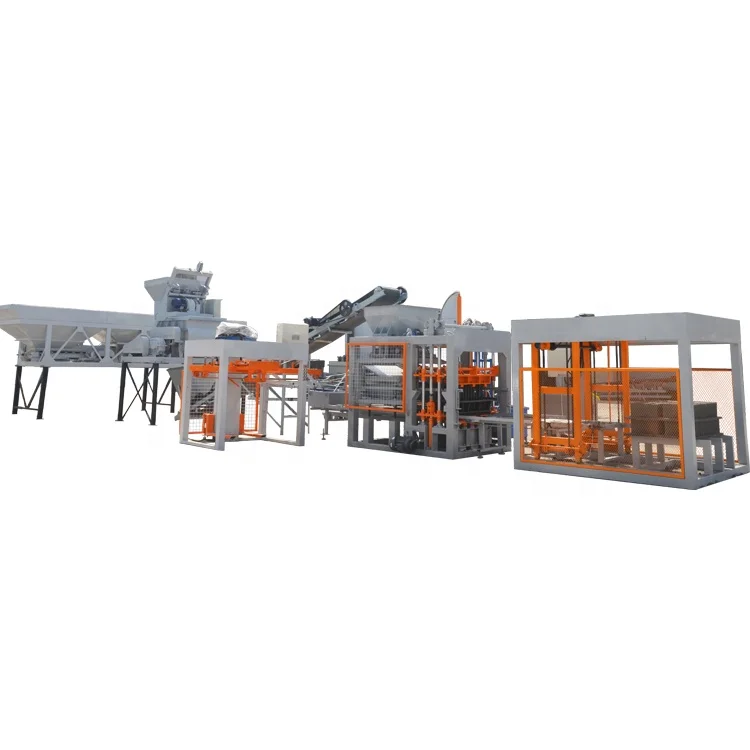
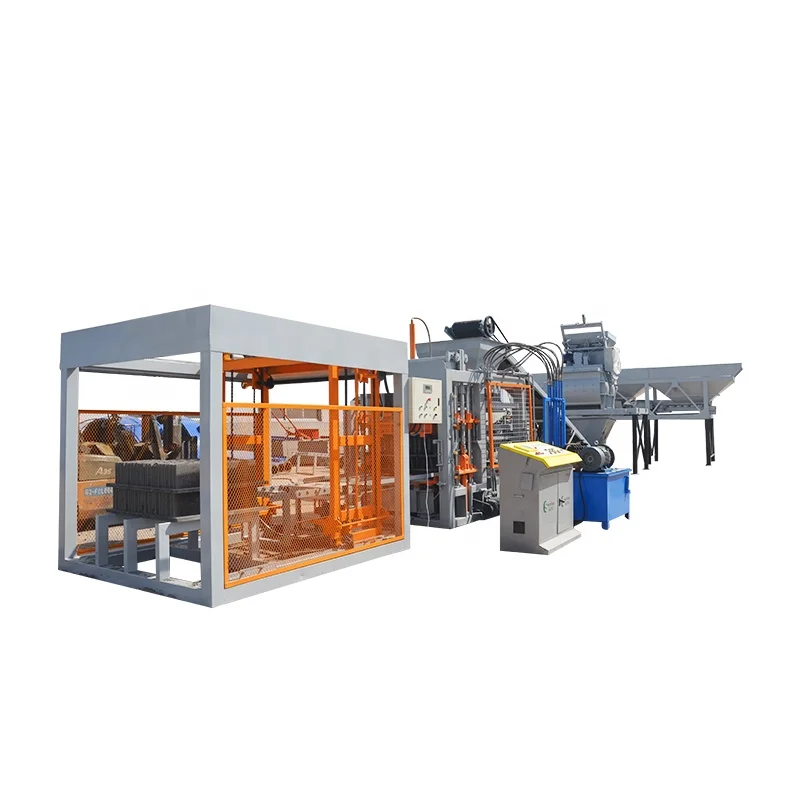
Description
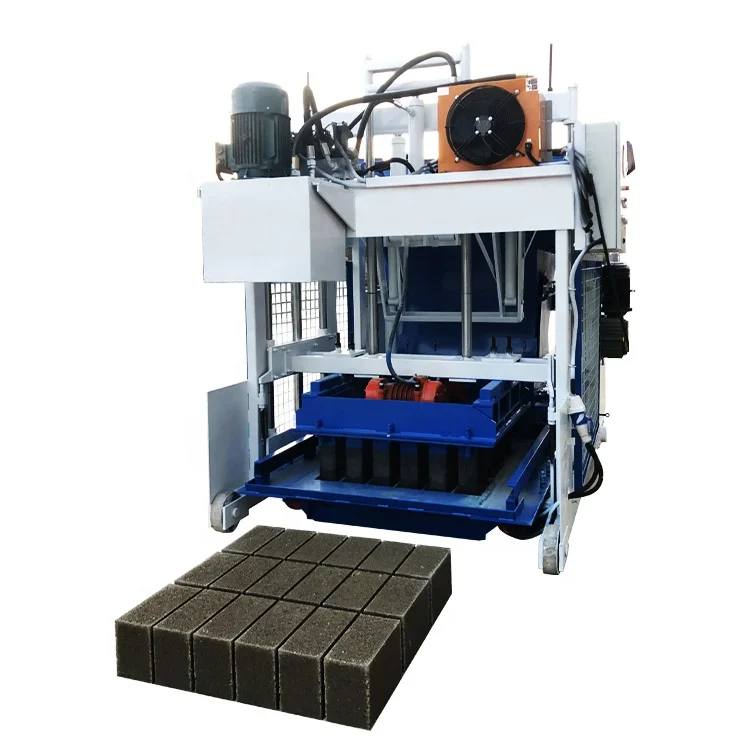
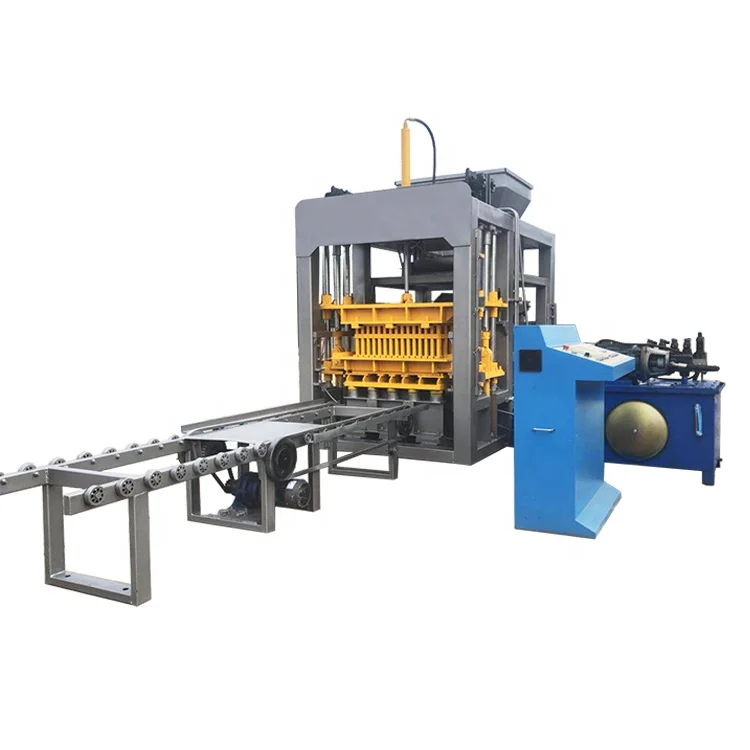
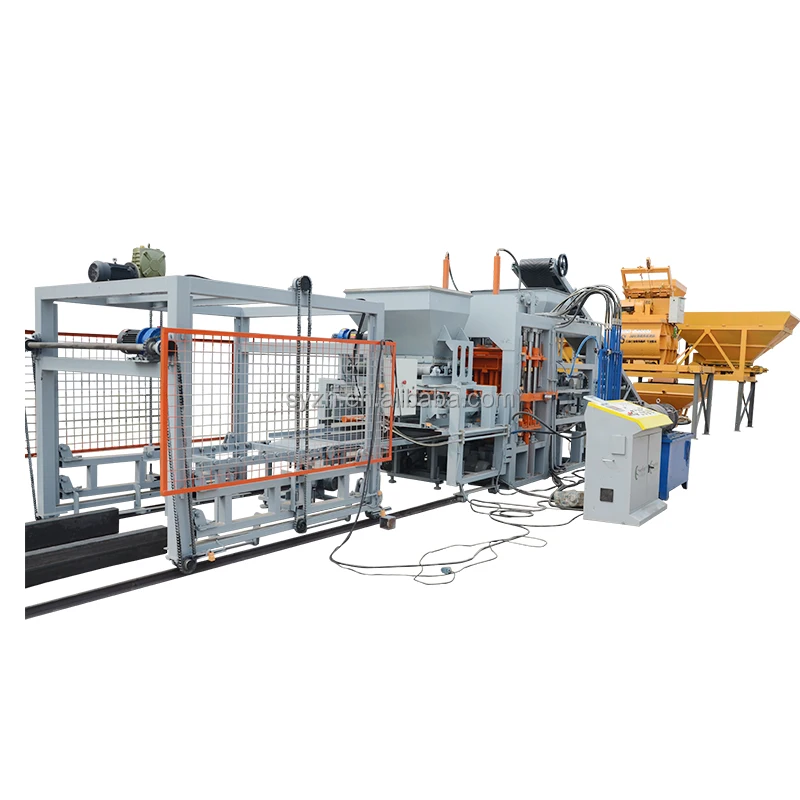
Stocked Configuration — QT5-15 units are assembled, factory-tested, and ready for container loading so your project timeline does not slip waiting on a build slot.
Technical Specifications
| Parameter | Value |
|---|---|
| Model | QT5-15 |
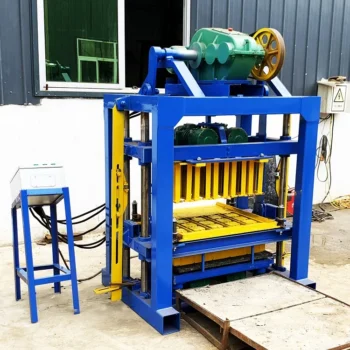
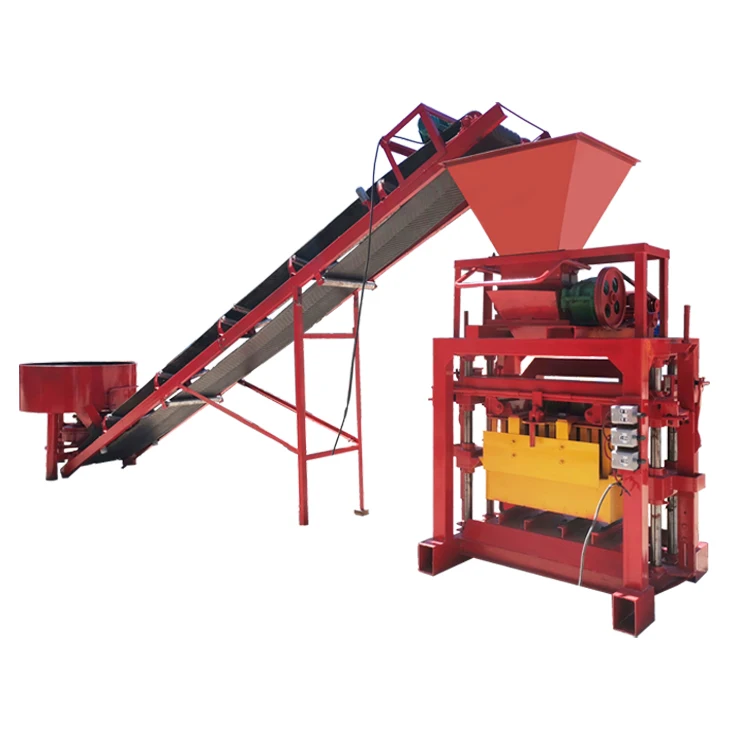
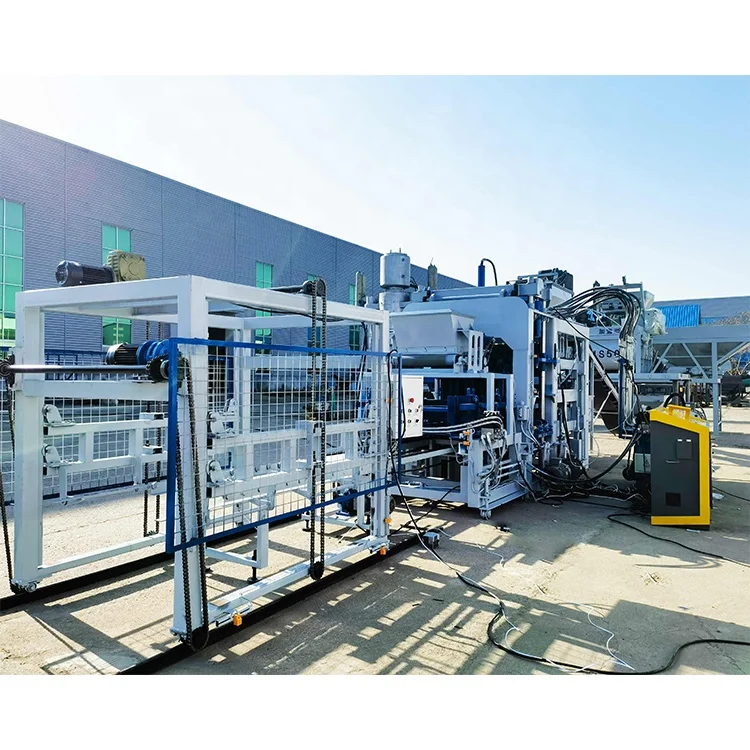
| Product Type | Stationary Block Making Machine |
| Overall Dimensions (L×W×H) | 7400×1950×2800mm |
| Rated Pressure | 21 MPa |
| Main Vibration Form | Platform Vibration |
| Vibration Frequency | 2800–4500 r/min |
| Pallet Size | 1100×550mm |
| Molding Cycle | 15–25s |
| Overall Power | 26.5 kW |
| Demolding Method | Hydraulic |
| Control System | PLC Control System |
| Automation Level | Fully Automatic |
| Raw Materials | Crushed stone, sand, cement, dust, fly ash, gravel, slag |
| Capacity (Hollow Brick 400×200×200mm) | 1800 pcs/h (basis: 5 pcs/mold, 16–20s cycle) |
| Capacity (Hollow Block 400×150×200mm) | 1300 pcs/h (basis: 6 pcs/mold, 15–20s cycle) |
| Capacity (S Paver 225×112.5×60mm) | 3700 pcs/h (basis: 16 pcs/mold, 15–17s cycle) |
| Voltage & Frequency | Configurable to destination market (basis to be confirmed before dispatch) |
Application Suitability
| Application | Material or Output |
|---|---|
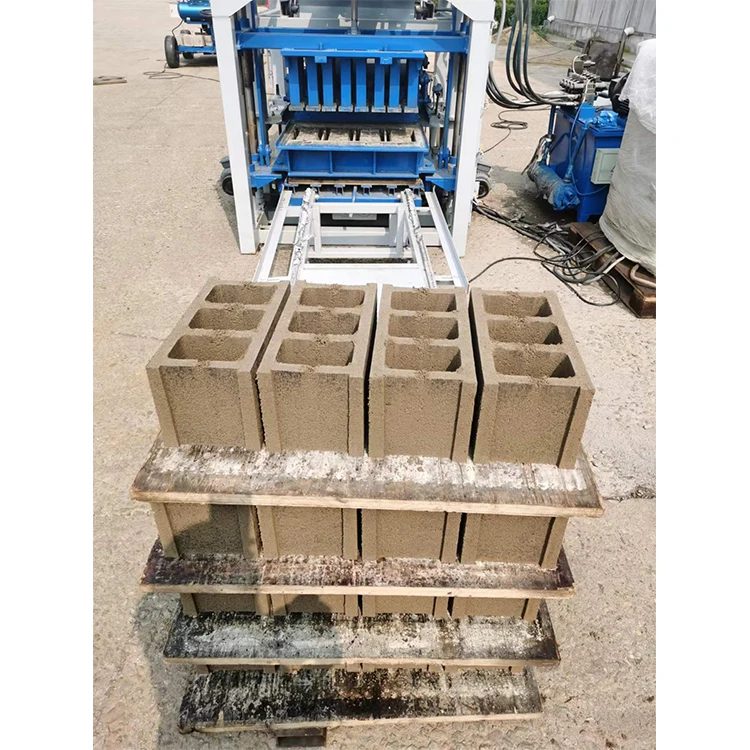
| Hollow block production for building walls | Crushed stone, sand, cement, fly ash blends |
| Solid concrete block for load-bearing structures | Gravel, cement, sand with high-density compaction |
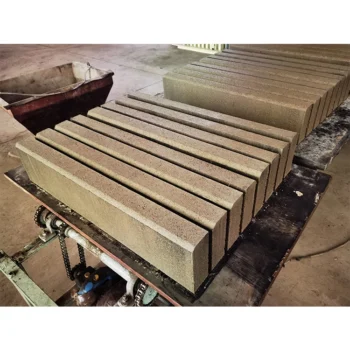
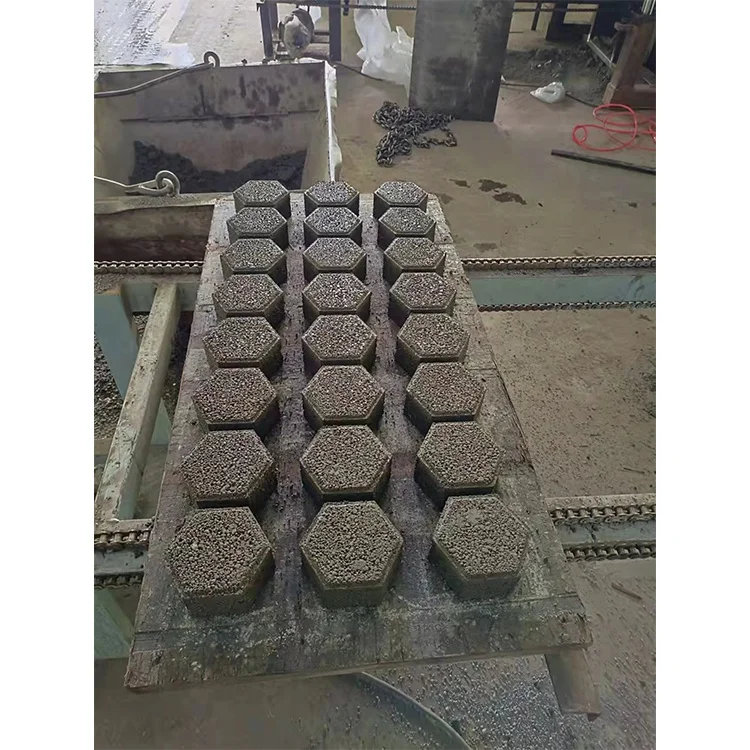
| Interlocking paver for walkways and driveways | Colored aggregates with fine sand and cement |
| Kerbstone and curb units for road edges | Coarse aggregate mixes with high hydraulic pressure |
| Porous and permeable paver for drainage | Open-graded aggregate with reduced cement ratio |
Why "Ready to Ship" Matters More Than the Price Tag
A Stationary Block Machine in stock eliminates the single biggest schedule killer: waiting for a production slot you were never told about.
Buyers working against a fixed project completion date often discover that the quoted lead time was an estimate, not a commitment. The machine sits in a build queue while the site crew stands idle and concrete deliveries get rescheduled. [NEED_CITE: impact of equipment delays on construction project timelines] When a QT5-15 is already assembled and tested, the dispatch clock starts from the day you confirm voltage and control language, not from the day the factory happens to slot your order. That difference can mean the gap between meeting a handover deadline and paying liquidated damages.
Container Loading and Dispatch Timing
Every Stationary Block Machine in stock is broken down into container-friendly modules before crating. The QT5-15 main frame, hydraulic station, and pallet feeder are dismantled to fit a standard 40-foot high-cube container, with each component secured against sea transit vibration. Dispatch lead time is confirmed in writing once your destination port and shipping route are locked in, so you can book inland transport before the vessel arrives.
Arrival Estimate and Port Documentation
The arrival estimate is calculated from the confirmed sailing schedule, not a generic transit window. [NEED_CITE: typical ocean freight transit times by trade lane] Customs documentation, including the CE declaration where applicable, packing list, and commercial invoice, ships with the container so your clearing agent can file pre-arrival paperwork. The goal is to have your QT5-15 on the truck and heading to site the same week it clears the port.
Platform Vibration and Hydraulic Pressure
The platform vibration system on the QT5-15 operates between 2800 and 4500 r/min, delivering consistent compaction across the full pallet area. Combined with 21 MPa rated hydraulic pressure, this produces uniform block density from edge to center. In practice, that means hollow blocks meet structural strength requirements without over-cementing the mix to compensate for weak spots, keeping your raw material cost predictable.
Pallet Size and Curing Area Compatibility
The 1100×550mm pallet size on this machine is chosen to align with standard curing rack dimensions and common forklift fork widths. If your existing curing yard uses a different pallet size, the mismatch forces manual re-stacking after every cycle, erasing the throughput advantage you paid for. [NEED_CITE: block plant curing logistics and pallet handling standards] Before dispatch, we confirm your pallet racking layout so the QT5-15 output drops directly into your curing workflow without a secondary handling step.
PLC Control and Operator Language
The PLC control system runs the full molding cycle, from raw material feed through hydraulic demolding, with cycle times between 15 and 25 seconds depending on block format. The display language is set to your operator’s preference before the machine leaves the factory. I have watched crews lose an entire first week of production because the error codes on the screen were in a language nobody on site could read. That confirmation now happens during the order stage, not after the container is opened.
The Real Cost of Skipping Pre-Shipment Verification
When voltage and frequency are not confirmed against the destination grid, the machine arrives and sits powered-off while a local electrician sources transformers or re-wires the control panel. [NEED_CITE: voltage and frequency standards by export market] That delay is not a minor inconvenience; it pushes back commissioning, burns through the contractor’s mobilization budget, and can void the project’s milestone schedule. Every QT5-15 shipped from stock has its electrical specifications locked in writing before crating begins.
Why Source This Machine Here
Shiyue focuses exclusively on block making machinery, so the press, mould, pallet, and handling equipment are specified as one matched system rather than assembled from separate vendors. Configuration is set against your actual mix design and local aggregate, not a catalogue default. Mould design covers the formats your market sells, with custom drawings available. Automation level is selectable, so you can start with the standard fully automatic cycle and expand pallet handling or cubing later. Factory test records are provided for your specific block format before the machine ships.
Documentation & Verification
- Factory test record demonstrating QT5-15 operation on your specified block format before crating
- Machine specification sheet with voltage, frequency, and PLC language confirmed in writing
- Mould drawing and format list for each block type included in your order
- Hydraulic and electrical schematic matching the as-built configuration
- Packing photographs showing container loading arrangement and component securing method
- Customs documentation package supporting import clearance at destination port
Installation, Commissioning & Support
- Foundation plan specifying load points for the 7400×1950mm QT5-15 frame footprint
- Dedicated circuit requirement for the 26.5 kW total power draw confirmed to local grid code
- Dismantled component reassembly sequence with hydraulic and electrical reconnection checklist
- First-run parameter setting on your raw material mix to verify 15–25s cycle targets
- Operator training covering PLC navigation, mould change procedure, and daily maintenance points
- Wear parts and mould replenishment list with reorder lead times for continuous production
What to Include in Your Inquiry
To match a Stationary Block Machine in stock to your site, we need your target block format with daily output requirement, the local raw materials you plan to use, and your destination port. Include your site voltage, frequency, and preferred PLC display language so the electrical configuration is confirmed before dispatch. If you have existing curing racks or forklifts, share the pallet dimensions and fork width so the handling layout is pre-validated.
Frequently Asked Questions
Q: What is the current stock status and dispatch lead time for QT5-15?
A: QT5-15 units are assembled and factory-tested in our Linyi facility, ready for container loading. Dispatch lead time is quoted in writing once your destination port, voltage, and PLC language are confirmed, typically within a matter of days rather than weeks. We provide the container booking reference so you can track the vessel from departure.
Q: How is the machine dismantled for container loading and what is the arrival estimate?
A: The QT5-15 is broken into main frame, hydraulic station, and pallet feeder modules to fit a standard 40-foot high-cube container. Each component is secured with transit bracing and photographed before the doors close. Arrival estimate is calculated from the confirmed sailing schedule to your specific port, not a generic transit window.
Q: Which block formats are included with standard moulds in stock?
A: Standard stock moulds cover hollow blocks, solid blocks, pavers, interlocking bricks, and kerbstones. Capacity figures are stated per format, for example 1800 pieces per hour based on a 400×200×200mm hollow brick at a 16–20 second cycle. Custom mould designs to your drawings are available with a short additional lead time.
Q: Can voltage and control language be confirmed before shipment?
A: Yes. Voltage, frequency, and PLC display language are confirmed in writing during the order stage, before the machine is crated. This prevents the most common on-site commissioning delay we see: a machine that arrives electrically incompatible with the local grid or with an interface the operator cannot read.
Q: What documentation ships with the machine for customs clearance?
A: Each shipment includes a commercial invoice, packing list, bill of lading, factory test record, hydraulic and electrical schematics, and CE declaration where applicable. These documents are prepared to support pre-arrival customs filing at your destination port, reducing the time the container spends in the clearance yard.