

Description
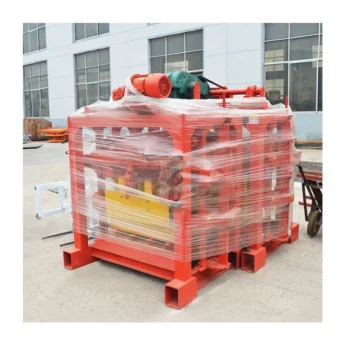
Fast Dispatch Readiness — QT7-15 block machines held as stocked units with standard moulds, loaded into containers on confirmed dates so project timelines hold.
Technical Specifications
| Parameter | Value |
|---|---|
| Model | QT7-15 |
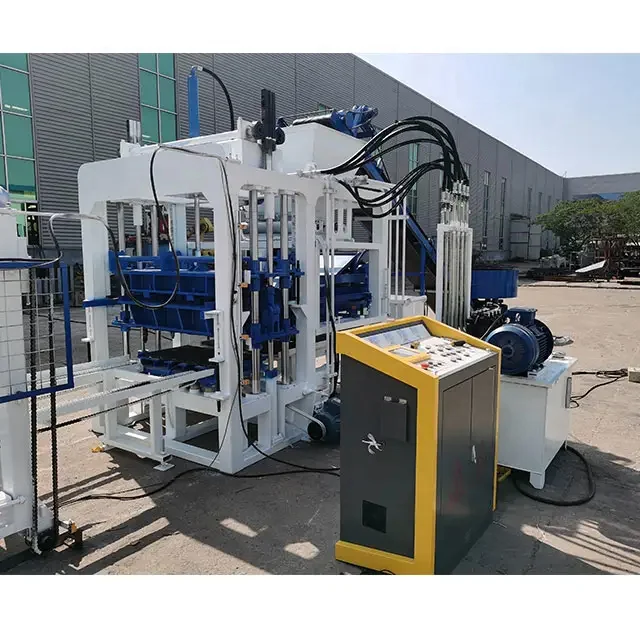
| Product Type | Automatic Hydraulic Block Making Machine |
| Pallet Size | 1150×700 mm |
| Molding Cycle | 15–20 s (basis not stated in source — confirm block format / material / thickness) |
| Overall Power | 45 kW |
| Vibration Force | 100 kN |
| Vibration Frequency | 0–60 Hz, adjustable |
| Vibration Form | Platform Vibration |
| Total Mass | 8 T |
| Demolding Method | Hydraulic |
| Control System | PLC with touch screen interface |
| Automation Level | Automatic pallet feed, hydraulic demolding, PLC-controlled process |
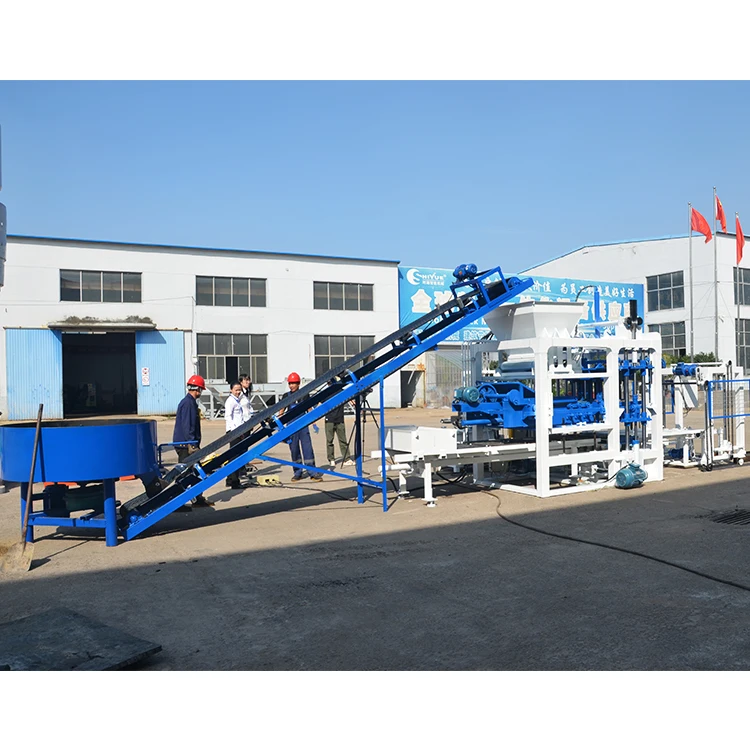
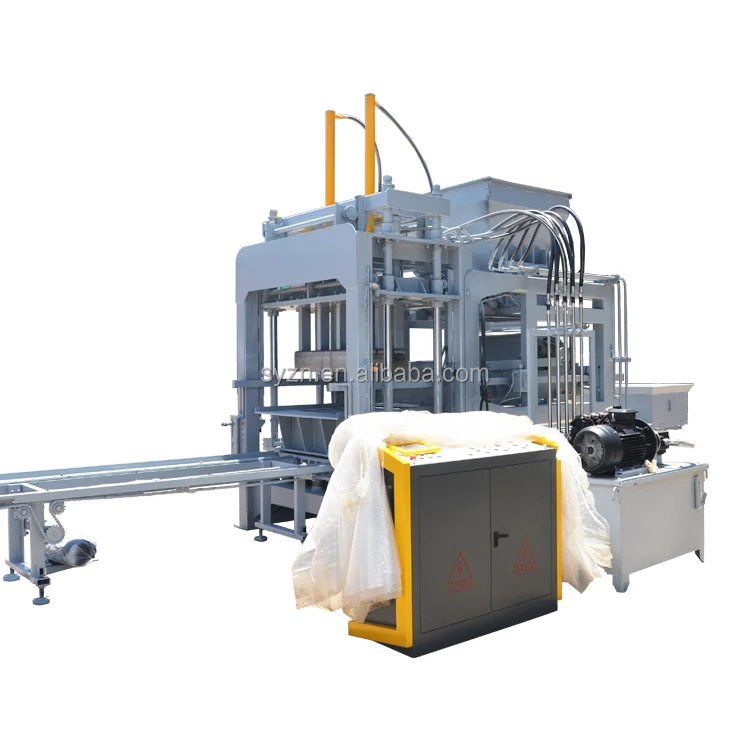
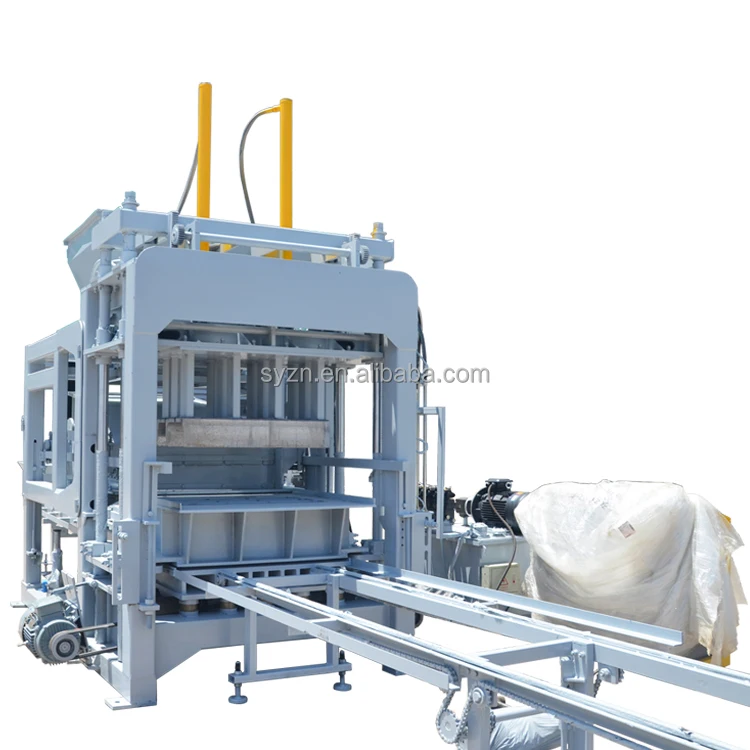
| Components Included | Pallet feed machine, block making machine, storage hopper, conveyor, hydraulic unit, PLC control cabinet |
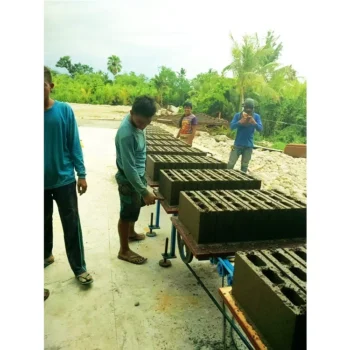
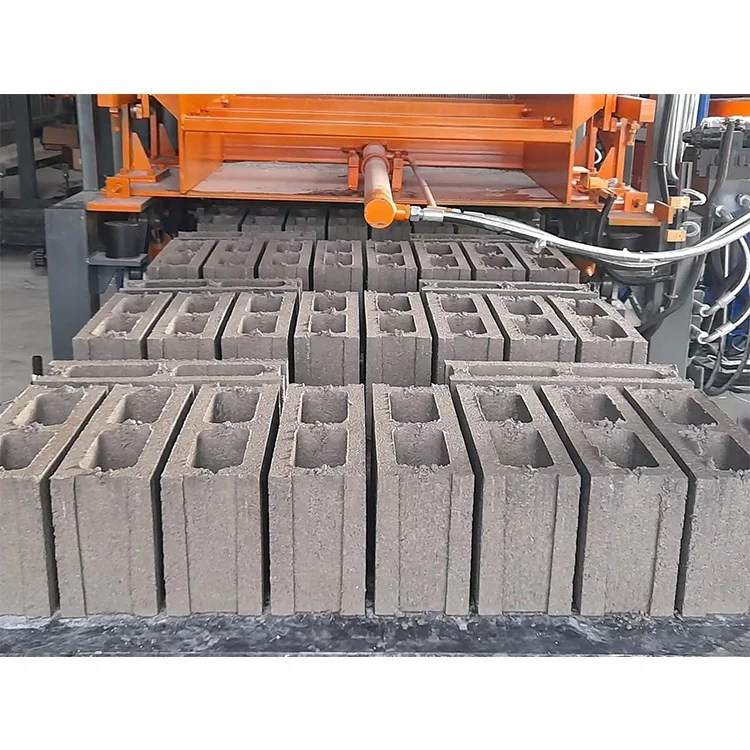
| Output — Hollow Block 400×200×200 mm | 7 pcs/mould, 1,260–1,680 pcs/h, 10,080–13,440 pcs/8 hr |
| Output — Hollow Block 400×150×200 mm | 8 pcs/mould, 1,440–1,920 pcs/h, 11,520–15,360 pcs/8 hr |
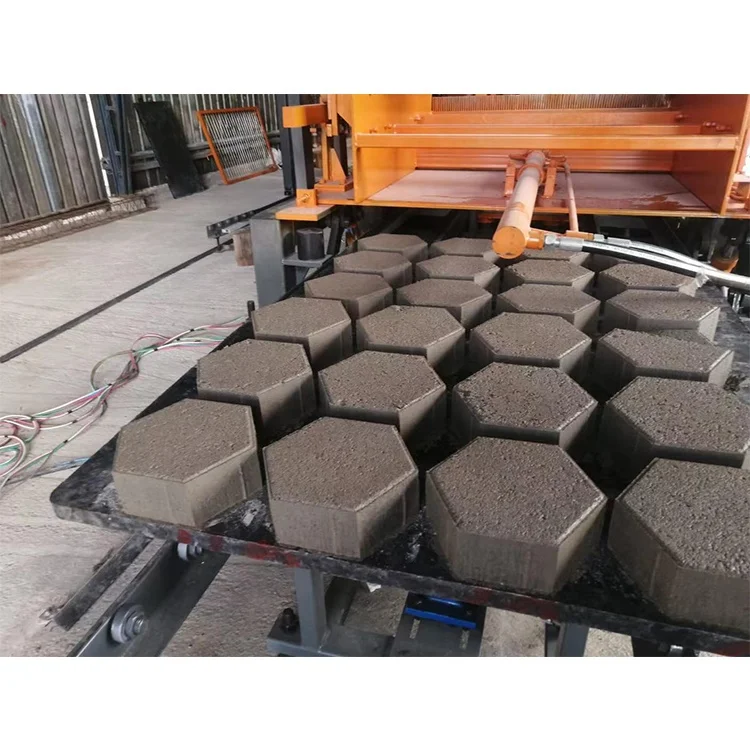
| Output — Rectangular Paver 200×100×60 mm | 27 pcs/mould, 3,888–4,860 pcs/h, 31,104–38,880 pcs/8 hr |
| Voltage & Frequency | Configurable — confirm before order |
| Mould Format Options | Hollow block, rectangular paver; custom mould available |
| Standards | CE declaration available |
Application Suitability
| Application | Material or Output |
|---|---|
| Hollow concrete block production for building walls | Crushed stone, sand, cement, water mix on 1150×700 mm pallets |
| Rectangular paving brick for hardscape and roads | Fine aggregate and cement blends, 27 pcs per mould cycle |
| Multi-format production via mould change | Interlocking, kerbstone, or custom formats on request |
| On-site block manufacturing for housing projects | Local aggregate and cement, fixed-plant or contractor yard setup |
Why the Voltage Question Must Come Before the Dispatch Date
Confirming voltage, frequency, and PLC language in writing prevents a machine from sitting idle on arrival.
A QT7-15 block machine in stock fast delivery means little if the control cabinet does not match the local grid. I once shipped a hydraulic block line to a Dubai site where the 380V/50Hz cabinet met a 440V/60Hz supply — the transformer took weeks to source while the entire crew stood around [NEED_CITE: voltage and frequency standards by export market]. That delay was avoidable with a single confirmation email before production.
Stock availability only matters when the machine that ships actually runs on the buyer’s power supply. Every dispatch plan must lock voltage and PLC display language before the container is booked.
Stocked Configuration and Container Loading Plan
The QT7-15 ships as a matched set: block making machine, pallet feeder, storage hopper, conveyor, hydraulic unit, and PLC cabinet. Container loading is planned around the dismantled frame and pallet dimensions so the machine fits standard flat-rack or open-top containers without oversize surcharges. Buyers receive a loading diagram before payment so the freight forwarder can book space without guesswork.
Dispatch Timeline and Arrival Estimation
A confirmed dispatch date is quoted at inquiry stage, not after deposit. The lead time covers final factory test, dismantling for shipment, and container stuffing. Arrival estimates are calculated from the destination port and shared upfront, giving project managers a realistic commissioning window [NEED_CITE: typical ocean freight transit times to Middle East and African ports].
Vibration Force and Hydraulic Demolding in Practice
The 100 kN vibration force combined with platform vibration at 0–60 Hz adjustable frequency determines how densely the concrete mix compacts inside the mould. Higher frequency suits fine-aggregate paver mixes, while lower frequency with longer dwell works for coarse hollow block fills. Hydraulic demolding then strips the mould without cracking green blocks — critical when the mould design has thin core pins for hollow cores. The pallet size of 1150×700 mm must match the curing racks and forklifts already on site, or pallets will not stack properly in the yard [NEED_CITE: pallet sizing standards for concrete block curing areas].
The Hidden Cost of Skipping Pre-Shipment Confirmation
When voltage is assumed rather than confirmed, the machine arrives and the site electrician discovers a mismatch. Sourcing a step-up or step-down transformer locally adds weeks and unbudgeted cost. When the PLC display language is not specified, operators cannot read fault codes, turning a simple sensor replacement into a multi-day troubleshooting exercise. These are not manufacturing defects — they are specification gaps that a QT7-15 block machine in stock fast delivery cannot solve once the container has sailed [NEED_CITE: CE machinery directive requirements for industrial equipment].
Why Source This Machine Through This Channel
Block machinery is the single product focus here, so the QT7-15 is specified as a complete system — press, pallets, moulds, and handling — rather than assembled from unrelated suppliers. Stock units carry standard moulds for hollow blocks and rectangular pavers, with custom moulds built to buyer drawings when the local market demands formats the catalogue does not cover. Every machine ships with a factory test record run on the buyer’s target block format, not a generic bench test. Dispatch schedules are honoured because inventory is held against confirmed orders rather than promised against production slots.
Documentation & Verification
- Factory test record run on your specified hollow block format before dispatch
- Line layout showing pallet flow from feeder through curing rack
- Mould drawing and format list matching your local block dimensions
- Voltage and PLC language confirmation sheet signed before production
- Packing photographs and container loading diagram before shipment
- Operation and maintenance manual with wear parts and mould list
Installation, Commissioning & Support
- Foundation plan sized for 8 T total mass and 100 kN vibration load
- Power supply circuit rated for 45 kW overall draw at confirmed voltage and frequency
- Dismantled frame reassembled on site with hydraulic and electrical connections verified
- First production run supervised with mould cycle adjusted to local mix design
- Operator training on PLC touch screen controls and fault code reading
- Wear parts and mould replacement schedule documented at handover
What to Include in Your Inquiry
Provide the block formats your market sells, the local aggregate type available, and the daily output you need per format. Confirm your site voltage, frequency, and preferred PLC display language. If you have existing pallets, curing racks, or forklifts, share their dimensions so the pallet specification matches your yard layout.
Frequently Asked Questions
Q: Is the QT7-15 currently in stock or built to order, and what is the real dispatch lead time?
A: Stocked units of the QT7-15 block machine in stock fast delivery configuration are available with standard hollow block and rectangular paver moulds. The exact dispatch date is confirmed at inquiry based on current inventory and the container booking window. Custom mould orders follow a separate production schedule quoted alongside the machine.
Q: How is the machine packed and dismantled for container shipment?
A: The 8 T machine is dismantled into frame, hydraulic unit, PLC cabinet, and pallet feeder for container loading. A loading diagram is issued before payment so your freight forwarder can confirm container type and book space. All hydraulic lines and electrical connectors are capped and labelled for reassembly.
Q: What is the estimated arrival time at my destination port?
A: Arrival estimates are calculated from your destination port and shared at inquiry stage alongside the dispatch date. Transit time depends on the shipping line and route. We recommend building a buffer into your project schedule for customs clearance at the port of entry.
Q: Are voltage, frequency, and PLC language confirmed before shipment?
A: Yes. Voltage, frequency, and PLC touch screen display language are confirmed in writing before production or dispatch of stock units. This prevents the machine from arriving with a control cabinet that does not match the local grid or operators who cannot read the interface.
Q: What standard moulds are available from stock, and how fast can additional moulds ship?
A: Standard stock moulds include hollow block and rectangular paver formats listed in the specification table. Additional or custom moulds are built to buyer drawings on a separate lead time quoted at inquiry. Moulds can ship together with the machine or separately depending on production readiness.