
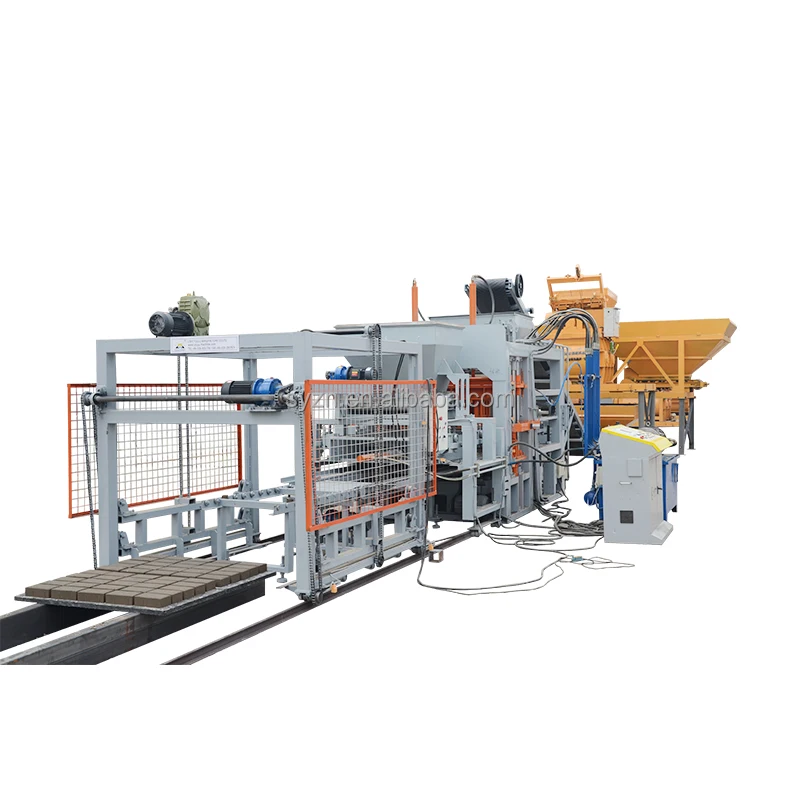
Description
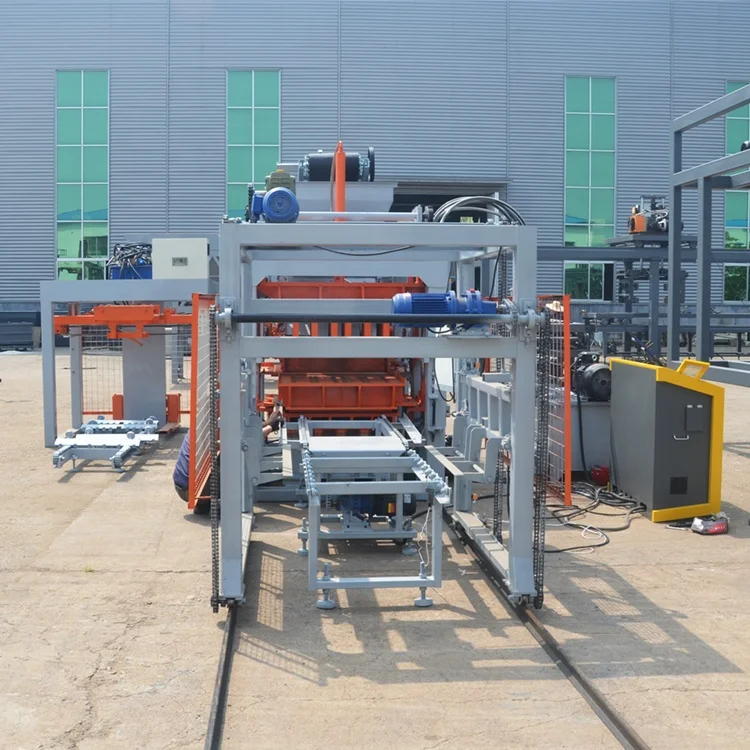
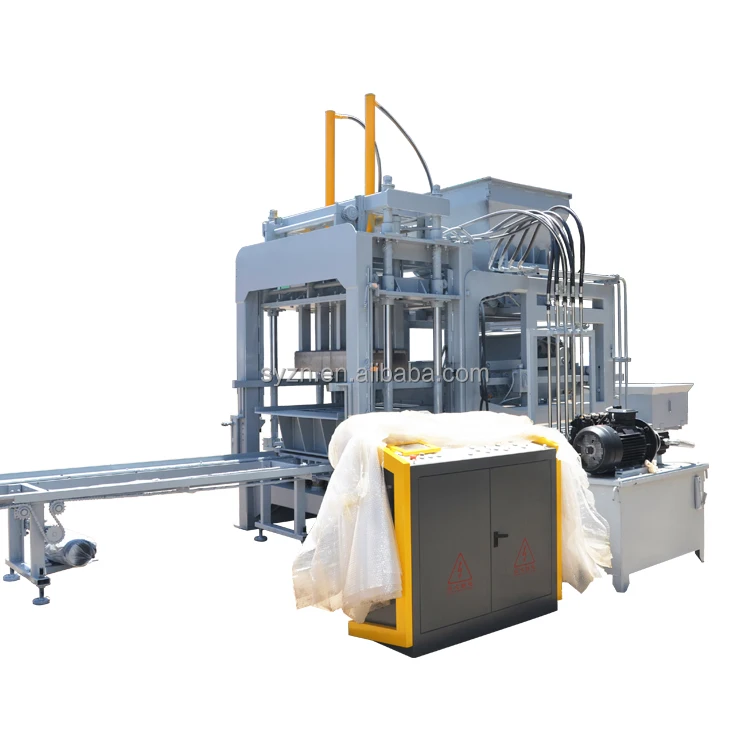
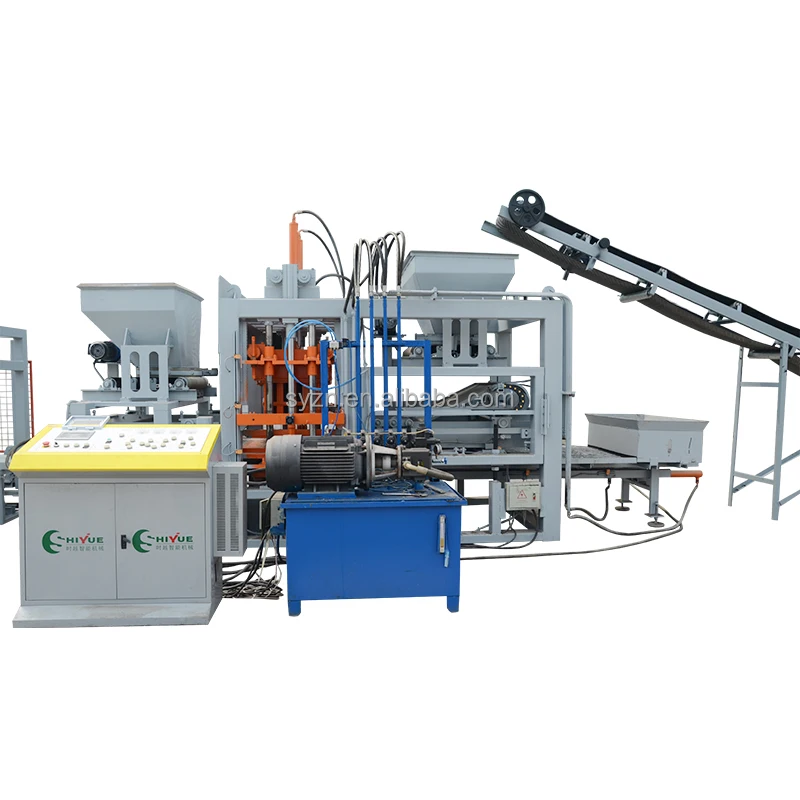
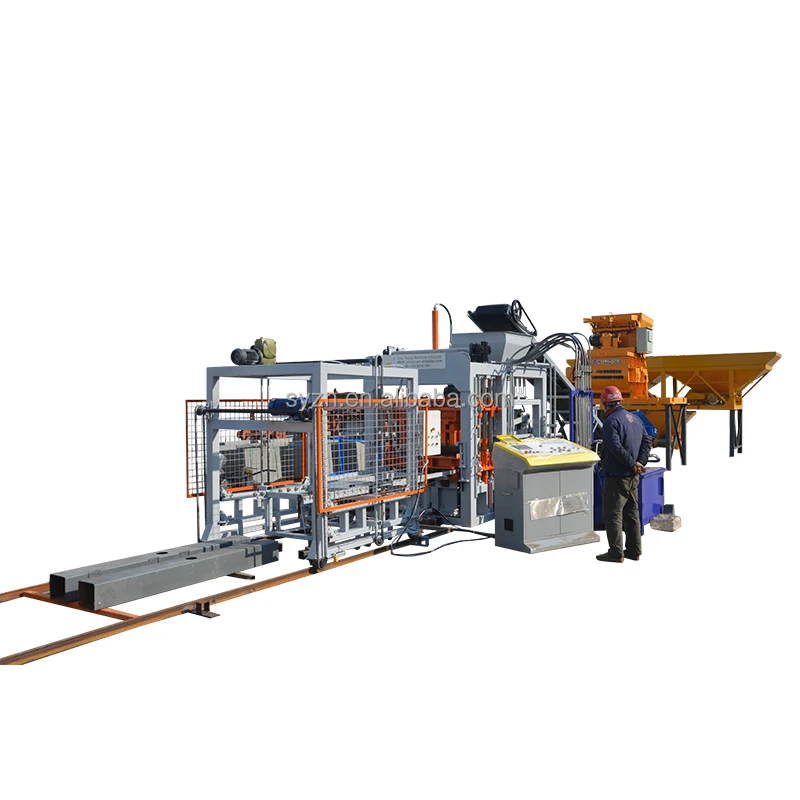
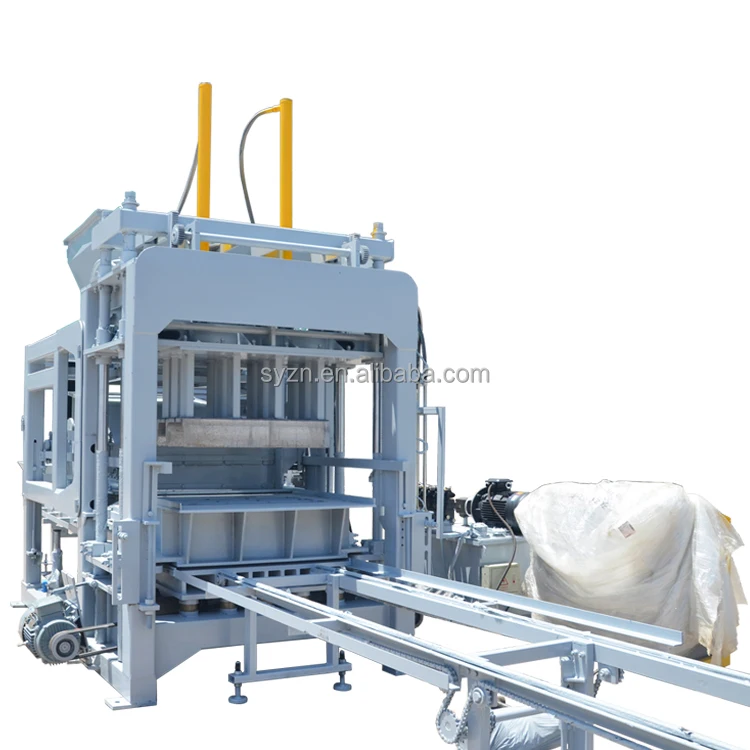
Stocked configuration — the QT7-15 block machine ships as a complete grouped line with pallet feeder, mixer, stacker and batching unit matched to one molding area, so container loading and dispatch timing stay predictable.
Technical Specifications
| Parameter | Value |
|---|---|
| Model | QT7-15 |
| Product Type | Automatic Hydraulic Block Making Machine |
| Host Machine Dimensions | 3200 × 2300 × 2750 mm |
| Host Machine Weight | 6 Tons |
| Molding Area | 1150 × 700 mm |
| Workshop Area | 200 ㎡ |
| Host Machine Power | 45 kW |
| Vibration Force | 100 kN |
| Pallet Size | 1150 × 700 × 25 mm |
| Voltage | 220 / 380 / 415 / 440 V (Customized) |
| Molding Period | 15 Seconds |
| Vibration Method | Hydraulic + Platform Vibration |
| Vibration Frequency | 2800–4500 Times/Minute |
| Control System | Siemens PLC with independently developed control program |
| Motor | Germany SIEMENS brand or CE standard brand |
| Travel Switch | France Schneider / Japan Omron |
| Mould Treatment | Heat treatment and carburizing, 54–58 HRC, lifespan over 100,000 cycles |
| Welding | Carbon dioxide protection welding |
| Grouped Equipment | Pallet feeder, brick receiver, hydraulic station, PLD1200 batching machine, JS500 mixer, conveyor belt, hydraulic trolley, SY-4 stacker |
| PLD1200 Batching Capacity | 1200 L weigh-batching hopper, 4 × 2.5 m³ storage, ±2% precision |
| JS500 Mixer | 800 L charging / 500 L discharging, 18.5 kW motor, 25 m³/h capacity |
| SY-4 Stacker | 3 kW, 600 kg, suitable for hollow block and pavers |
| Standards | CE (materials and spare parts selected to international CE standards) |
Application Suitability
| Application | Material or Output |
|---|---|
| Hollow block production | Crushed stone, cement, sand, fly ash |
| Solid block production | Dense aggregate blends with cement binder |
| Paving block production | Fine aggregate with pigment for color pavers |
| Interlock brick production | Interlocking geometry moulds on standard pallets |
| On-site construction block making | Project-based contractors producing locally |
Why Voltage Confirmation Must Happen Before Dispatch
The QT7-15 block machine in stock ships only after voltage and frequency are locked to the buyer’s destination — a step that takes minutes but prevents weeks of idle time on arrival.
A 415 V motor wired into a 380 V supply runs hot and trips protection relays within days. A PLC display set to a language the operator cannot read turns a simple fault into a full shift of guesswork. [NEED_CITE: voltage and frequency standards by export market]. These are not factory defects; they are communication gaps that happen when a buyer focuses on price and skips the confirmation checklist. Every export market has its own grid standard, and confirming before production is the cheapest insurance available.
Arrival Timing and Container Loading
Stock availability matters most when a construction deadline is fixed and the block machine must arrive before the wet season or a contract milestone. The QT7-15 block machine in stock arrives as a pre-matched set: the host machine, PLD1200 batching unit, JS500 mixer, conveyor and SY-4 stacker all fit within a standard container loading plan because their dimensions are coordinated at the factory, not assembled from separate supplier quotes. This eliminates the gap where the mixer arrives in week one and the stacker in week five, leaving a half-built line taking up workshop floor space.
Dismantling for Shipment and Reassembly Clarity
A block machine that ships fully welded is a machine that cannot fit through a container door. The host machine, hydraulic station and stacker are dismantled to documented bolt points, packed with photographs showing each sub-assembly orientation, and labeled so the on-site crew knows which hydraulic line connects where. [NEED_CITE: CE machinery directive requirements for industrial equipment]. The packing photographs are shared before dispatch so the buyer can verify nothing is missing while the container is still sealed. This removes the most common cause of installation delay: an unidentified part sitting in the wrong crate.
Molding Area, Pallet Size and the 15-Second Cycle
The 1150 × 700 mm molding area matches the 1150 × 700 × 25 mm pallet size exactly, meaning the buyer can measure their existing curing racks and forklift tines before the machine arrives and confirm compatibility. The 15-second molding period sets the rhythm the entire line must follow: the JS500 mixer at 25 m³/h must feed consistently, the PLD1200 batching machine at ±2% precision must deliver accurate loads, and the SY-4 stacker must clear finished pallets without creating a bottleneck. When any station falls out of sync, the press idles — and idle presses do not produce blocks. The vibration frequency range of 2800–4500 cycles per minute combined with 100 kN hydraulic vibration force determines block density, which is why the control program adjusts both parameters per mould format rather than applying a single default.
The Cost of Skipping Pallet and Forklift Verification
A pallet size chosen without checking the buyer’s existing forklift capacity leads to overloaded tines or pallets that cannot be lifted at all. When pallets do not match the curing rack spacing, blocks are stacked on the workshop floor by hand, turning an automatic line into a manual operation and negating the automation investment. [NEED_CITE: material handling standards for concrete block curing areas]. The pallet dimension is a fixed constraint that must be agreed before the machine is packed, not discovered when the first forklift driver refuses to move the load.
Why Buyers Source This Machine Here
Block machinery is the single product focus, so the QT7-15 block machine in stock is specified as one system — host, mould, pallet, mixer, batching and stacker — rather than a press sold alone with the buyer left to source everything else separately. Configuration is set against the buyer’s local aggregate and target block format, not a catalogue default. Moulds are designed to the formats the buyer’s market actually sells, with carburizing treatment to 54–58 HRC for predictable wear life. Dispatch lead time and container loading plans are quoted upfront so project timelines stay honest. Factory test records and packing photographs are shared before the container is sealed.
Documentation & Verification
- Machine specification sheet matching the grouped equipment list actually loaded into the container
- Mould drawing and format list confirming block dimensions and pallet count per cycle
- Voltage and control language confirmation record signed off before production begins
- Factory test record on the buyer’s selected block format before dispatch
- Hydraulic and electrical schematic with labeled connection points for on-site assembly
- Packing photographs showing dismantling state and crate orientation before sealing
Installation, Commissioning & Support
- 200 ㎡ workshop area confirmed against buyer’s floor plan including batching and mixer placement
- 45 kW host machine power and JS500 18.5 kW motor require dedicated circuits confirmed before energizing
- Voltage customized from 220 to 440 V verified at the panel before the first motor start
- Siemens PLC program set to buyer’s language preference before operator training begins
- Mould carburized to 54–58 HRC with wear parts list provided for first scheduled replacement
- SY-4 stacker positioning calibrated to pallet size 1150 × 700 mm during commissioning
What to Include in Your Inquiry
Share your target block format and the pallet size your existing curing racks and forklift can handle. Confirm your local voltage, frequency and the language your operators need on the PLC display. Provide your daily output target per block type so the batching and mixer capacity can be matched to the host machine cycle.
Frequently Asked Questions
Q: Is the QT7-15 block machine in stock, and what is the standard dispatch lead time?
A: The QT7-15 is maintained as a stocked model with grouped equipment pre-matched. Standard dispatch follows voltage confirmation, PLC language setting, and a factory test run on your selected block format. Lead time depends on current inventory and any custom mould inclusion, quoted at the inquiry stage before payment.
Q: Can the voltage and frequency be confirmed for my country before the machine ships?
A: Yes. The QT7-15 accepts 220, 380, 415, or 440 V configurations. Voltage and frequency are confirmed in writing before production or dispatch. The motor, hydraulic pump and PLC are all wired to the agreed standard, and a confirmation record is shared before the container is loaded.
Q: Does the 200 ㎡ workshop area include the batching machine and curing space?
A: The 200 ㎡ figure covers the host machine, pallet feeder, brick receiver, and stacker operating area. The PLD1200 batching machine at 12,000 × 2,200 × 2,500 mm and the JS500 mixer require additional floor space. Curing rack area depends on pallet turnover rate and is planned separately during layout design.
Q: Can the PLD1200 and JS500 keep up with the 15-second molding cycle?
A: The JS500 mixer delivers 25 m³/h and the PLD1200 batches at 56 m³/h theoretical capacity with ±2% precision. Whether they match the host machine cycle depends on block format and mix density. Capacity is calculated per format at inquiry so no station bottlenecks the press.
Q: Are moulds and hydraulic wear parts included in the first shipment?
A: A wear parts and mould list is provided with the quotation. Moulds are carburized to 54–58 HRC with a rated lifespan over 100,000 cycles. First replacement parts can be included in the initial container if agreed at order, preventing downtime when the first scheduled change falls due.