
Description
Stocked QT7-15 Units — dispatch lead times quoted before payment, so your project deadline dictates the schedule, not factory backlog.
Technical Specifications
| Parameter | Value |
|---|---|
| Model | QT7-15 |
| Product Type | Hydraulic Concrete Block Making Machine |
| Pallet Size | 1150×700 mm |
| Molding Cycle | 15–20 s |
| Overall Power | 45 kW |
| Vibration Force | 100 kN |
| Vibration Form | Platform Vibration |
| Vibration Frequency | 0–60 Hz |
| Total Mass | 8 T |
| Demolding Method | Hydraulic |
| Control System | PLC with touch screen interface, remote fault diagnosis |
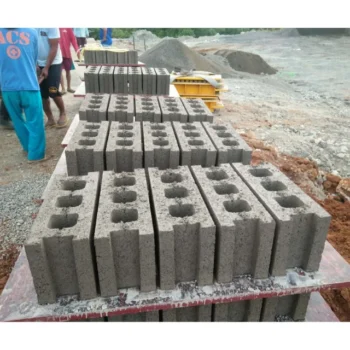
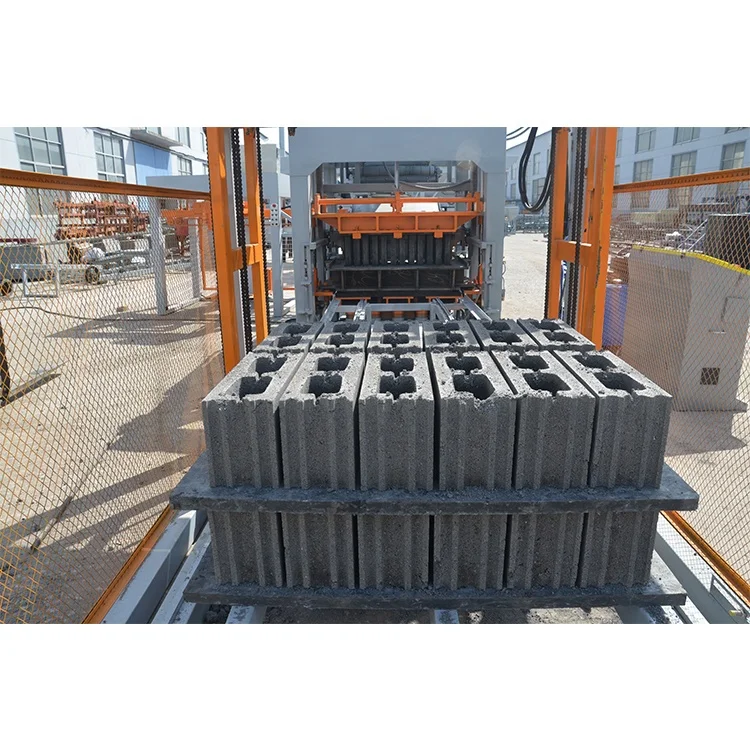
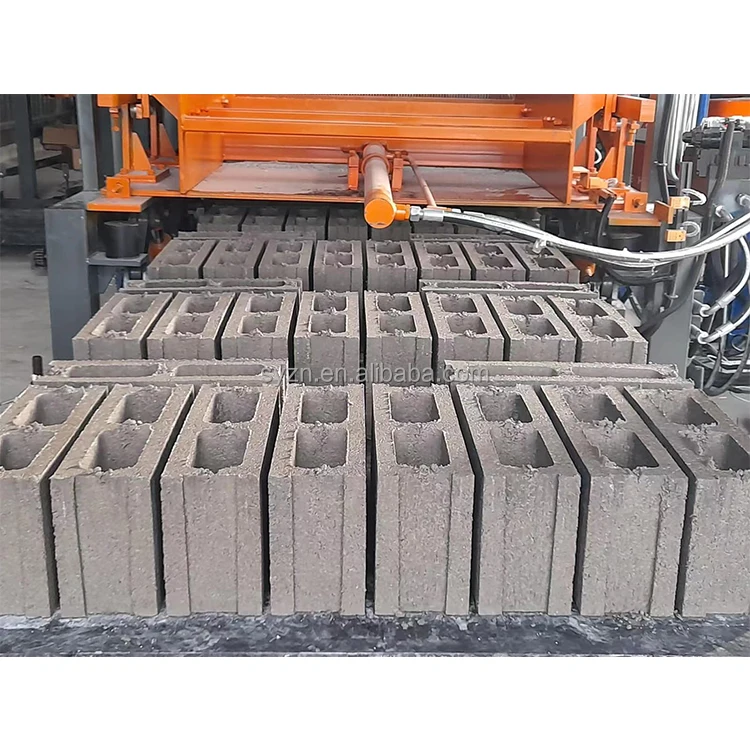
| Output Capacity (Hollow block 400×200×200 mm) | 1260–1680 pcs/h, 10080–13440 pcs/8 hr |
| Output Capacity (Hollow block 400×150×200 mm) | 1440–1920 pcs/h, 11520–15360 pcs/8 hr |
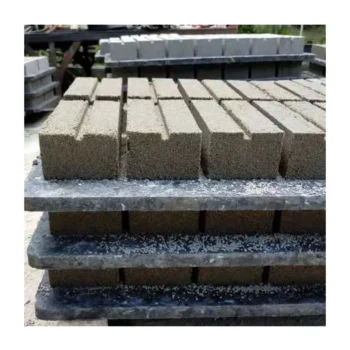
| Output Capacity (Rectangular brick 200×100×60 mm) | 3888–4860 pcs/h, 31104–38880 pcs/8 hr (molding cycle 20–25 s) |
| Mould Change System | Quick replacement for multi-format production |
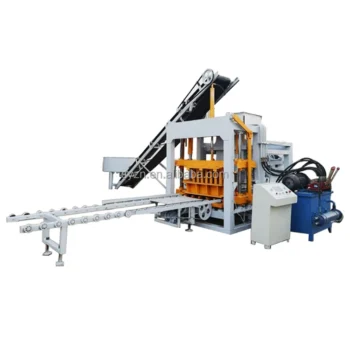
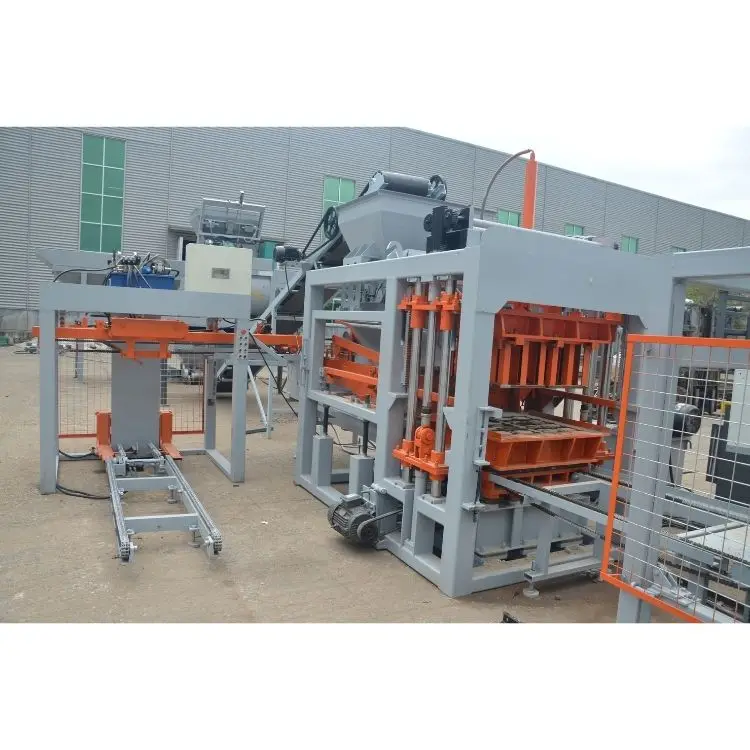
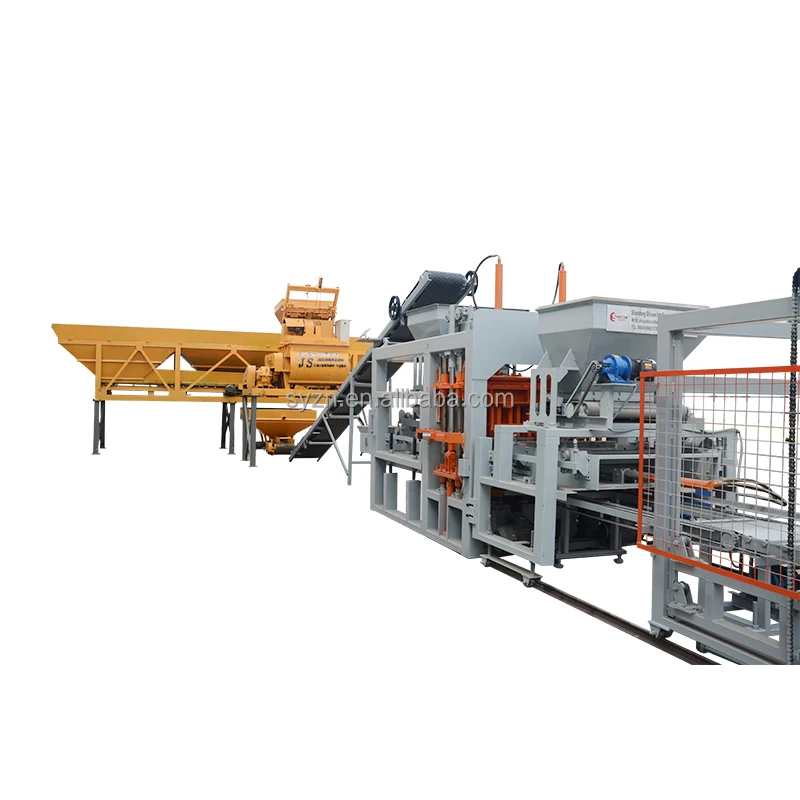
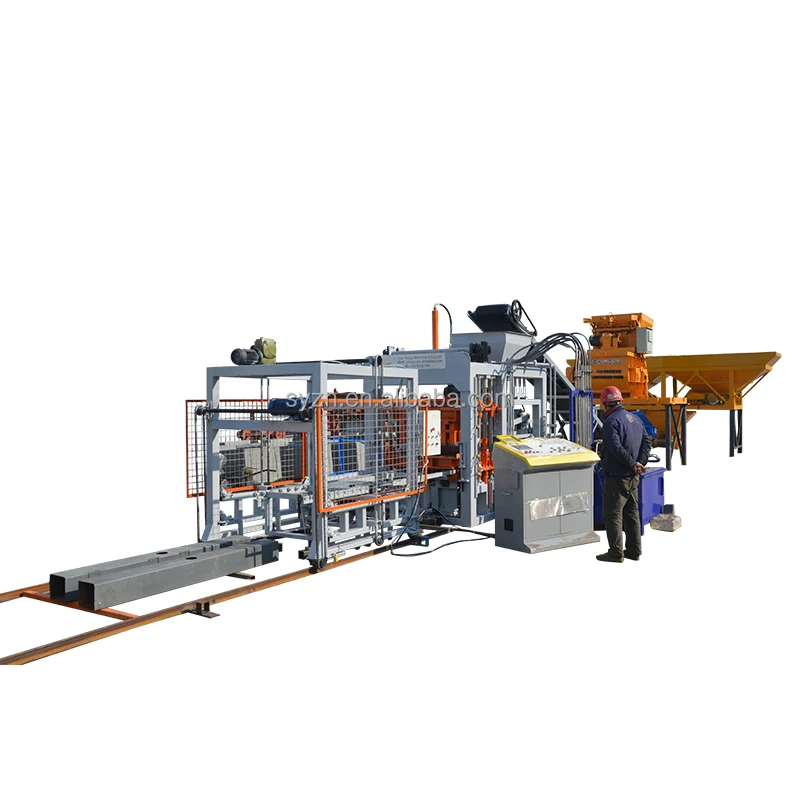
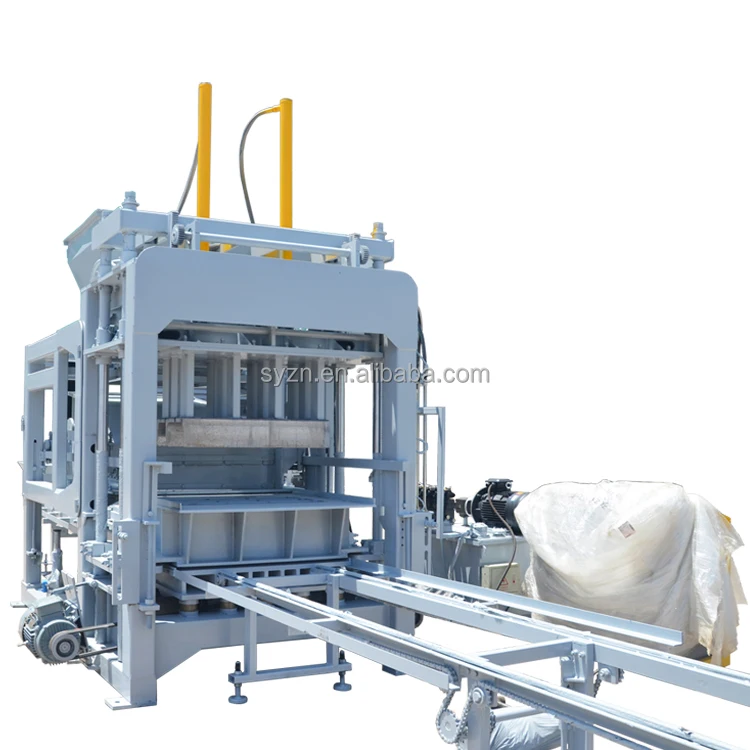
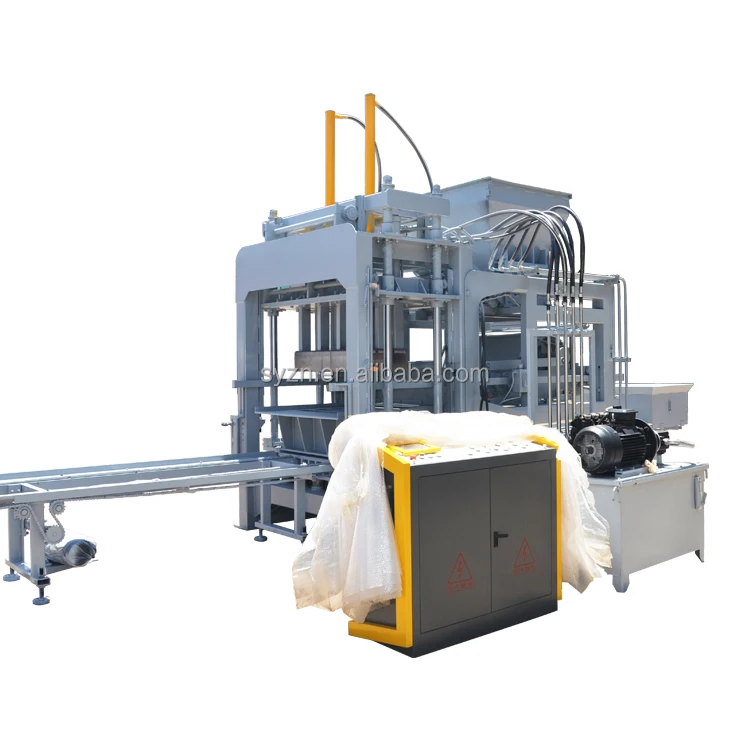
| Core Components | Pallet feed machine, block making machine, storage hopper, conveyor, hydraulic unit, PLC cabinet |
| Automation Level | Automatic, remote fault diagnosis capable |
| Warranty | 1 year for whole machine (excluding spare parts) |
| Voltage & Frequency | Configurable to destination market (confirm before dispatch) |
Application Suitability
| Application | Material or Output |
|---|---|
| Hollow block production (400×200×200 mm) | Crushed stone, cement, sand, and local aggregate blends |
| Hollow block production (400×150×200 mm) | Standard masonry aggregate mixes |
| Rectangular paving brick (200×100×60 mm) | Fine aggregate and cement for high-density pavers |
| Interlocking brick and kerbstone | Coarse aggregate with pigment where required |
| On-site contractor production | Mixed demolition aggregate and cement at project locations |
Why the Dispatch Date Matters More Than the Spec Sheet
When a housing development has a fixed handover date and the block supply chain is the critical path, waiting weeks for a machine to be built is a delay the project cannot absorb.
Confirming stock status and container loading plans upfront removes the biggest variable in your commissioning timeline.
I have watched contractors lose entire construction phases because a *embly after the deposit cleared. By the time it arrived and was commissioned, the crew had been reassigned and the penalty clauses were already in play. With a QT7-15 block machine in stock, the conversation starts with what is physically on the floor and when it can be dismantled for loading [NEED_CITE: standard container loading timelines for block machinery exports].
Stocked Configurations and Loading Realities
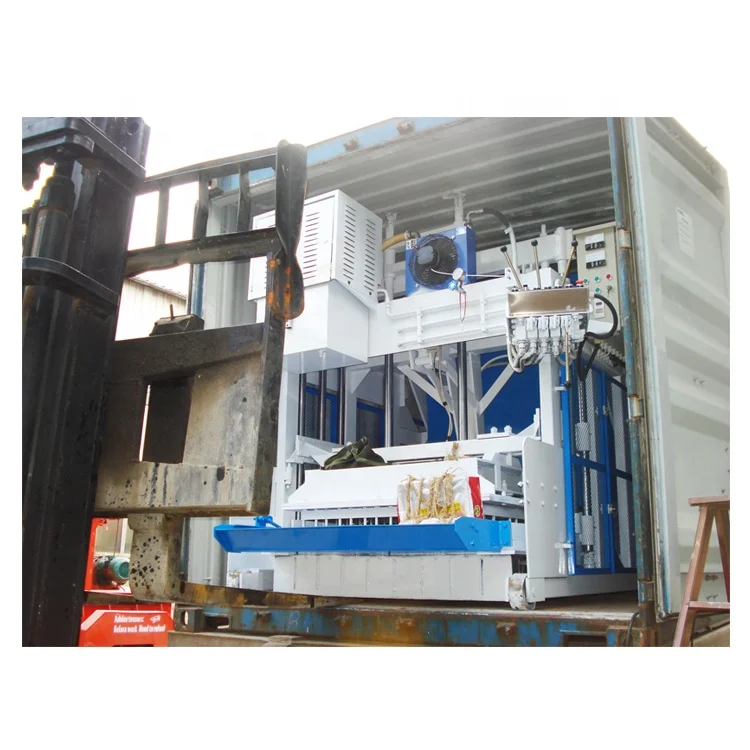
The QT7-15 block machine in stock status applies to standard configurations with the 1150×700 mm pallet format and core mould sets. When a unit is confirmed available, the pallet feed machine, storage hopper, hydraulic unit, and PLC cabinet are all matched and pre-tested together, not pulled from separate inventories. Container loading plans are quoted at the inquiry stage, specifying which components are dismantled for transit and how they are braced inside the container to prevent hydraulic line damage during ocean freight.
Arrival Estimates You Can Build Around
Once the QT7-15 block machine in stock is confirmed and the container is sealed, the transit window to your port is calculable based on origin and destination. Dispatch lead time includes the factory test record, packing photographs, and customs documentation preparation — these are not afterthoughts that delay the container release. For buyers working against a project start date, this sequence means the arrival estimate quoted at the order stage is based on physical readiness, not optimistic production scheduling [NEED_CITE: typical ocean freight windows from Shandong ports to major African and Southeast Asian destinations].
Reading the Specs That Actually Affect Your Site
The 100 kN vibration force combined with hydraulic demolding determines the green strength of every block leaving the press — this is what dictates whether blocks can be moved to the curing area without corner damage. The platform vibration system at 0–60 Hz allows the operator to dial in frequency based on the specific aggregate blend available locally; a coarse crushed-stone mix requires a different vibration profile than a fine-sand paver mix to achieve consistent compaction. The 1150×700 mm pallet size must match both the curing rack spacing and the forklift tine width already in use at the site, because changing pallet dimensions after installation means reconfiguring the entire curing layout.
The PLC touch screen interface with remote fault diagnosis means that when the hydraulic pressure reads outside tolerance at three in the morning, the error code can be transmitted to a technician without waiting for a physical visit. This capability shortens the gap between fault detection and resolution, which matters when daily output targets are tied to construction milestones.
What Happens When Voltage and Language Are Assumed
The most frequent commissioning delay I see is not mechanical — it is a PLC display running in a language the operator cannot read, or a hydraulic pump motor that overheats because the local supply frequency does not match what the factory wired. When voltage and frequency are not confirmed against the destination grid before the machine leaves the factory, the result is a unit that sits idle while a replacement motor or transformer is shipped internationally [NEED_CITE: voltage and frequency standards by export market]. The QT7-15 requires confirmation of three-phase voltage and frequency at the order stage so the electrical cabinet is built for the actual site conditions, not a default assumption.
Why Buyers Source This Machine Here
Block machinery as a single focus means the machine, mould, pallet, and handling equipment are specified as one matched system rather than assembled from separate suppliers who will point fingers when cycle times do not align. The QT7-15 configuration is set against the buyer’s actual mix design and local aggregate, not a catalogue default that assumes materials unavailable at the job site. Standard moulds for the formats that sell in the buyer’s market are stocked alongside the press, so the first production run happens days after commissioning rather than weeks after a separate mould shipment arrives. Dispatch lead time is quoted against physical stock, giving project planners a date they can put into a Gantt chart.
Documentation & Verification
- Factory test record showing cycle time on your specified block format before dispatch
- Packing photographs of dismantled components and container bracing before seal is applied
- Hydraulic and electrical schematic matching the confirmed voltage and frequency
- Voltage, frequency, and PLC display language confirmation document signed at order
- Customs documentation package prepared for destination-country import requirements
Installation, Commissioning & Support
- 45 kW total power requires dedicated three-phase circuit with confirmed voltage at the panel
- Machine dismantled into container-load sections with reassembly sequence documented
- Pallet size 1150×700 mm verified against curing rack and forklift before foundation is poured
- PLC touch screen calibrated with remote fault diagnosis link tested during commissioning week
- Mould change procedure trained on site with quick replacement system demonstrated per format
- Wear parts list supplied with hydraulic seals and vibration components identified by part number
What to Prepare Before Requesting a Quote
To give you an accurate dispatch date and arrival estimate, the conversation needs to start with the block format you will produce most frequently, the local aggregate type and source, and the three-phase voltage available at the site. If you have existing curing racks or forklifts, the pallet compatibility must be confirmed before a unit is allocated from stock. Specify the PLC display language required for your operators so the control cabinet is configured correctly before the container is sealed.
Frequently Asked Questions
Q: Which QT7-15 configurations are currently in stock and what is the dispatch lead time?
A: Standard configurations with the 1150×700 mm pallet format and core hollow block moulds are held in stock. Dispatch lead time is quoted at the inquiry stage based on physical availability, and includes factory testing, packing, and customs documentation preparation before the container is sealed for transport.
Q: How is the machine dismantled and loaded into containers for shipment?
A: The QT7-15 is dismantled into sections that fit standard container dimensions, with the hydraulic unit, PLC cabinet, and press frame separated and braced to prevent transit damage. A packing photograph set is provided showing the loading configuration before the container doors are closed and sealed.
Q: What is the estimated arrival time from dispatch to my destination port?
A: Arrival time depends on the destination port and current shipping schedules from Shandong. Once the container is sealed and dispatched, the transit window is calculable and quoted so that site preparation and commissioning crews can be scheduled against a confirmed date.
Q: Are standard moulds shipped together with the machine or ordered separately?
A: Standard moulds for common hollow block and rectangular brick formats are typically shipped in the same container as the machine. Custom mould designs based on buyer drawings follow a separate production lead time that is confirmed before the order is placed.
Q: What voltage and frequency options are confirmed before the machine leaves the factory?
A: The three-phase voltage and frequency are confirmed against your site electrical supply at the order stage, and the PLC cabinet is built to match. This confirmation is documented so that the machine arrives ready to connect without requiring an on-site transformer or motor replacement.