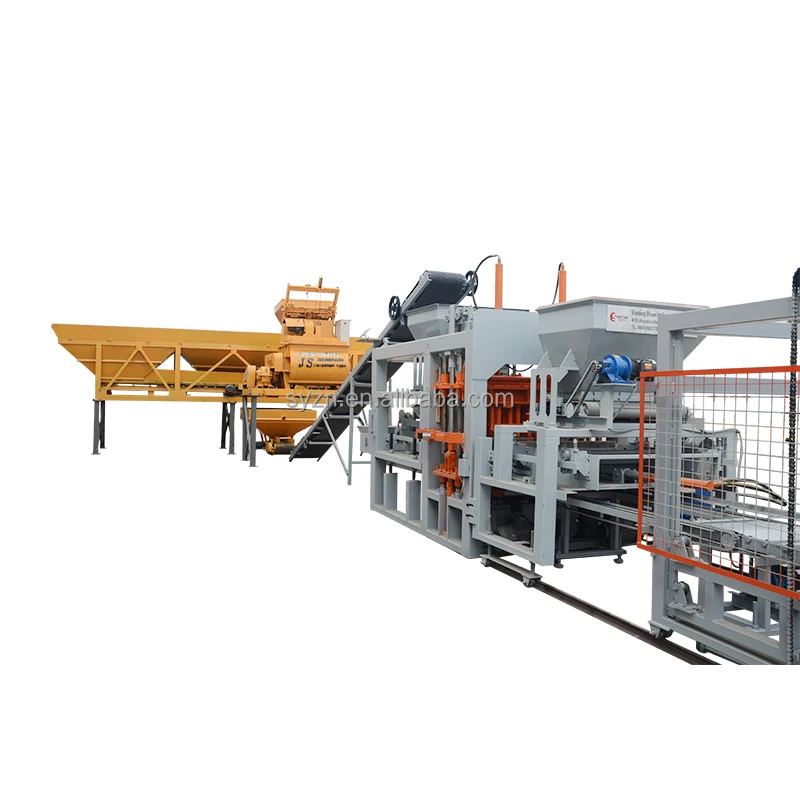

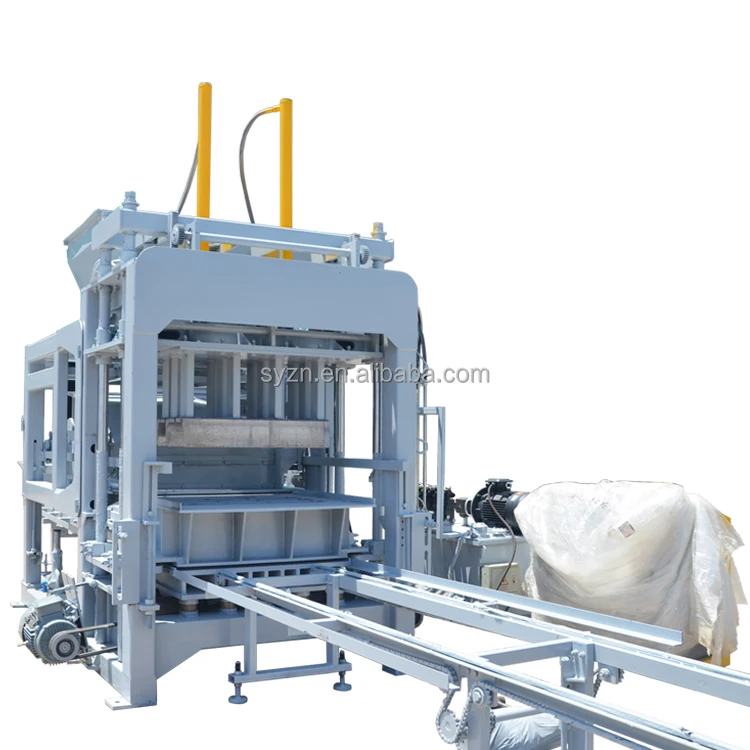
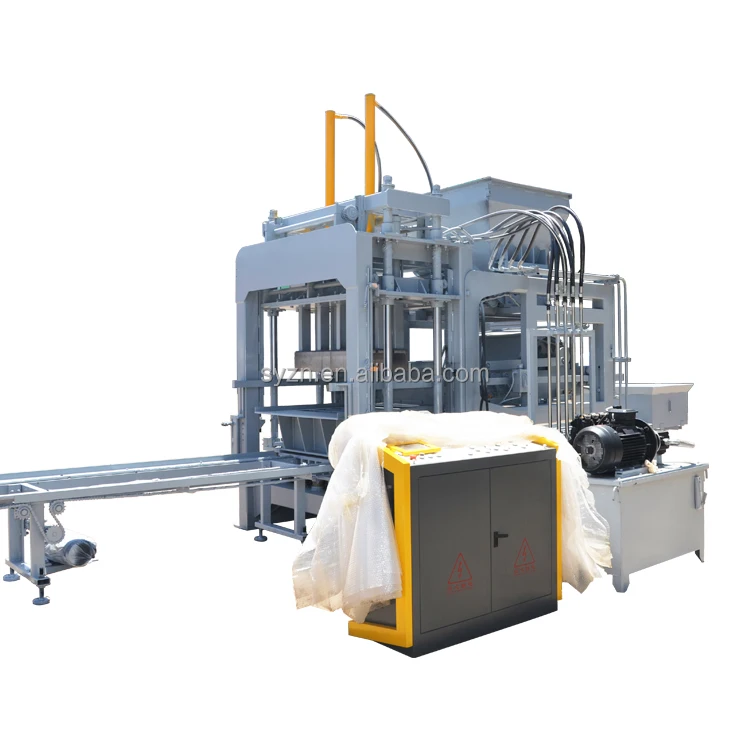
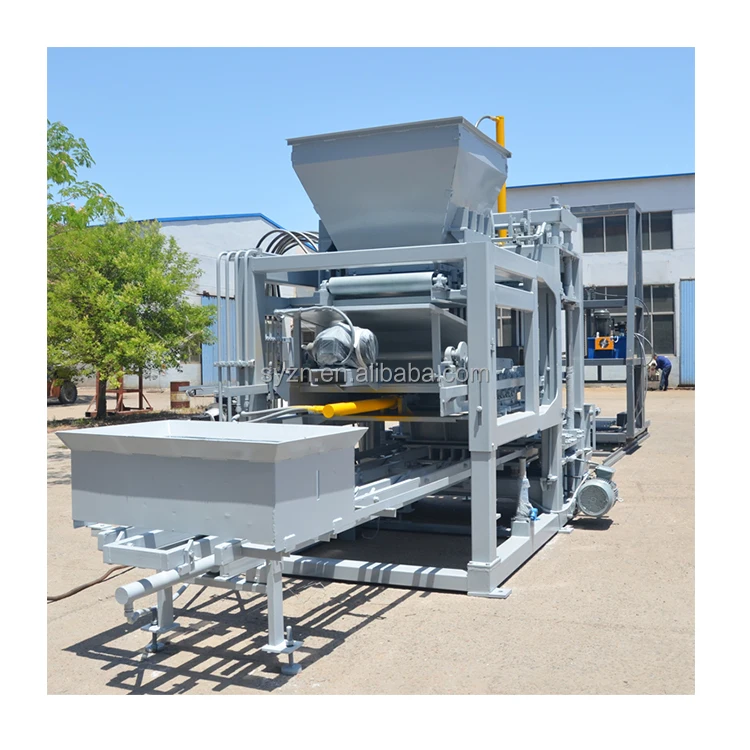
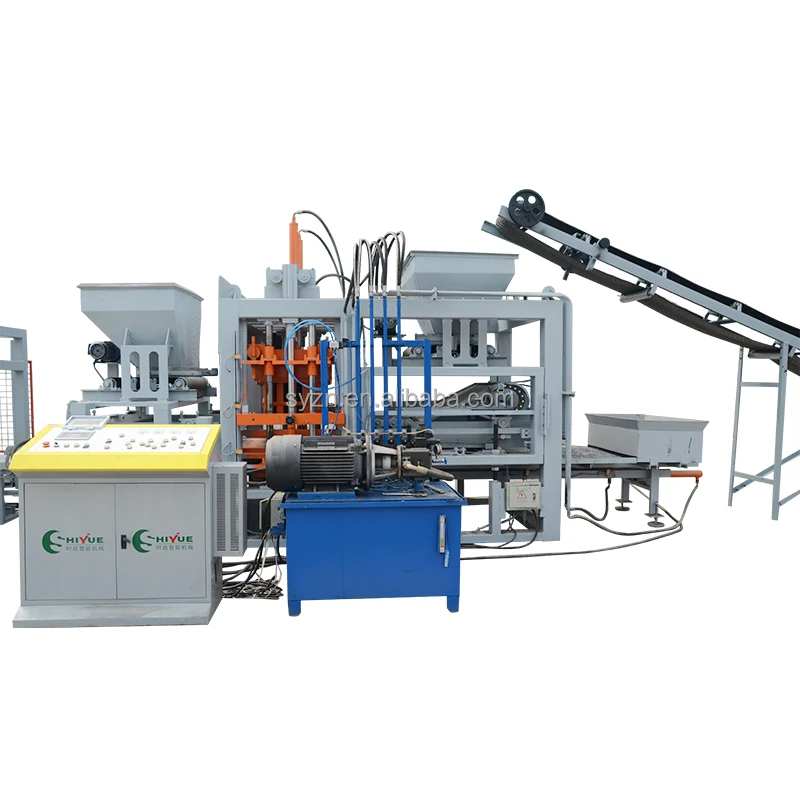
Description
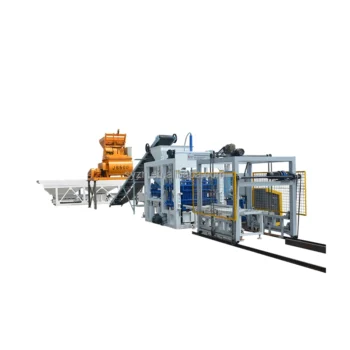
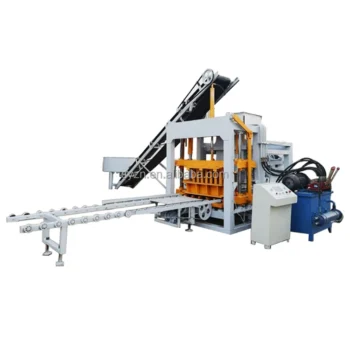
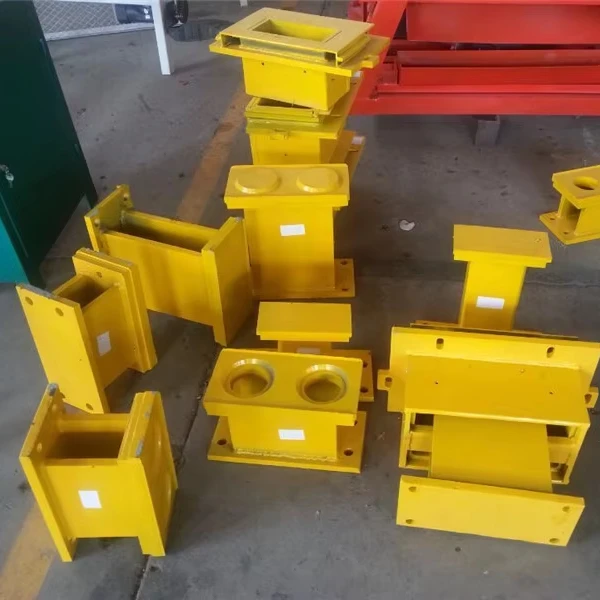
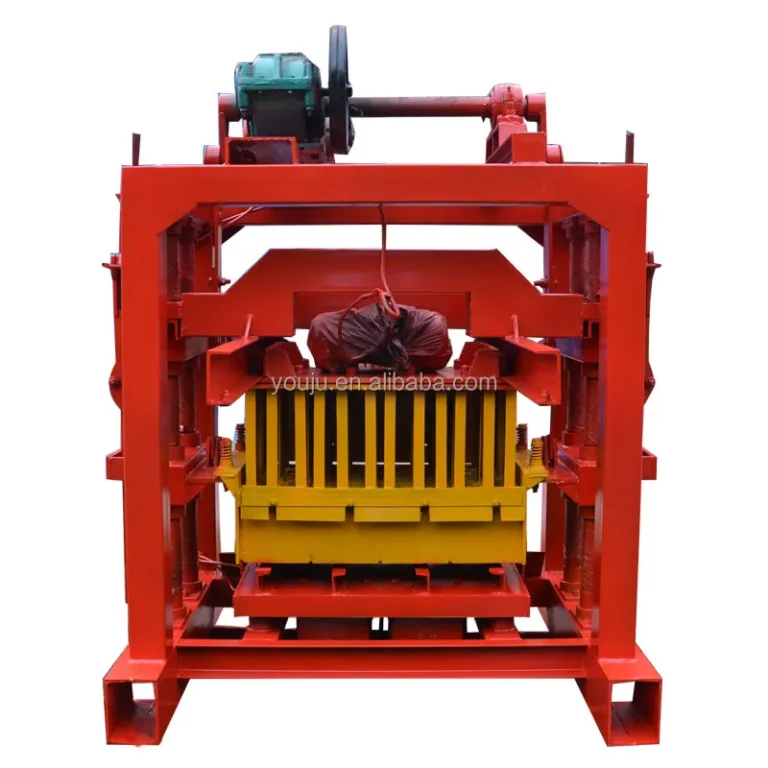
Matched System Supply — every QT7-15 block machine in stock leaves with pallets, moulds and handling gear sized to the same production line, not assembled from separate vendors.
Technical Specifications
| Parameter | Value |
|---|---|
| Model | QT7-15 |
| Product Type | Hydraulic Block Making Machine |
| Pallet Size | 1150 x 700 mm |
| Molding Cycle | 15–20 s (basis not stated in source — confirm block format / material / thickness) |
| Overall Power | 45 kW |
| Vibration Force | 100 kN |
| Vibration Frequency | 0–60 Hz |
| Vibration Form | Platform Vibration |
| Total Mass | 8 T |
| Demolding Method | Hydraulic |
| Control System | PLC with touch screen interface, remote fault diagnosis |
| Output Capacity | 1260–1680 pcs/h based on 400×200×200 mm hollow block (7 pcs/mould) |
| Output Capacity | 1440–1920 pcs/h based on 400×150×200 mm hollow block (8 pcs/mould) |
| Output Capacity | 3888–4860 pcs/h based on 200×100×60 mm rectangular brick (27 pcs/mould) |
| Mould Change | Simple replacement system for multi-format production |
| Automation Level | Automatic with PLC intelligent control |
| Standards | CE declaration (where applicable) |
Application Suitability
| Application | Material or Output |
|---|---|
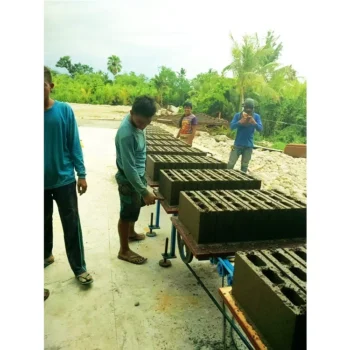
| Hollow block production | Crushed stone, cement, sand aggregate mixes for structural and partition walls |
| Multi-cellular brick production | Lightweight aggregate or fly ash blends for thermal insulation masonry |
| Paving brick production | High-density concrete mixes for walkways, driveways and municipal surfaces |
| Standard solid brick production | Conventional cement and sand mixes for load-bearing construction |
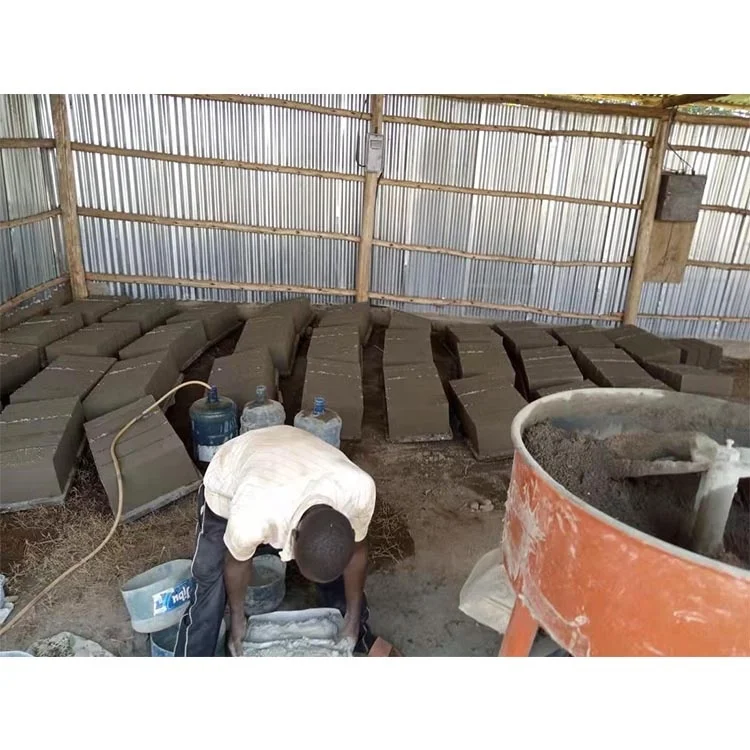
| On-site contractor production | Temporary block yards at housing or infrastructure project locations |
What "In Stock" Actually Means for Your Deadline
A QT7-15 block machine in stock still needs the right moulds, pallets and voltage configuration matched before the container doors close.
I once watched a Middle East contractor lose two weeks because the QT7-15 hydraulic brick making machine arrived with a mould that didn’t suit the high-clay local aggregate. The machine was physically ready, but the production line wasn’t. Stock availability only solves the lead-time half of the problem; the configuration half determines whether the machine runs on day one [NEED_CITE: on-site commissioning delays from mismatched mould and aggregate]. That gap between warehouse readiness and site readiness is where most deadline projects quietly slip.
Dispatch Readiness Beyond the Crate
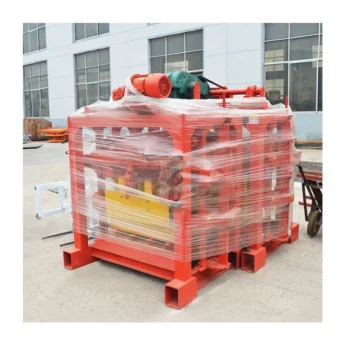
The QT7-15 block machine in stock sits dismantled into press frame, hydraulic station, pallet feeder and control cabinet — each sub-assembly secured against container movement. Before dispatch, every unit undergoes a factory test run that verifies vibration frequency response across the 0–60 Hz range, hydraulic demolding stroke, and PLC touch screen communication. Packing photographs document each component’s position inside the container so your receiving crew knows the unloading sequence before the doors open.
Arrival Timeline Quoted at Order
Once your QT7-15 block machine in stock is confirmed, the dispatch lead time and port-to-port transit estimate are written into the order documents. You receive the container number and vessel schedule as soon as the booking is made, so your site team can plan foundation curing, power connection, and operator availability around a known arrival date. This eliminates the guesswork that turns a two-week port stay into a month-long storage bill [NEED_CITE: container demurrage costs at destination ports].
Reading the Specs That Decide Daily Output
The 100 kN vibration force working through platform vibration determines how densely the aggregate compacts before the hydraulic ram completes demolding. If your local mix contains a high proportion of fine sand, the vibration frequency must be tuned toward the upper end of the 0–60 Hz band to achieve sufficient particle rearrangement; coarser crushed stone responds better at mid-range frequencies. The 1150×700 mm pallet size is not arbitrary — it defines the maximum block footprint per cycle and must align with the curing racks and forklifts already on your site. A mismatched pallet forces manual restacking, which quietly erases the cycle-time advantage the machine was supposed to deliver. Meanwhile, the 45 kW overall power draw requires a dedicated circuit with adequate voltage stability; undersized transformers cause the PLC to fault during peak vibration draws [NEED_CITE: voltage drop effects on hydraulic block machine PLC systems].
The Cost of Ignoring Pallet and Mould Compatibility
Buyers focused on dispatch speed sometimes accept whatever pallet size and mould set happen to be paired with the stocked machine. If those pallets don’t match your existing curing rack slots, workers spend every shift transferring blocks by hand — a task that consumes labour and damages green blocks before they reach curing strength. An ill-chosen mould produces blocks the local market doesn’t buy, leaving you with inventory and no revenue while you wait for a replacement mould to be manufactured and shipped [NEED_CITE: mould lead time impact on block plant profitability].
Why Source This Machine Here
Block machinery is the single production focus, so the QT7-15 is specified alongside its pallets, moulds and handling equipment as one matched system rather than sourced from separate suppliers. The configuration is validated against the buyer’s actual mix design and target block format, not a catalogue default. Standard moulds for hollow, solid, paving and interlocking formats ship from stock, and custom mould drawings are supported when the local market demands a format outside the standard range. Automation level is selectable, allowing a buyer to start with semi-automatic pallet handling and add automatic stacking later. Installation support includes on-site commissioning and operator training so the crew understands PLC fault codes and mould change procedures from the first production day.
Documentation & Verification
- Line layout with capacity calculation stating which block format each figure assumes
- Machine specification sheet with confirmed voltage, frequency and PLC display language
- Mould drawing and format list for every mould included in the shipment
- Factory test record covering vibration, hydraulic pressure and PLC function before dispatch
- Packing photographs showing component placement inside the container
- Operation and maintenance manual with wear parts and mould replacement list
Installation, Commissioning & Support
- Foundation pad sized to the QT7-15 press footprint and 8 T operating mass
- Dedicated 45 kW power circuit with voltage and frequency confirmed before shipment
- Machine arrives dismantled; reassembly sequence documented in packing photographs
- First-run commissioning verifies molding cycle, vibration frequency and PLC parameters
- Operator training covers mould change procedure, fault diagnosis and daily maintenance
- Wear parts and mould list provided so spares can be ordered before first replacement is due
Before You Request a Quote
Send the block formats your market actually sells — hollow, solid, paving or interlocking — along with the target daily output for your primary format. Confirm the local aggregate type and any existing cement or fly ash sources so the mould and vibration settings can be matched before dispatch. State your site voltage, frequency and preferred PLC display language to avoid commissioning delays after the container arrives. If you already have curing racks and forklifts, share their dimensions so the 1150×700 mm pallets can be verified as compatible.
Frequently Asked Questions
Q: Which QT7-15 models and standard moulds are currently in stock?
A: Standard QT7-15 press units are held in the warehouse alongside hollow, solid and paving block moulds in the most commonly ordered sizes. Pallet stocks in the 1150×700 mm format are replenished continuously. For non-standard mould formats, a manufacturing lead time applies, which is confirmed at the quotation stage so your delivery plan stays accurate.
Q: What is the typical dispatch lead time from order confirmation?
A: Once voltage, PLC language and mould selection are confirmed, a stocked QT7-15 can be dismantled, packed and moved to the port within a typical multi-week window. The exact dispatch date is written into the order confirmation so your logistics team can book the vessel and arrange destination clearance without guesswork.
Q: How is the machine prepared for container shipment and what is included?
A: The press frame, hydraulic station, pallet feeder and control cabinet are dismantled and secured inside the container. Standard moulds, a set of pallets, and the PLC control panel ship in the same load. Packing photographs are shared before the container is sealed so your receiving team knows the unloading sequence.
Q: Can I receive arrival estimates before placing the order?
A: Yes. Port-to-port transit estimates for your destination are provided at the quotation stage, based on current vessel schedules. Once the container is booked, you receive the container number and sailing date so your site team can plan foundation work, power connection and operator availability around a confirmed timeline.
Q: What documentation comes with the machine at dispatch?
A: Each shipment includes the machine specification sheet, mould drawings, factory test record, hydraulic and electrical schematics, operation and maintenance manual, wear parts list, and packing photographs. CE declaration documents are supplied where applicable. Voltage and PLC language confirmation records are included to support local compliance checks.