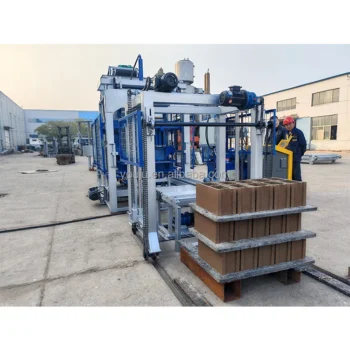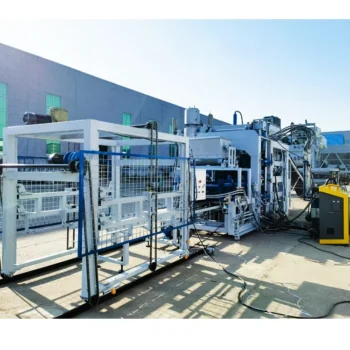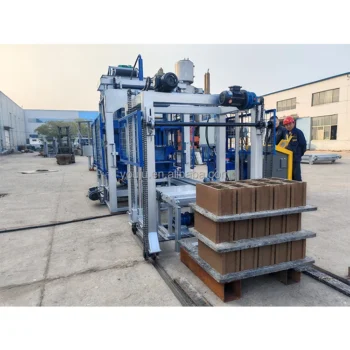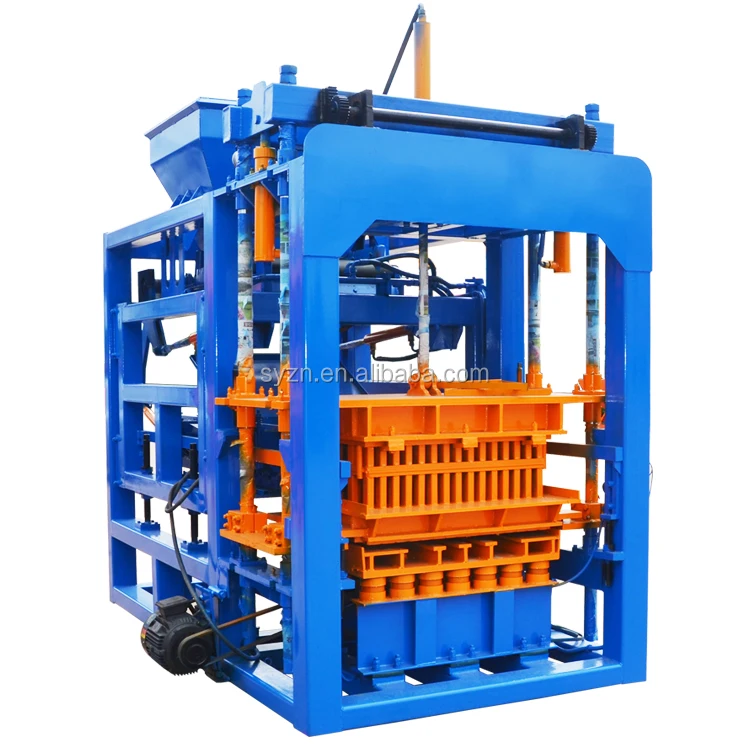
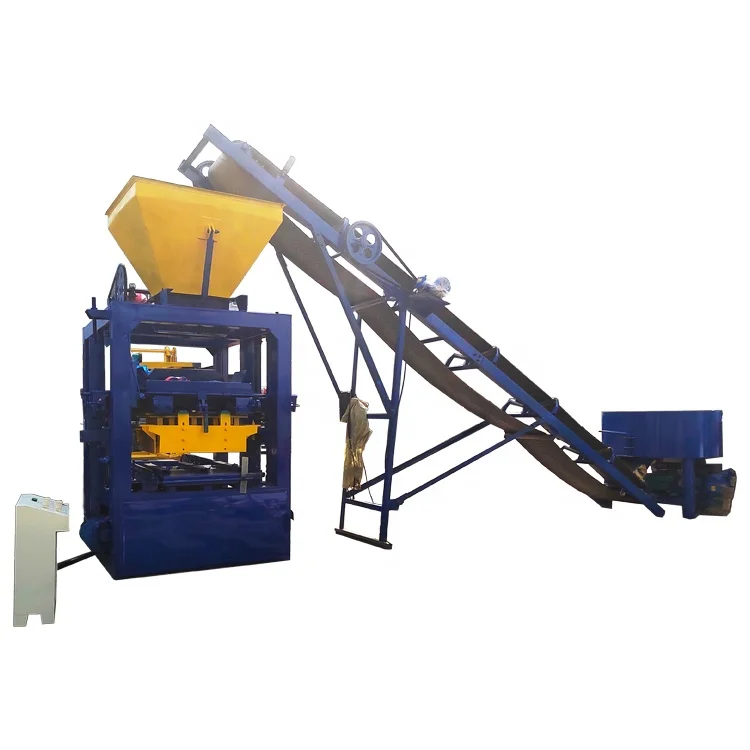
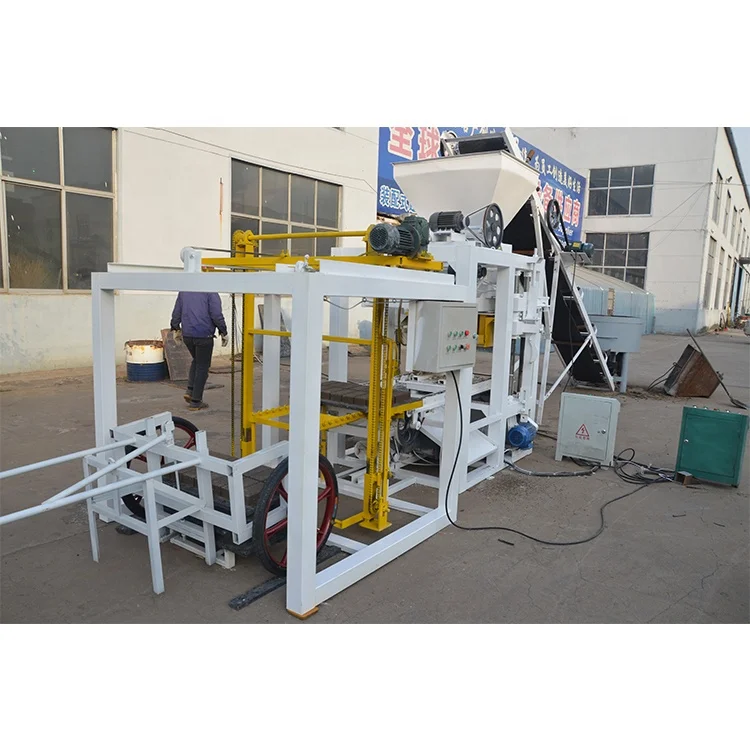
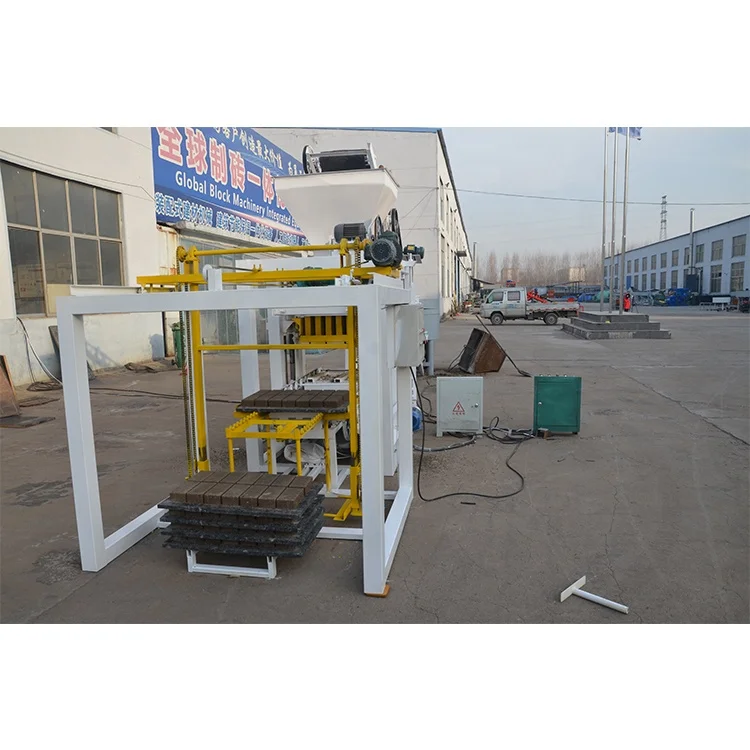
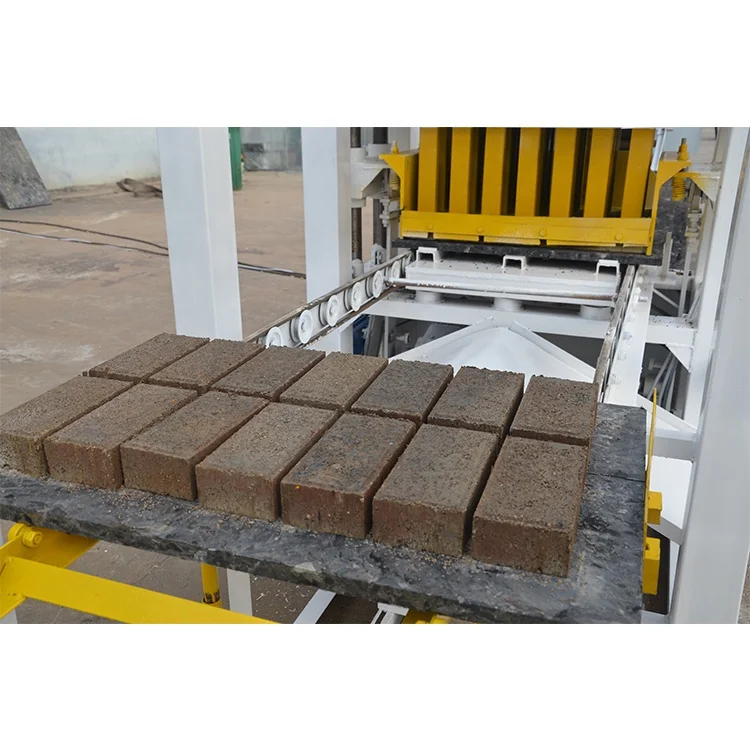
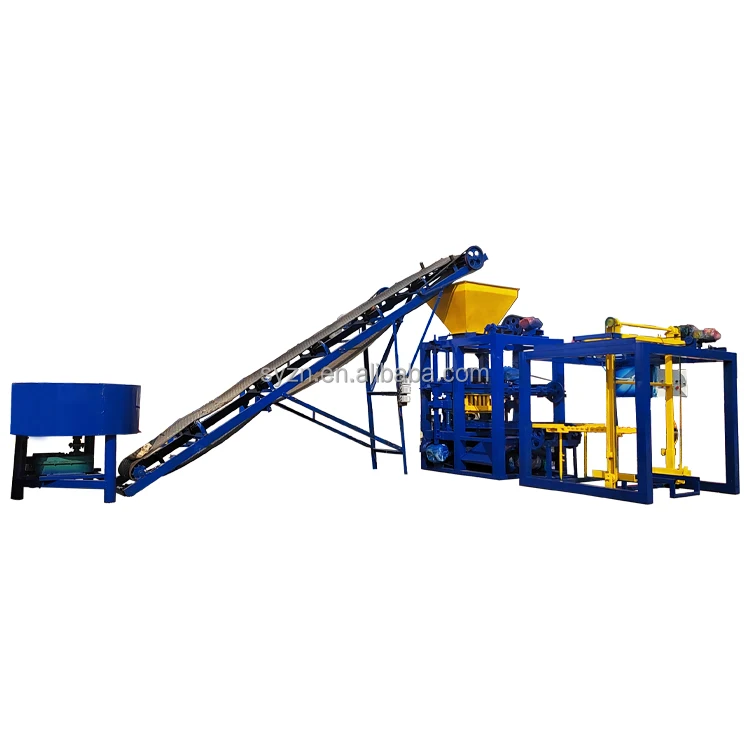
Description
Proven Dispatch Readiness — every QTJ4-24 is cross-checked against destination voltage and frequency standards before leaving our Linyi warehouse, so it powers up on arrival instead of sitting idle for weeks.
Technical Specifications
| Parameter | Value |
|---|---|
| Model | QTJ4-24 |
| Product Type | Semi-Automatic Concrete Block Making Machine |
| Molding Method | Mechanical vibration press |
| Overall Power | 11.95 kW |
| Vibration System | 2 × 3 kW lower vibrators + 2 × 1.5 kW upper vibrators |
| Vibration Force | 45 kN |
| Molding Cycle | 24–26 s (basis to be confirmed) |
| Overall Dimensions | 3600 × 1700 × 2560 mm |
| Pallet Size | 850 × 450 mm |
| Total Mass | 2 T |
| Material Feeding | Full-automatic spiral material distribution |
| Mold Lifting Reducer | 350-type |
| Raw Materials | Cement, sand, stone |
| Block Formats | Hollow bricks, interlocking bricks, paving bricks, solid bricks |
| Automation Level | Semi-automatic |
| Voltage & Frequency | Configurable — confirm before shipment |
| Control System | To be confirmed per destination market |
| Output Capacity | Format-dependent (basis to be confirmed) |
| Hydraulic Pressure | Not applicable (mechanical press) |
| Warranty | 1 year (excluding spare parts) |
Application Suitability
| Application | Material or Output |
|---|---|
| Small-scale hollow block plant | Cement, sand, crushed stone mix for 100–200 mm hollow blocks |
| On-site block production for housing projects | Local aggregate blended with cement for solid and hollow formats |
| Paving and interlocking brick supply | Fine sand and cement for surface-grade pavers |
| First block plant for entrepreneurs | Low-investment semi-automatic setup across multiple block formats |
Why the Voltage Question Should Come Before the Price
The fastest way to stall a QTJ4-24 block machine in stock project is discovering a voltage mismatch after the container clears customs.
When a buyer focuses on lead time and price but leaves electrical specs for later, the machine can arrive with a motor wound for 380 V / 50 Hz while the local grid runs 220 V / 60 Hz. I have watched entire shipments sit at port for weeks waiting for a replacement motor or a step-up transformer, burning through the project float the buyer was counting on. [NEED_CITE: voltage and frequency standards by export market] Confirming the three-phase supply and control voltage at inquiry stage takes one email, yet it prevents delays that no amount of fast dispatch can recover.
Container Loading and Dispatch Sequence
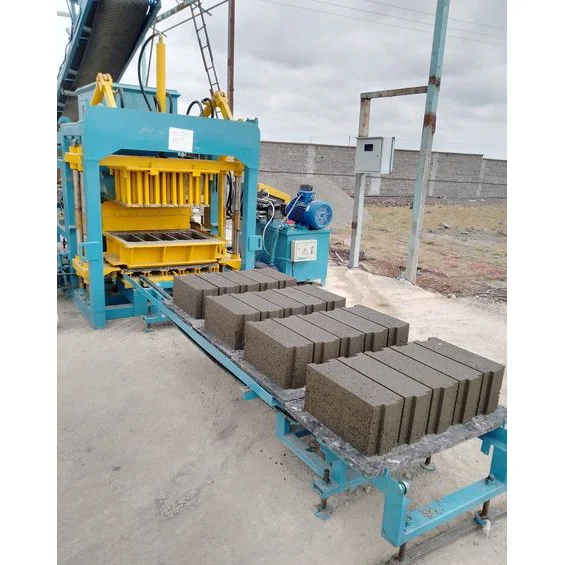
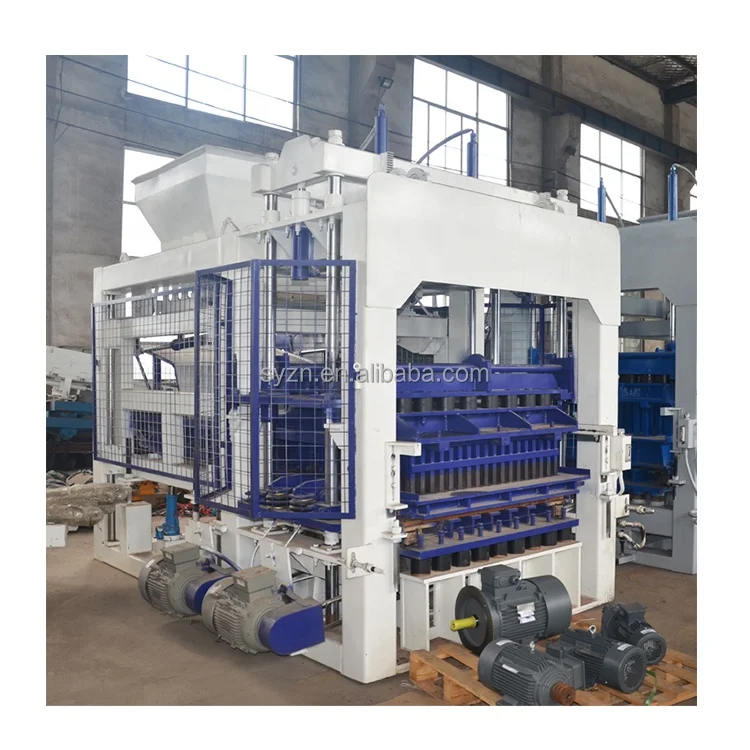
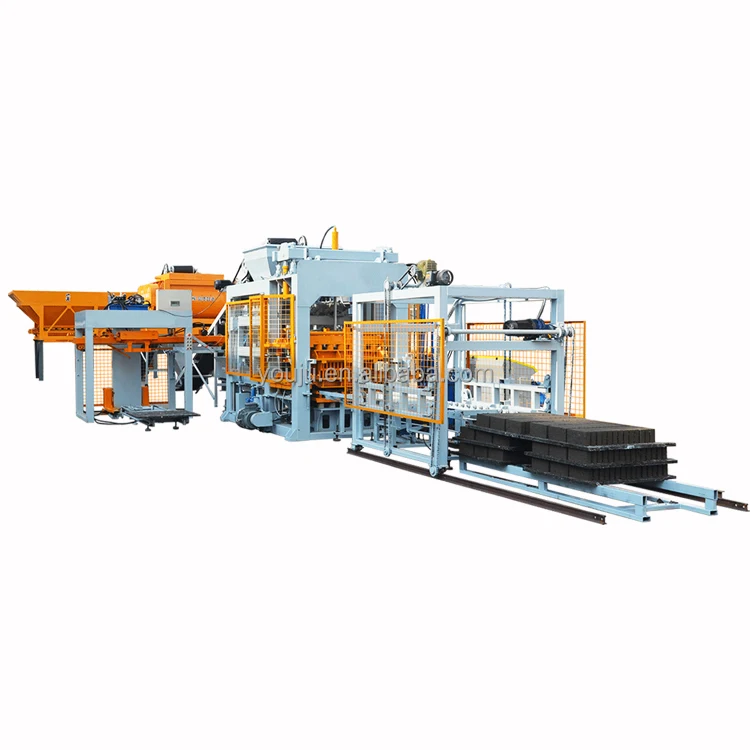
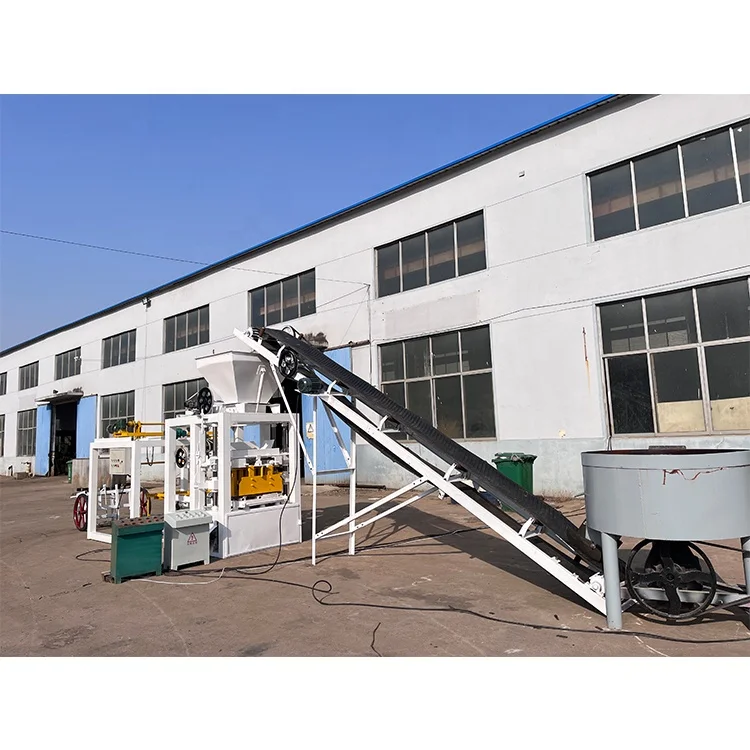
A stocked QTJ4-24 block machine in stock is dismantled into press frame, vibration table, feeding hopper, and control cabinet for container loading. Each assembly is bolted rather than welded, which keeps dismantling and re-assembly straightforward at the destination. Pallets and moulds are packed flat alongside the main frame to maximize cube utilization inside a standard 20-foot container. Dispatch lead time is quoted at inquiry, not buried in fine print.
Arrival Timing and Port-to-Site Logistics
From order confirmation, the typical path runs through factory test, container stuffing, inland haulage to port, and ocean transit. [NEED_CITE: typical ocean freight transit windows from Qingdao to major African and Southeast Asian ports] We provide an arrival estimate at quotation stage so the buyer can schedule foundation curing and electrical rough-in to match. Delays usually come from documentation gaps or customs inspections, not from the factory floor, which is why customs paperwork is prepared alongside the packing list.
What the Numbers on the Nameplate Actually Mean
The 11.95 kW overall power figure covers four vibration motors, the spiral feeder drive, and the mold lifting reducer. Lower vibrators at 3 kW each deliver the bulk of compaction energy into the mix, while the 1.5 kW upper vibrators settle the surface. The 45 kN vibration force, combined with the mechanical press action, determines block density and early demolding strength. The 850 × 450 mm pallet size should match the curing rack spacing and forklift tine width the buyer already has on site; ordering pallets separately without checking those dimensions is a common source of delay. The 350-type reducer on the mold lift is sized for continuous cycling and reduces gear wear compared to lighter reducer classes often fitted on machines in this output tier.
What Happens When Electrical Specs Are Left to Chance
A motor wound for the wrong frequency runs hotter and draws more current, tripping breakers within the first shift. Control components rated for 50 Hz may fail prematurely on a 60 Hz supply, and replacing them on site means sourcing parts locally in a market that may not stock the exact contactor or relay. [NEED_CITE: effects of frequency mismatch on induction motor winding temperature] The cost is not just the part — it is the crew standing around an idle machine while the project schedule slips.
Why Buyers Source This Machine Here
Block machinery is our single focus, so the press, mould, pallet, and handling equipment are specified as one matched system rather than assembled from separate suppliers. Configuration is set against the buyer’s actual mix design and local aggregate, not a catalogue default. Mould design covers the formats the buyer’s market sells, and custom drawings are available. Automation level is selectable, so a buyer can start with semi-automatic operation and upgrade later. Installation support includes operator training, and wear parts lists are provided before shipment.
Documentation & Verification
- Factory test record run on your specified block format before dispatch
- Electrical schematic showing confirmed voltage, frequency, and control language
- Mould drawing and format list matched to your product range
- Packing photographs taken at container loading for your records
- Customs documentation package prepared alongside shipping paperwork
Installation, Commissioning & Support
- Foundation pad poured to match the 3600 × 1700 mm footprint before arrival
- Dedicated three-phase circuit sized for the 11.95 kW total draw with isolation switch
- Frame, vibration table, and hopper reassembled on site using bolted joints
- First production run supervised to confirm molding cycle and block density
- Operator training covers mould change procedure and daily vibration motor checks
- Wear parts list and mould inventory supplied for first replacement cycle
What We Need to Quote Your Shipment
Tell us the block formats you plan to run, your local three-phase voltage and frequency, and the port of discharge. With those three details we can confirm whether the QTJ4-24 block machine in stock currently in the warehouse matches your electrical requirements, calculate container loading, and provide an arrival estimate tied to your project timeline.
Frequently Asked Questions
Q: What is the current stock status and fastest dispatch lead time for QTJ4-24?
A: The QTJ4-24 is held as a standard stocked model. Dispatch lead time depends on whether the unit in the warehouse already matches your voltage and frequency requirements or needs motor and control component swaps. We confirm the exact timeline at inquiry once your electrical specs are on file.
Q: How is the machine dismantled and loaded into a container for shipment?
A: The press frame, vibration table, feeding hopper, and control cabinet are unbolted separately. Pallets and moulds are stacked flat. All assemblies fit into a standard 20-foot container. We share packing photographs at loading so you can verify the shipment before the container is sealed.
Q: What voltage and frequency options are available from stock?
A: Standard warehouse units are typically configured for common three-phase industrial supplies. If your destination market runs a different voltage or frequency, motors and control components are swapped before dispatch. We confirm compatibility against your local grid parameters at the quotation stage.
Q: How long from order confirmation to arrival at destination port?
A: The timeline covers factory test, container loading, inland haulage to port, and ocean transit. We provide an arrival estimate when we quote, so you can align foundation work and electrical installation with the expected delivery window rather than guessing.
Q: Are pallets and standard moulds included in the stocked package?
A: Pallets sized at 850 × 450 mm and moulds for the formats you specify are included. We confirm the mould format list and pallet quantity at inquiry so the package matches your production plan and curing area layout from day one.