
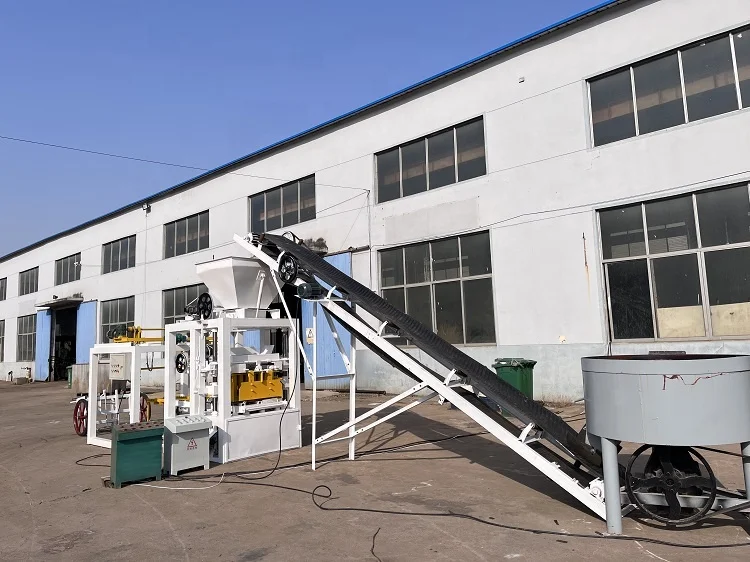

Description
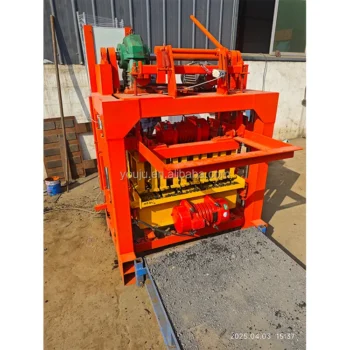
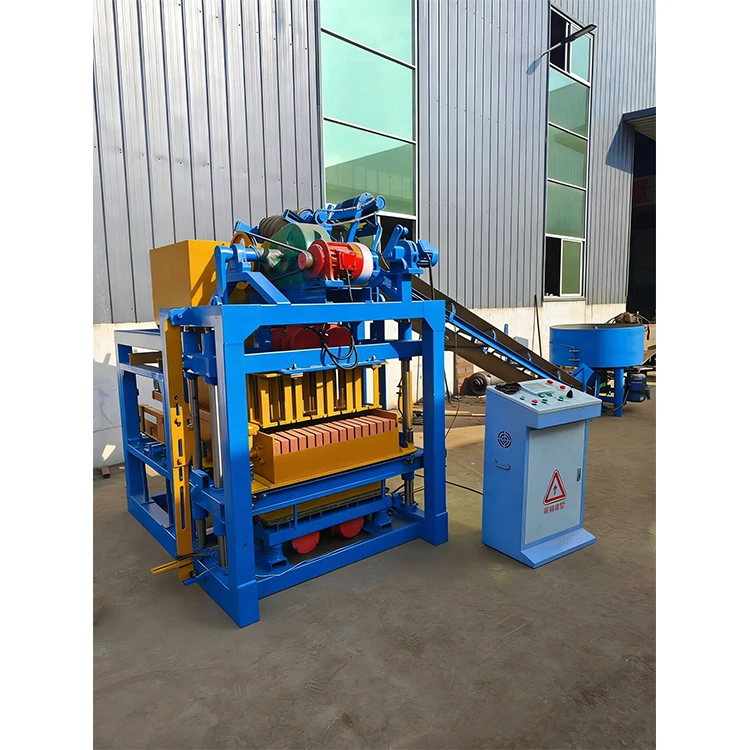
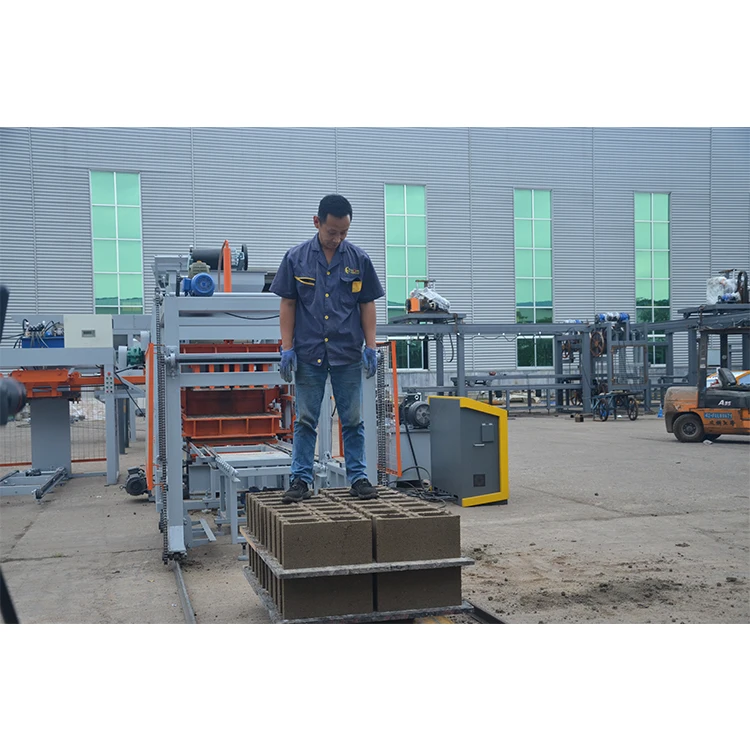
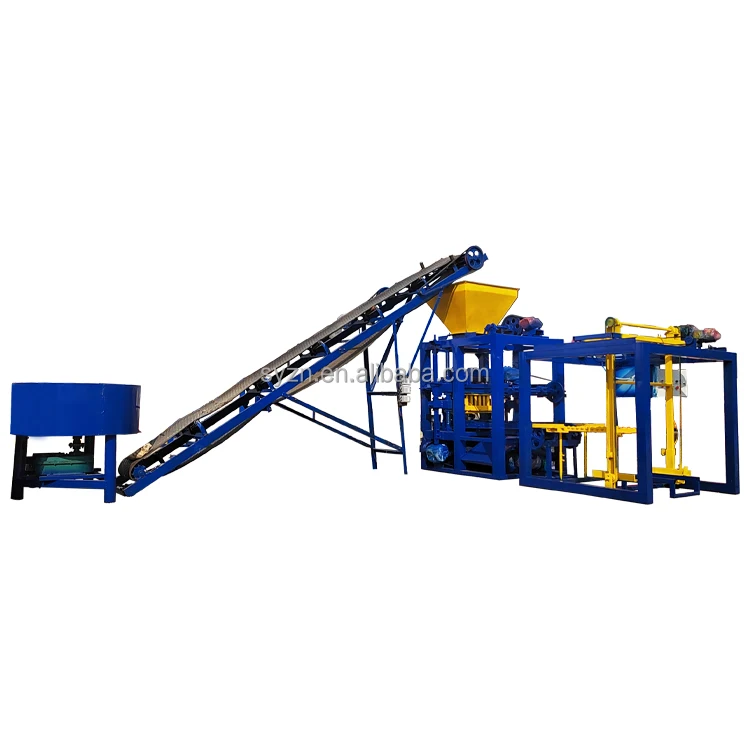
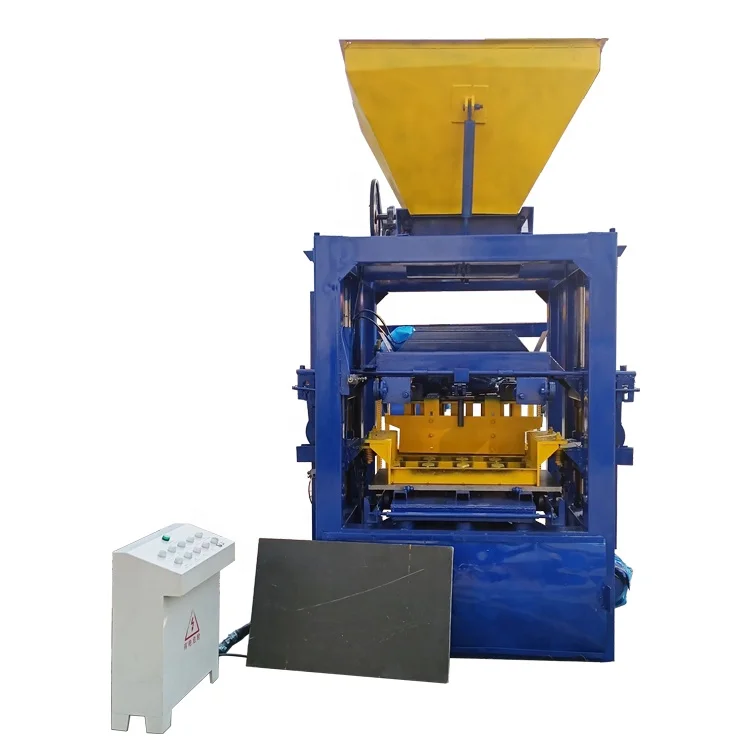
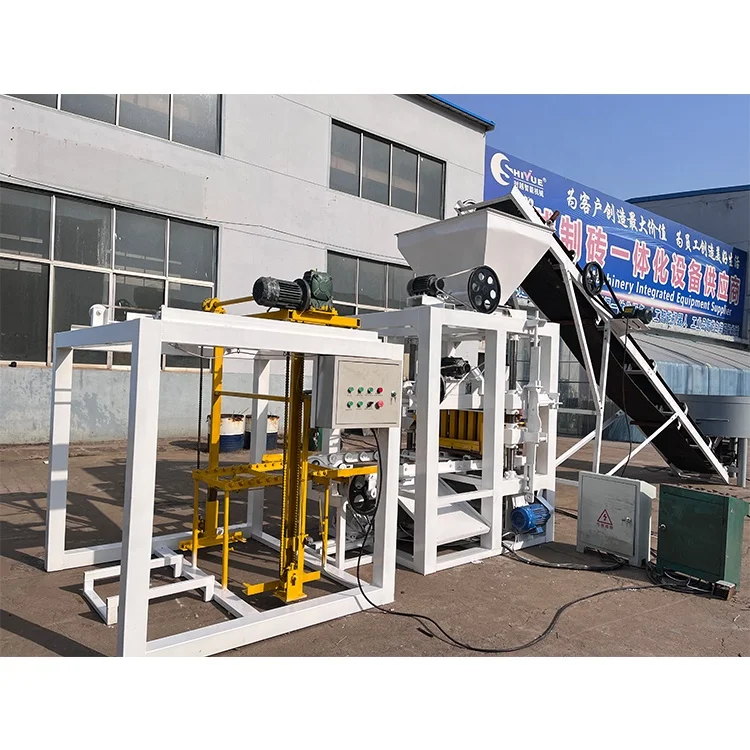
Stock-Ready Dispatch — QTJ4-24 semi-automatic block machine held in inventory with container loading plans confirmed before payment, so project-deadline buyers receive upfront arrival timelines instead of shifting lead dates.
Technical Specifications
| Parameter | Value |
|---|---|
| Model | QTJ4-24 |
| Product Type | Semi-Automatic Concrete Block Making Machine |
| Overall Dimensions | 3600 × 1700 × 2560 mm |
| Pallet Size | 850 × 450 mm |
| Molding Cycle | 24–26 s (basis to be confirmed by block format) |
| Overall Power | 11.95 kW |
| Vibration Force | 45 kN |
| Total Mass | 2 T |
| Molding Method | Mechanical |
| Upper Vibrators | 2 × 1.5 kW |
| Lower Vibrators | 2 × 3 kW |
| Reducer for Mold Lifting | 350-type |
| Material Feeding | Full-automatic spiral material distribution |
| Raw Materials | Cement, sand, stone |
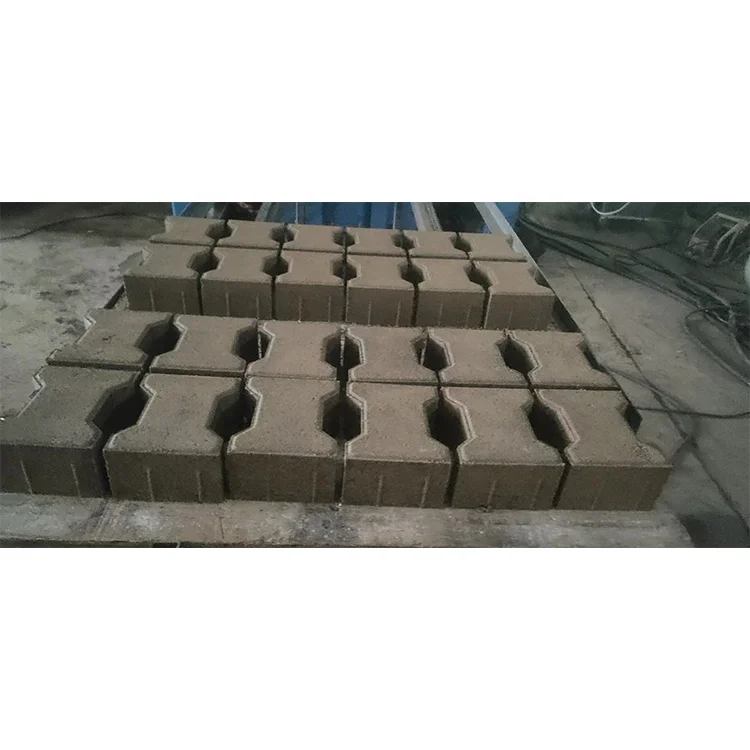
| Block Formats | Hollow blocks, solid blocks, interlocking bricks, paving bricks |
| Automation Level | Semi-automatic |
| Voltage & Frequency | Configurable (to be confirmed before dispatch) |
Application Suitability
| Application | Material or Output |
|---|---|
| Small to medium block production plants | Hollow and solid blocks from cement, sand, and crushed stone |
| On-site production for construction contractors | Interlocking bricks and paving bricks using local aggregates |
| First block plant for entrepreneurs | Standard formats with mechanical molding and semi-automatic feed |
| Building material distributors | Regional restocking of proven stationary block machines |
Why the Voltage Question Must Come Before the Crate
A stocked QTJ4-24 semi-automatic block machine in stock fast delivery means nothing if the motor winding does not match the site grid.
Buyers focused on dispatch speed sometimes defer electrical confirmation until the machine arrives. The QTJ4-24 draws close to 12 kW across its upper and lower vibrators, and a mismatch between the configured voltage and the local supply forces a standstill that no amount of urgency can fix on site. I have seen machines sit unpowered on curing yards while electricians source step-down transformers or rewind stators — weeks lost on projects that were already running late. Confirming voltage, frequency, and phase at the inquiry stage keeps the arrival estimate honest [NEED_CITE: voltage and frequency standards by export market].
Dispatch Timelines That Hold Up After Payment
When a buyer asks for a QTJ4-24 semi-automatic block machine in stock fast delivery, the real question is whether the quoted arrival date survives the container booking process. Stocked units are dismantled to a predefined layout so that the main frame, vibration table, and mold assembly fit a standard container without cutting into curing racks or pallets. The packing photograph set shows the exact orientation and bracing before the crate closes.
Arrival Estimates Quoted Before the Wire Transfer
A credible lead time includes port transit, customs clearance buffer, and inland haulage to the project site. Dispatch dates are confirmed against the current shipping schedule for the destination port, not a generic estimate. Buyers receive a written arrival window tied to the sailing date, keeping site preparation and foundation work aligned with the machine’s actual landing [NEED_CITE: typical container transit windows by major trade lane].
How Vibration Force and Mechanical Molding Shape Block Density
The 45 kN vibration force is delivered through two 1.5 kW upper vibrators and two 3 kW lower vibrators acting on the 850 × 450 mm pallet. In mechanical molding, the vibration compacts the cement-sand-stone mix while the mold head applies pressure from above. The 24–26 second cycle time assumes a standard hollow block profile; thicker or denser formats may require longer vibration to achieve full compaction. The 350-type reducer handles the mold lifting stroke, reducing wear on the guide rails over extended production runs. Full-automatic spiral material distribution ensures each cycle draws a consistent volume of raw mix, preventing light spots that weaken block corners.
What Happens When Pallet Size Is Ignored at Order Stage
Choosing a pallet dimension without checking the curing yard layout forces manual restacking after the blocks leave the machine. The 850 × 450 mm pallet must match the spacing of existing curing racks and the fork pocket width of the site forklift. Mismatches mean blocks are handled twice before they reach the truck, adding labour and breakage that no cycle time figure can offset [NEED_CITE: pallet handling losses in small block plants].
Why Buyers Source the QTJ4-24 Here
Stock availability is confirmed in writing with the dispatch date, not a catalogue promise. The machine, mold, and pallet are specified as one matched set, so the 850 × 450 mm pallet and the vibration table arrive aligned. Container loading plans are shared before shipment, showing how the 2 T frame is braced for ocean transit. Voltage and control language are locked in at the quotation stage, preventing the commissioning delays that stall site startup. Every stocked unit ships with a factory test record covering the vibration table run-in and mold cycle check.
Documentation & Verification
- Factory test record covering vibration table run-in and mechanical mold cycle before dispatch
- Packing photographs showing container bracing and dismantling layout for the QTJ4-24
- Voltage, frequency, and phase confirmation sheet signed before crate closure
- Operation and maintenance manual in the buyer’s specified control language
- Wear parts list matched to the shipped mold format and reducer type
Installation, Commissioning & Support
- Foundation pad leveled for 3600 × 1700 mm footprint with anchor bolt template provided
- Dedicated 12 kW circuit with confirmed voltage and phase before the QTJ4-24 is energized
- Vibration table and mold assembly reassembled on site with guide rail alignment checked
- 350-type reducer inspected and lubricated before the first production cycle
- Operator training covers spiral feed calibration and pallet loading sequence
What to Include in Your Inquiry
Provide the destination port and the site grid voltage and frequency so the motor and control panel are wound correctly before dispatch. Specify the block format and daily output target so the mold and cycle time are matched to your actual product mix. Confirm the pallet size compatibility with your existing curing racks and forklift to avoid double handling on arrival.
Frequently Asked Questions
Q: Which QTJ4-24 units and mold formats are currently in stock?
A: Stocked configurations cover standard hollow block and solid block molds sized for the 850 × 450 mm pallet. Available formats are confirmed at inquiry, along with the specific mold drawing and cycle time for each. Interlocking brick and paving brick molds are stocked separately and can ship with the main frame in the same container.
Q: How is dispatch lead time calculated and when does it start?
A: Lead time starts from payment receipt and confirmed voltage specification. It includes machine preparation, container loading, and the sailing schedule for the destination port. Arrival estimates are quoted upfront with the booking confirmation, not adjusted after shipment.
Q: How is the QTJ4-24 dismantled for container loading?
A: The main frame, vibration table, and mold assembly are separated to fit a standard container without cutting structural members. Bracing and orientation are documented in packing photographs shared before the crate closes, so the buyer sees the exact loading layout.
Q: Are standard molds and wear parts included in the stock package?
A: The standard mold for the chosen block format ships with the machine. Wear parts such as vibrator mounts and reducer seals are listed separately so the buyer can order spares to match the first replacement interval at the site.
Q: What customs documentation is provided for export shipment?
A: Commercial invoice, packing list, and certificate of origin are prepared for the destination market. The factory test record and CE declaration where applicable are included in the document set to support customs clearance at the port of entry.