
Description
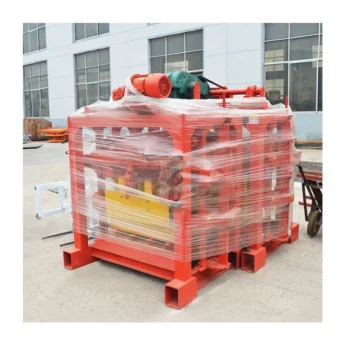
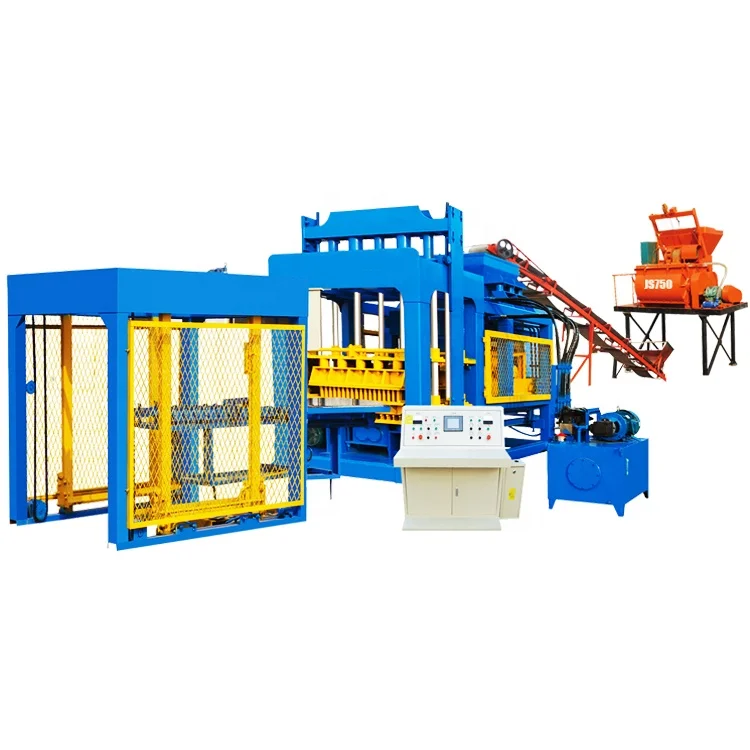
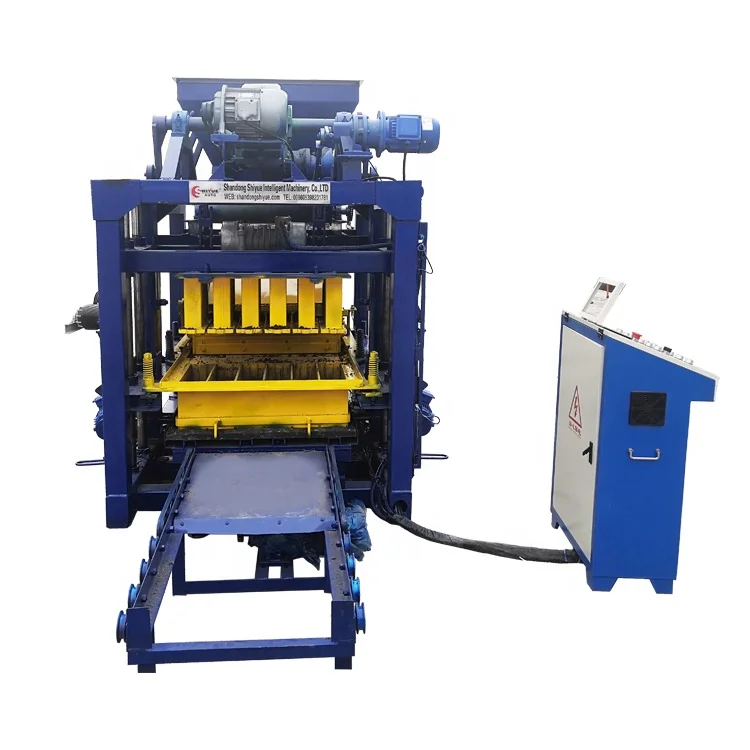
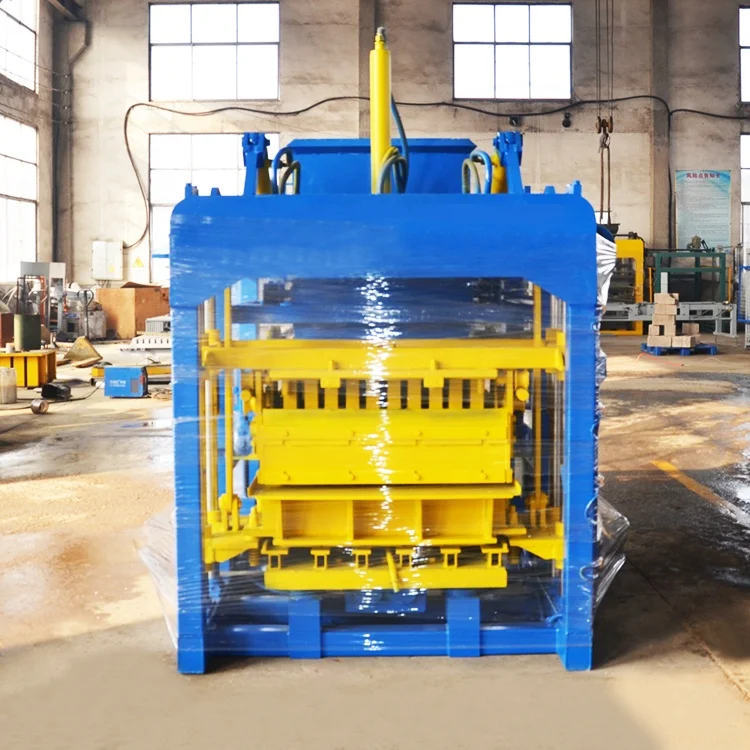
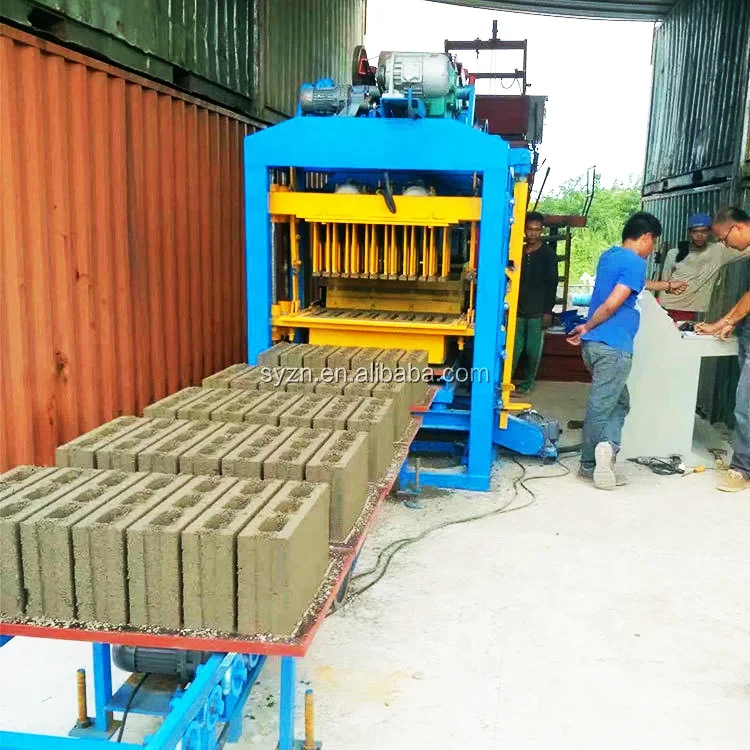
Stocked Dispatch — QTJ4-25 units staged for container loading with voltage and PLC language locked to buyer specification before doors are sealed.
Technical Specifications
| Parameter | Value |
|---|---|
| Product Type | Automatic Concrete Block Making Machine |
| Model | QTJ4-25 |
| Overall Dimensions (L×W×H) | 6400×1500×2700 mm |
| Net Weight | 2500 kg |
| Rated Power | 17.9 kW |
| Mixer Model | JQ350 |
| Vibration Frequency | 2800–5100 r/min |
| Exciting Power (Vibration Force) | 60 kN |
| Molding Cycle | 25 s |
| Pallet Size | 850×550×20 mm |
| Control System | PLC control |
| Automation Features | Automatic plate-supplying, material-disturbing, brick-discharging |
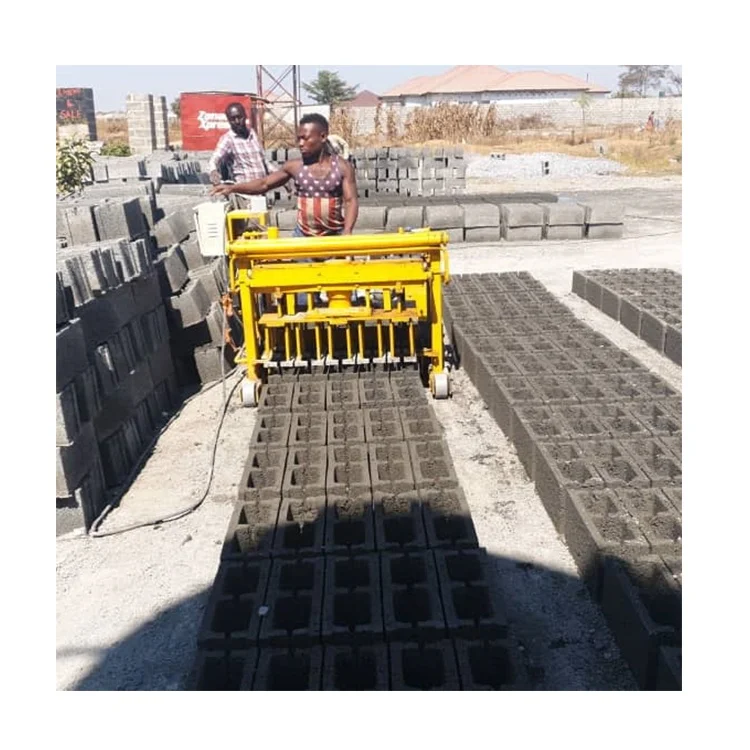
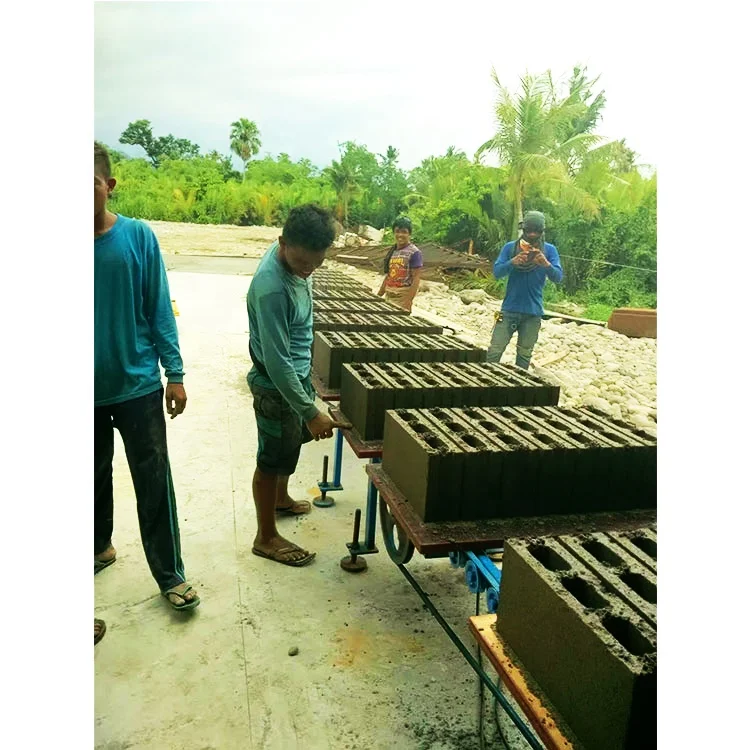
| Applied Products | Concrete hollow block (8 inch, 6 inch), solid brick |
| Raw Materials | Crushed stones, sand, cement, dust, fly ash |
| Output Capacity | 480 pcs/h based on 390×190×190 mm hollow block, 4 pcs/mould |
| Output Capacity | 600 pcs/h based on 400×150×200 mm hollow block, 5 pcs/mould |
| Output Capacity | 2100 pcs/h based on 240×115×53 mm solid brick, 18 pcs/mould |
| Output (8-hour shift) | 3800 pcs (390×190×190 mm hollow block) |
| Output (8-hour shift) | 4800 pcs (400×150×200 mm hollow block) |
| Output (8-hour shift) | 17000 pcs (240×115×53 mm solid brick) |
| Voltage & Frequency | Basis to be confirmed before dispatch |
| Hydraulic Pressure | Basis to be confirmed before dispatch |
| Mould Change Time | Basis to be confirmed before dispatch |
Application Suitability
| Application | Material or Output |
|---|---|
| 8-inch hollow block for load-bearing walls | Crushed stone, sand, cement mix |
| 6-inch hollow block for partition walls | Fly ash, sand, cement blend |
| Solid brick for masonry and paving | Cement, dust, fine aggregate |
| On-site contractor production | Locally sourced aggregates |
| Small to medium block plant startup | Multi-format hollow block and solid brick |
Why Dispatch Speed Means Nothing Without a Voltage Check
A machine on the water tomorrow is worthless if the motor cannot turn over when it arrives.
I have watched buyers rush a QTJ4-25 block machine in stock onto a vessel to meet a project deadline, only to find the motor wired for a frequency their local grid does not supply. The machine sits dead on a dusty site for weeks while replacement components are sourced overseas [NEED_CITE: voltage and frequency standards by export market]. Fast dispatch only matters when the electrical configuration matches the destination from day one.
Container Loading Staged for Immediate Dispatch
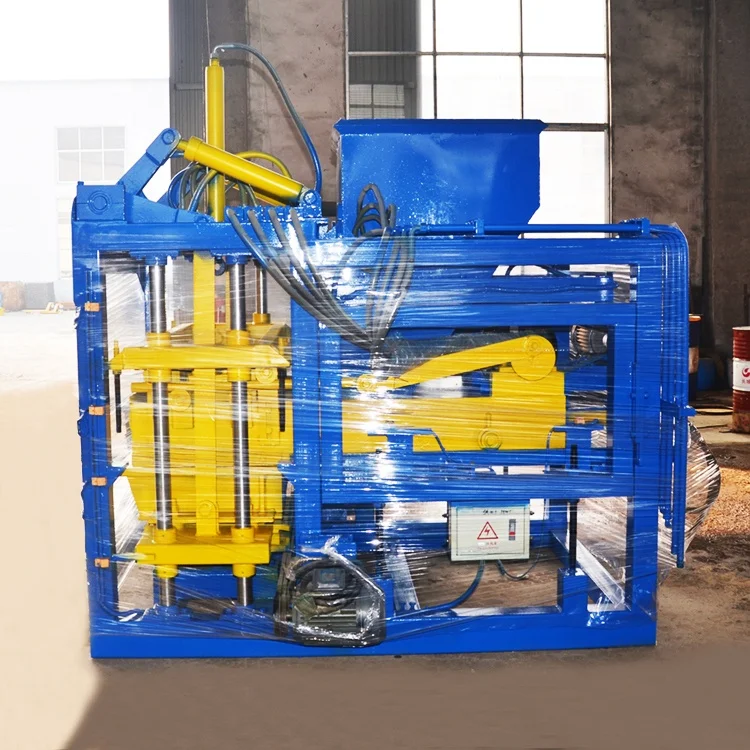
Stocked QTJ4-25 units are positioned for rapid container loading. This machine fits within a standard 20GP container in nude packing with pallets secured separately, keeping freight costs predictable for buyers working against a project timeline. The dispatch sequence begins the moment voltage, frequency, and PLC display language are confirmed — not before.
What Stock Availability Actually Covers
Availability extends beyond the press itself. The JQ350 mixer, pallet stock sized at 850×550×20 mm, and standard mould formats for hollow block and solid brick are held alongside the main frame. Buyers sourcing a QTJ4-25 block machine in stock should verify that the mould format list matches their local market demand, since swapping formats after arrival means waiting on a second shipment [NEED_CITE: CE machinery directive requirements for industrial equipment].
Reading the Capacity Table Without Being Misled
Output figures mean very little detached from the block format they assume. The QTJ4-25 produces 480 pieces per hour based on a 390×190×190 mm hollow block with 4 cavities per mould, but switch to a 240×115×53 mm solid brick with 18 cavities and the figure climbs to 2100 pieces per hour. Buyers comparing machines across suppliers must confirm which format underpins the quoted number, otherwise real daily output falls far short of what the sales sheet promised.
Vibration Force and Molding Density
The 60 kN exciting power combined with an adjustable vibration frequency range of 2800–5100 r/min determines how densely the mix is compacted into the mould. Higher frequency suits finer aggregates like fly ash blends, while lower frequency works better with coarser crushed stone. Setting the wrong range for the local raw material produces blocks that crumble at the edges before they even leave the pallet. The 25-second molding cycle holds steady across formats, but density consistency depends entirely on matching vibration settings to the mix [NEED_CITE: concrete block vibration compaction principles].
Pallet Size and the Curing Area Mismatch
The 850×550×20 mm pallet dimension is fixed by the machine frame. Buyers who already operate a curing yard with racking spaced for a different pallet size face an uncomfortable choice: reconfigure the yard or reject every pallet the new machine produces. I have seen curing racks rebuilt at significant cost because the pallet spec was never checked against existing infrastructure before the machine shipped.
The Cost of Skipping Pre-Dispatch Verification
When voltage confirmation is skipped to save a few days on lead time, the consequences compound. A motor rated for 380V/50Hz connected to a 440V/60Hz supply will overheat and fail, sometimes within the first hour of operation. Rewinding a motor on-site in a region without specialized electrical workshops can add weeks of downtime. The PLC display language matters equally — operators who cannot read the interface make configuration errors that damage moulds and waste raw material before the problem is diagnosed [NEED_CITE: industrial motor failure from voltage mismatch].
Why Procurement Through This Channel Works
Block machinery is a single focus here, so the QTJ4-25 arrives as a matched system — press, mixer, pallets, and mould specified together rather than assembled from disconnected suppliers. Configuration is set against the buyer’s actual local aggregate and target block format, not a catalogue default. Mould design covers the formats the buyer’s market actually sells, with custom drawings available. The automation level allows a buyer to start with the automatic plate-supplying and brick-discharging features and plan future upgrades. Stocked machines and standard moulds ship on short lead times with container loading plans confirmed upfront.
Documentation & Verification
- Factory test record on your hollow block and solid brick formats before dispatch
- Voltage and PLC language confirmation sheet signed off prior to container sealing
- Mould drawing and format list matching your target market products
- Operation and maintenance manual in your specified language
- Packing photographs and container loading plan before vessel departure
Installation, Commissioning & Support
- Foundation must accommodate 6400×1500 mm footprint with level tolerance for the 2500 kg frame
- Dedicated electrical circuit required for the 17.9 kW rated power draw at confirmed voltage
- Machine arrives with mixer and pallet system separated for 20GP container loading
- First-run commissioning includes vibration frequency tuning to your local aggregate blend
- Operator training covers PLC interface navigation and mould change procedure
- Wear parts and hydraulic seals list provided for first-year coverage planning
What to Include in Your Inquiry
Buyers evaluating the QTJ4-25 block machine in stock should provide the target block formats sold in their local market, the confirmed local voltage and frequency supply, and the aggregate materials available for mix design. State whether existing curing racks and forklifts are already on site so pallet handling can be matched from the start.
Frequently Asked Questions
Q: What block formats are included with the QTJ4-25, and can additional moulds be ordered later?
A: The machine ships with moulds for the hollow block and solid brick formats specified at order. Additional moulds for interlocking pavers, kerbstones, or other formats can be supplied separately. Confirm which formats your local market demands before locking the initial order so the first production run generates saleable inventory.
Q: Is the QTJ4-25 currently in stock, and how quickly can it reach my port?
A: Stocked units are staged for container loading with dispatch lead time depending on pre-shipment verification. Voltage confirmation, PLC language setting, and factory testing must be completed before the container is sealed. Typical dispatch follows within a short window once these checks are cleared.
Q: What voltage configurations are available, and is the PLC display language configurable?
A: Voltage and frequency are configured to match the buyer’s local supply before dispatch — this is never left as a default. The PLC display language is set to the buyer’s specification so operators can navigate controls without translation barriers during commissioning and daily production.
Q: How many pallets are needed, and what material is recommended?
A: Pallet quantity depends on the curing cycle length and daily output volume at your chosen block format. The standard 850×550×20 mm pallet is available in different materials suited to varying climate conditions. Confirm your curing yard layout and local humidity so the right pallet material is specified.
Q: What spare parts should be ordered alongside the machine for first-year operation?
A: A wear parts list covering hydraulic seals, vibration components, and mould wear surfaces is provided with every quotation. Ordering these items in the same container avoids production stoppages when the first replacements are due. The list is customized to the specific mould formats included in your shipment.