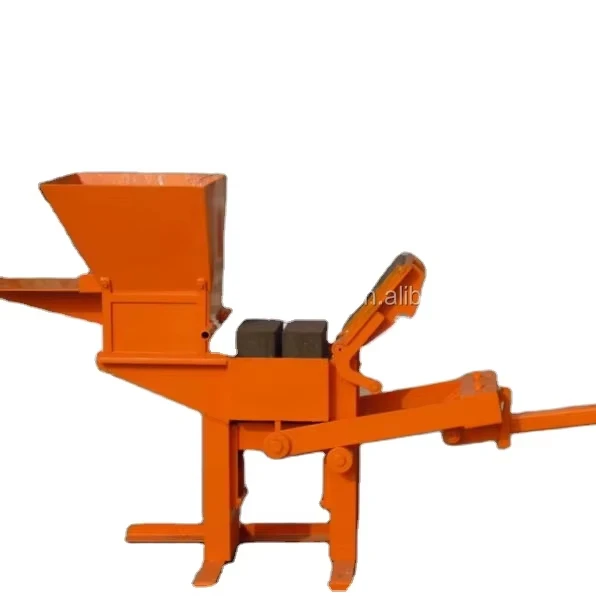
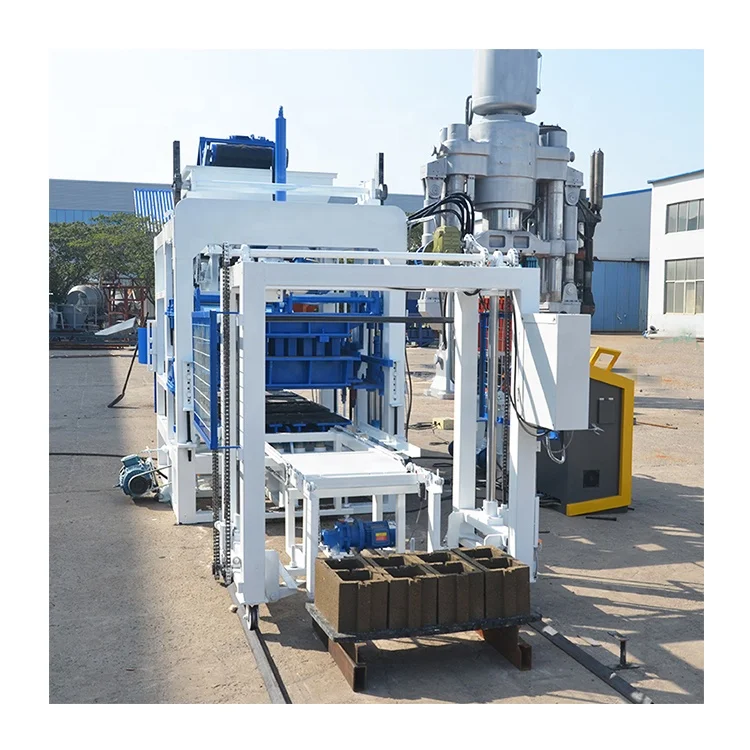
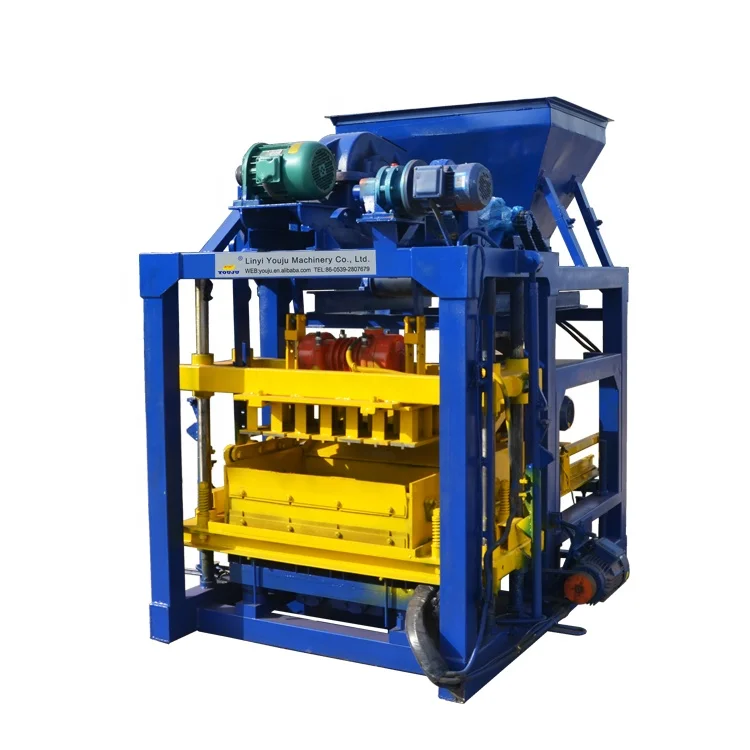
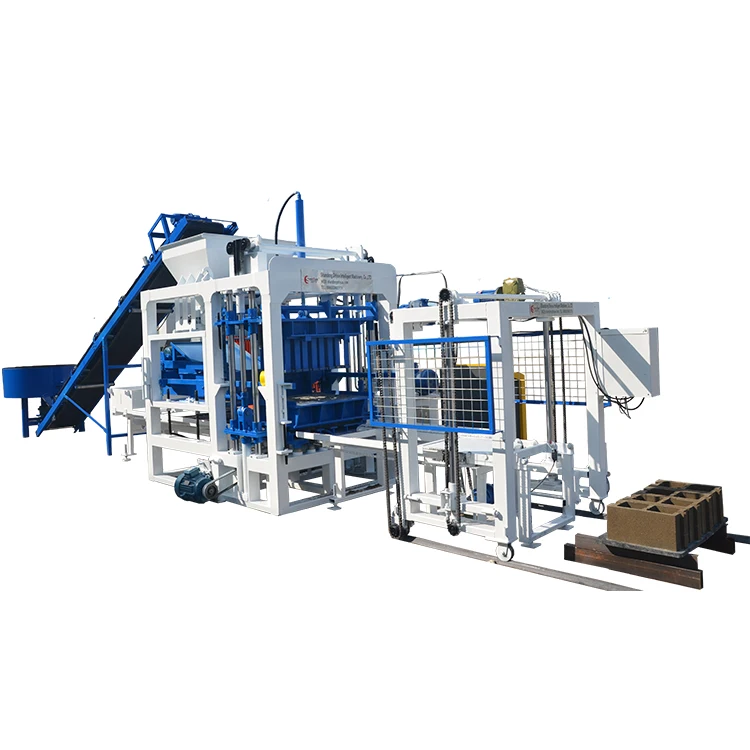
Description
Rapid Dispatch Readiness — Standard configurations of this press are built and staged for immediate container loading, eliminating the multi-month manufacturing wait for urgent project timelines.
Technical Specifications
| Parameter | Value |
|---|---|
| Model | QT10-15 |
| Product Type | Fully Automatic Concrete Block Making Machine |
| Forming Method | Hydraulic pressure and Vibration Molding |
| Control System | PLC |
| Voltage Options | 400 V, 330 V, 380 V, 110 V, 415 V, 240 V, 440 V, 220 V |
| Overall Dimensions (L×W×H) | 5870 × 2220 × 2850 mm |
| Net Weight | 10000 kg |
| Standard Brick Sizes | 400 × 200 × 200 mm, 400 × 100 × 200 mm |
| Block Types Supported | Hollow Block, Solid Block, Paver Block, Curbstone |
| Raw Materials | Cement, Concrete |
| Color Options | Blue, Black, Green, Yellow, White, Customer’s Demand |
| Output Capacity | Not specified in source (basis to be confirmed) |
| Cycle Time | Not specified in source (basis to be confirmed) |
| Machinery Test Report | Provided |
Application Suitability
| Application | Material or Output |
|---|---|
| Development and housing project contractors | Local production of hollow and solid concrete blocks to maintain construction schedules |
| Building material distributors and importers | Fast-turnaround fulfillment of urgent buyer orders using standard cement and concrete mixes |
| On-site construction contractors | Immediate deployment for curbstone and paver block molding directly at the project location |
Why the Dispatch Date Matters More Than the Brochure
A machine sitting in a warehouse is the only one that meets a tight construction deadline.
When project timelines compress, waiting for a custom-built press is rarely an option. I have spent years walking trade shows and visiting plants where buyers rushed their purchases without verifying the exact dispatch status. They end up waiting months for manufacturing, while their construction sites sit idle. Securing a QT10-15 automatic block machine in stock ensures the equipment is already assembled, tested, and ready for dismantling and container loading. [NEED_CITE: impact of equipment lead times on construction project delays]
Staged for Immediate Container Loading
Finding a fully automatic press that is actually built and sitting on the floor is rare in this industry. Most suppliers quote lead times that stretch into months. Having a QT10-15 automatic block machine in stock means the mainframe, hydraulic station, and PLC cabinet are already assembled and run through factory tests. The focus shifts entirely to dismantling the unit for shipment, securing the heavy components inside the container, and getting it on the next available vessel to your port.
Matching Standard Moulds to Fast Timelines
When you need equipment immediately, waiting for custom mould engineering defeats the purpose of buying from inventory. This unit ships with standard moulds for 400 × 200 × 200 mm and 400 × 100 × 200 mm formats. These are the exact dimensions that are pre-built and staged alongside the main press. Selecting from these available formats ensures the entire package loads into the same container, arriving together so production can start the moment the machine is bolted to the foundation. [NEED_CITE: standard concrete block dimensions in global construction markets]
Decoding the Shipping and Setup Specs
The physical footprint of 5870 × 2220 × 2850 mm and a net weight of 10000 kg dictate exactly how the machine must be broken down for ocean freight. The main press frame, hydraulic power pack, and PLC control panel are separated to fit standard container dimensions while protecting sensitive components from transit damage. The broad voltage configurability—ranging from 110 V to 440 V—means the electrical system can be matched to your destination grid before the machine is crated. This prevents the need for local transformers or rewiring, which are common causes of delayed commissioning for imported heavy machinery.
The Hidden Cost of Ignoring Line Flow
Years ago, I watched a plant owner buy a high-output press in a rush without considering the downstream handling. The machine produced blocks faster than the crew could move them, and without an automatic stacker, pallets piled up across the entire shop floor, creating a massive bottleneck. When buying from stock, you must verify that your site has the physical space, labor, and curing racks to handle the continuous flow of wet concrete products. A fast arrival timeline is useless if the factory floor cannot absorb the output. [NEED_CITE: material handling bottlenecks in concrete product manufacturing]
Why Source This Unit Here
Block machinery is our single focus, meaning the press, pallets, and handling requirements are evaluated as one matched system before it leaves the factory. We do not assemble machines from disparate suppliers; every component is tested together. Our stock inventory is configured against common global voltage standards and standard block formats, removing the guesswork from international shipping. We provide upfront arrival estimates and handle the complex container loading plans, ensuring the machine arrives in the exact condition it left our floor.
Documentation & Verification
- Factory test record verifying hydraulic and vibration performance before the unit is dismantled for shipment.
- Video outgoing-inspection showing the exact stocked machine running standard moulds.
- Voltage and control language confirmation sheet matching your destination site requirements.
- Detailed packing photographs documenting the container loading and component securing process.
- Customs documentation support to accelerate port clearance upon arrival.
Installation, Commissioning & Support
- Foundation planning based on the 5870 × 2220 mm footprint and 10000 kg dynamic load requirements.
- Electrical hookup guidance matching the pre-configured voltage option to your site’s main breaker panel.
- Reassembly of the dismantled hydraulic station and PLC cabinet by our overseas service technicians.
- Initial parameter setting on the PLC to establish baseline cycle times for your specific concrete mix.
- Operator training focused on safe mould change procedures and daily hydraulic system checks.
- Provision of a wear parts list to ensure critical spares are ordered before the first production run.
Preparing Your Site for Immediate Arrival
To ensure the equipment integrates smoothly upon arrival, please provide your local voltage and frequency specifications, the exact dimensions of your available production and curing space, and the specific block formats you intend to run first. This allows us to confirm the container loading plan and ensure the electrical and physical setup matches your facility from day one.
Frequently Asked Questions
Q: Which configurations and standard moulds are currently available for immediate dispatch?
A: The stocked units are fully assembled with PLC control and configured for standard 400 × 200 × 200 mm and 400 × 100 × 200 mm block formats. These standard moulds are staged alongside the main press, allowing the entire package to be dismantled and loaded into containers without waiting for custom manufacturing or engineering adjustments.
Q: What is the container loading process and estimated arrival timeline for these machines?
A: The 10000 kg machine is dismantled into major sub-assemblies to fit standard shipping containers, with sensitive components like the PLC and hydraulic valves secured separately. We provide an upfront arrival estimate based on current vessel schedules from our port to your destination, ensuring you can plan your foundation work and labor around a known delivery date.
Q: How do I confirm the voltage and PLC language for a machine already built and in stock?
A: Before crating, we verify your site’s exact voltage and frequency requirements against the machine’s configurable electrical system, which supports options from 110 V to 440 V. We also confirm the PLC display language to ensure your operators can read the interface immediately upon commissioning, avoiding costly rewiring or software delays on site.
Q: Can I swap the standard stocked moulds for custom formats before shipment?
A: Swapping standard moulds for custom formats requires new engineering and manufacturing, which will void the immediate dispatch advantage and extend the lead time significantly. If your project deadline is strict, we highly recommend utilizing the available standard hollow and solid block moulds to get the line running immediately, adding custom formats in a later shipment.
Q: What on-site installation support is provided for fast-deployed stock machines?
A: Our overseas service team handles the reassembly of the dismantled components, connects the pre-configured electrical and hydraulic systems, and runs the initial test cycles. They also provide hands-on operator training focused on daily maintenance and standard mould changes, ensuring your crew can manage the continuous flow of concrete products safely and efficiently.