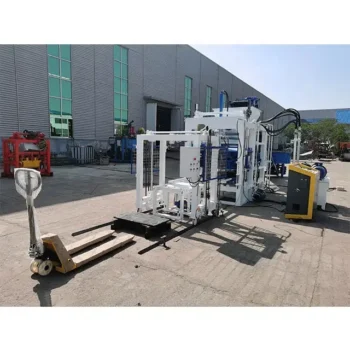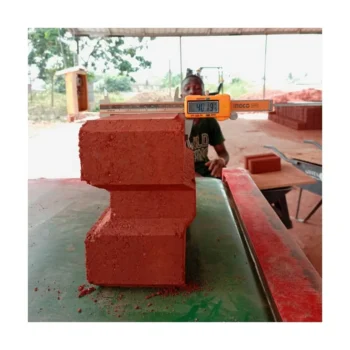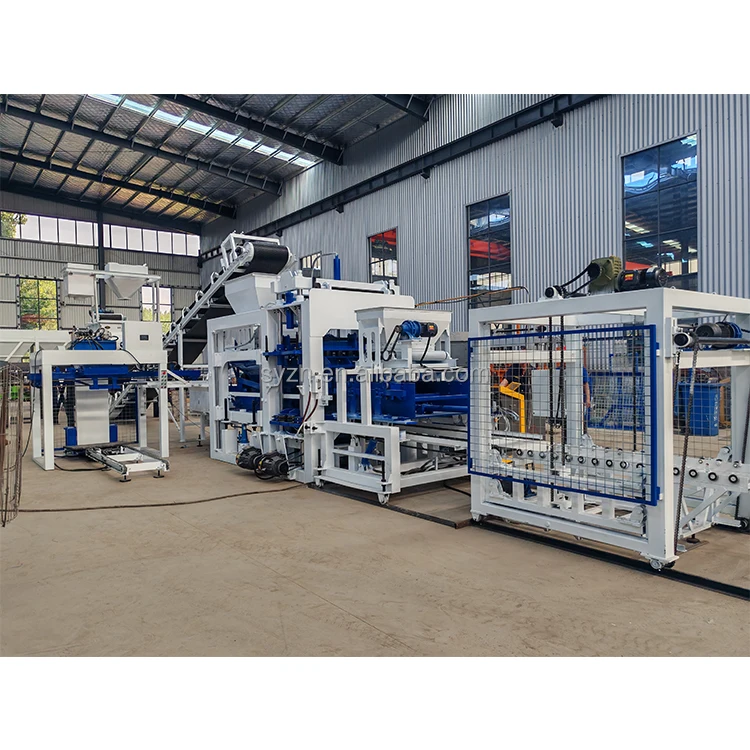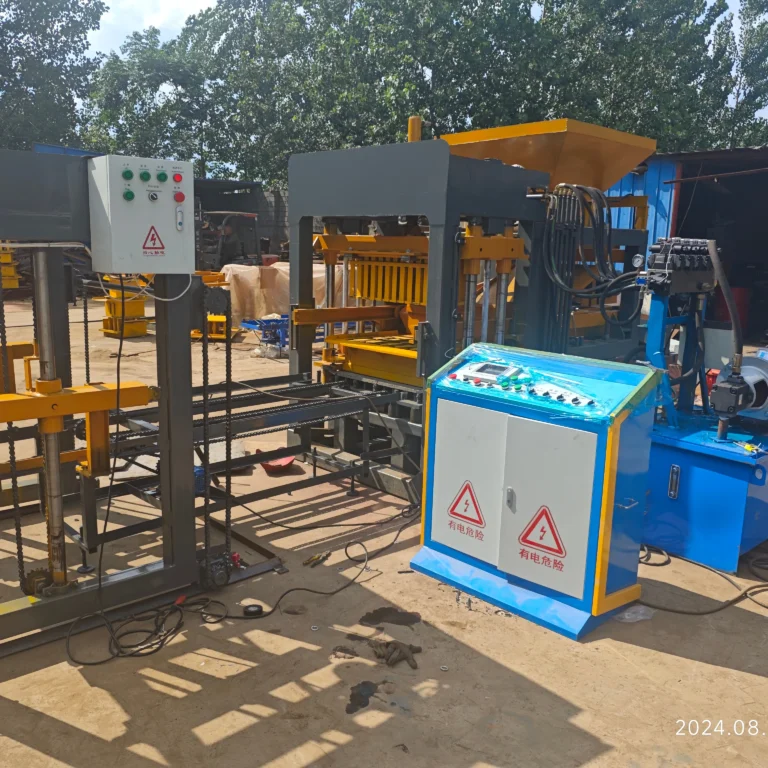



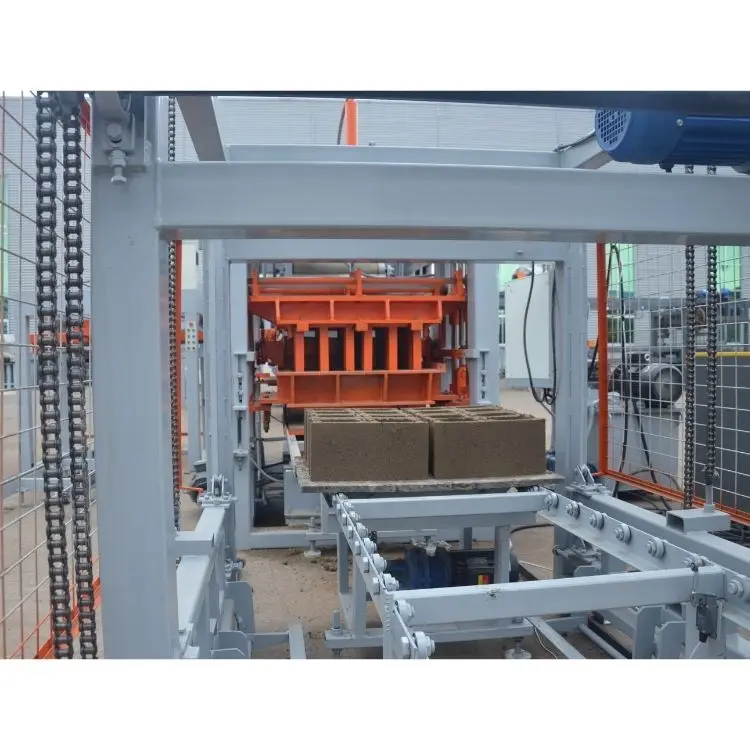
Description
Proven Dispatch Planning — every stocked QT6-15 block machine leaves our Linyi yard with container loading diagrams and arrival estimates confirmed before the invoice is signed.
Technical Specifications
| Parameter | Value |
|---|---|
| Model | QT6-15 |
| Product Type | Automatic Concrete Block Making Machine |
| Rated Pressure | 21 MPa |
| Molding Method | Vibration combined with hydraulic pressing |
| Molding Cycle | 15 s – 20 s |
| Pallet Size | 900 × 700 mm |
| Main Machine Weight | 6000 kg |
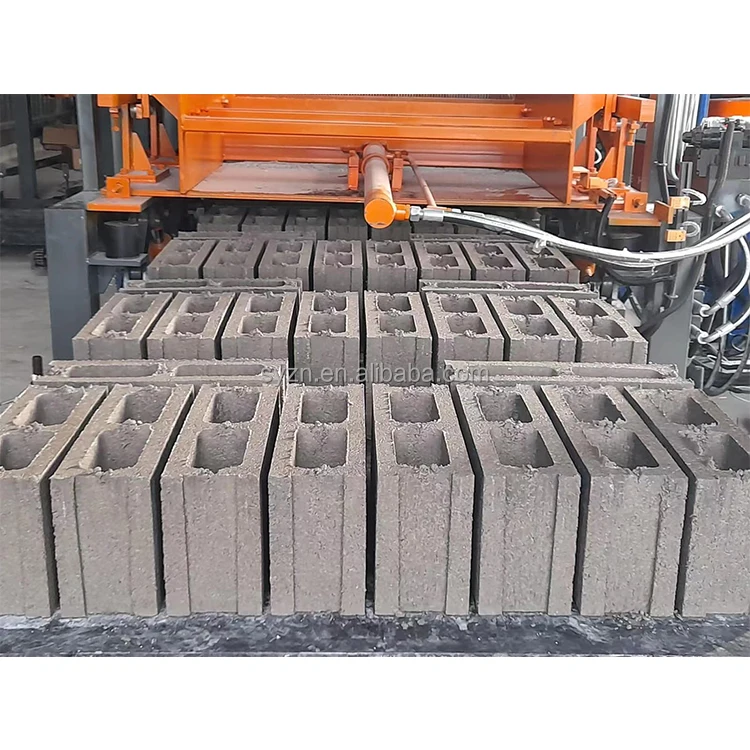
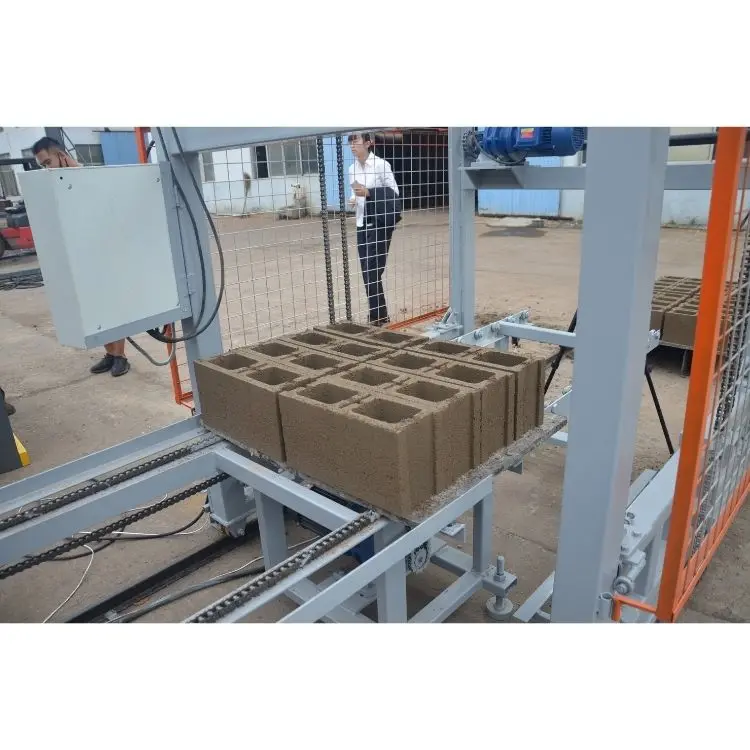
| Hollow Block Output | 6 pcs per pallet, 1440 pcs per hour, based on 400 × 200 × 200 mm format |
| Paving Brick Output | 21 pcs per pallet, 5040 pcs per hour, based on 200 × 100 × 60 mm format |
| Solid Brick Output | 32 pcs per pallet, 7680 pcs per hour, based on 240 × 115 × 53 mm format |
| Raw Materials | Cement, sand, fly ash, stone powder, slag |
| Control System | PLC |
| Voltage | Customizable to local supply |
| Automation Level | Fully automatic |
| Warranty | 1 year excluding wearing parts |
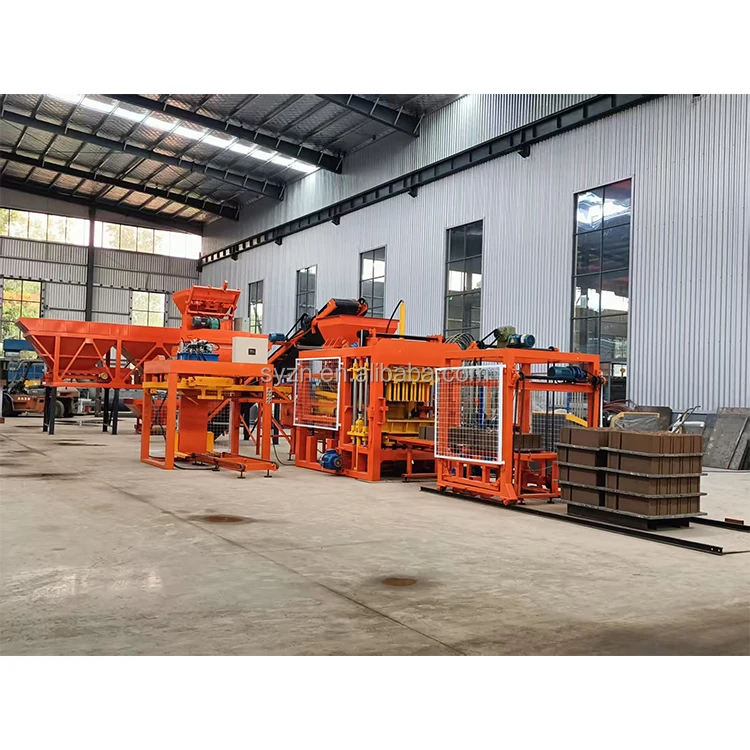
| Simple Line Package | JS500 mixer, 8 m conveyor belt, automatic stacker |
| Full Line Package | Cement silo, screw conveyor, cement scale, batching machine, pallet loader, block and pallet separator |
Application Suitability
| Application | Material or Output |
|---|---|
| Hollow block production for low-rise housing | Crushed stone, sand and cement with fly ash replacement |
| Interlocking paving brick for sidewalks and yards | Stone powder and cement under high vibration |
| Solid brick for load-bearing walls | Sand and cement blend with slag addition |
| Kerbstone and curbstones for road edging | Coarse aggregate with adjusted cycle time |
| Color paving brick for landscape projects | Pigmented surface layer over standard base mix |
What "In Stock" Should Actually Mean for Your Timeline
A QT6-15 block machine in stock is only useful if the loading plan, voltage setting and control language are locked before it leaves the yard.
Many buyers receive a dispatch date but no container stuffing diagram, so the machine arrives with loose hydraulic hoses and missing guard panels because the frame exceeded the internal height of a standard container. I have watched QT6-15 concrete block machine shipments sit on a dock for ten days while the importer argued over who pays for the forklift that was supposed to be arranged at the destination port [NEED_CITE: container loading responsibilities under Incoterms CIF versus FOB]. Without a written arrival estimate, your crew stands idle and the project calendar slips before a single brick is molded.
Container Loading That Protects Your Commissioning Date
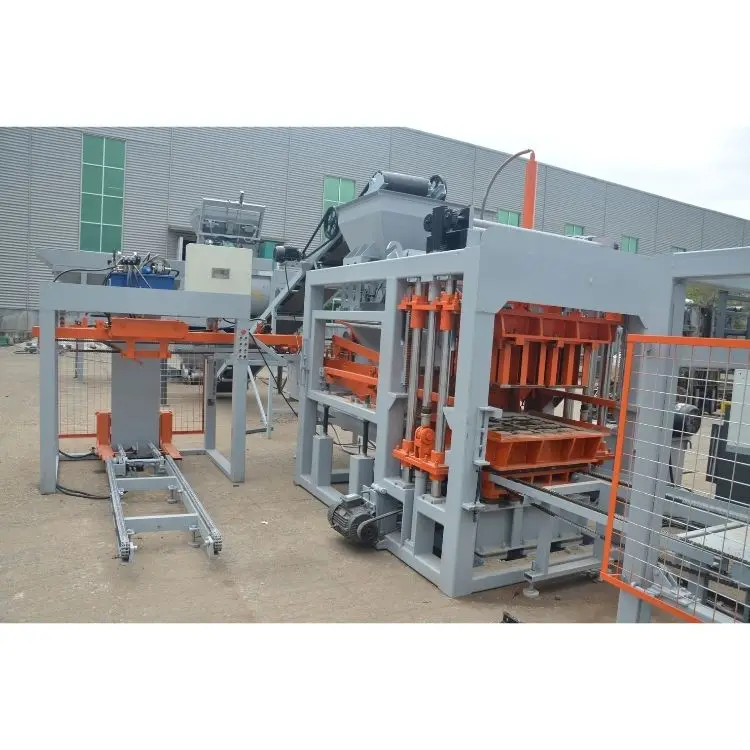
The QT6-15 block machine in stock weighs 6000 kg and its main frame height exceeds standard container clearance. We drop the top hydraulic cylinder and secure it on a custom cradle inside the same 40-foot container, keeping the center of gravity low for ocean transit. Every bolt and hydraulic fitting removed during dismantling is bagged, labeled and bolted to the frame so the reassembly crew at your site works from a single packing list rather than hunting through loose crates.
Arrival Estimates Quoted Before You Commit
We map vessel rotation from Linyi feeder port through the transshipment hub to your discharge terminal and quote an arrival window alongside the dispatch date. This means your foundation contractor knows exactly which week to finish the slab and your electrician knows when to terminate the main panel. If the shipping line announces a blank sailing, we notify you within the same cycle so the project schedule adjusts early, not on the morning the container was supposed to clear customs [NEED_CITE: typical blank sailing notification windows by major carriers].
Reading the Specs That Decide Your First Month of Production
The 21 MPa rated pressure and vibration cycle of 15 to 20 seconds define the density your blocks reach before they leave the press. On a fly ash blend with high fines content, the vibration must fluidize the mix before the hydraulic head applies full tonnage; if the sequence is reversed, air pockets remain trapped and block weight varies across the pallet. The 900 × 700 mm pallet size was chosen so that two pallets fit side-by-side on a standard curing rack, meaning your forklift operator can clear a full rack in one trip. The JS500 mixer in the simple line package produces roughly half a cubic meter per batch, which keeps pace with the QT6-15 press without material starvation between cycles. Control voltage is confirmed against your local supply before the PLC panel is wired, avoiding the costly rewinding of transformer secondaries on site.
The Real Cost When Arrival Timing Is Left Vague
Buyers who accept a vague shipment promise often find that their hired installation crew has moved to another job by the time the container finally clears the port. The resulting two-week gap leaves exposed cement bags hardening in a humid storage room and freshly poured foundation anchor bolts corroding before the machine base plate is set [NEED_CITE: cement shelf life degradation in tropical storage conditions]. Rents on the project site continue to accrue while the block yard sits empty, turning what should have been a fast start into a cost overrun that no amount of negotiated discount can recover.
Why Dispatch from Our Yard Shortens Your Path to First Brick
Single-focus block machinery sourcing means the QT6-15 press, its moulds, pallets and handling equipment ship as one matched set rather than arriving from three different suppliers on three different vessels. Configuration is confirmed against your local aggregate and target block format before the machine enters the dispatch queue, so you are not paying to replace a mould that was sized for a brick your market does not buy. Our assembly crew has loaded this model into containers hundreds of times, which is why the dismantling and re-bolting sequence is documented in photographs you receive before the container doors close. Voltage, frequency and PLC display language are finalized during the factory test, not guessed at on arrival.
Documentation & Verification
- Factory test record run on your fly ash sample before dispatch authorization
- Container loading photograph set showing dismantled cylinder cradle and bolt bags
- Mould drawing and format list matched to your local brick dimensions
- Voltage and PLC language confirmation sheet signed before wiring
- Hydraulic and electrical schematic set for on-site troubleshooting
Installation, Commissioning & Support
- Foundation slab must support 6000 kg main machine weight plus dynamic vibration load
- Dedicated circuit sized for JS500 mixer and press motor combined draw
- Top hydraulic cylinder re-mounted and pressure tested to 21 MPa on arrival
- PLC display language set to operator preference before first production run
- Standard mould change demonstrated with 900 × 700 mm pallet alignment check
- Wearing parts list supplied with first replacement interval noted per component
Before You Request a Shipping Date
Tell us the block format your market moves fastest, the daily volume your project schedule demands and the vessel transit time you can tolerate. Share your local voltage and frequency so the motor nameplate and PLC transformer match before the machine leaves Linyi. If your site already has a curing yard and forklift, send the pallet dimensions you are currently using so we confirm the 900 × 700 mm pallet will integrate without forcing you to rebuild your curing racks.
Frequently Asked Questions
Q: Which QT6-15 units and standard moulds are currently ready to ship?
A: Our Linyi yard holds completed QT6-15 presses in standard configuration along with hollow block, paving brick and solid brick moulds cut for common formats. Stock levels change weekly as orders are dispatched, so we confirm available serial numbers and mould drawings against your format list before issuing a proforma. Units requiring custom voltage or non-standard pallet sizes enter a short production queue instead.
Q: How is the main machine prepared for container loading?
A: The top hydraulic cylinder is detached and secured on a welded cradle inside the same container to bring the frame height within standard door clearance. All removed fasteners and hydraulic fittings are bagged, tagged and bolted to the main frame. Loading photographs are shared with the buyer before the container is sealed, so the reassembly sequence is documented from the start.
Q: What lead time should I plan between order and vessel departure?
A: For a stocked QT6-15 with standard voltage and control language, container loading typically follows within a short window after payment clearance. If voltage customization or PLC language change is required, a brief additional period is needed for wiring and factory testing. We quote the vessel booking date and estimated arrival together so your project calendar reflects the full transit chain.
Q: Will an engineer be available when the machine reaches our site?
A: On-site installation guidance is arranged based on your project schedule and the arrival estimate quoted at order stage. The technician oversees cylinder re-mounting, hydraulic pressure verification and the first production run across your target block formats. Operator training covers mould change, pallet handling and daily maintenance intervals before the engineer departs.
Q: Can voltage and PLC language be confirmed before dispatch to avoid delays?
A: Yes. We require your local supply voltage, frequency and preferred PLC display language before the electrical panel is finalized. A confirmation sheet is signed after the factory test, ensuring the motor nameplate, transformer taps and screen menus match your site conditions. This step prevents rewiring work that would otherwise push back your first production day.