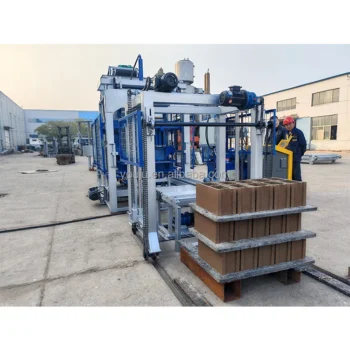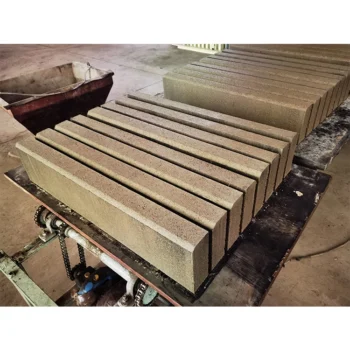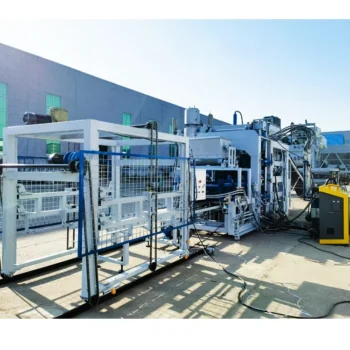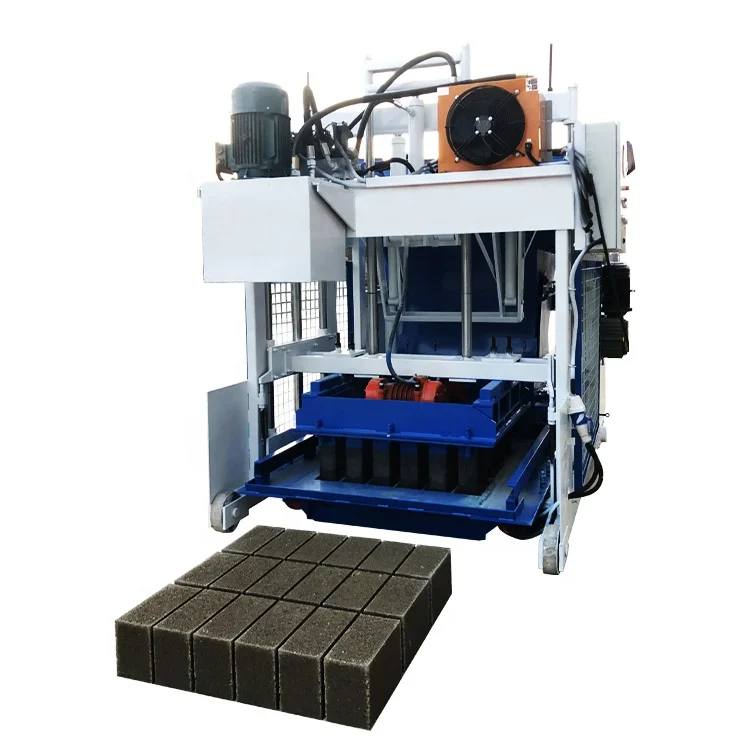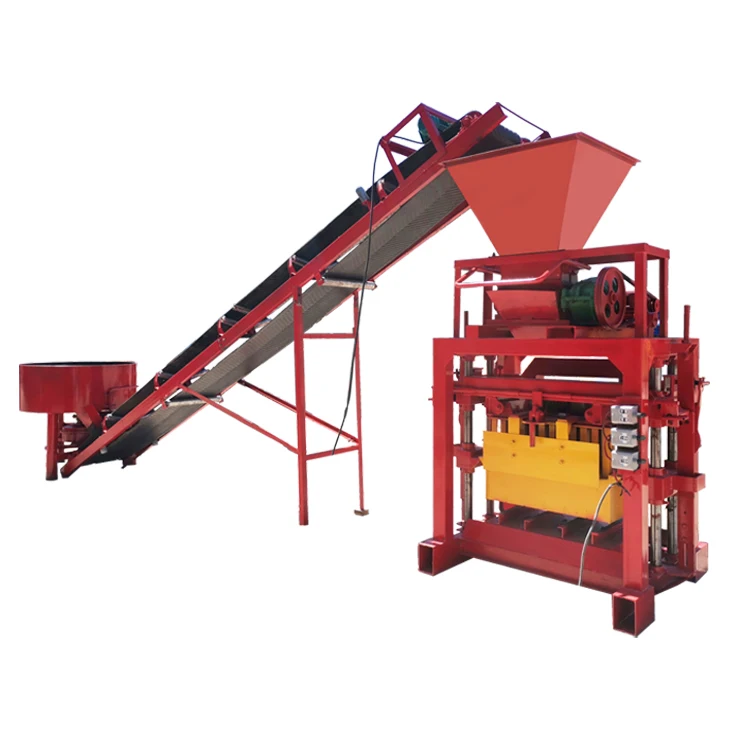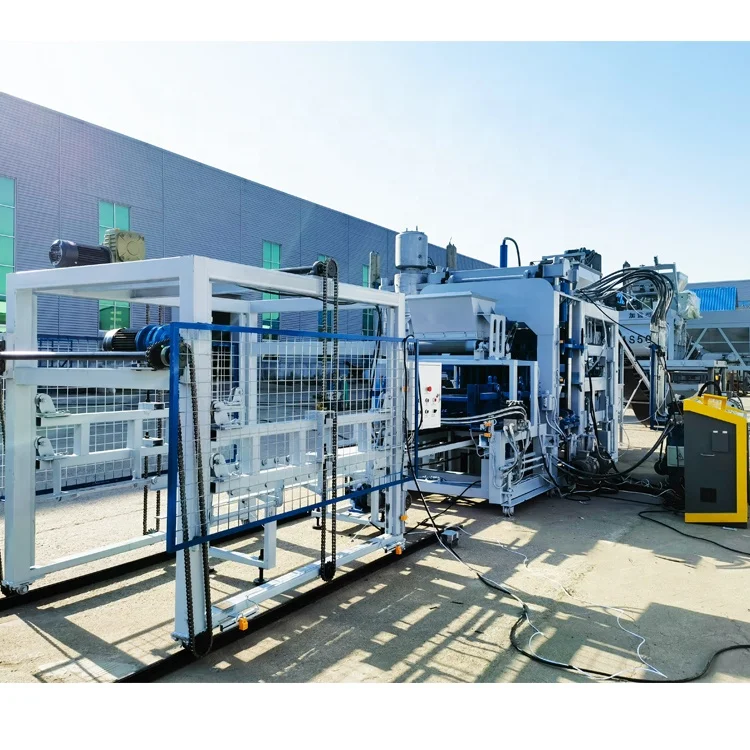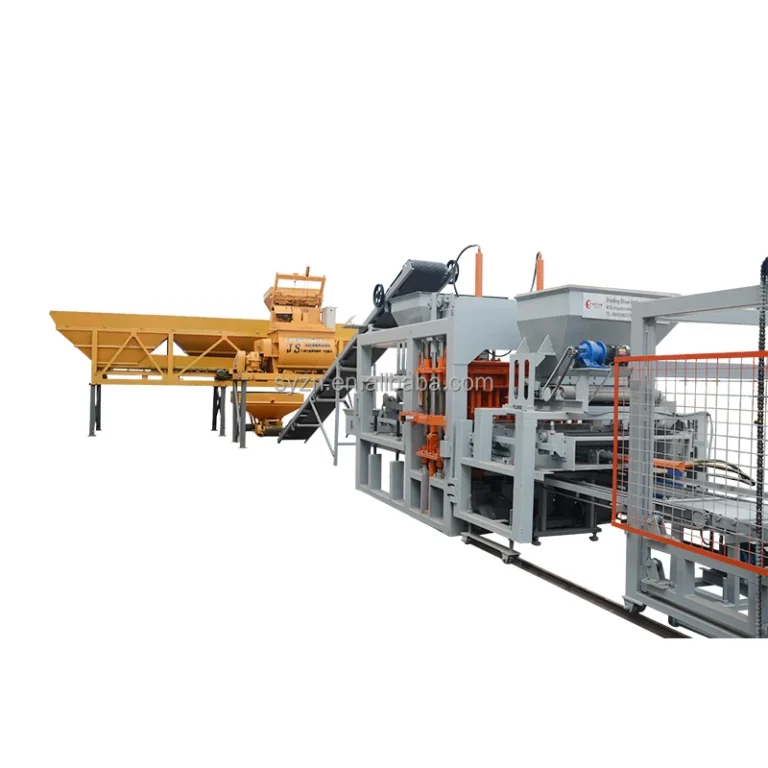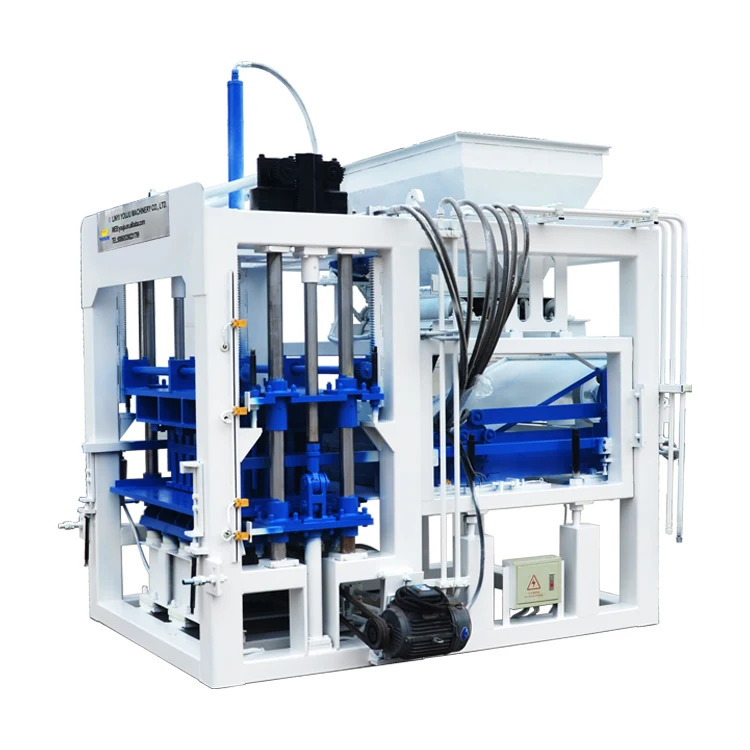
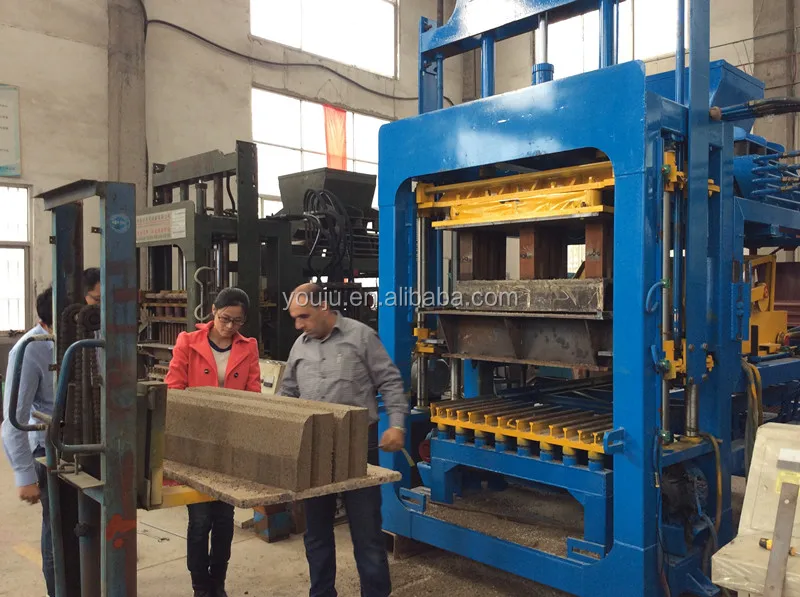
Description
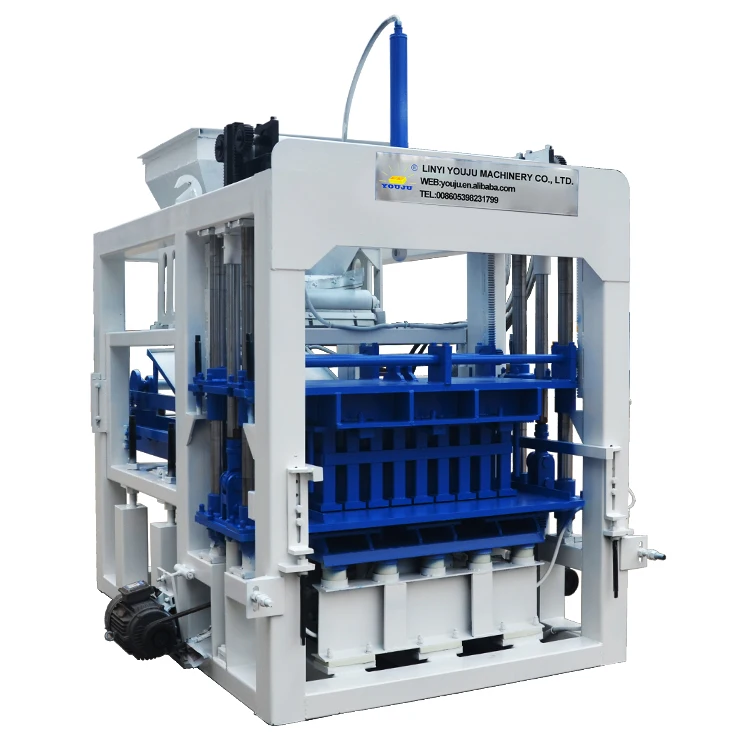
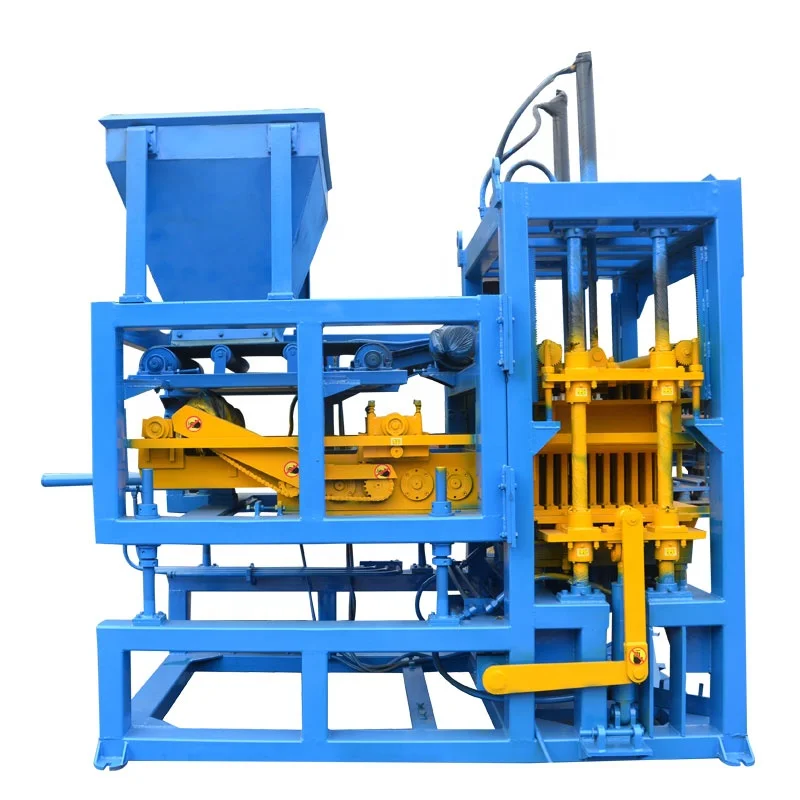
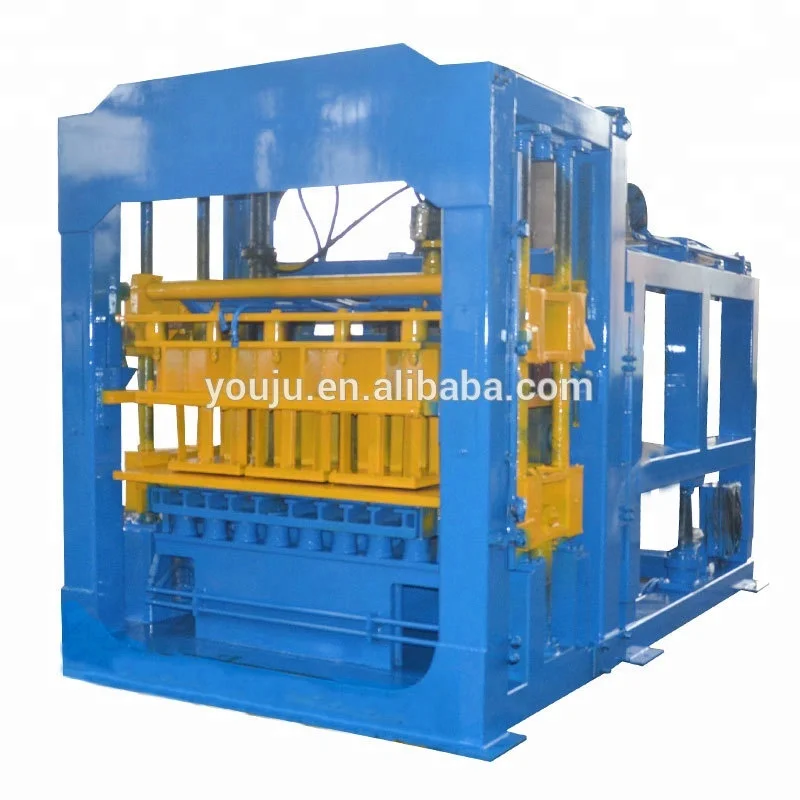
Matched System Dispatch — The QT5-15 ships as a complete block making line with pallet, mould, and control specifications locked before loading, not a catalogue default waiting for clarification at the port.
Technical Specifications
| Parameter | Value |
|---|---|
| Product Type | Stationary Automatic Concrete Block Making Machine |
| Model | QT5-15 |
| Overall Dimensions (L×W×H) | 7400×1950×2800 mm |
| Rated Pressure | 21 MPa |
| Main Vibration Form | Hydraulic platform vibration |
| Vibrating Frequency | 2800–4500 rolls/minute |
| Cycle Time | 15–20 seconds (basis not stated in source — confirm block format / material / thickness) |
| Motors Power | 26.5 kW |
| Pallet Size | 1100×550 mm |
| Weight | 6T |
| Voltage | Configurable to buyer site supply (voltage and frequency to be confirmed) |
| Control System | PLC with fault diagnosis and long-distance monitoring |
| Automation Level | Full automatic |
| Key Features | Hydraulic pressure and vibration matched to mix; adjustable frequency; remote diagnostics; mould change system |
Application Suitability
| Application | Material or Output |
|---|---|
| Hollow block production for structural walls | Crushed stone, cement, sand mix with 21 MPa forming pressure |
| Solid brick manufacturing for load-bearing construction | Dense aggregate blends on 1100×550 mm pallets |
| Paving brick production for roads and walkways | Fine aggregate and cement at adjustable vibration frequency |
| Interlocking brick for retaining walls and landscaping | Modified mould with interlocking profile on standard pallet |
| Multicellular brick for lightweight wall systems | Lightweight aggregate or perlite blends with extended vibration |
Why "15 to 20 Seconds Per Cycle" Means Little Without the Block Format
Cycle time only predicts real output when tied to a specific block size and mould cavity count.
A stationary block machine like the QT5-15 can press a solid brick mould in the same cycle window as a large hollow block mould, yet the pieces per hour differ by a factor of several times. I have watched buyers compare two quotations based on cycles per minute, then discover at commissioning that the smaller-format brick they actually sell was never part of the capacity calculation. The QT5-15 block machine in stock configuration carries output figures for 240×115×90 mm brick, 400×115×53 mm brick, and 400×200×200 mm block — and each number means something different for your daily target. Ask for the capacity line stated per format before signing [NEED_CITE: block machine capacity calculation methods].
Dispatch Readiness Without the Usual Delays
When a block plant is tied to a housing project deadline, weeks lost to voltage mismatches or PLC language confusion become contract penalties. This is where the QT5-15 block machine in stock approach differs: voltage, frequency, and control language are confirmed in writing before the unit leaves the factory floor. The machine arrives with the electrical cabinet already wound for the site supply, and the operator sees a familiar language on the HMI screen from the first power-on.
Container Loading and Arrival Predictability
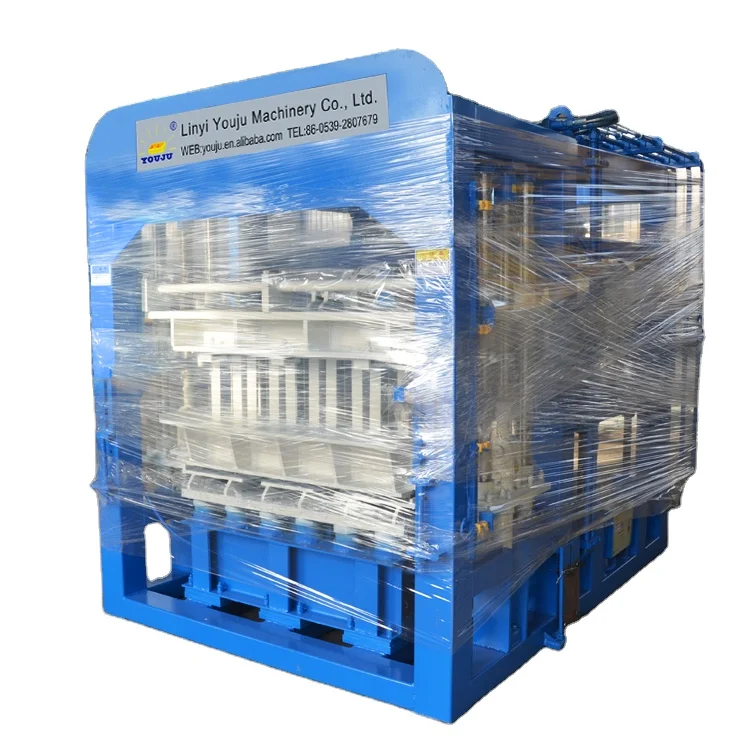
A 6-tonne machine with a 7.4-metre footprint does not fit any container whole. The QT5-15 block machine in stock is dismantled into shipping sections, and the loading plan — which sub-assembly goes where, which bolts travel in the parts crate — is shared with the buyer before dispatch. This removes the guesswork at the destination port, where a missing hydraulic hose or a misrouted pallet stacker can stall commissioning for days [NEED_CITE: container loading standards for heavy industrial machinery].
Reading the Specs That Actually Shape Your Line
The 21 MPa rated pressure and 2800–4500 rolls/minute vibration frequency are not independent numbers; together they determine whether your local aggregate produces a dense, saleable block or a crumbly reject. If the vibration is too high for a lightweight mix, the material liquefies before the hydraulic head clamps it; too low, and the block leaves the mould under-compact. The 1100×550 mm pallet size must match the curing racks already welded in your yard — a mismatch means rebuilding the racks or ordering new pallets, neither of which is fast. The PLC fault diagnosis system logs error codes that can be read remotely, which cuts the first week of commissioning from a series of phone calls to a targeted parameter adjustment. Motor power at 26.5 kW also dictates the dedicated circuit you must prepare on site before the machine arrives.
The Hidden Cost of Skipping Pre-Shipment Confirmation
I once shipped a stationary block machine to a Middle East site with the cabinet wired for 380V/50Hz, only to learn on arrival that the local grid runs 440V/60Hz. The buyer waited nearly a month for a step-down transformer while the construction crew sat idle. That kind of mismatch does not show up in any factory test because the machine runs perfectly on the wrong voltage — just not on yours. Voltage, frequency, and PLC display language are now locked on the confirmation sheet before any steel is cut, and the QT5-15 block machine in stock is no exception to that rule. Skipping this step turns a fast-dispatch advantage into a slow-site headache [NEED_CITE: industrial voltage and frequency standards by region].
What Makes This Purchase Point Different
Our single focus on block machinery means the QT5-15 leaves as a matched system — press, mould, pallet, and handling equipment specified together rather than sourced from separate suppliers and assembled on your floor. Configuration is set against your actual mix design and target block format, not a catalogue default that assumes an aggregate you cannot buy locally. Mould design covers the formats your market actually sells, and custom mould drawings are accepted to buyer specifications. Automation level is selectable, so you can take a semi-automatic base and add stacking or cubing later without replacing the press. Installation support includes operator training on the PLC interface so your crew is independent before our technician flies home.
Documentation & Verification
- Line layout with capacity calculation stated per block format for the QT5-15
- Machine specification sheet covering hydraulic, electrical, and mechanical parameters
- Mould drawing and format list matching your confirmed production range
- Voltage, frequency, and PLC language confirmation signed before production
- Factory test record on your chosen block format before container loading
- Packing photographs and dismantling detail shared before dispatch
Installation, Commissioning & Support
- Foundation slab must level to within 3 mm across the 7400 mm QT5-15 footprint to prevent vibration drift
- Dedicated three-phase circuit sized for 26.5 kW motor load with voltage confirmed pre-shipment
- Machine shipped dismantled; hydraulic and electrical reconnection on site with guided torque sequence
- First-run parameter tuning against your local aggregate and target block density
- Operator training on PLC fault codes and remote diagnostics interface in confirmed language
- Wear parts list covering mould liners, vibration springs, and hydraulic seals for first replacement cycle
Share Your Site Details for a Matched Proposal
To size the QT5-15 block machine in stock to your project, we need your target block format and daily output target, the local aggregate and cement you can source, and the voltage and frequency at your site. Tell us the curing area dimensions and the forklift you already run so pallet compatibility is confirmed before loading. If you have an existing block line, share the upstream mixer and downstream handling so the QT5-15 cycle time aligns with the rest of your plant.
Frequently Asked Questions
Q: Which QT5-15 configurations are currently available and what is the dispatch lead time?
A: Stocked configurations cover the mid-tier automatic QT5-15 with standard mould sets and 1100×550 mm pallets. Dispatch lead time is quoted at inquiry based on current stock and any voltage or PLC language customisation you require. We provide a written arrival estimate so your project timeline stays on track.
Q: How is the QT5-15 packed and dismantled for container shipment?
A: The 6-tonne machine is dismantled into main sections that fit a standard 40-foot container. A loading plan showing sub-assembly placement and parts crate contents is shared before dispatch. Hydraulic hoses and electrical connectors are labelled to match the reassembly sequence on site.
Q: Can voltage, frequency, and PLC language be confirmed before the machine ships?
A: Yes. These three items are locked on a written confirmation sheet before production or stock allocation begins. The electrical cabinet is wound to your site supply, and the PLC display language is set to your operator preference so the machine is plug-and-run at commissioning.
Q: What is the realistic daily output for my specific block format on this machine?
A: Output is calculated per block format and mould cavity count, not taken from a single catalogue figure. The proposal you receive states pieces per hour and per eight-hour shift for each block size you intend to produce, so your planning numbers match what the machine actually delivers.
Q: Are moulds and pallets included when the QT5-15 ships from stock?
A: Standard moulds and pallets ship with the machine in the same container. Custom moulds designed to your drawings follow on a separate lead time confirmed at order. Pallet quantity covers the curing rack capacity you confirm during the configuration stage.