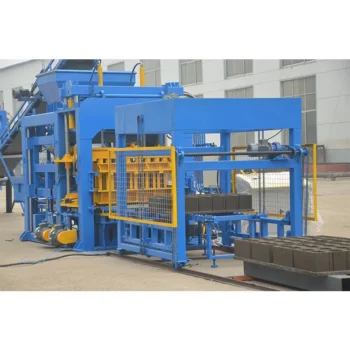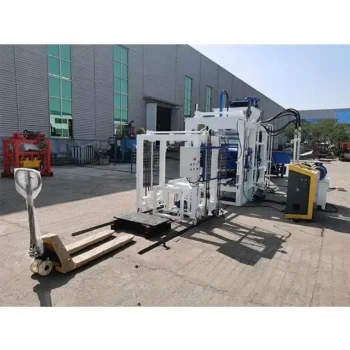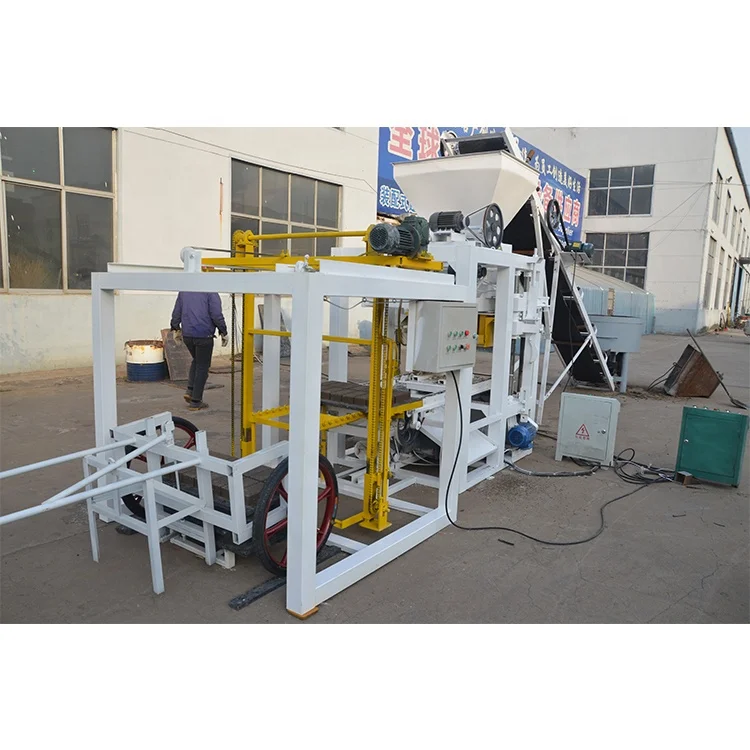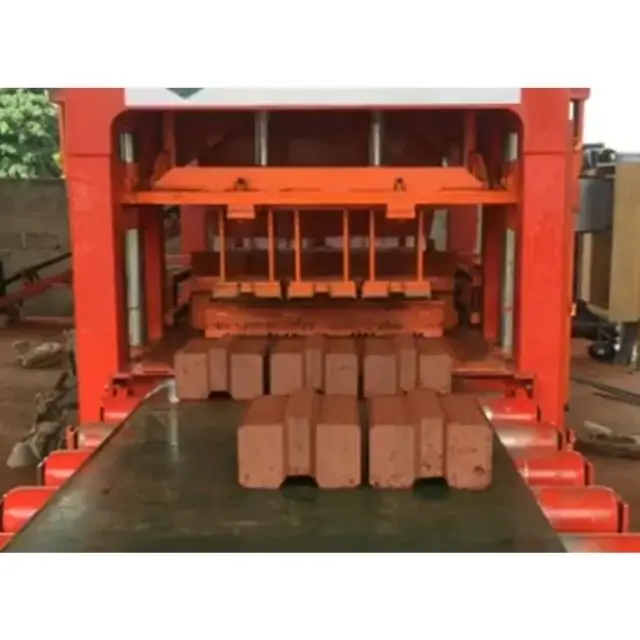


Description
Stocked Machines Ready to Ship — Every concrete pipe making machine fast delivery order is voltage-checked and factory-tested before the container doors close, eliminating on-site surprises.
Technical Specifications
| Parameter | Value |
|---|---|
| Product Type | Concrete Pipe Making Machine |
| Pipe Diameter Range | 300–2500 mm |
| Pipe Length Range | 2–4 meters |
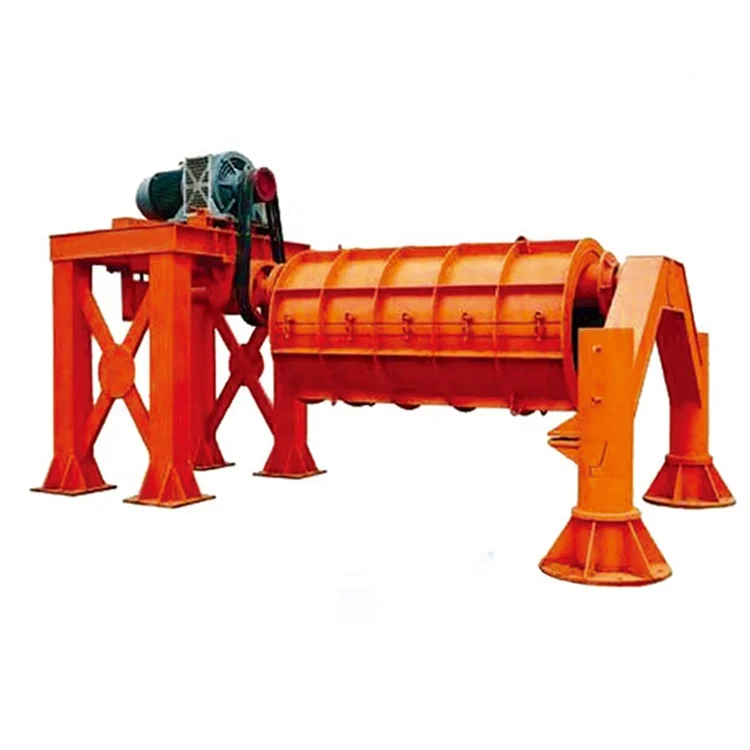
| Forming Method | Suspension Roller / Centrifugal |
| Material Type | Dry cast concrete |
| Pipe Joint Options | Flush joint, Socket & spigot joint |
| Noise Level | 80–90 dB |
| Mould Type | Customized concrete pipe mould |
| Production Cycle Time | 3–5 minutes per pipe (basis not stated in source — confirm pipe diameter / wall thickness) |
Application Suitability
| Application | Material or Output |
|---|---|
| Municipal drainage pipe networks | Reinforced dry cast concrete pipes, flush joint |
| Agricultural irrigation canals | Socket & spigot joint pipes in standard diameter ranges |
| Road and highway culverts | Large-diameter reinforced concrete pipes up to 2500 mm |
| Deep water well casings | Custom-length dry cast concrete pipes |
What a Quoted Lead Time Actually Means for Your Project Deadline
A concrete pipe making machine fast delivery is only useful if the voltage, control language, and mould joints are confirmed before loading.
I once had a shipment of block machines cleared through customs in East Africa, only for the buyer’s electrician to discover the motor winding did not match the local 415V three-phase supply. The container had to be offloaded, the motors swapped, and three weeks were lost before the plant could commission. That delay cost the contractor penalty fees on a municipal drainage contract. Since then, I verify every electrical schematic against the destination country’s grid standards before the machine leaves our Linyi workshop [NEED_CITE: voltage and frequency standards by export market].
Container Loading and Dispatch Readiness
When a project deadline is measured in weeks rather than months, the difference between a stocked machine and a build-to-order unit becomes the deciding factor. Our suspension roller pipe machines in standard diameter configurations are held in the yard, meaning container loading can be scheduled within days of order confirmation. A concrete pipe making machine fast delivery relies on the dismantling plan being pre-agreed: the main frame, roller assembly, and mould sections are broken down into container-compatible modules so that reassembly on site follows a logical sequence rather than a puzzle.
Mould Availability and Joint Configuration
The pipe joint — whether flush or socket & spigot — determines not only how the pipe performs in the ground but also how the mould is engineered and how long it takes to swap on the shop floor. We stock moulds for the most common joint types and diameter ranges. When a buyer specifies a non-standard joint for a specialized culvert application, the mould is fabricated to drawing before the machine ships, so the first pipe produced on site matches the project specification. Ordering the mould after the machine arrives means weeks of idle capacity while the tooling is manufactured and freighted separately [NEED_CITE: concrete pipe joint standards for drainage infrastructure].
Matching Pipe Diameter, Wall Thickness, and Roller Speed
The suspension roller forming method relies on high-speed roller rotation to compact dry cast concrete against the inside of a rotating mould. The relationship between pipe diameter, wall thickness, and roller speed directly controls forming density. A 300 mm irrigation pipe with a thin wall requires a different roller speed profile than a 2000 mm culvert pipe with heavy reinforcement. The noise level of 80–90 dB during forming is typical for suspension roller equipment and should factor into workshop placement decisions. Dry cast concrete eliminates the waste cement slurry associated with wet cast methods, keeping the production area cleaner and reducing material loss per shift.
The Cost of Skipping the Pre-Shipment Electrical Check
Machines that arrive with the wrong voltage configuration do not just delay commissioning — they cascade into missed project milestones, idle labour, and penalty clauses. In some markets, rewinding a large motor locally takes longer than shipping a replacement from the factory. Confirming the PLC display language before dispatch is equally important; an operator who cannot read the control screen cannot run the machine safely or troubleshoot cycle faults [NEED_CITE: CE machinery directive requirements for industrial equipment].
Why Source This Machine Through Our Dispatch Desk
Every suspension roller pipe machine leaving our Linyi facility is treated as a matched system: the machine, the mould, the joint tooling, and the electrical package are specified together, not pulled from separate inventories. Factory test records are generated on the buyer’s specified pipe diameter before the machine is dismantled for packing. Customs documentation is prepared in parallel with loading, so the bill of lading and certificate of origin are ready when the container clears the port gate. Packing photographs are shared with the buyer before the container doors are sealed, providing a visual record of the loading condition.
Documentation & Verification
- Factory test record on buyer-specified pipe diameter and wall thickness before dismantling
- Voltage, frequency, and PLC language confirmation sheet signed before container loading
- Mould drawing and joint configuration list matched to project pipe schedule
- Packing photographs documenting machine condition at container door closure
- Customs documentation package including certificate of origin and packing list
Installation, Commissioning & Support
- Foundation plan sized to machine weight and roller vibration forces for stable forming
- Three-phase power connection verified against confirmed voltage and frequency before energizing
- Dismantled module reassembly sequenced so the main frame, roller, and mould align on first fit
- First-pipe run supervised to set roller speed and cycle time for the specified diameter
- Mould swap procedure trained so format changes do not consume an entire shift
- Roller bearing and drive belt wear parts list provided with recommended replacement intervals
What We Need to Quote Your Delivery Window
To give you an honest dispatch date and arrival estimate, send us the pipe diameters and joint types your project requires, the destination port, and your site’s voltage and frequency. If you have existing handling equipment such as overhead cranes or forklifts, let us know the capacity so we can align the module weights to your lifting capability.
Frequently Asked Questions
Q: What is the dispatch lead time for standard pipe diameters?
A: Stocked machines in common diameter ranges can be scheduled for container loading within days of order confirmation. Non-standard diameters or custom joint moulds require additional fabrication time, which is quoted at the inquiry stage so the total lead time is known before you commit.
Q: How is the machine dismantled and loaded for container shipment?
A: The main frame, roller assembly, and mould sections are broken into container-compatible modules. A dismantling and reassembly sequence is documented so your site team can follow a logical order rather than improvising with heavy components.
Q: Are moulds for specific pipe joints included in the quotation?
A: Moulds are quoted as part of the machine package based on the joint types and diameters you specify. Flush joint and socket & spigot joint moulds are available, and custom joint profiles can be fabricated to your engineering drawings before shipment.
Q: What arrival estimate can be quoted for my destination port?
A: Arrival estimates depend on the destination port and current shipping schedules. We quote the transit time at the order stage based on confirmed sailing dates, so you can plan your site preparation and crew mobilization around a realistic arrival window.
Q: Is on-site installation and commissioning support available upon arrival?
A: Installation and commissioning support can be arranged, including first-pipe production supervision and operator training on mould change procedures. This is confirmed during the order stage so travel and visa arrangements align with your container arrival date.