

Description
Stock & Delivery Focus — Container loading plans and arrival estimates are confirmed at the quotation stage so your project timeline is not left guessing.
Technical Specifications
| Parameter | Value |
|---|---|
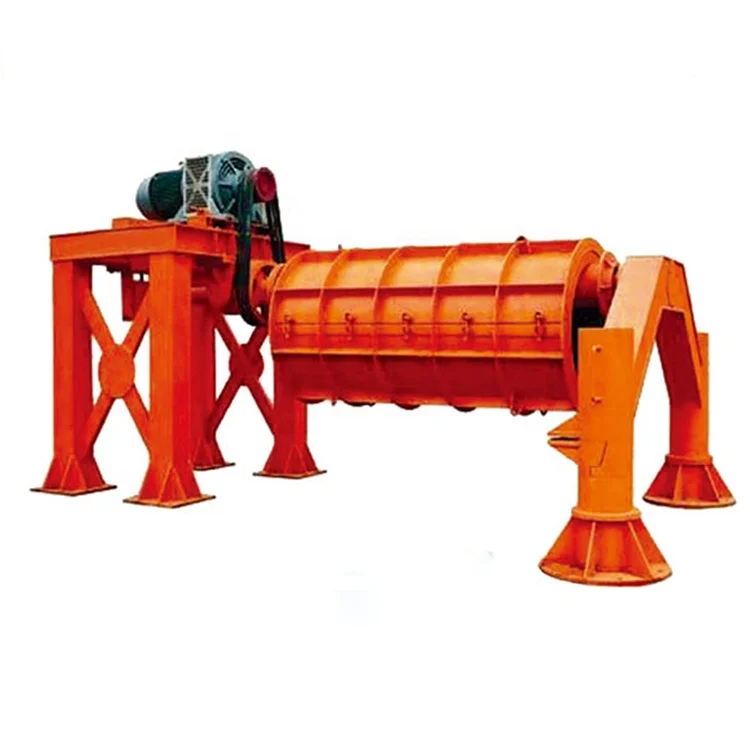
| Product Type | Concrete Pipe Making Machine |
| Pipe Diameter Range | 300–2500 mm |
| Pipe Length Range | 2–4 meters |
| Forming Method | Suspension roller centrifugal compaction |
| Cycle Time | 3–5 minutes per pipe (basis: standard wall thickness, diameter dependent) |
| Noise Level | 80–90 dB |
| Pipe Joint Types | Flush joint, socket & spigot joint (customizable) |
| Material Type | Dry cast concrete |
| Mould Type | Customized concrete pipe mould |
| Output Capacity | (basis to be confirmed per diameter, length and wall thickness) |
Application Suitability
| Application | Material or Output |
|---|---|
| Reinforced concrete pipe production | Dry cast concrete with steel cage reinforcement |
| Municipal and administrative drainage systems | Large diameter pipes up to 2500 mm for storm and sewer lines |
| Agricultural field irrigation | Standard diameter pipes with socket & spigot joints |
| Road culvert construction | Heavy-duty reinforced pipes with flush or custom joints |
| Deep water well casing | High-density centrifugally compacted concrete pipes |
| Pre-stressed concrete pipe production | Pre-tensioned steel wire reinforcement within dry cast mix |
What "3 to 5 Minutes per Pipe" Actually Depends On
Cycle time shifts with diameter, wall thickness, and the concrete mix you feed into the hopper.
When a supplier quotes a cycle time without naming the pipe dimensions behind that number, the real daily output on your shop floor rarely matches the brochure. A 300 mm drainage pipe and a 2500 mm culvert pipe demand very different roller speeds and compaction durations. In my years handling equipment installations across Latin America, I watched more than one contractor miss a project deadline because the machine was sized on a best-case cycle that their actual product mix could never sustain [NEED_CITE: realistic cycle time variables in centrifugal pipe forming]. The suspension roller method relies on dry cast concrete and centrifugal force, meaning the moisture content and aggregate grading of your local materials directly influence how quickly a pipe reaches target density.
Stock Availability and Dispatch Timing
Project deadlines do not wait for production slots to open up. The Concrete Pipe Making Machine in stock models are ready for container loading, with standard moulds for common diameters available from inventory. When you receive a quotation, it includes the dispatch lead time and an estimated arrival window at your destination port. This removes the uncertainty that typically follows a purchase order, where buyers spend weeks chasing shipping updates [NEED_CITE: typical lead time expectations for stocked industrial machinery].
Container Loading and Shipment Preparation
A machine covering up to 2500 mm pipe diameter is a substantial piece of equipment. The main frame, roller assembly, and drive system are dismantled into container-compatible sections before loading. Each section is secured with blocking and bracing to prevent movement during ocean transit. Packing photographs are taken before the container doors close, giving you a visual record for insurance and customs purposes. The Concrete Pipe Making Machine in stock configuration is designed so that reassembly at your site follows a logical sequence without requiring specialized heavy lifting equipment beyond a standard overhead crane or mobile forklift.
Reading the Specifications Against Your Project
The 300–2500 mm diameter range means a single machine platform can serve multiple pipe formats, but not simultaneously. Mould changeover requires physical swapping of the pipe mould and adjustment of the roller positioning. The 2–4 meter pipe length capability must be matched to your transport logistics — pipes longer than standard truck beds require on-site production or specialized hauling. Dry cast concrete as the material type eliminates waste cement slurry and keeps the production area cleaner than wet cast alternatives, but it demands a consistent aggregate supply with controlled moisture content to maintain compaction quality. The 80–90 dB noise level during operation means hearing protection is mandatory for operators, and workshop acoustic treatment should be factored into your facility planning.
The Hidden Cost of Skipping Voltage Confirmation
Voltage, frequency, and control language are often treated as afterthoughts, finalized only after the machine is already in production. I have seen a pipe line sit idle for weeks at a port in Chile because the motor was wound for 380V/50Hz while the site ran 440V/60Hz [NEED_CITE: voltage and frequency standards by export market]. Rewinding a main drive motor on-site is expensive, slow, and introduces reliability questions that follow the machine for years. Confirming these electrical parameters at the quotation stage — not the shipping stage — prevents the delay and the cost.
Why Buyers Source Through This Channel
Stocked models mean your order does not queue behind a production backlog. Standard moulds for flush joint and socket & spigot joint configurations ship with the machine, so you are not waiting a second lead time for tooling. Container loading plans are prepared before dispatch, not improvised on the warehouse floor. Documentation packages arrive complete with customs paperwork, so import clearance does not become a separate project. The focus stays on getting the Concrete Pipe Making Machine in stock configuration onto a vessel and to your site within the timeline quoted.
Documentation & Verification
- Machine specification sheet with pipe diameter range, length, and cycle time confirmed per format
- Mould drawing and joint type list included in the delivery package
- Voltage, frequency, and control language confirmation documented before production begins
- Packing photographs provided before container sealing for insurance and customs reference
- Customs documentation support prepared to match destination country import requirements
Installation, Commissioning & Support
- Foundation requirements based on the machine footprint and vibration load from roller compaction
- Power supply circuit sized to the rated motor load with appropriate breaker protection
- Dismantled sections reassembled on-site following the marked component sequence
- First-run commissioning includes roller speed calibration against your local dry cast mix
- Operator training covers mould changeover, cycle timing, and daily maintenance checkpoints
- Wear parts list with recommended spare inventory to prevent unplanned downtime
What to Share When You Inquire
To match the right stocked model to your project, share the pipe diameters and lengths you need to produce, the joint type your market requires, and your local voltage and frequency standard. If you have a project deadline driving the purchase, state it upfront so dispatch scheduling can be built around it.
Frequently Asked Questions
Q: Which models are currently in stock and what is the dispatch lead time?
A: Stocked models cover the standard diameter range within the 300–2500 mm platform. Dispatch lead time is confirmed at quotation based on current inventory and your destination port. Container booking follows immediately after order confirmation to lock in the earliest available sailing.
Q: How is the machine dismantled and loaded into containers for shipment?
A: The main frame, roller assembly, drive system, and moulds are separated into sections that fit standard shipping containers. Each section is blocked and braced to prevent transit damage. Packing photographs document the loading condition before container doors are sealed.
Q: What is the estimated arrival time from order to port of destination?
A: Arrival estimates are quoted at the order stage based on current vessel schedules to your port. This includes inland transport to the loading port, ocean transit, and any scheduled transshipment stops. You receive the estimate before committing to the order.
Q: Are standard pipe moulds available from stock or must they be custom-ordered?
A: Standard moulds for common diameters with flush joint and socket & spigot configurations are available from stock. Non-standard diameters or specialty joint designs require a separate mould lead time, which is quoted alongside the machine.
Q: What documentation is provided for customs clearance and import compliance?
A: The documentation package includes the commercial invoice, packing list, bill of lading, certificate of origin, and machine specification sheet. CE declaration is provided where applicable to the destination market. All documents are prepared to match the import requirements of your country.