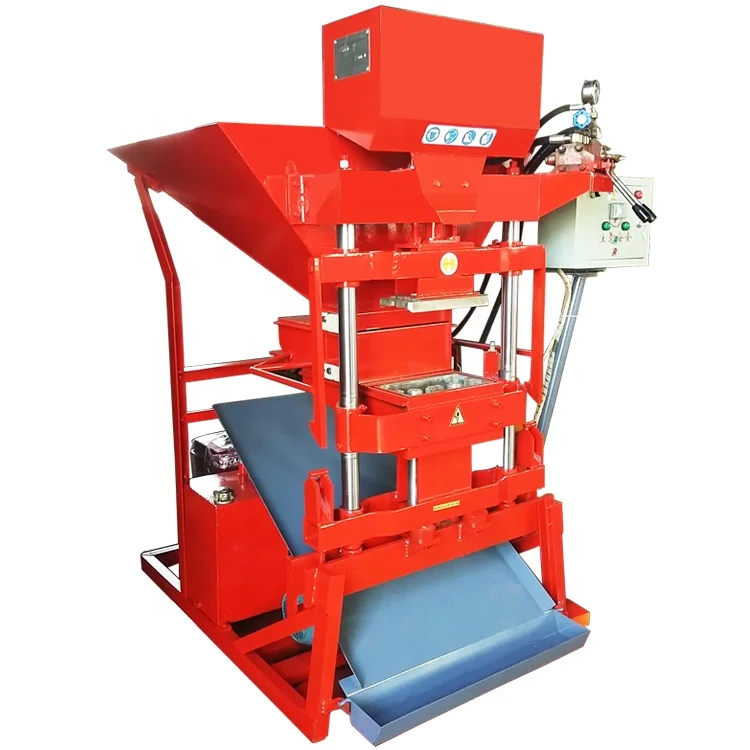
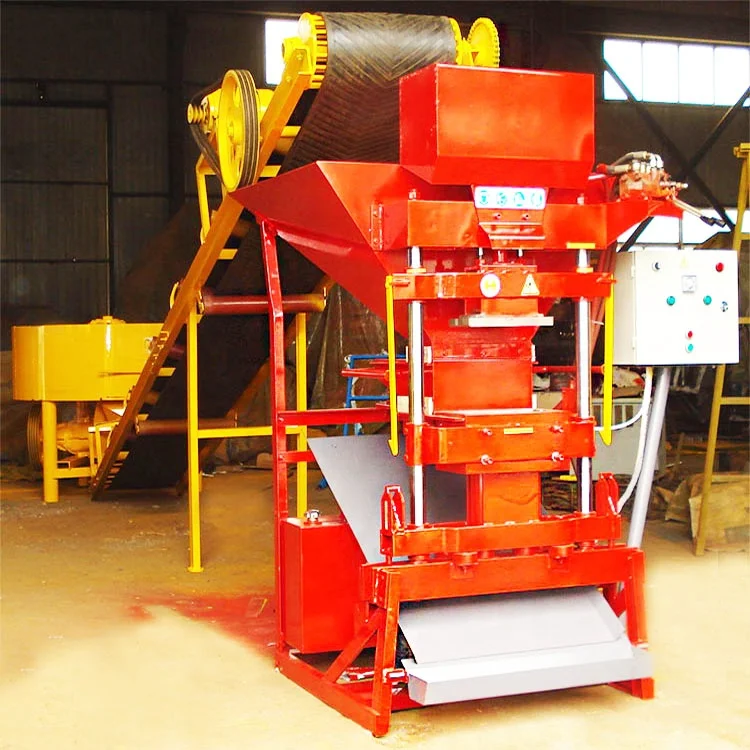
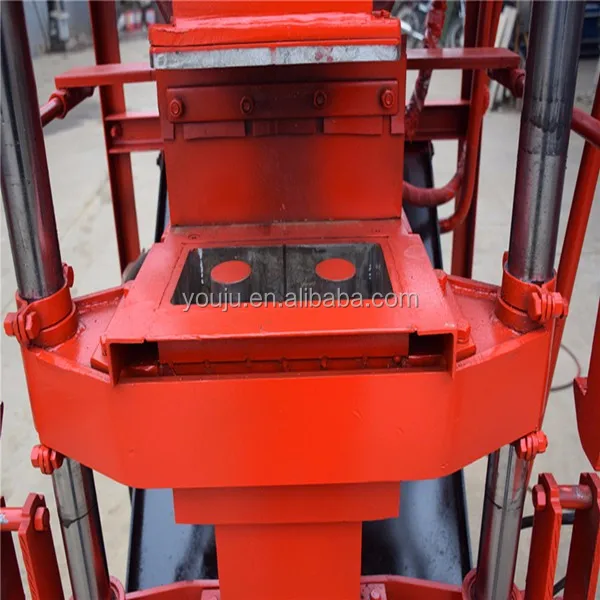
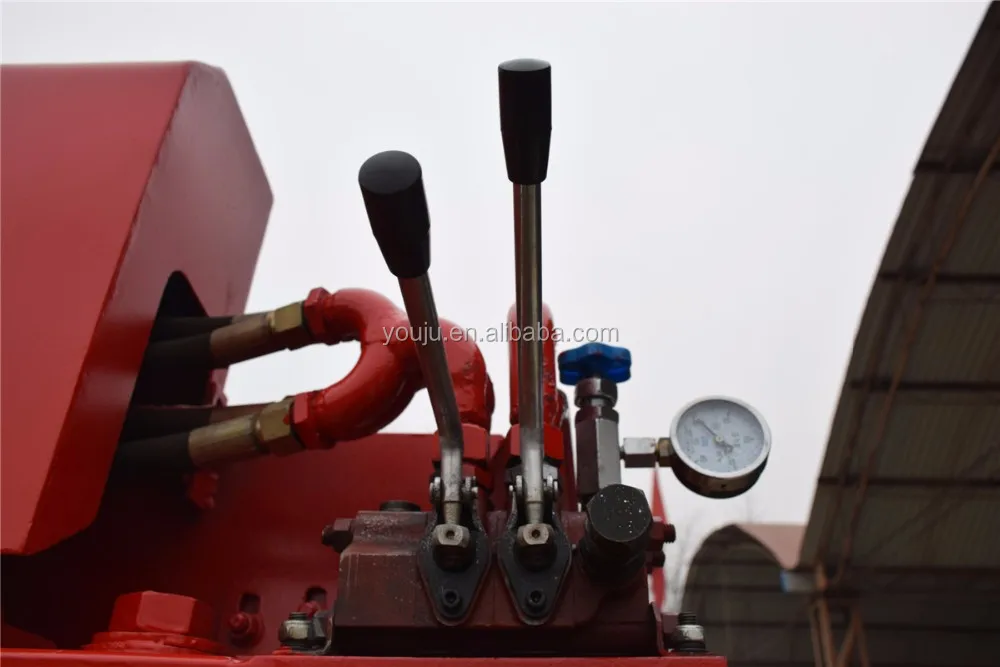
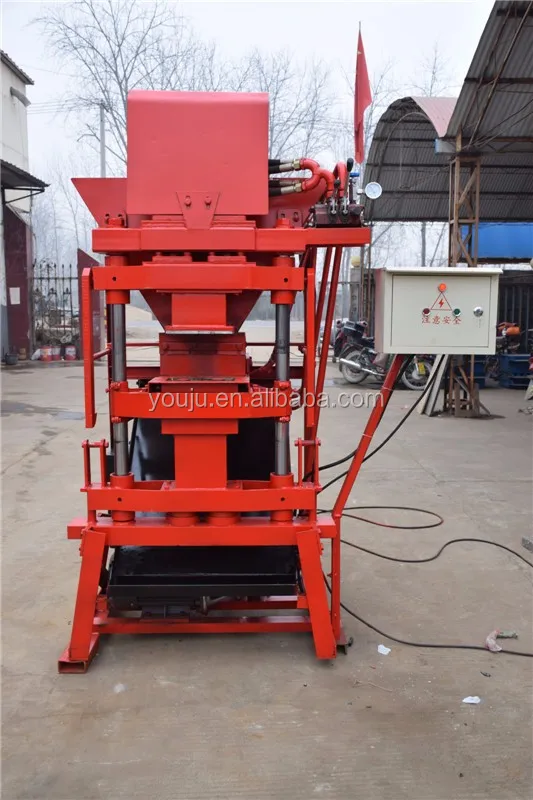
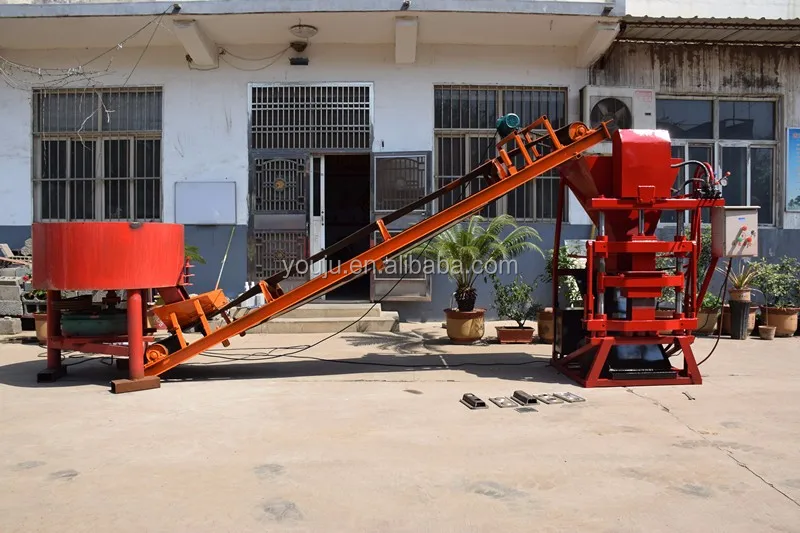
Description
Stocked Hydraulic Press — ECO 2700 units are built and tested ahead of order, so container loading and departure dates are quoted on the proforma invoice rather than estimated after production starts.
Technical Specifications
| Parameter | Value |
|---|---|
| Model | ECO 2700 |
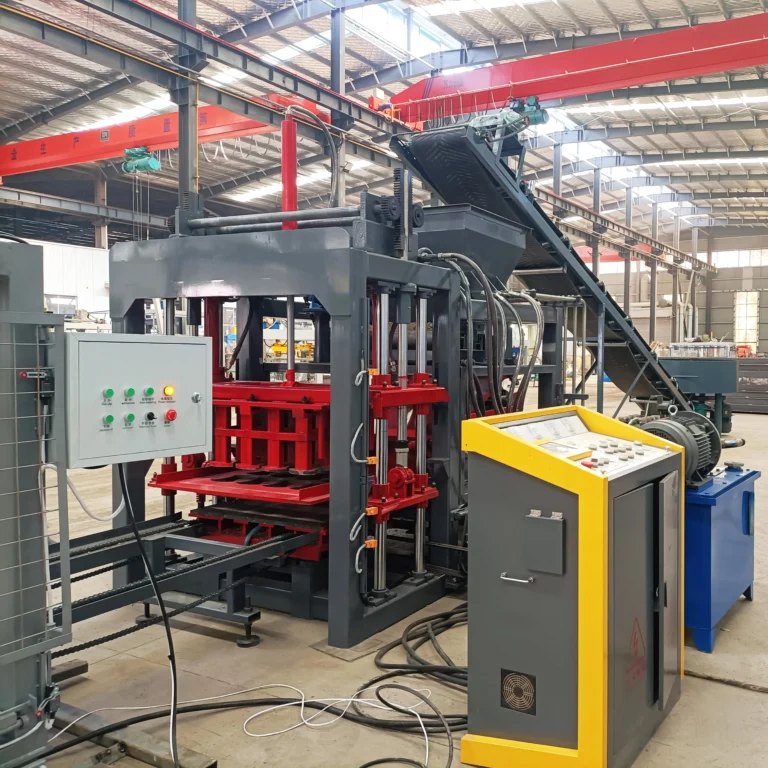
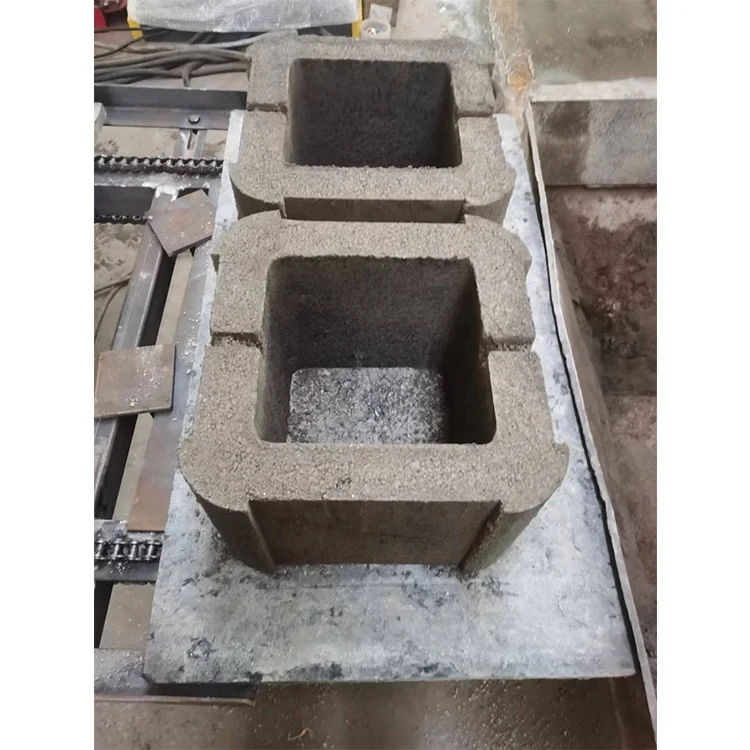
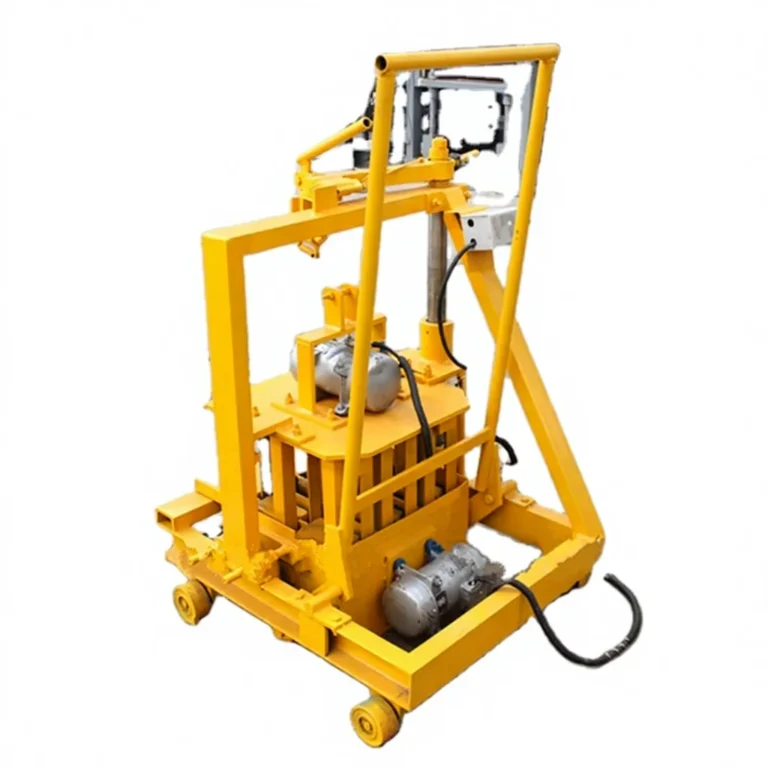
| Product Type | Hydraulic Clay Interlocking Brick Making Machine |
| Machine Power | 7.5 kW electric motor or 12 hp diesel engine |
| Molding Cycle | 10 s |
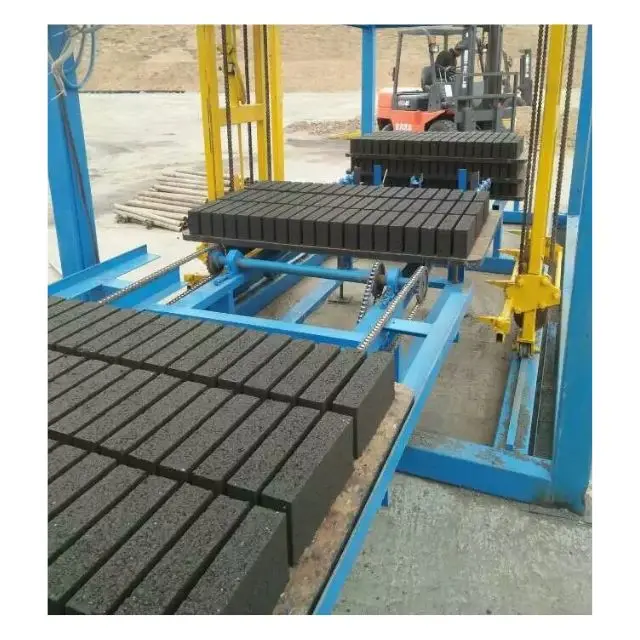
| Output Capacity | 350 pcs/hour, 2800 pcs/8 hours (based on 300×150×100 mm or 250×125×75 mm interlocking brick, 1 pc/mould — basis to be confirmed) |
| Hydraulic Pressure | 16 MPa |
| Raw Material | clay, soil, earth, mud, concrete, sand, cement, fly ash |
| Operation Mode | Automatic feeding, mould pressing and lifting |
| Machine Weight | 900 kg |
| Overall Dimensions (L×W×H) | 1600 × 1300 × 2330 mm |
| General Water Consumption | 4 T / day |
| Workers Required | 1–3 |
| Workshop Area | 150 m² |
| Mould System | Interchangeable moulds for varied block, brick and floor formats |
| Certification | CE |
Application Suitability
| Application | Material or Output |
|---|---|
| On-site interlocking brick production | Clay, soil, earth mixed with cement or lime |
| Small-plant cement brick runs | Sand, fly ash, crushed stone with cement binder |
| Off-grid project sites | Diesel engine configuration where grid power is unavailable |
| Multiple format production | Interchangeable moulds for block, brick and paver formats on one machine |
What "2800 Bricks per Day" Leaves Out When Ordering a Clay Interlocking Brick Machine
Capacity is only real when the soil moisture, cement ratio and hydraulic pressure are matched to your actual clay sample.
An ECO 2700 clay interlocking brick machine in stock can ship quickly, but arriving on site fast does not guarantee hitting the quoted output. I once watched a line stall for weeks because the local volcanic clay held far more water than the test sample we had used at the factory. The hydraulic pressure was correct for dry earth, not for wet clay, and every brick cracked on demoulding. The machine sat idle while we reconfigured the pressure settings and adjusted the mix. That delay cost the contractor far more than any price difference between suppliers. Buyers working to a project deadline need the arrival date and the first production run to happen on schedule — not just the bill of lading [NEED_CITE: clay moisture variability and compressive strength outcomes].
Dispatch Readiness and Container Loading
The ECO 2700 clay interlocking brick machine in stock is held in a state ready for container loading. Machine dismantling is planned before dispatch: the hydraulic cylinder and upper press frame are separated from the base, keeping the overall packed footprint within a standard container. This means the loading plan is fixed before the machine leaves the factory floor, and the buyer receives a departure date tied to a confirmed vessel — not a guess based on production finishing on time.
Arrival Estimate Quoted Before Deposit
For buyers on a tight construction schedule, knowing when the machine clears the destination port matters as much as knowing when it ships. The arrival estimate is calculated against the buyer’s port at the quotation stage. Transit time, typical port congestion, and customs documentation requirements are factored in before any deposit changes hands. This prevents a situation where the machine arrives late in the building season because transit assumptions were made after the order was placed [NEED_CITE: typical ocean freight transit variability by route].
Pressure, Cycle Time and Format Reality
The 16 MPa hydraulic pressure is the core variable for interlocking brick density. In clay-soil applications, this pressure must be sufficient to compact the mix into a brick that holds its interlocking geometry when stacked dry — without mortar between courses. The 10-second molding cycle yields the stated 350 pcs/hour only when the operator maintains a steady feed of pre-mixed material into the hopper and the mould clears cleanly each stroke. If the clay is too wet, the brick sticks in the mould and the cycle stretches well beyond 10 seconds. The 900 kg machine weight keeps the frame stable under full hydraulic pressure, but the foundation must be level and solid enough to absorb the vibration without shifting over an eight-hour shift.
The Cost of Shipping Before the Soil Sample Is Tested
Rushing a machine out the door before confirming the buyer’s raw material leads to costly on-site reconfiguration. When the local clay differs from the factory test sample, the hydraulic pressure may need to be adjusted, the mould clearance changed, or the cement ratio increased — all while the construction crew waits. Downtime on a housing project with walls ready for brick but no bricks to lay turns a fast delivery into a slow failure [NEED_CITE: cost of idle construction crews on delayed equipment arrival]. Selecting an ECO 2700 clay interlocking brick machine in stock avoids production lead time, but skipping the soil verification step negates that advantage.
Why Buyers Working to Deadlines Source Here
Every ECO 2700 is configured against the buyer’s actual clay sample and target brick format before dispatch, so the machine arrives set to the correct pressure and mould clearance. Stock status and dispatch lead time are confirmed in writing before the deposit, eliminating guesswork on the project timeline. Container loading and dismantling are planned at the quotation stage, so the arrival estimate at the destination port is stated upfront. Mould formats and hydraulic wear parts ship in the same container, meaning the first replacement is on hand when the original moulds show wear. Factory test records on the buyer’s specific soil mix accompany the machine, providing a baseline for on-site commissioning [NEED_CITE: machinery documentation standards for export equipment].
Documentation & Verification
- Factory test record on your clay sample and target brick format before dispatch
- Hydraulic pressure and cycle time log from production run matching your mould selection
- Container loading plan showing dismantling sequence and lashing points
- Voltage and frequency confirmation sheet matching your site electrical supply
- Mould format list and hydraulic wear parts inventory included in shipping documents
- CE declaration with machinery directive compliance for applicable markets
Installation, Commissioning & Support
- 150 m² workshop area requirement with level concrete slab for 900 kg machine stability
- 7.5 kW motor connection or 12 hp diesel engine setup confirmed before arrival
- Hydraulic pressure set to 16 MPa and verified against your clay sample on first run
- Mould change training covering all interchangeable formats shipped with the machine
- Water supply at 4 T/day confirmed and connected before commissioning begins
- Wear parts replacement schedule based on your daily output and material abrasiveness
Requesting an Accurate Arrival Estimate
To quote a realistic dispatch date and port arrival, we need your destination port, target brick dimensions, and a soil sample or description of the local clay. If the site operates off-grid, confirm whether the diesel engine option is required. Providing these details at the inquiry stage allows the arrival estimate to be written into the quotation — not added as an afterthought once the order is placed.
Frequently Asked Questions
Q: Is the ECO 2700 currently in stock, and what is the dispatch lead time?
A: The ECO 2700 clay interlocking brick machine in stock is held ready for container loading. Dispatch lead time is confirmed in writing at the quotation stage, based on your mould selection and any pre-shipment soil testing required. This date is stated on the proforma invoice before deposit payment.
Q: How is the machine dismantled and loaded for container shipment?
A: The hydraulic cylinder and upper press frame are separated from the base to fit within a standard container. The dismantling and lashing plan is provided with the quotation, so the buyer can prepare the unloading equipment at the destination port in advance.
Q: What arrival estimate can be quoted for my destination port?
A: Transit time and typical port handling at your destination are calculated before the quotation is issued. The arrival estimate appears on the proforma invoice alongside the dispatch date, giving a clear timeline for project planning.
Q: Which mould formats ship with the machine, and can additional formats be added?
A: The ECO 2700 ships with interchangeable moulds matched to your target brick dimensions. Additional mould formats can be included in the same container at the time of dispatch, provided they are confirmed before the loading plan is finalized.
Q: Are hydraulic wear parts and replacement moulds included in the first shipment?
A: A hydraulic wear parts list and replacement mould options are specified at the quotation stage and loaded in the same container. This ensures the first replacement cycle is covered without waiting for a separate parts shipment to arrive.