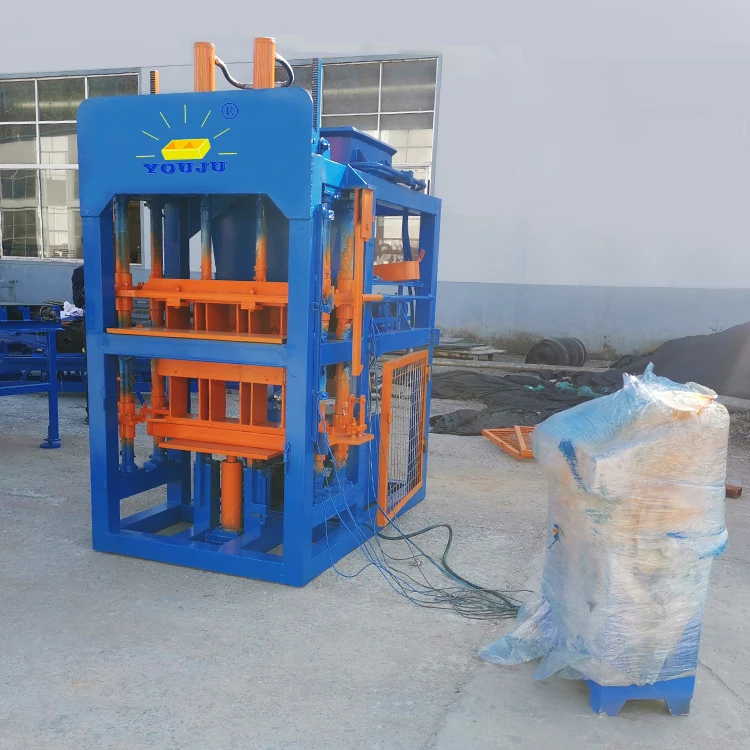
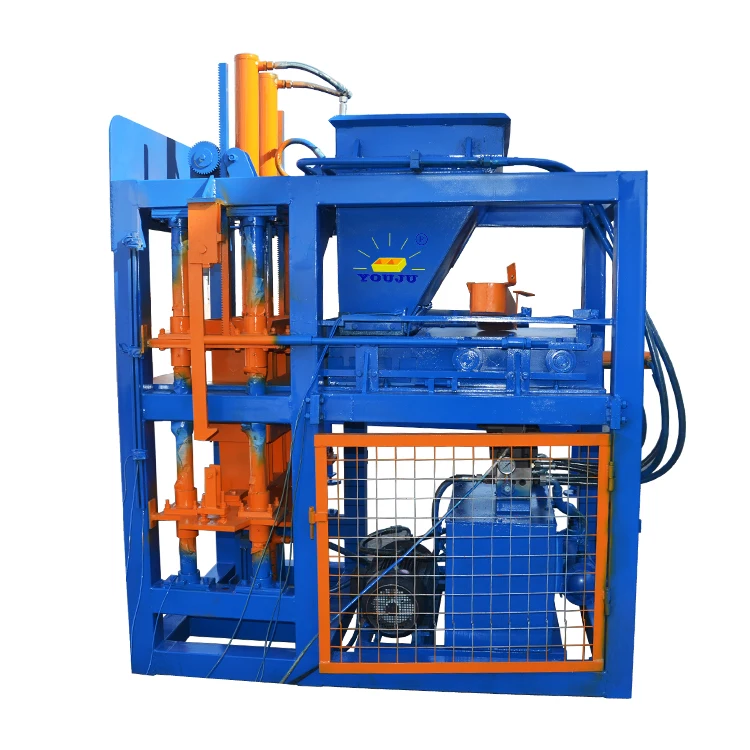
Description
Rapid Dispatch Readiness — LY4-10 units are factory-tested, crated, and staged for container loading so your project timeline dictates the schedule, not our production queue.
Technical Specifications
| Parameter | Value |
|---|---|
| Model | LY4-10 |
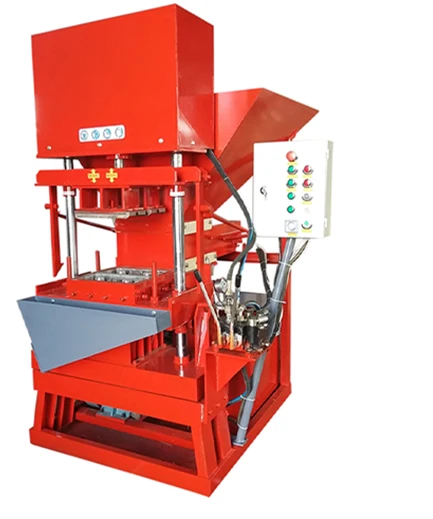
| Product Type | Interlocking Brick Making Machine |
| Machine Power | 11 kW |
| Hydraulic Pressure | 16 MPa |
| Molding Cycle | 10–15 s (basis not stated in source — confirm block format / material / thickness) |
| Capacity | 14,400 pcs/day (based on 300×150×100 mm interlocking brick, 4 pcs/mould) |
| Output per Hour | 1,440 pcs/hour (based on 300×150×100 mm interlocking brick, 4 pcs/mould) |
| Raw Materials | Laterite, yellow or red soil, sand, cement, water |
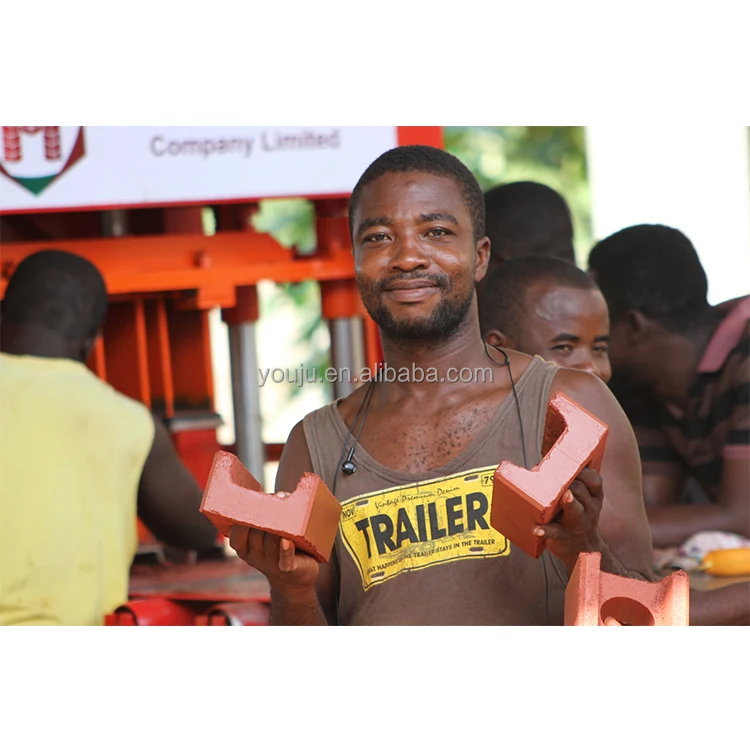
| Block Size | 300×150×100 mm |
| Pcs per Mould | 4 |
| Automation Level | Automatic (material feeding, mould pressing, mould lifting) |
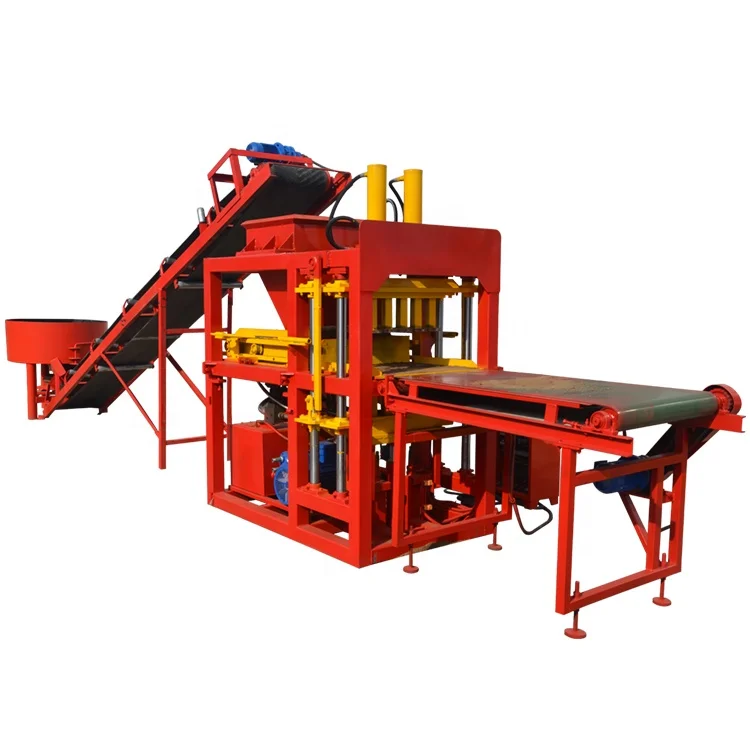
| Overall Size | 2,260 × 1,500 × 2,380 mm |
| Machine Weight | 1,600 kg |
| Worker Requirement | 1–2 workers |
| Standards | CE, ISO 9001 |
Application Suitability
| Application | Material or Output |
|---|---|
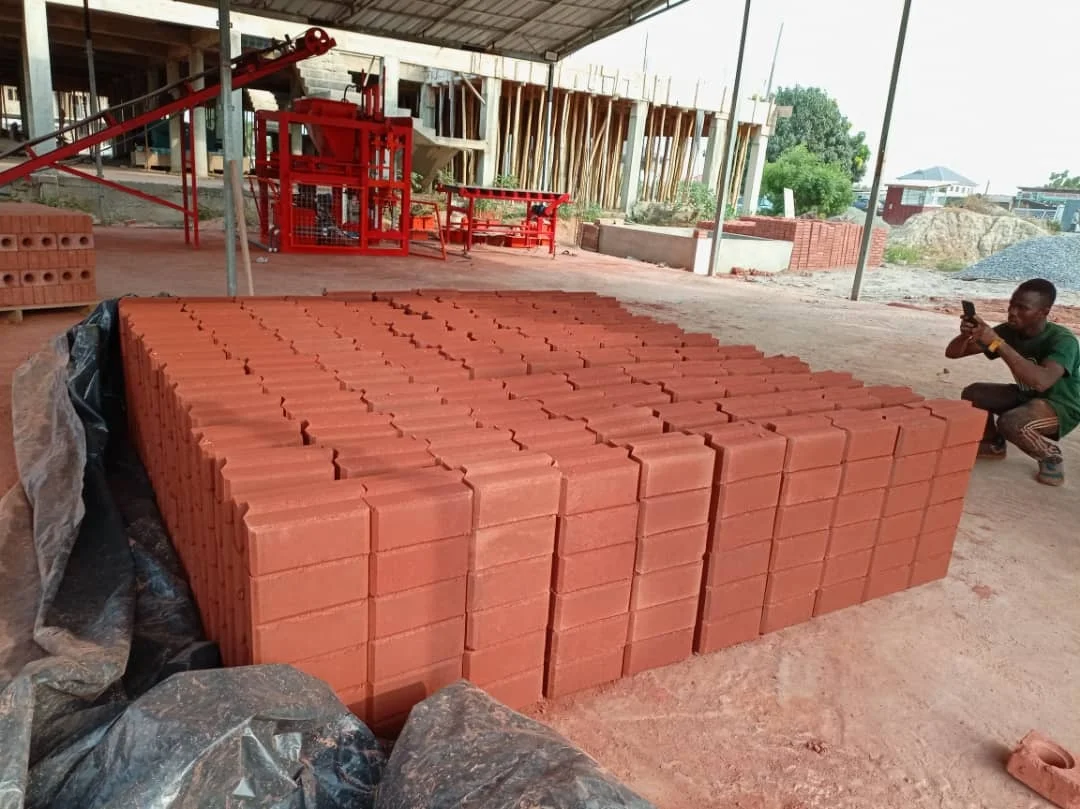
| On-site housing project brick production | Laterite and red soil mixed with cement and water |
| Interlocking brick supply for building contractors | Yellow soil and sand blends with Portland cement |
| Road paving and square construction | Cement-stabilized soil for load-bearing pavers |
| Garden and landscaping brick formats | Colored soil mixes for decorative interlocking profiles |
| Ecological brick production for city construction | Local aggregate with low cement ratios |
Why the Voltage Question Must Come Before the Container Booking
Confirming site voltage and frequency before dispatch prevents a three-week standstill that no amount of on-site troubleshooting can shorten.
I spent years shipping block machines across Southeast Asia, and the most expensive delay I have witnessed had nothing to do with the press itself. A LY4-10 Interlocking Brick Making Machine arrived at a project site wired for 220V/60Hz, but the factory had shipped it configured for 380V/50Hz. The main breaker tripped the moment the operator pressed start. Fifteen workers stood idle while we sourced and installed a variable-frequency drive — a fix that consumed nearly three weeks of a deadline that had no slack built in. [NEED_CITE: voltage and frequency standards by export market]
That incident reshaped how every order is processed here. Electrical parameters — voltage, phase, frequency, and PLC display language — are now locked in writing before the machine enters final assembly. The LY4-10 Interlocking Brick Machine in stock is no exception: its 11 kW motor and hydraulic pump are matched to the confirmed supply, and the control panel is labelled in the operator’s language before the crate is sealed.
Stock Availability and What It Actually Means
When we list an LY4-10 Interlocking Brick Machine in stock, the unit has completed its factory cycle test, passed hydraulic pressure validation at 16 MPa, and is positioned in the dispatch area awaiting container assignment. This is not a machine still on the assembly line waiting for a buyer — it is a finished, tested unit with a documented test record. Dispatch lead time is measured in days for container booking and customs paperwork, not weeks for production scheduling.
How Container Loading Is Planned Around the Machine Footprint
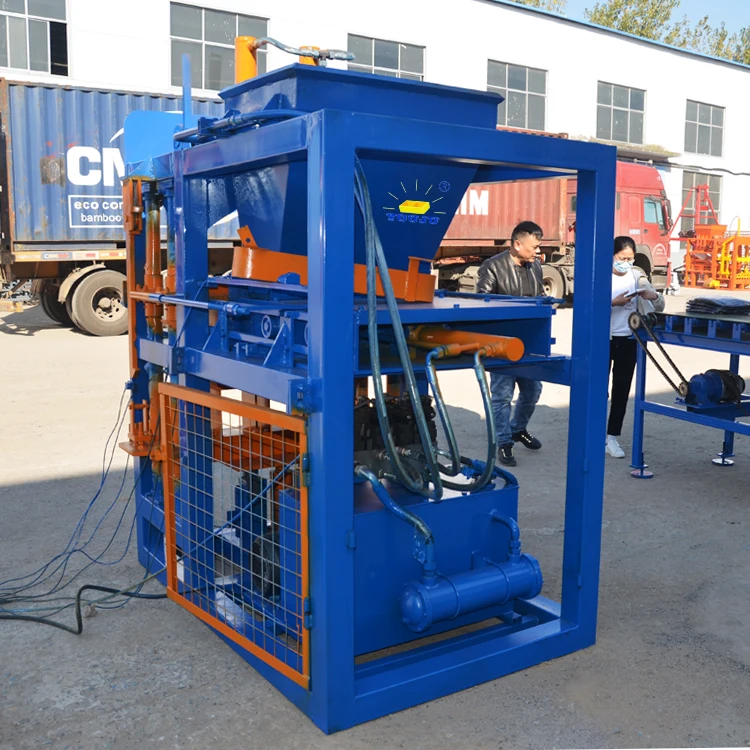
The LY4-10 measures 2,260 × 1,500 × 2,380 mm and weighs 1,600 kg. These dimensions allow the main frame to be loaded upright into a standard 20-foot container with mould assemblies and pallets secured alongside. Dismantling is limited to removable components — the hydraulic power pack, hopper, and control cabinet — each crated separately and lashed to the container floor. Loading photographs are taken at every stage so the buyer can verify condition before the container doors close. [NEED_CITE: container loading standards for heavy industrial machinery]
Reading the Numbers That Matter for Clay Interlocking Brick
The 16 MPa hydraulic pressure is the figure that directly governs brick density when working with laterite and soil-based mixes. Unlike pure concrete, clay-soil blends contain fine particles that require sustained pressure to compact fully; insufficient pressure leaves voids that weaken the interlocking profile and cause edge chipping during handling. The 10–15 second moulding cycle applies to the standard 300×150×100 mm interlocking brick at four pieces per mould — altering the block thickness or switching to a denser aggregate mix will shift this cycle and must be validated during commissioning. The 11 kW total power rating covers the hydraulic pump, vibration motor, and material feed system operating simultaneously, which means the site electrical supply must support this continuous draw plus starting surge on a dedicated circuit. Automatic material feeding and mould lifting reduce the crew to one or two workers per shift, a significant consideration in regions where skilled machine operators are scarce.
The Real Cost of Skipping the Electrical and Material Check
A machine configured for the wrong voltage does not simply underperform — it fails to energize, leaving an entire project crew waiting on an electrical component that may not be available locally. Similarly, a mix design built around cement ratios the local quarry cannot supply forces the buyer to import aggregate at a cost that erodes the margin the machine was supposed to deliver. These are not theoretical risks; they are the most common reasons a commissioned machine sits idle during its first month on site. [NEED_CITE: common causes of industrial equipment commissioning delays]
Why Buyers Source This Machine Through This Channel
Block machinery is the sole focus of the production facility behind the LY4-10, meaning the press, mould, pallet, and handling equipment are specified as one matched system rather than assembled from unrelated suppliers. Every machine is configured against the buyer’s confirmed raw material and target block format, not a catalogue default. Mould design covers the interlocking profiles the buyer’s market actually sells, and custom mould drawings are supported when standard formats do not match local building codes. Stocked units and standard moulds ship on compressed timelines, and arrival estimates are quoted before the order is placed so the buyer can plan around a known date.
Documentation & Verification
- Factory test record confirming cycle time on your specified interlocking brick format
- Voltage, frequency, and PLC language confirmation sheet signed before dispatch
- Machine specification sheet with hydraulic and electrical schematics
- Packing photographs taken at each container loading stage
- Customs documentation package prepared for destination country requirements
- CE declaration included where applicable for the target market
Installation, Commissioning & Support
- Foundation must support 1,600 kg static load plus dynamic vibration forces on a level concrete pad
- Dedicated electrical circuit required for the 11 kW total draw with correct voltage and phase
- Machine arrives partially dismantled; hydraulic pack and hopper reassembled on site during commissioning
- First production run validates moulding cycle and brick density against the confirmed mix design
- Operator training covers mould change procedure, hydraulic pressure adjustment, and daily maintenance routines
- Wear parts list and mould catalogue provided for ongoing replacement planning
Before You Request a Quote
To move quickly, share your target interlocking brick dimensions, the type of soil or laterite available at your project site, and the local voltage and frequency supply. Confirming whether you need the machine on site by a fixed date helps us match you to available stock and plan the container booking around your deadline. If you have existing pallets or curing racks, send the dimensions so the pallet feed system is aligned before the machine ships.
Frequently Asked Questions
Q: What is the actual dispatch lead time once an order is confirmed?
A: Stocked LY4-10 units are tested and ready for container loading. Dispatch lead time covers container booking, export customs clearance, and documentation preparation, which typically takes a matter of days rather than weeks. The arrival estimate is quoted at order confirmation so you can plan your project schedule around a known delivery window.
Q: Which voltage standards and frequency configurations does this machine ship to?
A: The LY4-10 is configured to match the buyer’s confirmed site power supply before final assembly. Voltage, phase, and frequency are verified in writing, and the motor, hydraulic pump, and control panel are all set to the specified standard. PLC display language is also confirmed so operators can read instructions in their working language from day one.
Q: What raw material proportions work best for local clay and laterite types?
A: Ideal mix ratios depend on the specific clay composition, moisture content, and cement availability at your site. During the inquiry stage, we review your local material characteristics and recommend a starting mix proportion. The first production run on site fine-tunes the ratio to achieve the required brick density and interlocking strength.
Q: How is the machine dismantled and loaded for container shipment?
A: The main frame ships upright in a standard container. Removable components — hydraulic power pack, hopper, and control cabinet — are crated and secured separately. Loading photographs document each stage, and the reassembly sequence is covered during on-site commissioning so no specialized tools or heavy lifting equipment are needed beyond what is normally available at a construction site.
Q: What documentation comes with the machine for customs clearance?
A: Each shipment includes a commercial invoice, packing list, bill of lading, CE declaration where applicable, and a factory test record. Additional documentation required by specific destination countries is prepared in advance. The customs documentation package is reviewed with the buyer before the container sails to prevent clearance delays at the port of entry.