
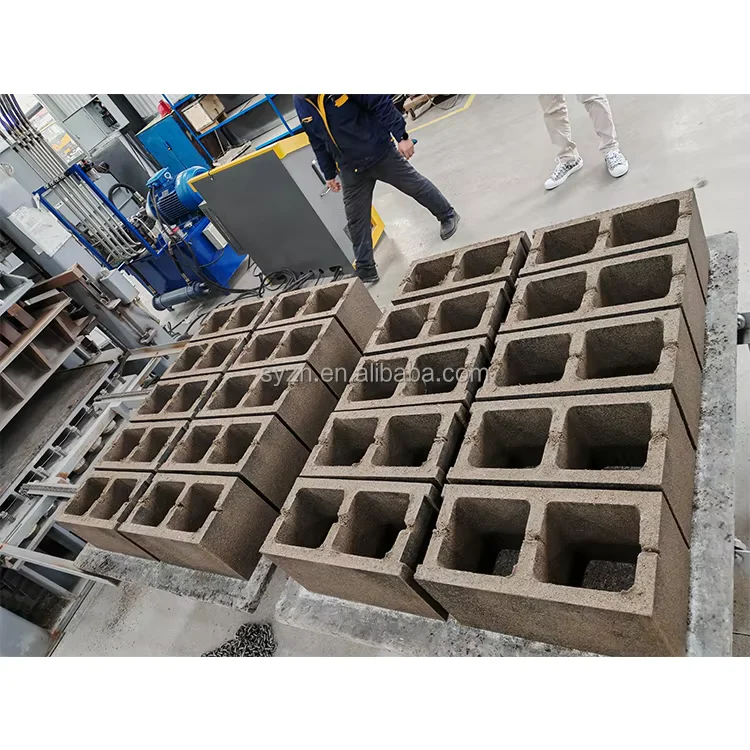
Description
Rapid site readiness — pre-planned dismantling and container loading ensure your equipment arrives and enters the facility without structural surprises.
Technical Specifications
| Parameter | Value |
|---|---|
| Model | QT15-15 |
| Product Type | Automatic Block Making Machine |
| Forming Method | Hydraulic Pressure |
| Rated Pressure | 100 MPa |
| Overall Dimensions (L×W×H) | 8100 × 1600 × 2610 mm |
| Pallet Size | 1350 × 1350 mm |
| Voltage Options | 380 V, 415 V, 220 V, 440 V |
| Weight | 7200 kg |
| Total Mass | 10T (source value — verify against manufacturer catalog) |
| Molding Cycle | 15S (basis not stated in source — confirm block format / material / thickness) |
| Worker Requirement | 3-5 |
Application Suitability
| Application | Material or Output |
|---|---|
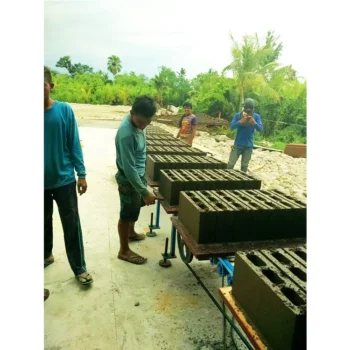
| Hollow block production | Crushed stone, cement, and flyash |
| Solid brick manufacturing | Standard concrete mixes |
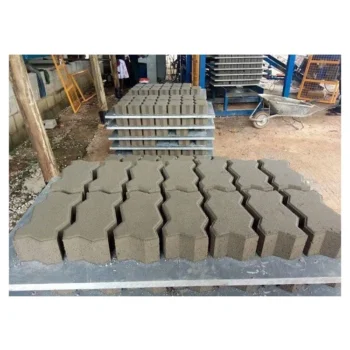
| Paving block formation | High-density aggregate blends |
What "Immediate Dispatch" Actually Requires on Your End
Securing a QT15-15 block making machine in stock only solves half the delivery equation; the other half is ensuring your facility can physically receive the main press when the container doors open.
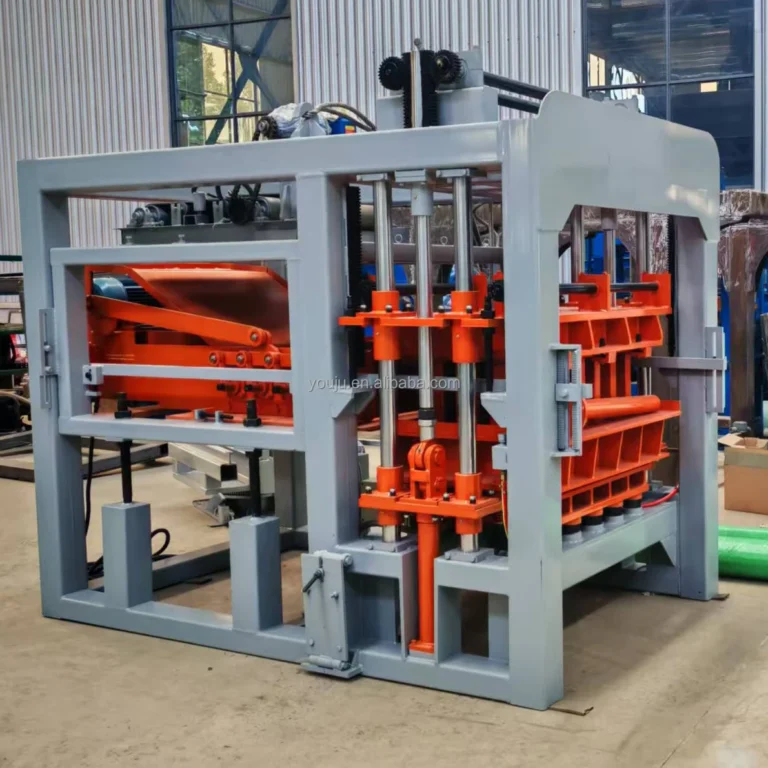
I have seen fully automatic lines arrive at project sites only to be stranded in the yard because the buyer forgot to measure the workshop entrance. The main press of this model stands 2610 mm tall. If your roller door clearance is lower, or if the internal ceiling height restricts the lifting equipment needed to position the machine, your fast-tracked delivery halts at the loading dock. We pre-calculate the dismantling sequence for container loading, but your site must be ready for the reassembly footprint [NEED_CITE: standard industrial facility clearance requirements for heavy machinery].
Dispatch Timelines and Container Loading
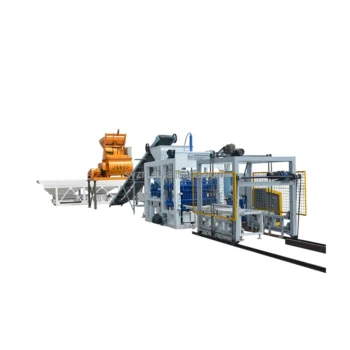
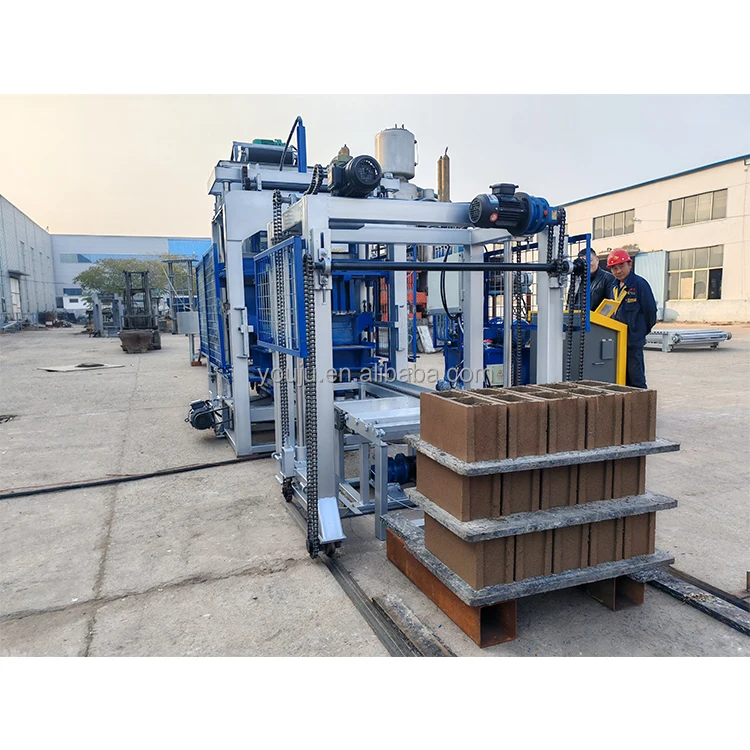
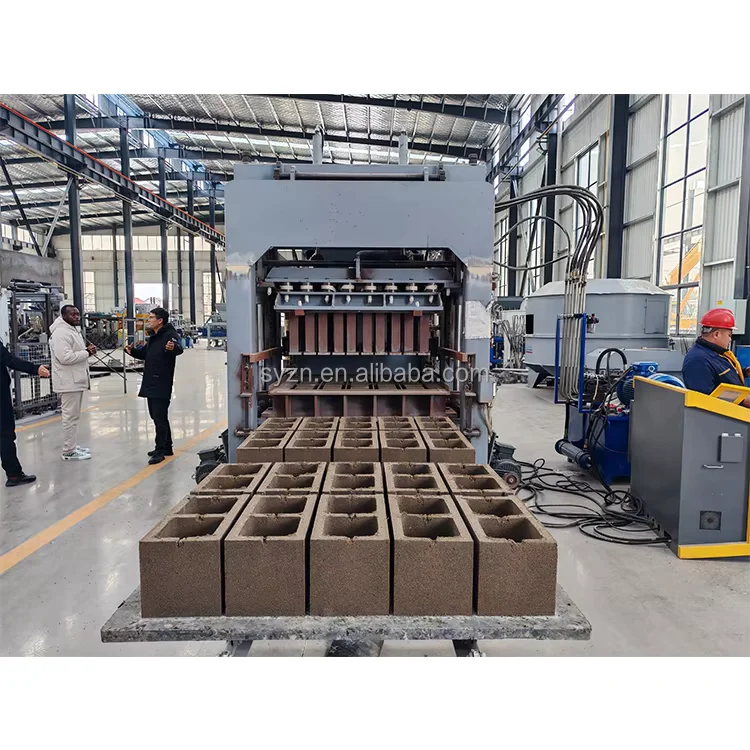
When a construction milestone is looming, the primary advantage of sourcing a QT15-15 block making machine in stock is the elimination of the manufacturing queue. The equipment is fully assembled, tested, and prepared for immediate breakdown into shipping dimensions. The 8100 mm length of the main frame dictates the container strategy, requiring precise dismantling to fit standard flat racks or open-top units without compromising the hydraulic line integrity during transit.
Arrival Estimates and Port Clearance
Speed in ordering must be matched by transparency in transit. We provide upfront arrival estimates based on current vessel schedules, ensuring your ground crew is scheduled for the exact week of arrival. Complete customs documentation and packing photographs are generated before the ship leaves port, preventing administrative holds that could sideline a time-sensitive housing project [NEED_CITE: international freight forwarding documentation standards].
Matching the 100 MPa Press to Site Infrastructure
The 100 MPa rated hydraulic pressure system demands a stable foundation and reliable power. The available voltage configurations (380 V, 415 V, 220 V, 440 V) must be matched to your local grid before the machine is loaded. If the site transformer cannot handle the startup draw of the main press motor and the hydraulic pump simultaneously, the immediate availability of the machine means nothing. Furthermore, the 1350 × 1350 mm pallet size requires a curing area designed to accommodate those exact dimensions, ensuring wet blocks can be moved directly from the press to the racks without manual restacking.
The Hidden Costs of Overlooking Facility Dimensions
Rushing to secure fast delivery without auditing the workshop layout leads to expensive on-site modifications. I once watched a crew spend three days dismantling a concrete lintel above a factory door just to get the main press inside, completely erasing the time saved by buying stock equipment. If the floor slab cannot support the concentrated dynamic load of the hydraulic vibration, or if the ceiling restricts the overhead crane needed for mould changes, the project schedule fractures [NEED_CITE: structural load bearing standards for vibratory block presses].
Why Source This Ready-to-Ship Line Here
Our focus on block machinery means the main press, pallets, and handling stations are dispatched as a verified, matched system rather than a collection of unrelated parts. We configure the shipping documentation and voltage specifications against your actual site conditions, avoiding catalogue defaults that cause commissioning delays. Every stocked unit includes standard moulds for the formats your local market demands, and our installation support ensures the operator training begins the moment the power is connected.
Documentation & Verification
- Factory test record verifying hydraulic pressure stability before dismantling
- Video outgoing-inspection showing the exact stock unit in operation
- Packing photographs documenting container loading and securing methods
- Customs documentation support tailored to your specific port of entry
Installation, Commissioning & Support
- Foundation curing time calculated for the 8100 × 1600 mm main frame footprint
- Dedicated electrical circuit sizing based on your selected 380 V or 440 V configuration
- Dismantling and reassembly sequence mapped to your workshop crane capacity
- Hydraulic line flushing and pressure calibration during initial site startup
- Operator training focused on the 1350 × 1350 mm pallet handling workflow
- Wear parts inventory aligned with the specific moulds included in the shipment
Preparing Your Site for Immediate Integration
To ensure the dispatch process moves without a hitch, we need to verify your site readiness. Please provide the exact clearance height of your main workshop doors and the internal ceiling height to confirm the 2610 mm press can be maneuvered safely. Additionally, confirm your local voltage and frequency, along with the dimensions of your existing curing yard, so we can ensure the pallet flow matches your spatial constraints.
Frequently Asked Questions
Q: What is the exact dispatch lead time for the stocked QT15-15?
A: Because the unit is already assembled and tested, the lead time is limited to the dismantling, container loading, and export customs clearance process. Once the booking is confirmed, the machine is prepared for the next available vessel, bypassing the standard manufacturing queue entirely.
Q: How is the machine dismantled for container shipment?
A: The 8100 mm main frame and hydraulic stations are broken down into modular sections designed to fit standard shipping containers or flat racks. Hydraulic lines are capped, and critical components are secured to prevent transit damage, ensuring a straightforward reassembly process at your facility.
Q: Are standard pallets included in the ready-to-ship package?
A: Yes, the package includes the standard 1350 × 1350 mm pallets required to run the machine immediately upon commissioning. This ensures you can begin moving wet blocks to your curing area without waiting for third-party pallet fabrication or local sourcing.
Q: What voltage configurations are currently available in stock?
A: The stocked units are configured to accommodate standard industrial voltages, including 380 V, 415 V, 220 V, and 440 V options. We verify your local grid frequency and voltage requirements before finalizing the electrical cabinet setup prior to dispatch.
Q: How quickly can on-site commissioning begin after arrival?
A: Commissioning can start immediately once the machine is positioned on its prepared foundation and connected to power and water. Because the unit was fully tested and video-inspected before dismantling, the on-site team focuses on reassembly and calibration rather than troubleshooting factory defects.