Description
Dispatch-Ready Inventory — Host machines and standard moulds are staged for immediate container loading, ensuring your project timeline is not delayed by manufacturing queues.
Technical Specifications
| Parameter | Value |
|---|---|
| Model | QT10-15 |
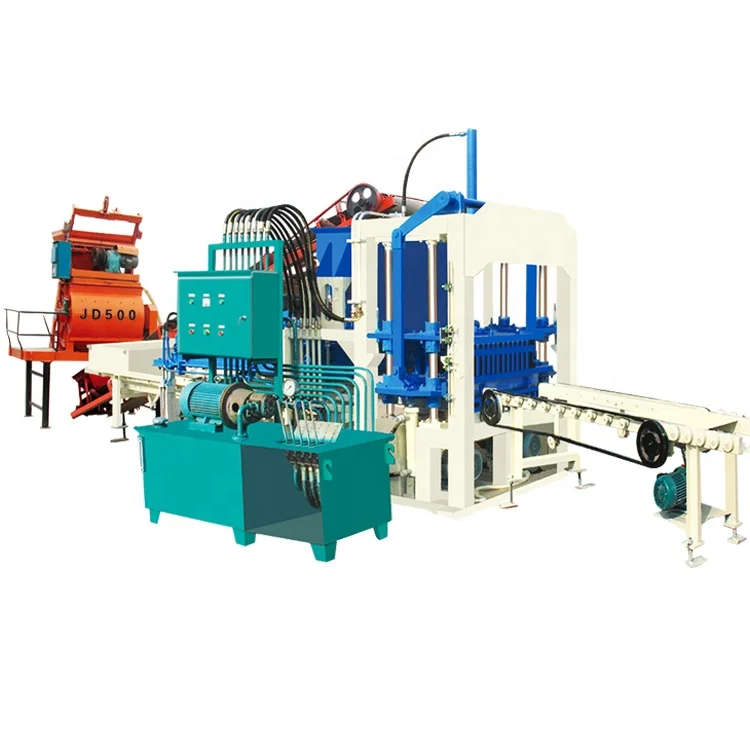
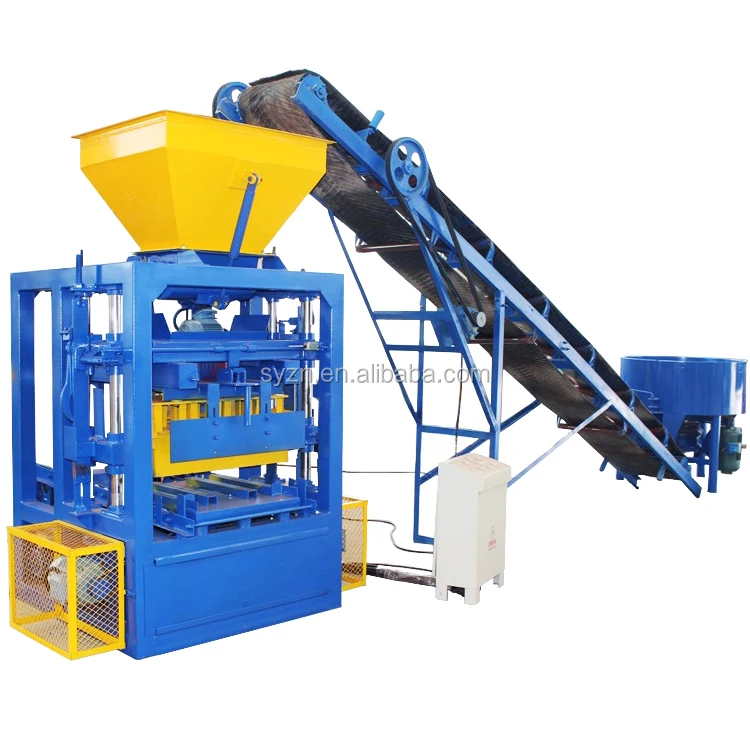
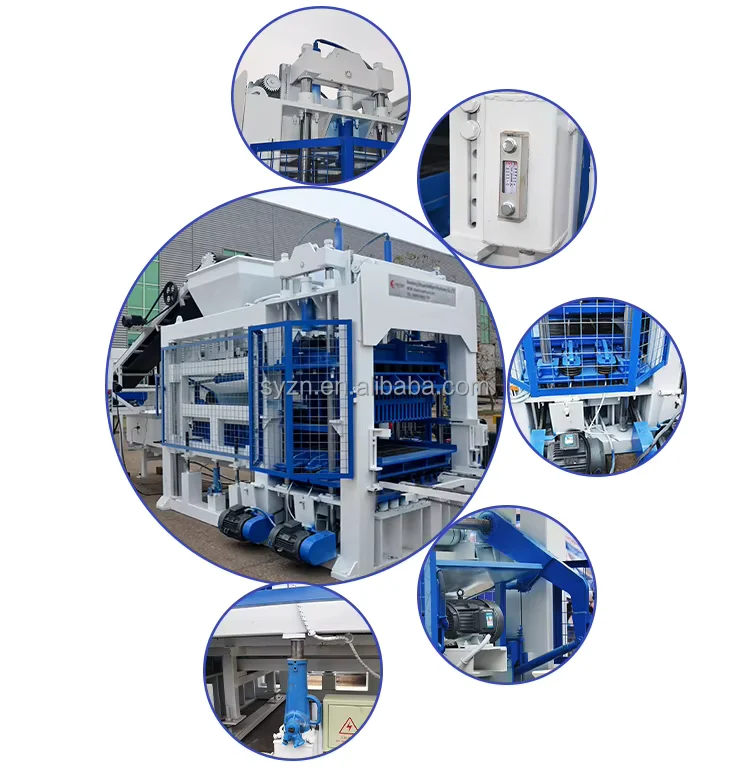
| Product Type | Fully Automatic Concrete Block Making Machine |
| Forming Method | Hydraulic pressure |
| Overall Dimensions (L×W×H) | 9350 × 2320 × 2950 mm |
| Net Weight | 8000 kg |
| Pallet Size | 1100 × 900 mm |
| Vibration System | Platform vibration |
| Vibration Frequency | 4600 r/min |
| Exciting Force | 100 KN |
| Molding Cycle | 10-15S (basis to be confirmed) |
| Voltage Options | 220V, 380V, 440V, 400V (Frequency not stated in source) |
| Mixer Integration | JS750 Mixer |
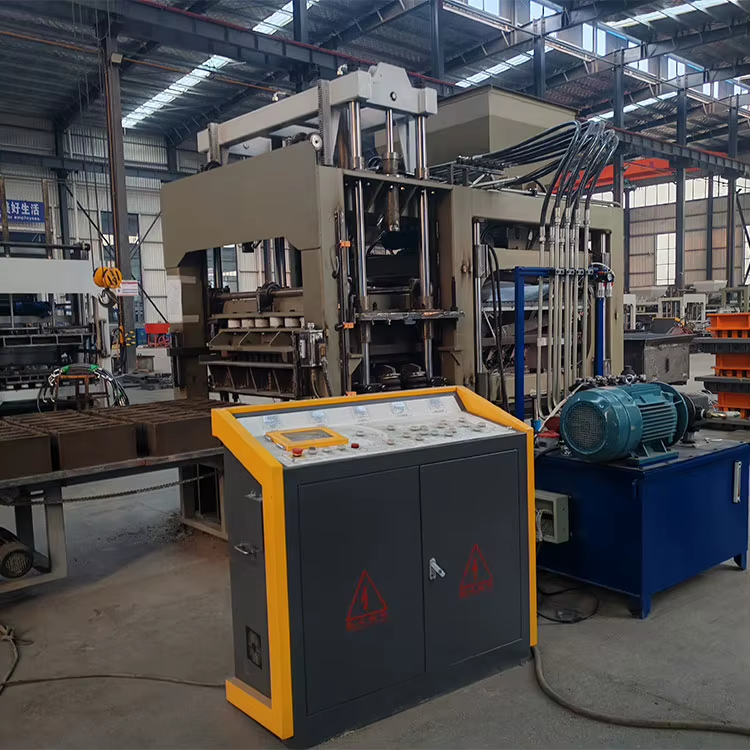
| Control System | PLC |
Application Suitability
| Application | Material or Output |
|---|---|
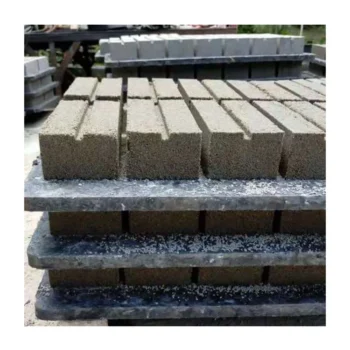
| High-volume masonry supply | Hollow blocks and solid blocks from cement, sand, and crushed stone |
| Infrastructure and landscaping | Interlocking pavers and curbstones for heavy-duty paving projects |
| Rapid site replenishment | Continuous output for building material distributors meeting local demand |
Why the Voltage Question Must Precede the Booking
Confirming the exact voltage and frequency configuration before loading is the only way to prevent a multi-week standstill at the destination port.
When a QT10-15 block making machine in stock is rushed onto a vessel without verifying the local grid, the consequences are severe. I previously supported a shipment to Chile where a 50Hz motor was installed by default, only to find the site running on a 60Hz supply. The machine could not be energized, and the project waited weeks for replacement parts while the concrete foundation cured unused. Securing the correct electrical specifications during the dispatch phase eliminates this risk entirely [NEED_CITE: voltage and frequency standards by export market].
Container Loading and Dismantling Protocols
Securing a QT10-15 block making machine in stock is only the first step; preparing it for ocean freight requires precise dismantling. The 9350 mm main frame is separated from the hydraulic station and the JS750 mixer to maximize space utilization within standard shipping containers. Every detached component is tagged and mapped to a loading diagram, ensuring the reassembly crew at the destination knows exactly which bolt belongs to which flange.
Securing the Shipment Against Transit Damage
Heavy machinery shifts during rough sea transit, which can misalign the platform vibration system or damage hydraulic lines. Before the container doors are sealed, the 8000 kg host machine is lashed to the container floor using heavy-duty steel wire ropes and tensioners. Wooden bracing is wedged between the frame and the container walls to absorb lateral shock, ensuring the equipment arrives in the exact condition it left the factory [NEED_CITE: heavy machinery ocean freight securing standards].
Interpreting the Physical Footprint and Vibration Output
The 1100 × 900 mm pallet size dictates the physical footprint of the curing area; buyers must ensure their forklifts and rack systems are scaled to handle this specific dimension. The platform vibration system generates 100 KN of exciting force at 4600 r/min, which compacts the raw materials rapidly. Because the molding cycle is listed as 10-15S without a specified block format, buyers should treat this as a mechanical baseline rather than a guaranteed daily output figure. The hydraulic pressure works in tandem with this vibration to lock the crushed stone and cement matrix together before the pallet moves to the curing zone.
The Hidden Costs of Overlooking Dispatch Details
Failing to verify the PLC display language and voltage before the ship departs turns a simple installation into a complex engineering puzzle. If the control interface arrives in an unsupported language, the local operators cannot troubleshoot basic sensor faults, leading to unnecessary downtime. Furthermore, if the destination port requires specific fumigation certificates for the wooden packing materials and these were omitted, the container will be held in customs quarantine, derailing the entire construction schedule [NEED_CITE: international customs requirements for wooden packaging].
Why Procure Through This Dispatch Channel
Our inventory model focuses on keeping host machines and standard moulds ready for immediate allocation, bypassing the typical multi-week manufacturing queue. We verify the electrical and control configurations against your site data before the equipment is crated, preventing commissioning delays. The loading plan is engineered around your specific container type, ensuring safe transit and straightforward unloading. Every shipment includes a verified wear parts list, so you know exactly what spares are on the boat. We provide upfront arrival estimates based on current shipping routes, allowing you to schedule your foundation work and crew mobilization with confidence.
Documentation & Verification
- Factory test record confirming hydraulic pressure and vibration frequency before crating.
- Container loading plan detailing the dismantling sequence for the 9350 mm frame.
- Voltage and PLC language confirmation sheet signed off prior to dispatch.
- Comprehensive wear parts and standard mould inventory list packed with the shipment.
Installation, Commissioning & Support
- Foundation blueprints mapped to the 9350 × 2320 mm footprint and 8000 kg static load.
- Electrical schematics detailing the dedicated circuit requirements for the chosen voltage configuration.
- Dismantling tags and loading diagrams to guide the reassembly of the hydraulic station and mixer.
- Initial power-on sequence to verify the 4600 r/min platform vibration and PLC sensor logic.
- Operator training focused on the specific PLC interface language and daily maintenance routines.
Finalizing Your Dispatch Requirements
To initiate the loading process, provide your destination port and the exact local voltage and frequency specifications. We also need to know your preferred PLC interface language and the specific standard moulds required for your initial production run. Once these details are locked in, we will issue the container loading plan and the confirmed departure schedule.
Frequently Asked Questions
Q: Which QT10-15 models and standard moulds are currently in stock for immediate dispatch?
A: The host machines and standard mould formats for hollow blocks and pavers are currently staged in our dispatch yard. Once you confirm your required pallet size and voltage configuration, we can allocate a specific unit from this inventory and begin the dismantling and crating process for immediate container loading.
Q: What is the exact container loading plan and lead time for shipment?
A: The main frame, JS750 mixer, and hydraulic stations are dismantled to fit standard shipping containers efficiently. Once your electrical and language configurations are verified, the loading process takes a few days, followed by immediate booking on the next available vessel to your destination port.
Q: How is the machine dismantled and packed to ensure fast reassembly on-site?
A: The 9350 mm frame is separated from the auxiliary systems, and every connection point is physically tagged. We provide a detailed loading diagram and assembly manual, ensuring your local crew can match the hydraulic lines and electrical sensors without guessing during the reassembly phase.
Q: Can the voltage and PLC language be confirmed before dispatch to avoid commissioning delays?
A: Yes, verifying the exact voltage, frequency, and PLC display language is a mandatory step before the equipment is crated. This prevents the severe delays associated with replacing incompatible motors or translating control interfaces after the machinery has already arrived at your site.