

Description
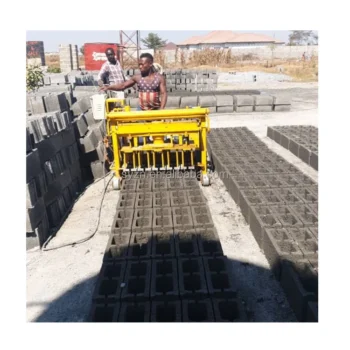
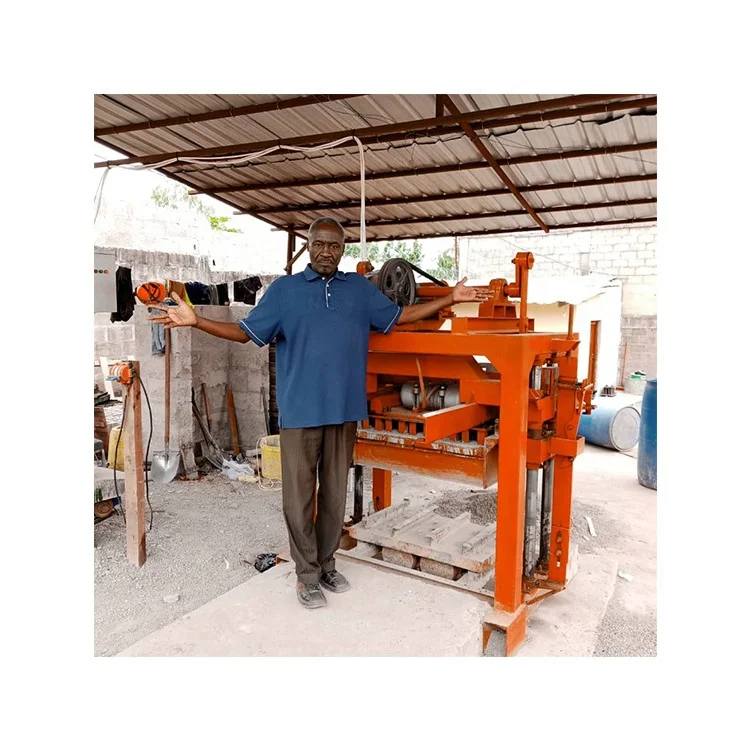
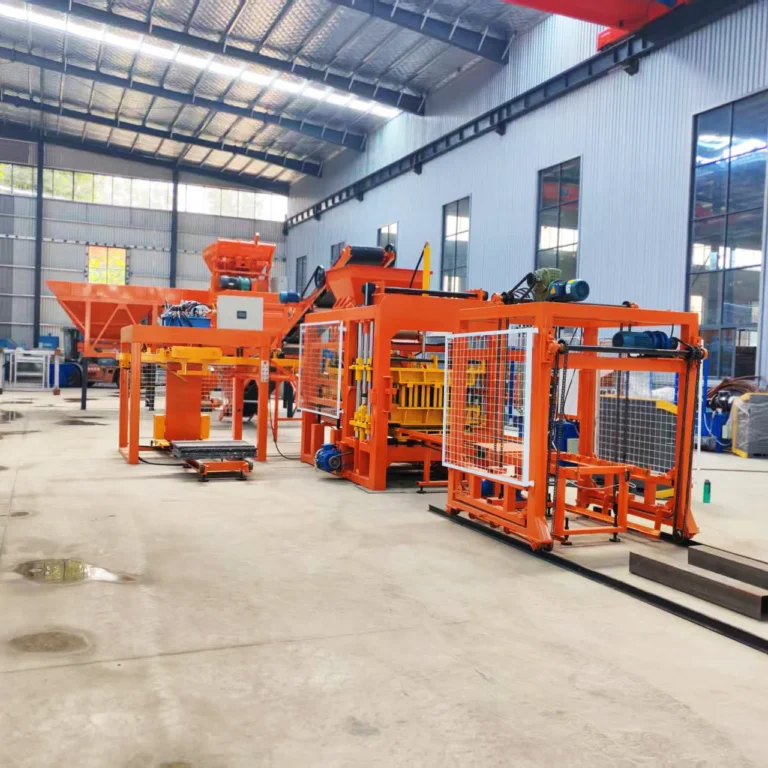
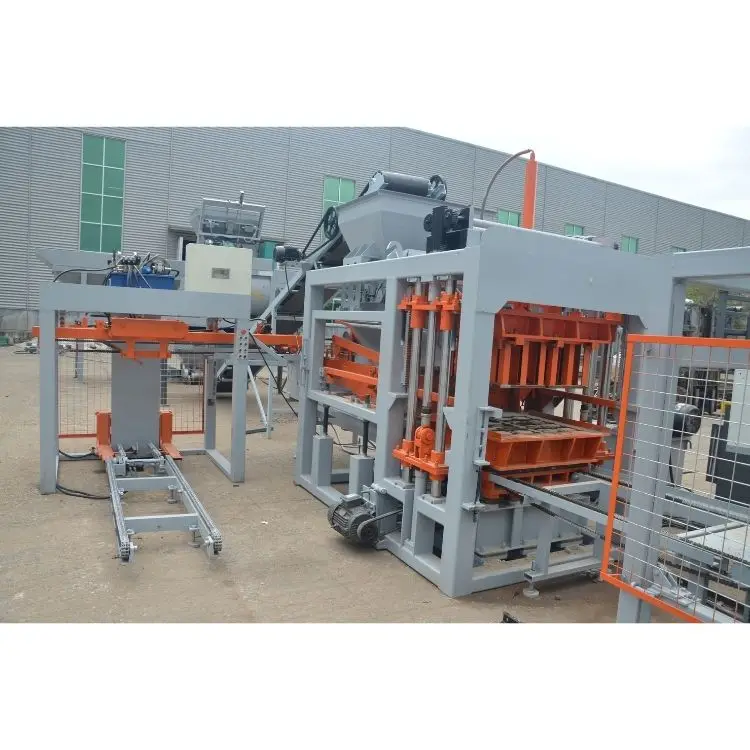
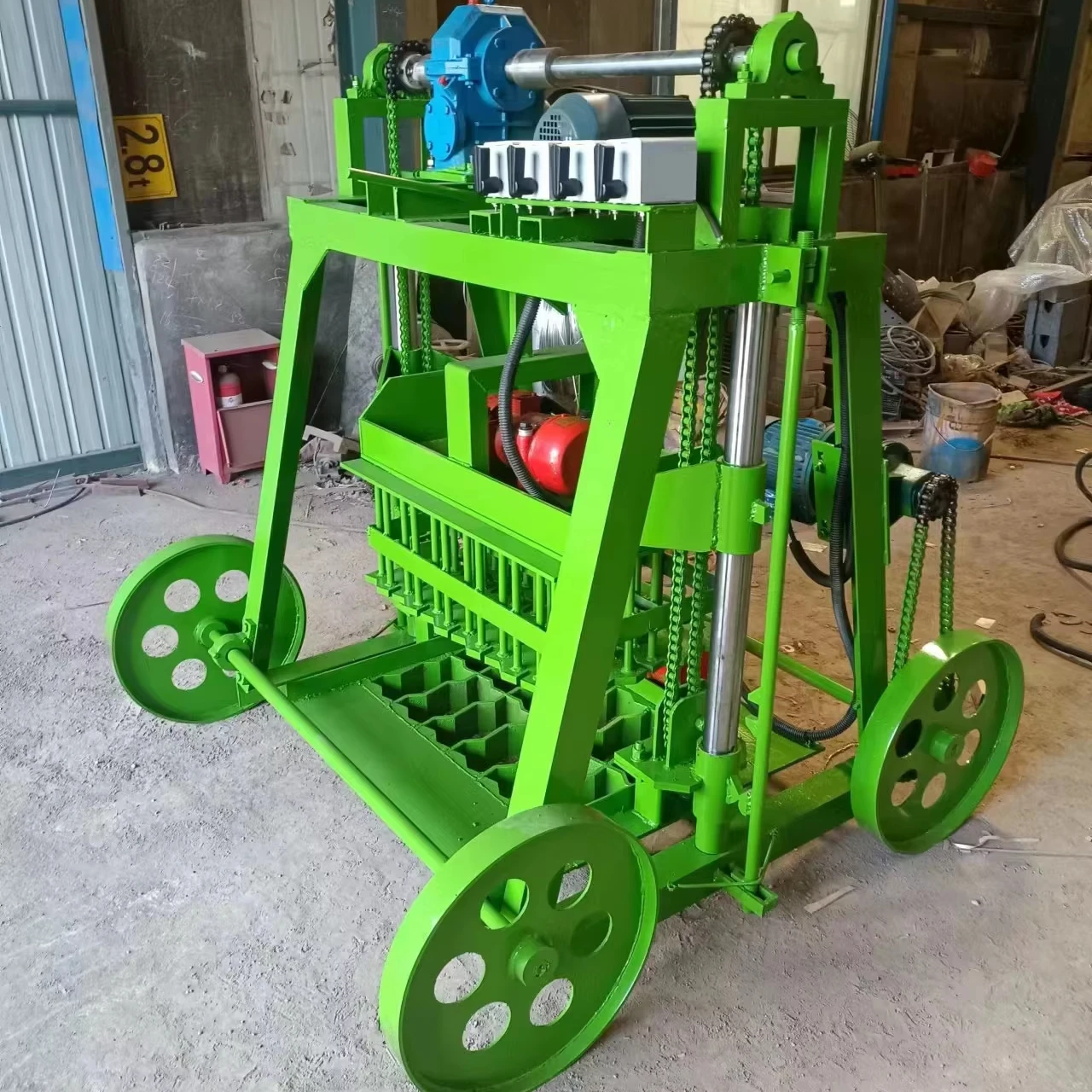
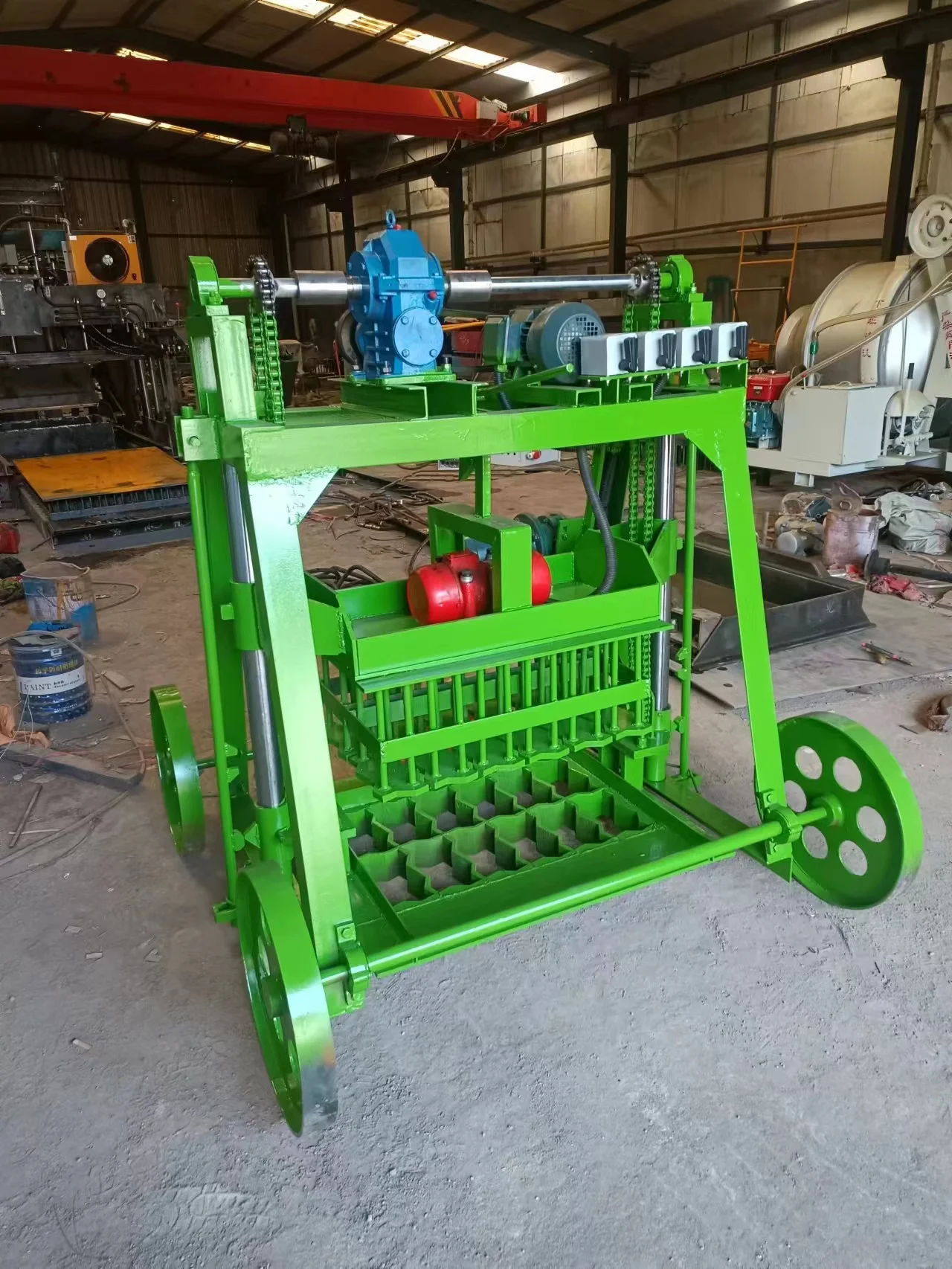
Skid-Mounted Dispatch — QMJ4-45 mobile egg laying block machine units staged for container loading with dismantling plan confirmed before the crate closes.
Technical Specifications
| Parameter | Value |
|---|---|
| Model | QMJ4-45 |
| Product Type | Mobile Egg Laying Block Making Machine |
| Molding Capacity | 4 pcs/mould (basis not stated in source — confirm block format / material / thickness) |
| Vibration Frequency | 2400 r/m |
| Productivity | 2600-4000 pcs/day (basis not stated in source — confirm block format / material / thickness) |
| Vibration Method | Mold vibration |
| Demold Method | Manual |
| Turning Method | Manual |
| Total Power | 6KW |
| Power Source | Diesel/Petrol engine |
| Molding Cycle | 45S |
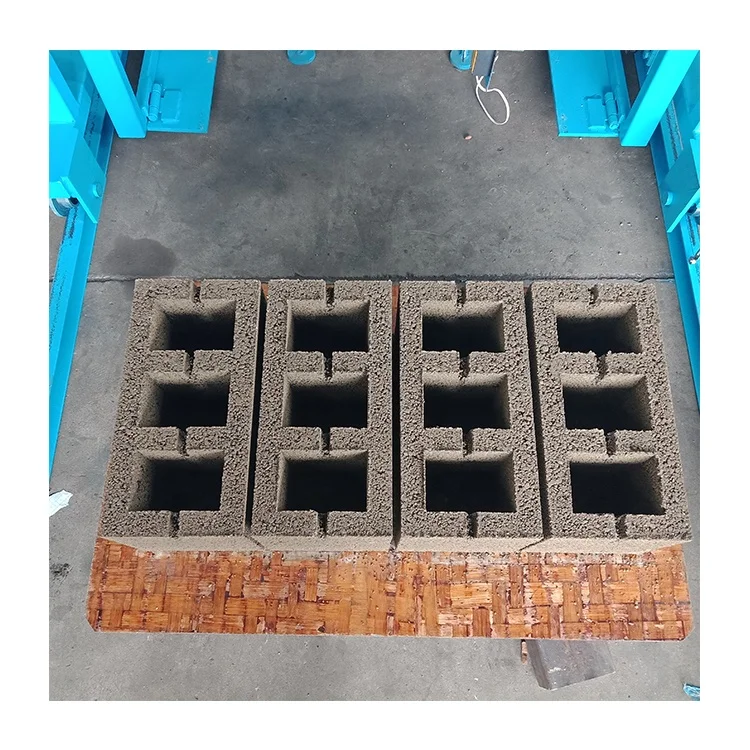
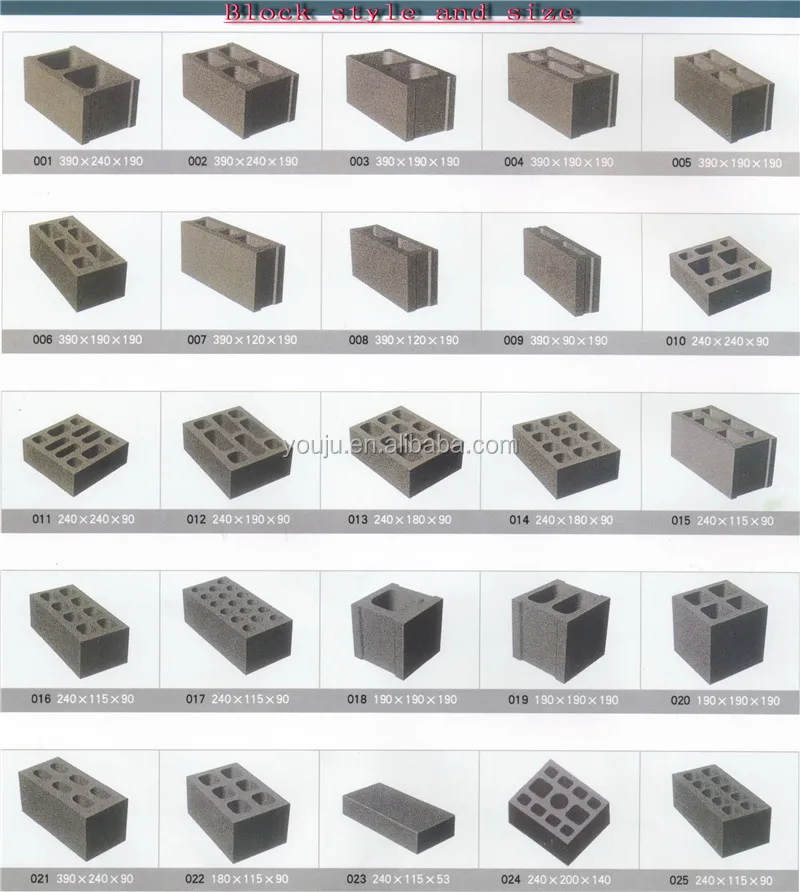
| Hollow Block Productivity (400×200×200mm) | 3000 pcs/day (8 hours, 4 pcs/mould, 40-45s cycle) |
| Hollow Block Productivity (400×150×200mm) | 3500 pcs/day (8 hours, 5 pcs/mould, 40-45s cycle) |
| Hollow Block Productivity (400×120×200mm) | 4500 pcs/day (8 hours, 6 pcs/mould, 40-45s cycle) |
| Automation Level | Manual / Semi-manual operation |
| Pallet Requirement | No consumption pallets (egg laying type) |
| Assembly State | Skid-mounted mobile unit |
| Standards | CE (image evidence only, certificate number not stated in source) |
Application Suitability
| Application | Material or Output |
|---|---|
| On-site hollow block production | Crushed stone, sand, cement, and water mix laid directly on ground |
| Remote housing project block making | Diesel engine operation where grid power is unavailable |
| Small-scale cement block manufacturing | Manual feeding and demolding for low-overhead workshops |
| Mobile production between sites | Skid-mounted relocation for contractors moving across project locations |
What "Ready to Ship" Actually Means for a Mobile Egg Laying Block Machine
Stocked units are dismantled, crated, and matched to container dimensions before you confirm the order — not after.
Sellers often promise a mobile egg laying block machine in stock and then add weeks for mould fitting, engine alignment, or container rebooking. The real delay hides in the gap between warehouse inventory and a machine that can actually clear customs and fit through a standard container door. I have watched a diesel block machine sit at port because the skid width exceeded the container opening by three inches, and the buyer only learned this after the vessel sailed. [NEED_CITE: container internal dimensions and loading constraints for heavy machinery]
Dispatch Lead Time Quoted Before Commitment
A mobile egg laying block machine in stock is only useful if the dispatch plan is already solved. Here, container loading arrangements — including how the skid, mould, and engine are separated and secured — are mapped out during the quotation stage. You receive a dismantling plan and arrival estimate tied to your destination port before signing, so project deadlines are not left to shipping agent guesswork.
Off-Grid Operation Without Electrical Surprises
This QMJ4-45 runs on a diesel or petrol engine, eliminating dependence on site grid power. For contractors building in areas where 380V three-phase supply is unreliable or nonexistent, the engine-driven vibration and hydraulic systems keep production moving. Early in my career, I shipped a diesel-powered unit to West Africa assuming the vibration motor was also engine-driven; it was actually wired for 380V, and the local 415V generator burned it out within hours. Since then, every power source path on every machine is verified against the buyer’s actual site conditions before crating. [NEED_CITE: voltage and frequency standards by export market]
No-Pallet Egg Laying Eliminates Logistics Overhead
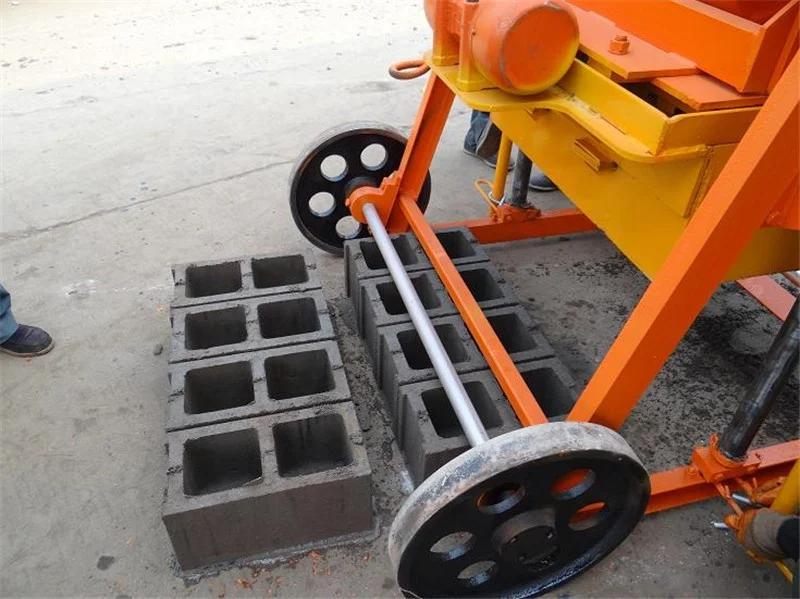
Blocks are laid directly onto a prepared ground surface, removing the need for pallet circulation, pallet storage racks, and pallet return logistics. For a first-time block plant or a remote project site, this means one fewer supply chain to manage. The 45-second molding cycle with twice-vibration core compaction produces blocks dense enough to hold shape immediately after demolding, which is the entire requirement for egg laying operation.
Spec Interpretation: Vibration, Cycle, and Daily Output
The 2400 r/m vibration frequency is applied directly through the mold rather than the table, concentrating force on the block cavity fill rather than the entire platform. This matters for egg laying machines because ground-laid blocks cannot rely on a rigid steel pallet underneath to reflect vibration energy back upward. The 45-second molding cycle sets the pace for daily output: at 400×200×200mm hollow blocks (4 pcs per mould), that yields approximately 3000 units in an 8-hour shift. Switching to a 400×120×200mm format increases mould capacity to 6 pieces per cycle, pushing output toward 4500 units per shift under the same cycle timing. These figures assume consistent manual feeding and turning speed by the operator.
The Cost of Ordering Without a Loading Plan
Buying a stocked machine without confirming the container loading plan creates problems that surface only at the port of origin. A skid-mounted mobile block machine may physically fit inside a 20-foot container, but if the engine and mould are not separated and documented in the packing list, customs inspection delays compound into missed vessel bookings. I have seen buyers absorb demurrage charges because the loading photographs did not match the declared packing arrangement. [NEED_CITE: customs documentation requirements for industrial machinery exports]
Why Source This Machine Here
Single-focus block machinery sourcing means the QMJ4-45 engine, mould, and skid frame are specified as one matched assembly rather than pulled from separate vendors and bolted together at the last minute. Stock availability is confirmed at the inquiry stage with specific unit serial numbers, not a generic "in stock" claim. The dispatch lead time and container arrival estimate are quoted before payment, grounded in actual vessel schedules to your destination port. Factory test records, packing photographs, and customs documentation support ship with every unit, so verification happens before the container is sealed.
Documentation & Verification
- Factory test record showing molding cycle and block density before dispatch
- Container loading plan with dismantling arrangement and securing details
- Packing photographs matched to crate list before container release
- Voltage and power source confirmation sheet signed off at order stage
- Customs documentation support including HS code and origin declaration
- CE declaration documentation where applicable for destination market
Installation, Commissioning & Support
- Skid-mounted QMJ4-45 requires a level, compacted ground surface — no concrete foundation needed
- Diesel or petrol engine eliminates requirement for dedicated three-phase electrical circuit at site
- Mould arrives fitted to the machine; first-run adjustment covers vibration timing and demold lever travel
- Operator training covers manual feeding rhythm to maintain the 45-second cycle pace consistently
- Wear parts list for mould liner and vibration components supplied at dispatch for early replacement planning
What to Include With Your Inquiry
Send your target block format and dimensions, daily output requirement, and the type of aggregate available locally so the mould and vibration settings can be confirmed against your actual material. If the site operates on generator power, share the generator voltage and frequency rating so the engine-driven and any electrically driven components can be cross-checked before crating. Specify your destination port so that an arrival estimate tied to current sailing schedules is included in the quotation.
Frequently Asked Questions
Q: Which QMJ4-45 units and mould formats are currently in stock?
A: Stocked units are listed at the inquiry stage with specific available mould formats. Standard hollow block moulds in 400×200×200mm, 400×150×200mm, and 400×120×200mm are commonly held. If your project requires a different format, lead time for a new mould is quoted alongside the machine availability so both arrive together.
Q: What is the dispatch lead time from order confirmation to port departure?
A: For stocked units, dispatch lead time depends on container loading preparation and vessel booking to your destination port. The specific departure date is quoted before order confirmation, not estimated vaguely as "a few weeks." Dismantling, crating, and transport to the loading port are factored into this timeline.
Q: How is the QMJ4-45 dismantled and packed for container loading?
A: The skid frame, engine, and mould are separated to fit within standard container internal dimensions. A dismantling plan is provided before shipment showing how components are secured inside the container. Packing photographs are shared before the container is sealed so you can verify the loading arrangement matches the documentation.
Q: Can arrival timing at my destination port be estimated at the quotation stage?
A: Yes. Once your destination port is confirmed, an arrival estimate based on current vessel schedules is included in the quotation. This estimate accounts for sailing time and typical port handling durations, giving you a working date for site preparation and crew scheduling rather than guessing after the ship departs.
Q: What spare moulds and wear parts ship with the machine?
A: The wear parts list — covering mould liners, vibration components, and engine consumables — is confirmed at order stage. Spare moulds in your chosen format can be included in the same container shipment if ordered together. The parts list specifies quantities sufficient for the initial production period so you are not ordering replacements before the first container arrives.