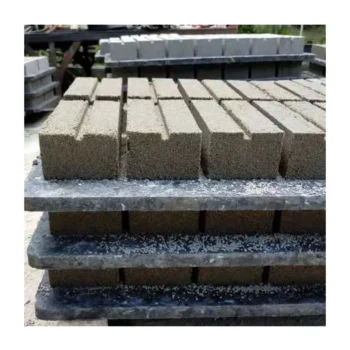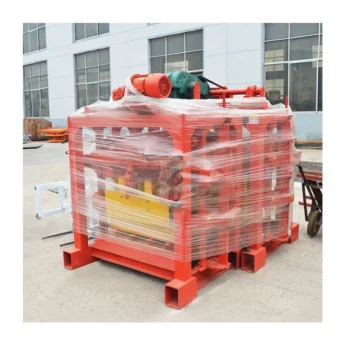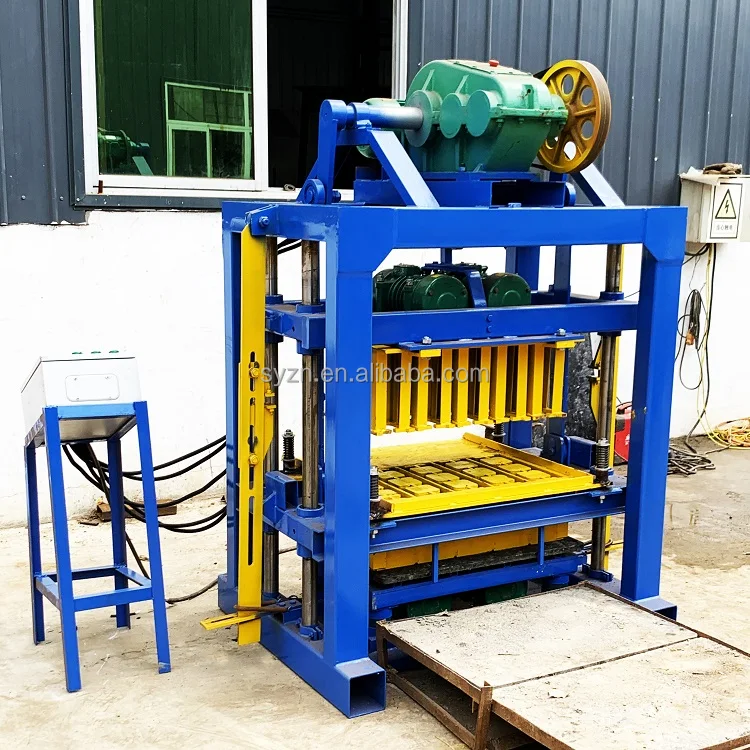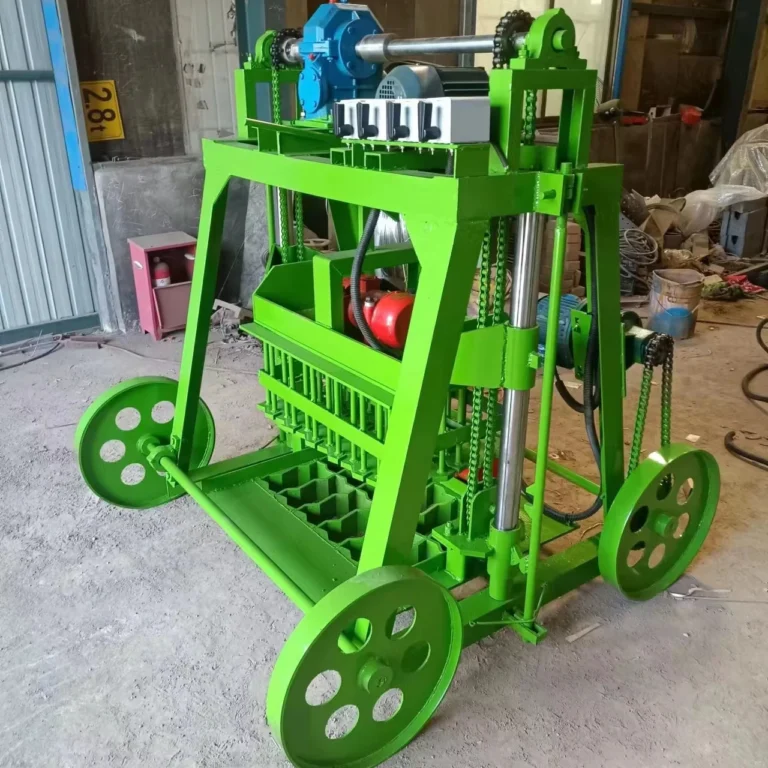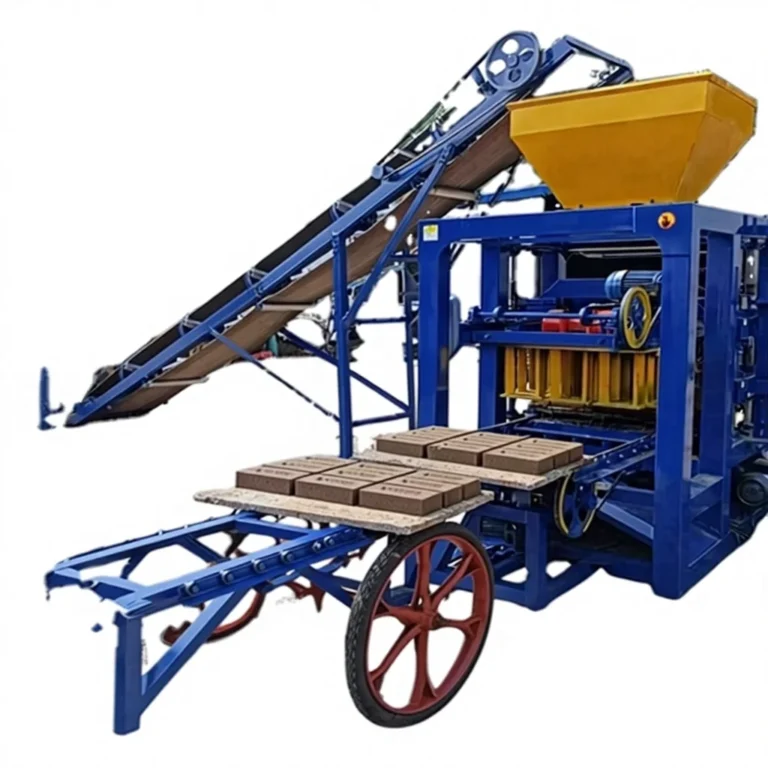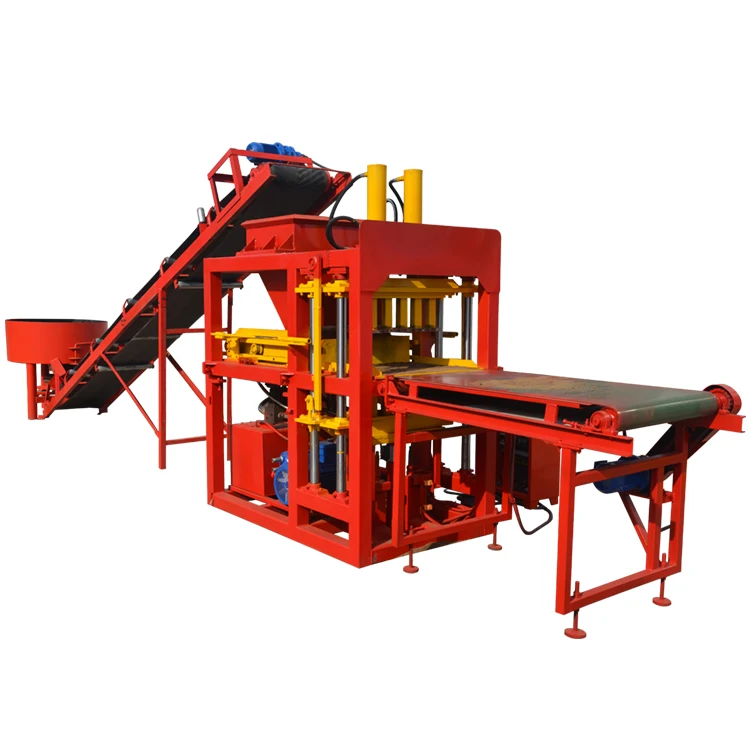


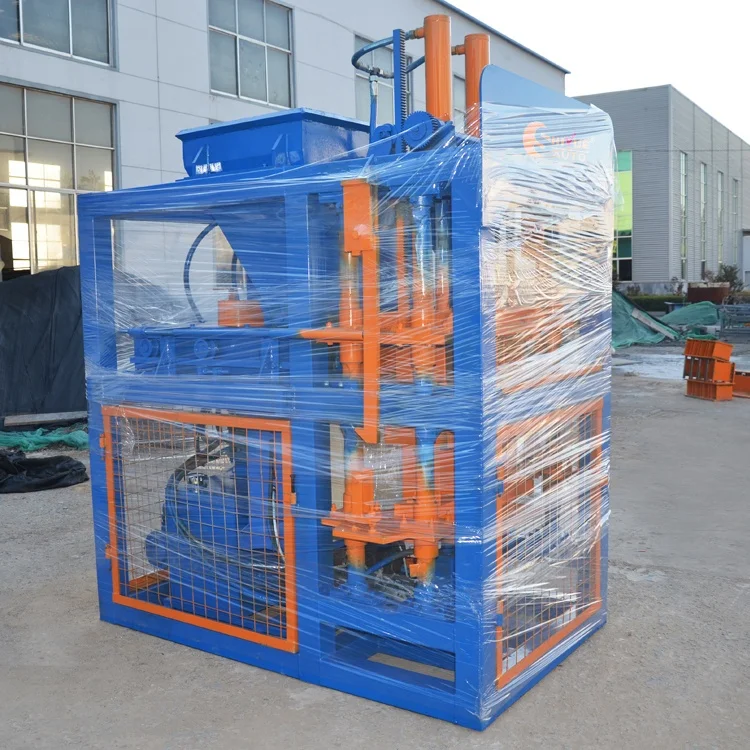

Description
Matched System Delivery — LY4-10 clay interlocking block machine shipped with confirmed voltage, frequency, and PLC language so it runs on arrival, not weeks after.
Technical Specifications
| Parameter | Value |
|---|---|
| Model | LY4-10 |
| Product Type | Automatic Clay Interlocking Brick Making Machine |
| Rated Power | 11 kW |
| Control System | PLC control system with hydraulic system |
| Automation Level | Automatic (material feeding, mould pressing, and mould lifting automated) |
| Moulding Cycle | 10–15 s (basis not stated in source — confirm block format / material / thickness) |
| Output Capacity | 4 bricks per cycle (basis not stated in source — confirm block format) |
| Raw Materials | Clay, soil, earth, mud, concrete, cement, fly ash, water |
| Overall Dimensions | 2260 × 1500 × 2380 mm |
| Mould Format | Interlocking bricks (multiple formats via mould change) |
| Key Features | PLC-controlled automatic cycle, hydraulic pressing, mould change capability |
Application Suitability
| Application | Material or Output |
|---|---|
| On-site housing project block production | Clay, soil, and cement mixed locally |
| Plant-based interlocking brick manufacturing | Fly ash, cement, and earth blends |
| Contractor-run infrastructure projects | Mud and concrete interlocking formats |
| Small block plant format expansion | Clay and cement interlocking brick runs |
Why Arrival Timing Matters More Than the Quoted Cycle Time
A clay interlocking block machine in stock fast delivery means your project clock starts when the container clears customs, not when a production slot finally opens.
I once watched a contractor in Southeast Asia lose three weeks of a housing deadline because the machine they ordered was still in production when the shipping date arrived. The site crew was ready, the raw material was staged, but the press was nowhere near the port. When you are working against a fixed completion date, the difference between a stocked unit and a built-to-order unit is measured in missed milestones and penalty clauses [NEED_CITE: typical construction penalty clauses for delayed milestones]. This is why I now check physical stock status before discussing any timeline with a buyer.
Stocked Units Versus Production Queue — What Changes for Your Schedule
When a Clay interlocking block machine in stock fast delivery is confirmed, the dispatch conversation shifts from lead time estimation to container loading logistics. The LY4-10 units held in stock have already passed factory testing, so the pre-shipment checklist focuses on dismantling for shipment, voltage verification, and control language confirmation rather than waiting for a build cycle to finish. Buyers working to a project deadline can map their site preparation against a known dispatch date instead of a projected one.
Container Loading and Arrival Planning for the LY4-10
The LY4-10 measures 2260 × 1500 × 2380 mm, which affects how it is broken down and positioned inside a standard container. Dismantling the hydraulic and electrical assemblies for shipment reduces the footprint and protects sensitive components during transit. Arrival estimates are calculated from the confirmed dispatch date plus the shipping route to your destination port, so you can coordinate customs clearance and forklift availability on the receiving end [NEED_CITE: typical ocean freight transit times by major export route]. A clay interlocking block machine in stock fast delivery removes the production variable from that equation entirely.
Reading the Specs That Actually Affect Your Output
The 11 kW rated power determines the electrical supply requirement at your site — this must match the local voltage and frequency before the machine is connected. The PLC control system with hydraulic system automates material feeding, mould pressing, and mould lifting, which defines the minimum operator count for a shift. The moulding cycle of 10–15 seconds is format-dependent; a thicker interlocking brick with higher clay density will sit toward the longer end of that range. Mould change capability across multiple interlocking formats means the same press can produce different brick profiles, but the changeover procedure must be rehearsed so it does not consume a disproportionate share of the shift. The raw material range — clay, soil, fly ash, cement — must be validated against your local aggregate supply before the mix design is locked in.
The Cost of Skipping the Voltage Conversation Before Shipment
I have stood on a site where a brand-new block machine sat silent because the local supply was 220V/60Hz and the machine was wired for 380V/50Hz. The配电柜 rebuild took weeks and the entire crew was on standby payroll. When voltage, frequency, and PLC display language are not confirmed before dispatch, the clay interlocking block machine in stock fast delivery advantage is lost at the commissioning stage. The fix is straightforward: lock these three values at the inquiry stage, verify them against the factory test record, and confirm them on the packing photographs before the container is sealed [NEED_CITE: voltage and frequency standards by export market].
What Stock Dispatch Actually Covers
Every LY4-10 unit prepared for dispatch is checked against the buyer’s confirmed specifications before it leaves the factory floor. Standard interlocking moulds are matched to the formats the buyer’s market actually sells, and additional mould designs can be included in the same container when ordered together. The dispatch timeline accounts for dismantling, container loading, and customs documentation, so the arrival estimate quoted at inquiry reflects the full transit chain rather than just the factory gate date. Factory test records are generated on the specific interlocking brick format the buyer intends to produce, not a generic test block. Voltage and control language settings are verified against the buyer’s written confirmation and documented in the pre-shipment file. Spare parts and wear items for the initial operating period are packed and itemized so the first replacement cycle does not trigger an emergency air freight order.
Documentation & Verification
- Factory test record on your specific interlocking brick format before dispatch
- Voltage, frequency, and PLC language confirmation sheet signed off pre-shipment
- Machine specification sheet matching the LY4-10 unit serial number
- Container loading plan with dismantling details and packing photographs
- Mould drawing and format list for every interlocking profile included
- Operation and maintenance manual in your confirmed display language
Installation, Commissioning & Support
- Foundation must support the 2260 × 1500 mm footprint with level tolerance for hydraulic alignment
- Dedicated electrical circuit matching confirmed voltage and frequency for the 11 kW rated power
- Reassembly of hydraulic and PLC components after container transit with full system check
- First-run parameter setting on your local clay and cement mix design
- Operator training on PLC interface in your confirmed language
- Wear parts and mould maintenance schedule for the initial production period
What to Prepare Before Requesting a Dispatch Quote
Share your target interlocking brick format, the clay or soil type available at your site, and your daily volume requirement so the stock unit can be matched to your production plan. Confirm your local voltage, frequency, and preferred PLC display language at the same stage to avoid commissioning delays. Provide your destination port so the arrival estimate can be calculated against the confirmed dispatch date.
Frequently Asked Questions
Q: Which LY4-10 units and moulds are physically in stock right now?
A: Stock status is confirmed at inquiry against the current inventory of LY4-10 machines and standard interlocking moulds. Units that have passed factory testing are available for immediate dispatch preparation, while moulds outside the standard range may require a short production run. The fastest dispatch date is quoted once your format and voltage requirements are confirmed.
Q: How is the LY4-10 dismantled and loaded into a container?
A: The machine is partially dismantled — hydraulic assemblies and electrical panels are separated from the main frame to fit within standard container dimensions and protect sensitive components. A loading plan with photographs is provided before the container is sealed. Arrival lead time depends on the shipping route to your destination port and is quoted alongside the dispatch date.
Q: What voltage and frequency options are available, and is the PLC language set before shipment?
A: The LY4-10 can be configured to match your local electrical supply. Voltage, frequency, and PLC display language are confirmed in writing before dispatch and verified during the factory test. This confirmation step is built into the pre-shipment process to prevent commissioning delays on arrival [NEED_CITE: common commissioning delays from unconfirmed electrical specifications].
Q: Which interlocking brick formats do the standard moulds cover?
A: Standard moulds cover the interlocking brick formats most commonly sold in export markets. Additional moulds for specific profiles can be produced and shipped in the same container as the machine. The format list and mould drawings are included in the documentation package so you can verify coverage against your market requirements before dispatch.
Q: What spare parts and wear items ship with the first container?
A: The first shipment includes wear parts sized to cover the initial operating period based on your confirmed production volume. The parts list is itemized and packed with the machine so replacements are on hand before the first scheduled changeout. Hydraulic seals, mould wear components, and electrical consumables are typical inclusions adjusted to your specific configuration.