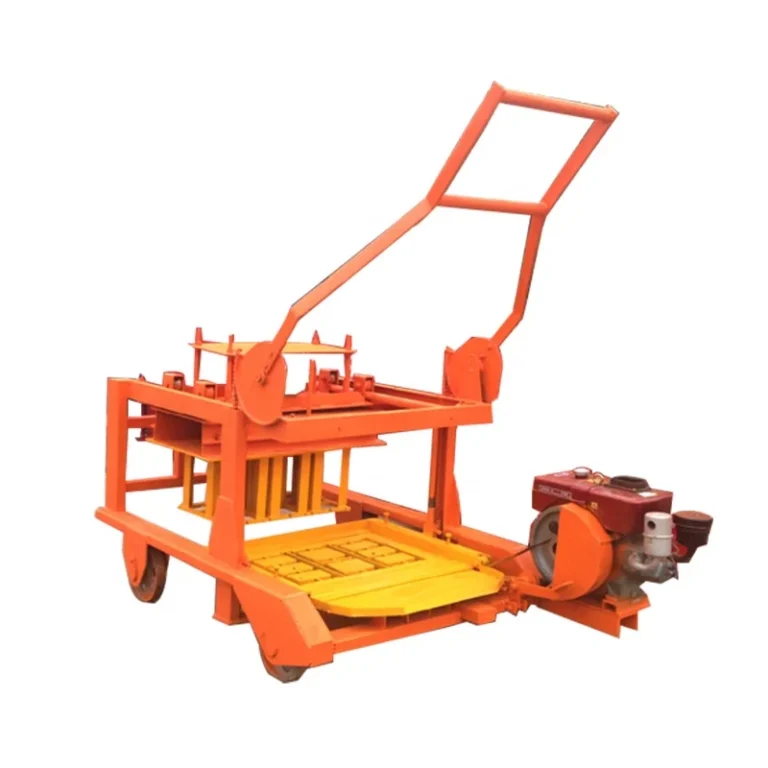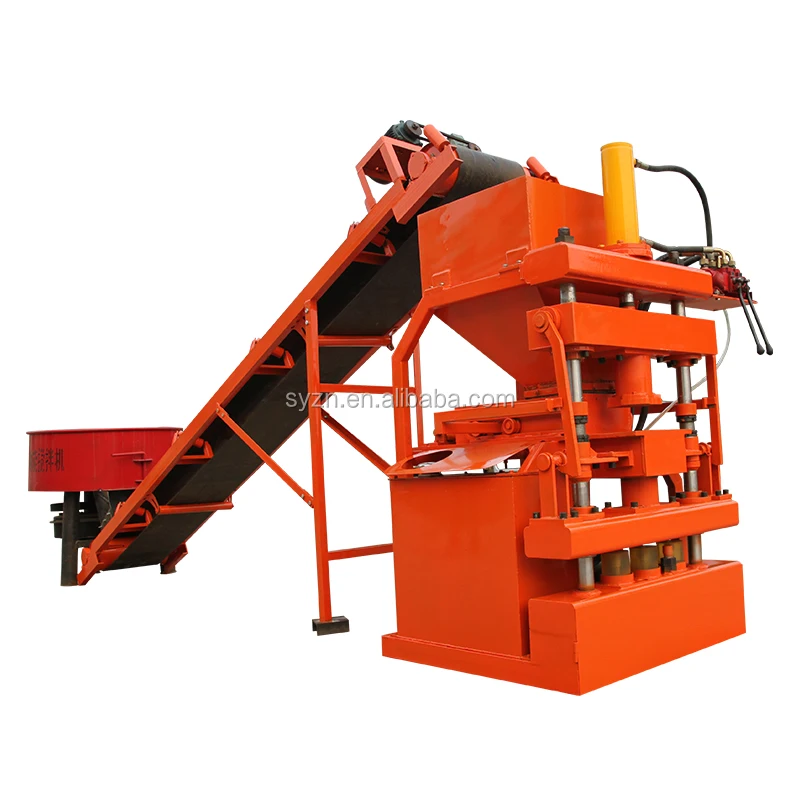
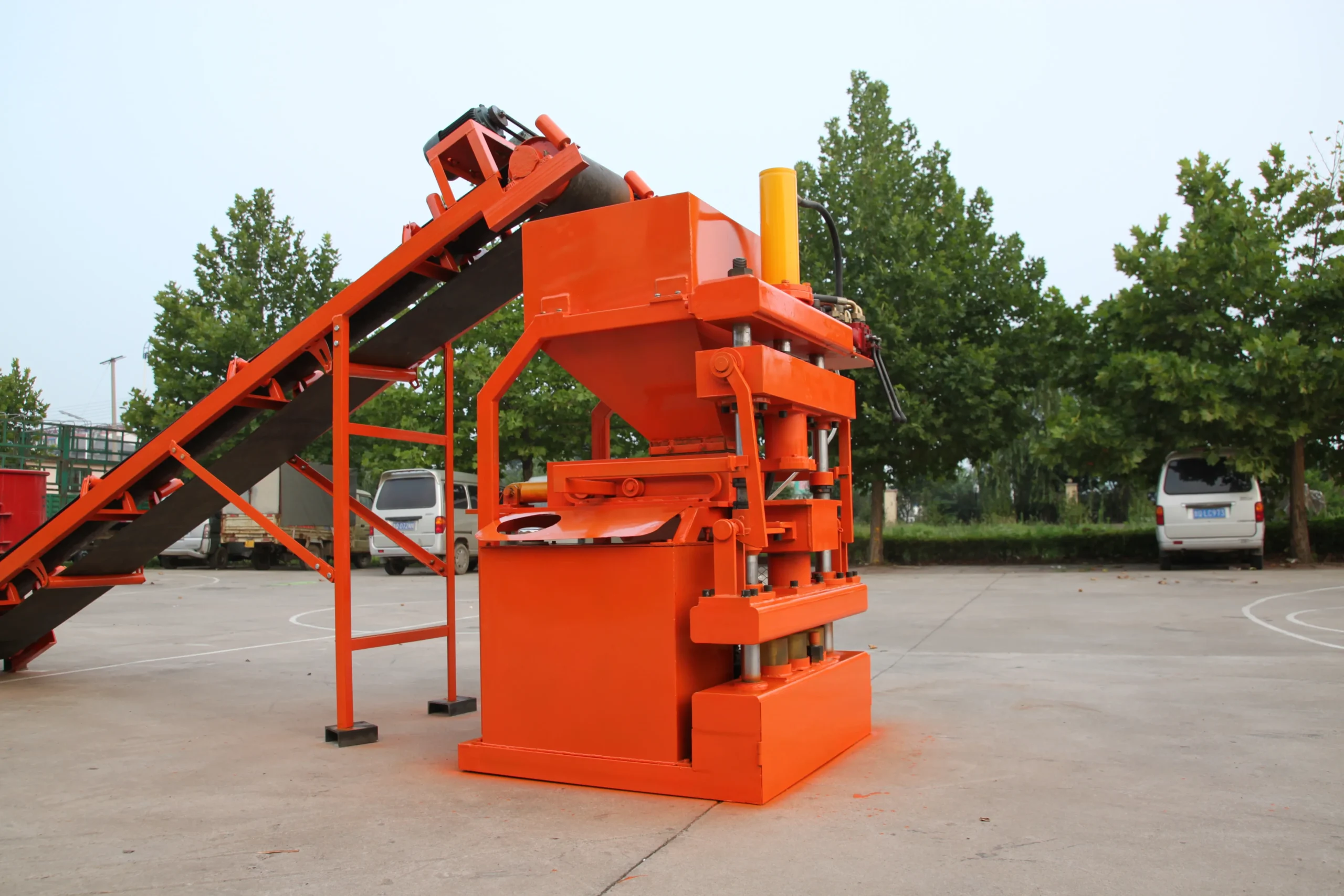


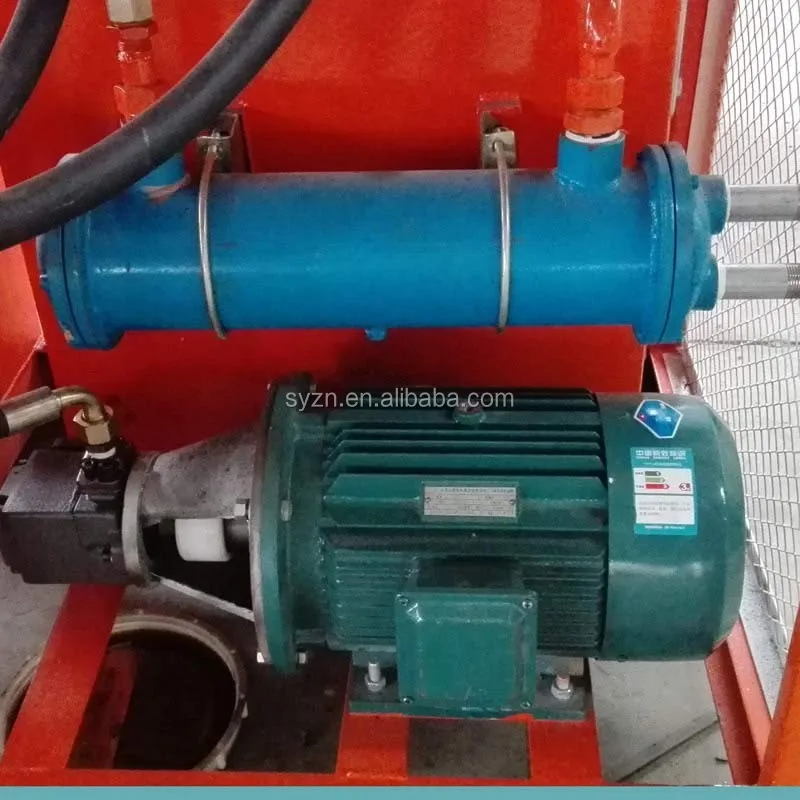
Description
Stocked for Quick Dispatch — Every LY1-10 unit leaves our Linyi workshop with voltage, frequency, and control language signed off before crating, eliminating on-site electrical surprises.
Technical Specifications
| Parameter | Value |
|---|---|
| Model | LY1-10 |
| Product Type | Semi-Automatic Clay Brick Making Machine |
| Machine Power | 1.5 kW |
| Exciting Power | 1 pcs/mould (source value — verify against manufacturer catalog) |
| Molding Cycle | 45 s |
| Theoretical Productivity | 360 pcs/hour, 2880 pcs/day (based on 300×150×100mm block, 1 pcs/mould) |
| Capacity | 1200-2400 pcs/8hours (basis to be confirmed) |
| Vibration Type | Bed mould vertical vibration + upper mould compression vibration |
| Automation Level | Semi-automatic |
| Machine Weight | 400 KG |
| Overall Size | 1300×1800×2400 mm |
| Voltage | According to buyer’s local voltage (confirm voltage, frequency and phase) |
| Raw Material | Concrete, sand, cement, fly ash, lime, gypsum, etc. |
| Pallet Size | Not stated in source |
| Mould Format | Not stated in source |
| Control System | Not stated in source |
Application Suitability
| Application | Material or Output |
|---|---|
| On-site housing project block production | Concrete and sand mix for solid masonry blocks |
| Small workshop clay brick manufacturing | Clay, fly ash, and lime blends for standard bricks |
| Distributor-added brick production line | Cement and gypsum mixes for varied masonry units |
| Remote project site block making | Local aggregate with cement binder for solid blocks |
Why the Voltage Question Must Come Before the Shipment Date
A stocked LY1-10 semi-auto block machine in stock means nothing if the motor frequency does not match the destination grid.
I learned this the hard way when a batch headed to West Africa arrived with the correct voltage but the wrong frequency confirmed. The motor ran, but the RPM was off, and block density suffered for two full weeks until we flew in a replacement VFD. Now, every LY1-10 unit gets a three-point electrical checklist signed before crating: voltage, frequency, and panel language. Skipping this step turns a fast delivery advantage into a costly on-site delay [NEED_CITE: voltage and frequency standards by export market].
What Fast Dispatch Actually Requires
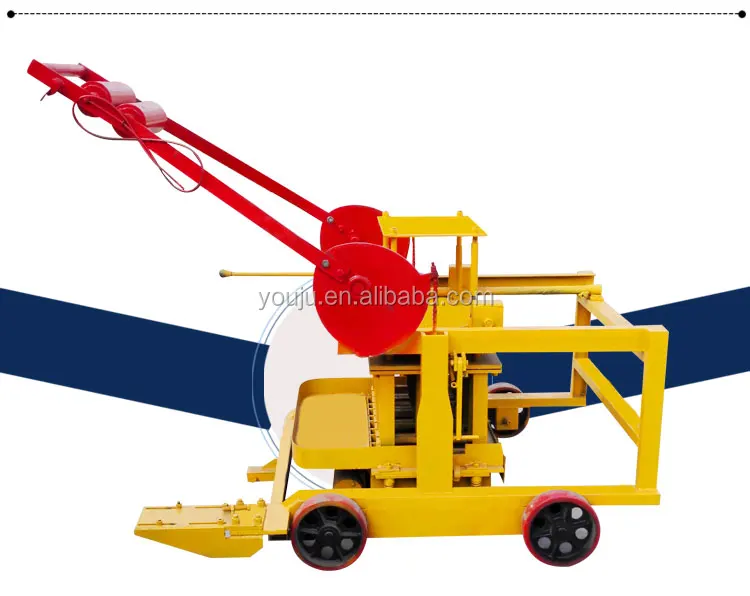
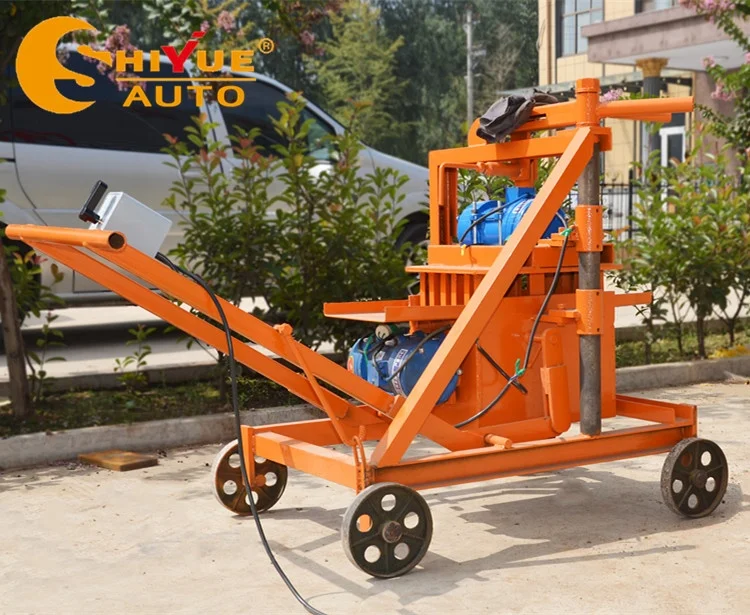
Securing an LY1-10 semi-auto block machine in stock is only the first step. The machine must be matched to the buyer’s local power supply, and the container loading plan must account for the 1300×1800×2400 mm footprint and 400 kg weight. We dismantle only what is necessary to fit a standard 20ft container, keeping major assemblies intact so reassembly on site stays within a single shift.
Stock Availability and Dispatch Timeline
The value of this LY1-10 semi-auto block machine in stock lies in compressing the typical multi-week production lead into a matter of days for crating and inland transport. Buyers working against a project deadline need a supplier who can confirm the exact unit serial number, provide packing photographs before the container doors close, and quote the arrival estimate upfront. This is where stocked inventory separates from catalogue promises [NEED_CITE: typical container transit times from Chinese ports to West African and Southeast Asian destinations].
Reading the Spec Sheet for Real Output
The 1.5 kW machine power keeps electrical infrastructure requirements modest, which matters when a contractor is running a generator on a remote housing site. The dual vibration system — bed mould vertical vibration combined with upper mould compression vibration — delivers consistent block density at this small scale, provided the mix design matches the local aggregate gradation. The 45-second molding cycle is the baseline; actual daily output depends entirely on the block format, material thickness, and operator rhythm on pallet handling.
The Cost of Skipping the Voltage Confirmation
When voltage and frequency are assumed rather than confirmed, the motor may turn but the vibration force drops, leaving blocks that crumble under handling. I have seen entire container loads sit idle on a dock while a local electrician sources a step-down transformer or a variable frequency drive. That downtime erases any lead-time advantage the buyer gained by ordering from stock in the first place [NEED_CITE: CE machinery directive requirements for industrial equipment].
Why Buyers Source This Machine Here
Block machinery is our single focus, so the LY1-10 is specified as a matched system — machine, mould, and pallet — rather than assembled from separate suppliers. We configure the electrical panel against the buyer’s confirmed grid supply, not a catalogue default. Mould design covers the formats the buyer’s market actually sells, and custom drawings are available when standard formats do not fit. Every unit ships with a factory test record showing cycle times on the agreed block format, and our packing photographs document the crating standard before the container is sealed.
Documentation & Verification
- Factory test record confirming cycle time on your specified block format
- Voltage, frequency, and phase confirmation sheet signed before crating
- Mould drawing and format list matching your order configuration
- Packing photographs documenting machine condition and crating standard
- Hydraulic and electrical schematic for on-site troubleshooting
- Operation and maintenance manual in your confirmed panel language
Installation, Commissioning & Support
- 1.5 kW power draw requires only a standard dedicated circuit, no transformer room
- 1300×1800×2400 mm footprint fits a compact workshop bay without foundation modification
- 400 kg weight allows forklift unloading at most project sites without a crane
- Dual vibration system parameters set during commissioning against your local mix design
- Pallet size confirmed against your existing curing racks and handling equipment before dispatch
- Operator training covers mould change procedure and daily vibration system inspection
What We Need to Quote Your Dispatch Date
To confirm stock availability and give you a realistic arrival estimate, send us your target block format and daily output requirement, your local voltage and frequency, and the dimensions of the curing area you already have on site. If you are working to a project deadline, tell us the date blocks must be on the ground and we will work backward to confirm whether a stocked LY1-10 meets your window.
Frequently Asked Questions
Q: What is the current dispatch lead time for stocked LY1-10 units?
A: Stocked units can typically be crated and moved to port within days once voltage, frequency, and mould format are confirmed. The exact lead time depends on current warehouse inventory and the destination port schedule. We provide a written dispatch date and container booking reference before production of any custom mould begins.
Q: How is the machine loaded into a container, and is dismantling required?
A: The LY1-10 measures 1300×1800×2400 mm and weighs 400 kg, which allows loading into a standard 20ft container with minimal dismantling. We remove only the hopper and upper vibration assembly to clear the container door height. Packing photographs show the exact loading arrangement before the container is sealed.
Q: What voltage and frequency configurations are available from stock?
A: Machines in stock are typically wired for common export voltages, but frequency must be matched to your destination grid before dispatch. We confirm voltage, phase, and frequency in writing before crating. If your local supply falls outside standard configurations, a VFD or transformer can be added to the shipping crate.
Q: Which block formats and moulds ship with the machine as standard?
A: Standard moulds cover common solid block and clay brick formats, but the exact list depends on current stock. We provide a mould format list with every quotation. Custom moulds to your drawings are available with a short additional lead time, and we confirm compatibility with the LY1-10 pallet size before production.
Q: What is the realistic daily output based on my block size and mix?
A: The theoretical figure of 2880 pcs/day is based on a 300×150×100mm block at one piece per mould with a 45-second cycle. Your actual output depends on your block format, material thickness, and pallet handling speed. We provide a capacity calculation stating the exact block format assumed so there is no gap between quoted and real daily production.