Description
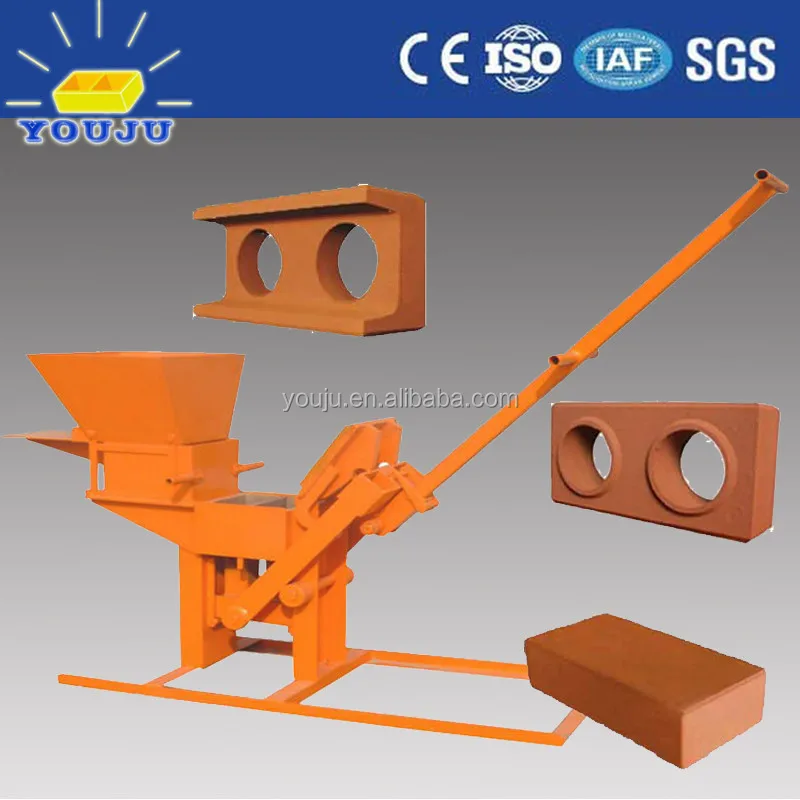
Dispatch-Ready Inventory — Every LY2-40 manual clay interlocking brick machine leaves our yard with stocked moulds and verified wear parts, so your site crew starts pressing bricks the week it clears customs.
Technical Specifications
| Parameter | Value |
|---|---|
| Model | LY2-40 |
| Product Type | Manual Clay Interlocking Brick Machine |
| Total Power | No Power (Completely Manual) |
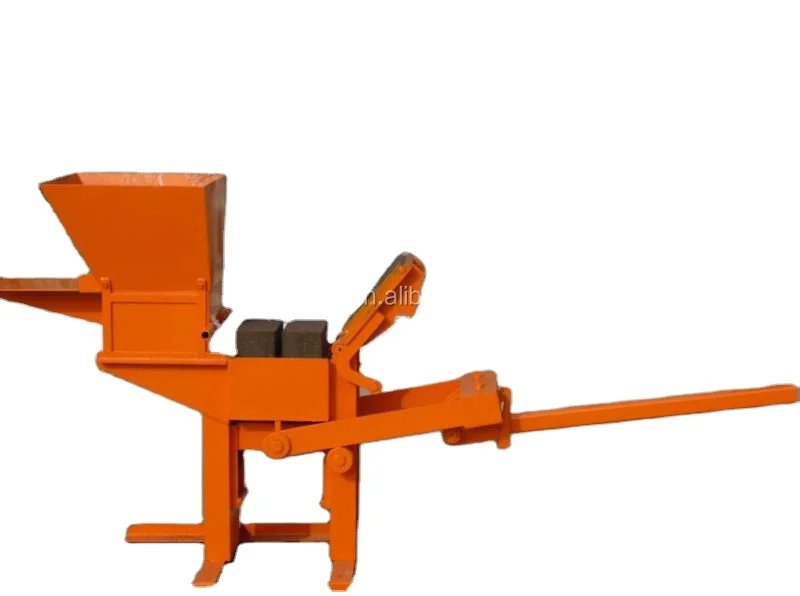
| Overall Dimensions (L×W×H) | 1600 x 700 x 1200 mm |
| Net Weight | 200–240 kgs |
| Molding Cycle | 30–40s |
| Output Capacity | 400–1000 pcs/day (basis not stated in source — confirm block format / material / thickness) |
| Lifting System | Manual |
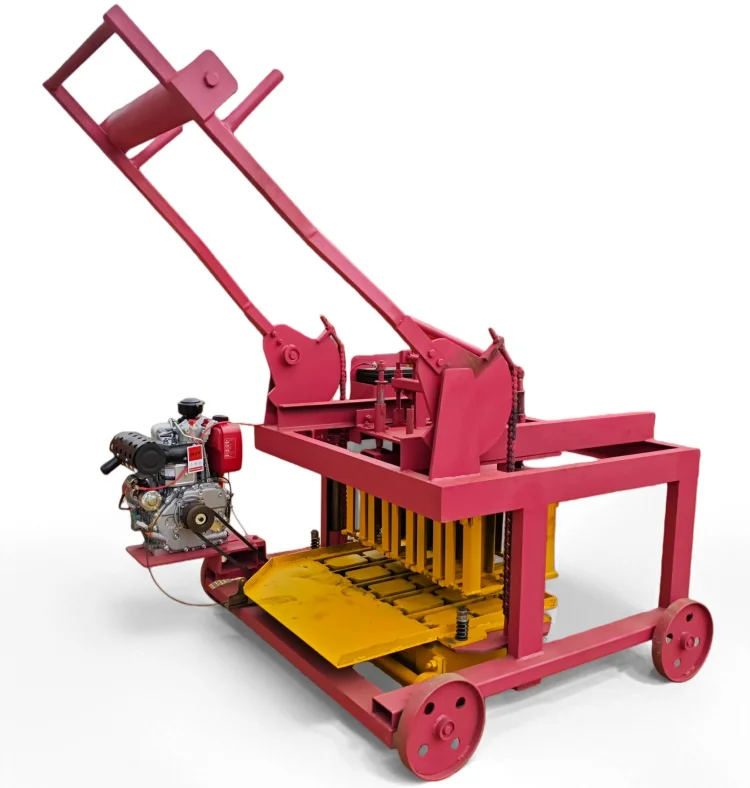
| Mobile Devices | Steel wheels |
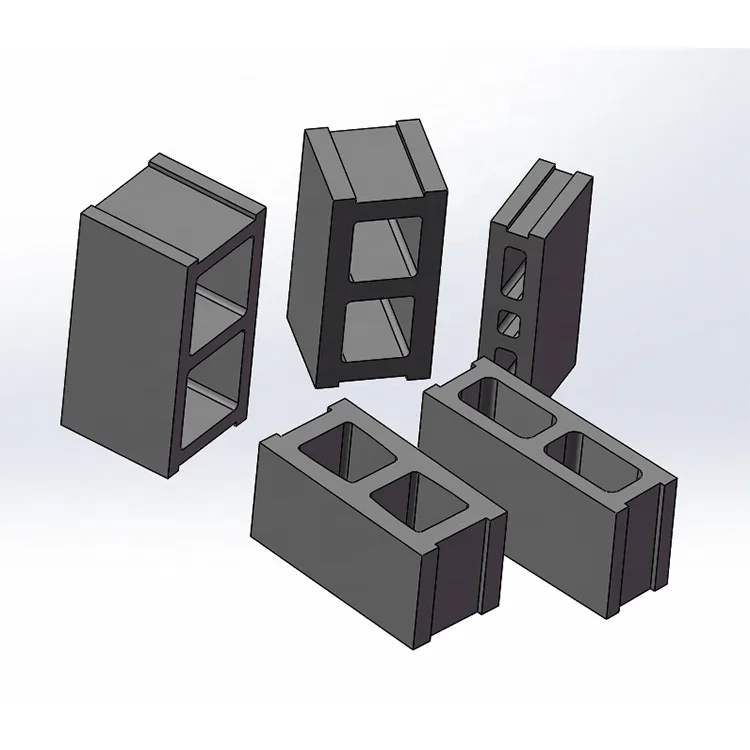
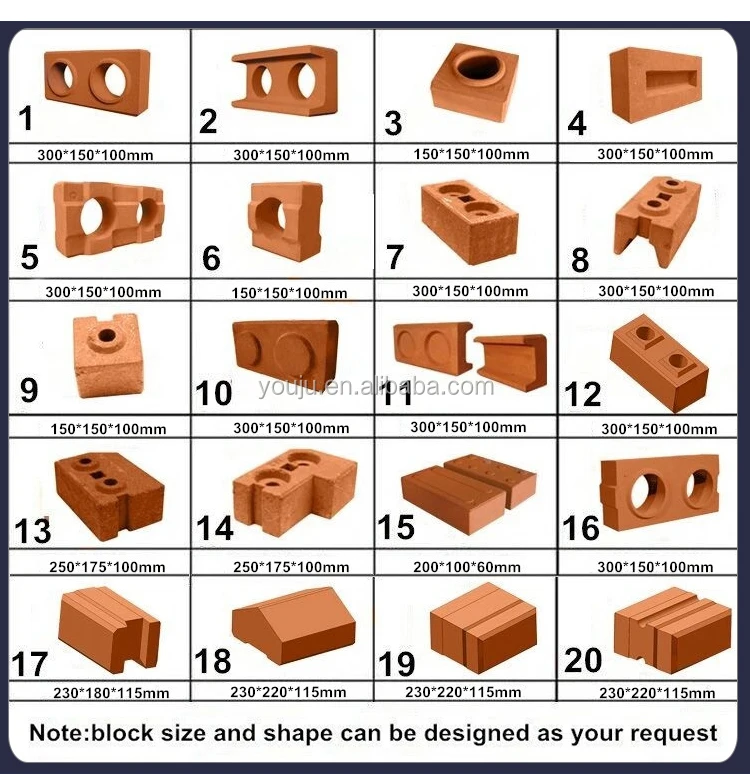
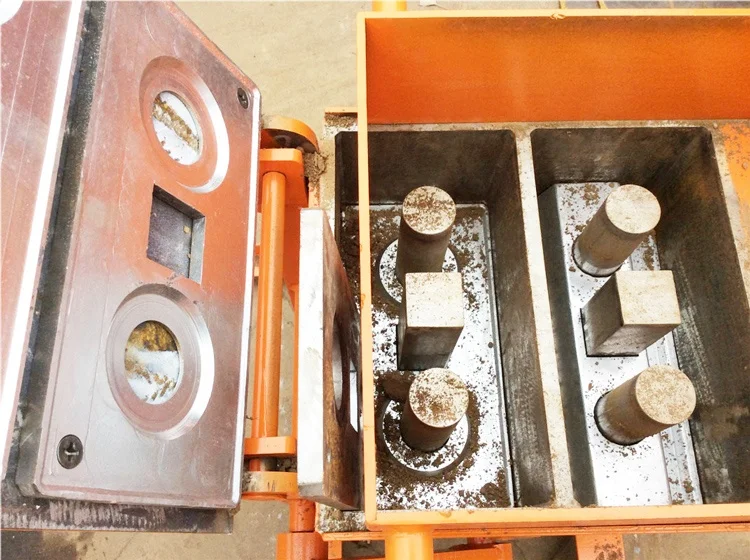
| Mould Configuration | Changeable for various blocks |
| Basic Equipment | JFA-1 Mixer or JQ350 Mixer |
| Assembly State | Mobile, no fixed plant required |
| Warranty | 1 Year |
Application Suitability
| Application | Material or Output |
|---|---|
| On-site housing project production | Compressed earth and clay interlocking bricks without grid power |
| Remote development and infrastructure camps | Cement-stabilized soil blocks using locally available aggregate |
| Small-scale brick entrepreneurship | Interlocking, hollow, and solid clay formats from a single chassis |
| Off-grid rural construction | Zero-electricity block forming with hand-fed raw material |
Why "In Stock" Matters More Than the Cycle Time
A machine on the water solves nothing if the mould pins snap on day ten and the spares are still in the factory.
I used to dispatch manual clay brick machines without double-checking the wear-part envelope. One shipment of a manual clay interlocking brick machine in stock went to a West African housing site; the crew ran three weeks of interlocking brick, then the mould guide pins wore through. No spares in the crate meant ten days of idle labour while air freight crossed two continents. The project deadline slipped, and the contractor’s penalty clause kicked in [NEED_CITE: typical construction delay penalty structures in development projects]. That single omission reshaped how I load every container since.
What "Ready to Ship" Actually Means for the LY2-40
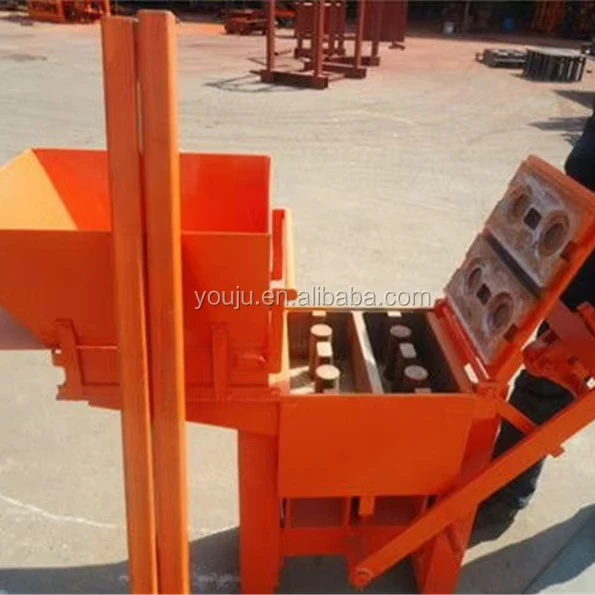
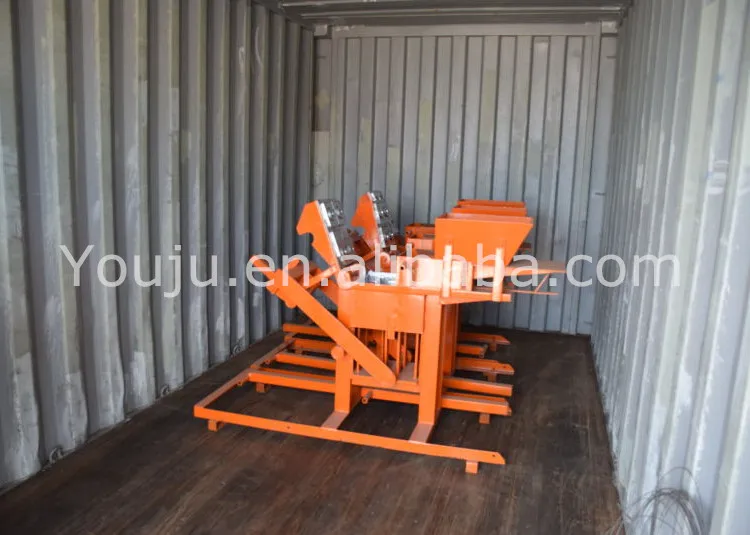
When a buyer asks for a manual clay interlocking brick machine in stock, the clock is already running on their build schedule. We pull the unit from the yard, verify the steel-wheel chassis alignment, confirm the mould guide pins are within tolerance, and photograph the packing before the container doors close. Dispatch lead time and arrival estimate are stated on the proforma, not guessed after payment.
Matching the Stocked Mould to Your Site Reality
Stock availability only helps if the mould format matches what your local market actually buys. We confirm interlocking profile, hollow cavity count, or solid brick dimensions against your sample or drawing before loading. A mismatched mould sitting in a container is just dead freight, and swapping it on-site costs more than the original shipping [NEED_CITE: on-site mould replacement logistics for mobile block machines].
Reading the Specs That Dictate Daily Output
The 30–40 second moulding cycle governs how many bricks one operator can press in a shift, but the actual count depends entirely on clay consistency, moisture content, and the brick format selected. The 200–240 kg net weight keeps the chassis stable during manual compression without requiring a poured foundation. Steel wheels let the crew roll the LY2-40 across uneven ground to follow the build footprint, and the zero-power design eliminates any generator dependency — a critical factor when fuel supply chains are unreliable. Pairing the press with the JFA-1 or JQ350 mixer ensures the feed rate keeps pace with the manual cycle, preventing the operator from standing idle between batches.
The Hidden Cost of Shipping Without a Verified Spare List
Skipping the wear-part audit before loading saves an hour in the yard but can stall a site for weeks. Mould guide pins, compression lever bushings, and latch springs all wear under continuous clay abrasion. If these parts are not crated alongside the machine, the first replacement becomes an international logistics problem instead of a ten-minute swap. I have watched entire crews sit idle because a single bushing was missing from the bill of lading [NEED_CITE: spare parts planning for remote construction equipment].
Why Buyers Source This Machine Through Our Dispatch Channel
Block machinery is our single focus, which means the LY2-40 is specified as one matched system — press, mould, mixer, and handling tools — rather than assembled from separate trading sources. Stock status and container loading plans are confirmed before the order is signed, not after. We set the configuration against the buyer’s local clay type and target brick format, not a catalogue default. Packing photographs and customs documentation are issued before the vessel sails, smoothing clearance at the destination port. Installation guidance and operator training materials ship inside the crate, so the crew can start producing independently from day one.
Documentation & Verification
- Stock status confirmation listing the exact LY2-40 unit serial before order placement
- Container loading plan showing dismantling orientation and lashing points
- Mould format list verified against your target interlocking brick profile
- Factory test record documenting cycle timing on the stocked mould before dispatch
- Packing photographs covering crate, chassis, and spare-part bundle before doors close
- Customs documentation package aligned with destination port clearance requirements
Installation, Commissioning & Support
- No foundation required; steel wheels allow positioning on compacted earth at the site
- Zero-power operation eliminates electrical hookup and dedicated circuit requirements
- Mould change procedure demonstrated with the stocked format before handover
- Spare wear-part kit including guide pins, bushings, and springs crated with the unit
- Operator training on compression rhythm and clay moisture judgement delivered on arrival
- Daily maintenance checklist covering lever pivot lubrication and wheel axle inspection
What We Need to Confirm Before Loading
To make sure the LY2-40 manual clay interlocking brick machine in stock fits your project timeline, share the brick format your market sells, the daily volume your crew needs to sustain, and the clay or soil type available on-site. Tell us the destination port so we can quote an arrival estimate, and confirm whether you need additional stocked moulds loaded in the same container.
Frequently Asked Questions
Q: Which block formats are stocked with the LY2-40, and how fast can they ship?
A: Standard stock typically includes interlocking profiles popular in off-grid housing markets. We confirm the exact mould list against your sample before loading. Once the unit is reserved and payment is cleared, container loading and dispatch follow within a short lead window, and we provide the vessel schedule upfront so you can plan site mobilisation.
Q: What is realistic daily output for interlocking versus hollow blocks on this machine?
A: Output depends on the brick format, clay consistency, and crew rhythm. The 30–40 second cycle applies per moulding action, but daily totals vary with material preparation speed and operator fatigue over a shift. We calculate a realistic figure once you confirm your target brick dimensions and local soil characteristics.
Q: How is the machine loaded for shipment, and what container is needed?
A: The LY2-40 is dismantled into chassis, lever assembly, and mould bundle to fit efficiently. A standard 20-foot container accommodates the unit along with the mixer and spare-part crate. We provide packing photographs and a loading diagram before the container doors are sealed.
Q: Do you provide operator training, and how quickly can the crew produce independently?
A: Training covers compression technique, clay moisture judgement, and mould change procedure. Most crews reach independent production within the first days on-site, depending on prior experience with manual forming. The operation manual ships inside the crate in the language you specify.
Q: Which moulds and wear parts are stocked and can ship with the machine?
A: Guide pins, compression bushings, latch springs, and additional mould formats can be loaded in the same container. We verify the wear-part list against your production schedule so the first replacement is on-site before the original parts reach end of life.