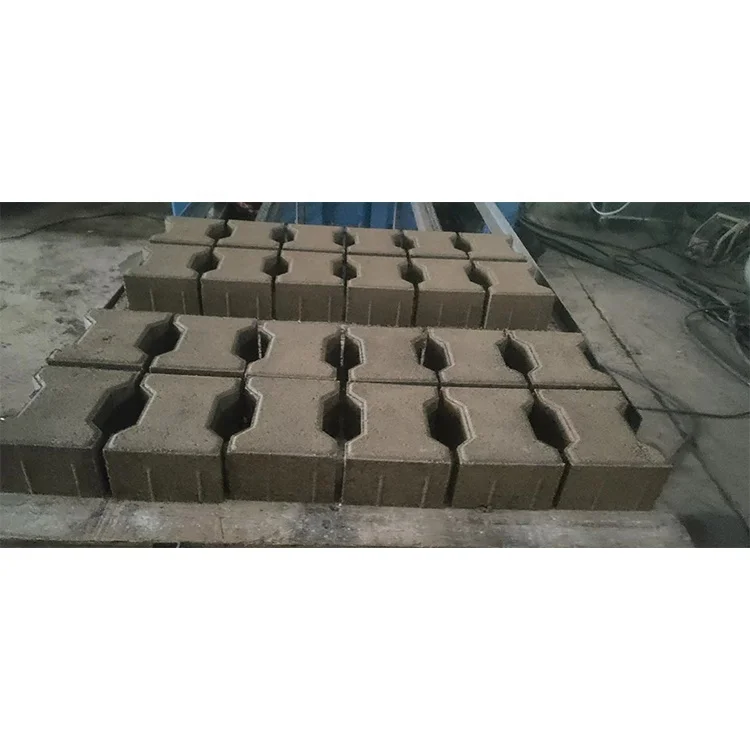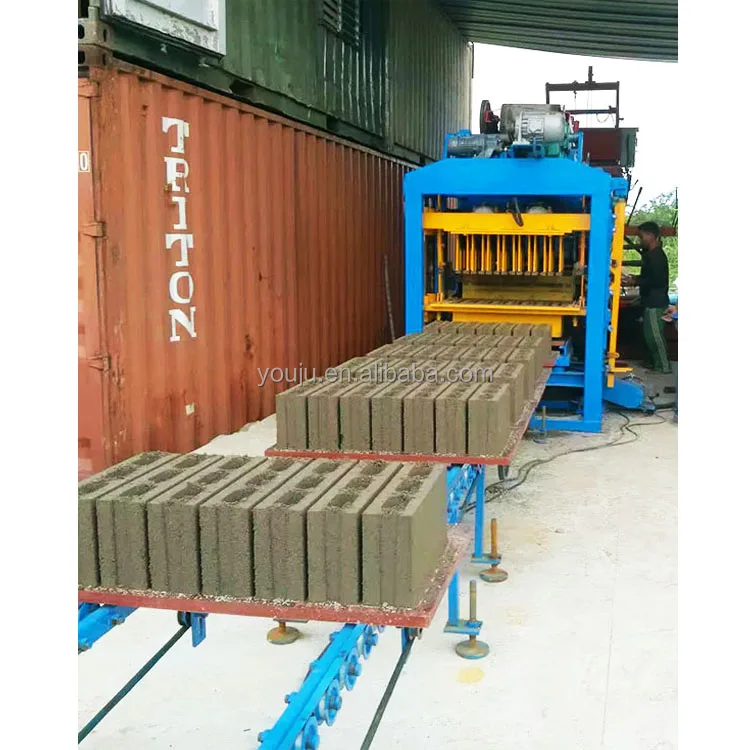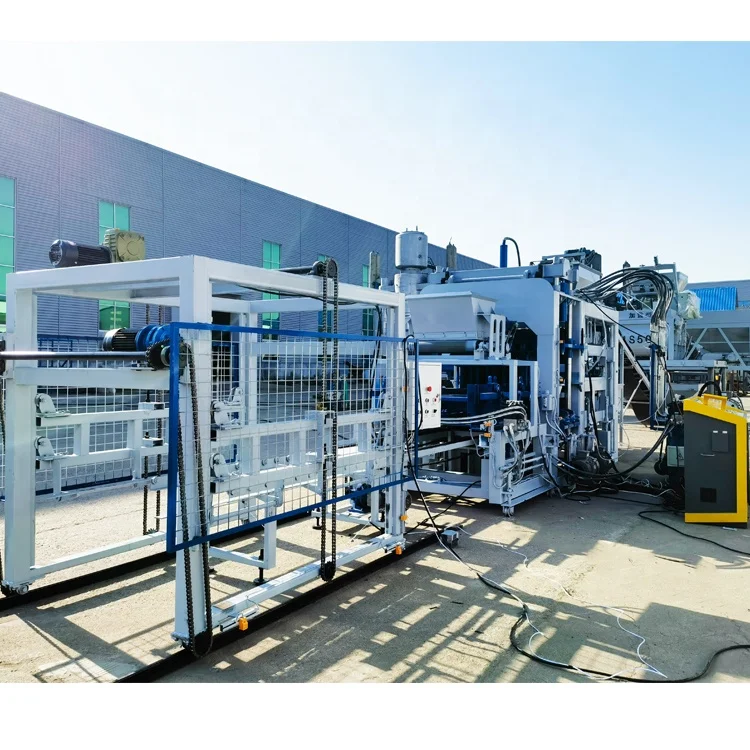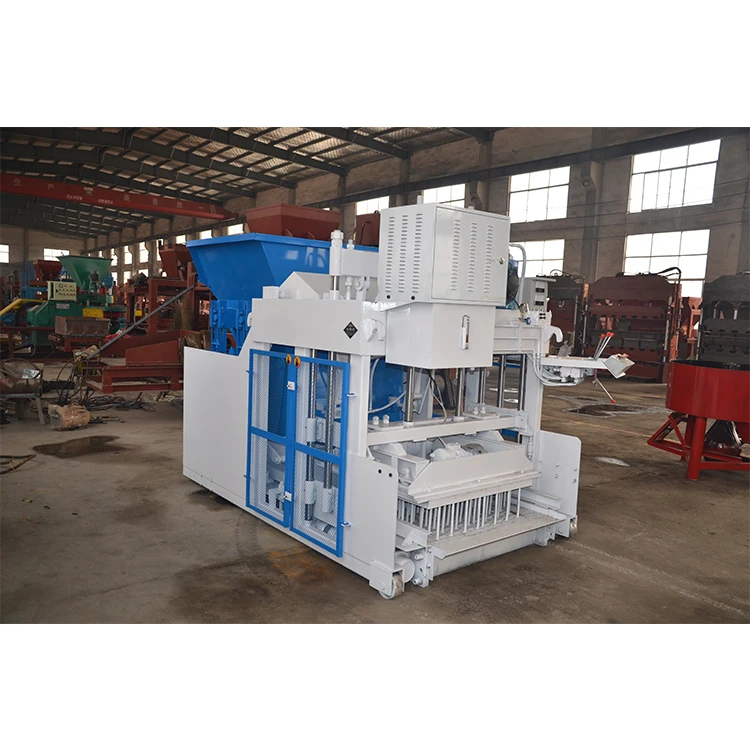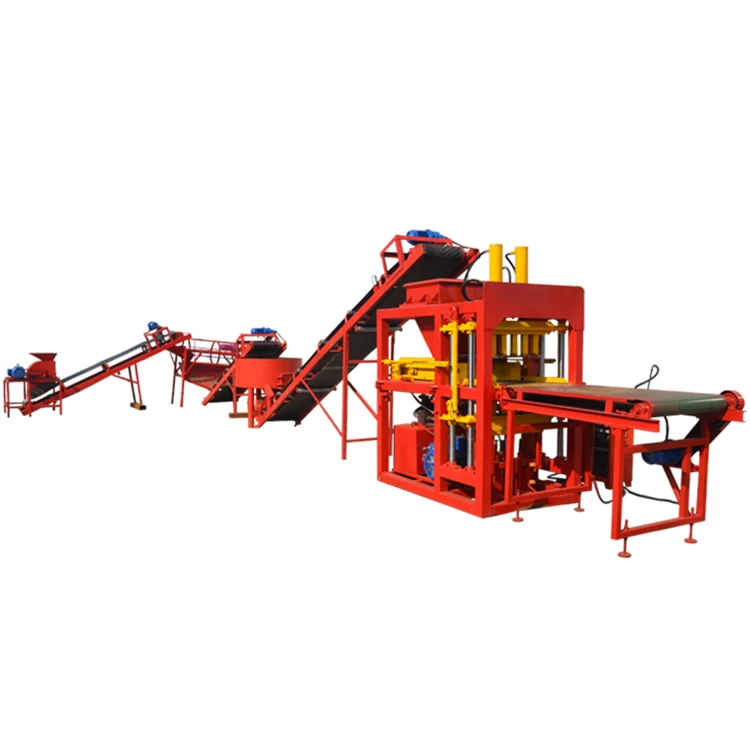

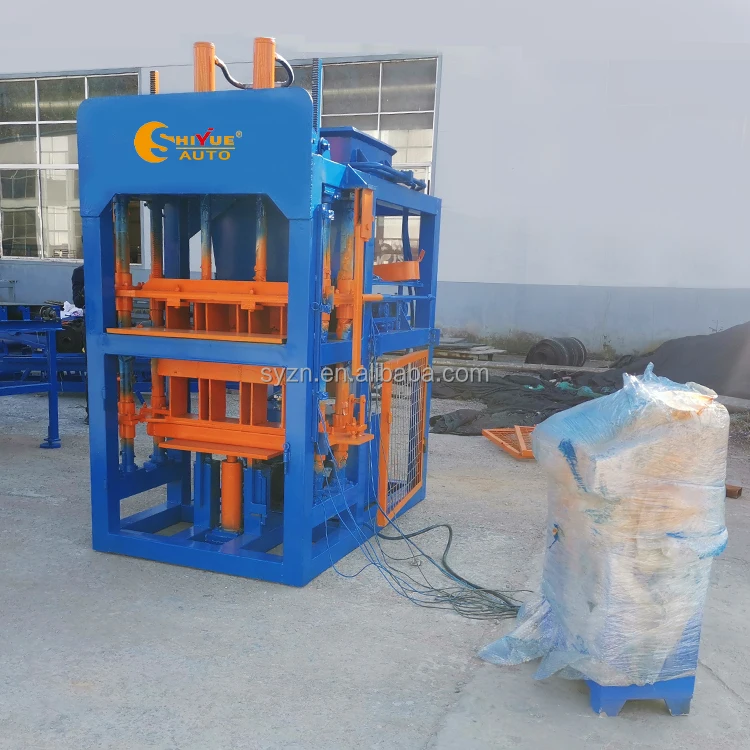


Description
Stocked Dispatch — LY4-10 block machine units are assembled, factory-tested, and staged for container loading with a confirmed vessel booking date rather than an open-ended promise.
Technical Specifications
| Parameter | Value |
|---|---|
| Model | LY4-10 |
| Product Type | Automatic Clay Brick Making Machine |
| Rated Power | 11 kW |
| Molding Cycle | 10 s (basis to be confirmed by block format) |
| Output Capacity | 11,520 pcs / 8 h (based on 300×150×100 mm, 4 pcs/mould; capacity for other formats to be confirmed) |
| Vibration Configuration | 4 exciters per mould |
| Net Weight | 1,200 kg |
| Overall Dimensions (L×W×H) | 1,600 × 1,400 × 2,100 mm |
| Voltage & Frequency | Configurable to buyer local supply |
| Automation Level | Semi-automatic |
| Raw Materials | Concrete, sand, cement, fly ash, lime, gypsum |
Application Suitability
| Application | Material or Output |
|---|---|
| Clay brick production for masonry walls | Local clay blended with sand and water |
| Ecological brick from industrial by-products | Fly ash, lime, gypsum blends |
| Concrete block for small-to-medium plants | Crushed aggregate, sand, cement |
| On-site block production for contractors | Available local aggregate and cement |
| Paving and kerb formats (with mould change) | Concrete mixes with fine aggregate |
What "11,520 Pieces per Shift" Actually Means for a Fast Delivery Block Machine
The output figure only holds true when the block format, mix design, and mould match exactly what was tested at the factory.
A capacity number printed on a brochure usually assumes a single block size — in this case, 300×150×100 mm at four pieces per mould. The moment a buyer switches to a larger hollow block or a thinner paver, the cycle time shifts and the daily total drops accordingly. I have watched contractors receive a block machine in stock only to discover their primary product was never part of the factory test run, leaving them recalculating output on the first day of production [NEED_CITE: block format and cycle time relationship in concrete block production]. That is why the first question I ask is never about budget — it is about which block the buyer’s market actually purchases.
Dispatch Timeline That Holds Up Beyond the Quotation
When a buyer is working against a project deadline, the phrase "in stock" needs to translate into calendar days from order to container gate-in. For the LY4-10, stocked units mean the press frame, hydraulic station, and vibration assembly are already built and tested. What still requires lead time is voltage configuration, control panel wiring to the buyer’s frequency, and mould matching to the confirmed block format. A realistic dispatch window accounts for these final steps rather than quoting only the warehouse availability.
Container Loading and Machine Dismantling for Shipment
The LY4-10 measures 1,600 × 1,400 × 2,100 mm as an assembled unit, which fits within standard container dimensions once the hopper and control cabinet are detached. The semi-automatic configuration keeps the component count manageable — no automatic stacker or curing rack system to crate separately. Packing photographs and a loading plan are prepared before the container is sealed, so the buyer can verify placement and bracing [NEED_CITE: container loading standards for industrial machinery export].
Reading the Specs That Actually Matter on Site
The 11 kW rated power drives both the vibration motors and the hydraulic pump through a shared electrical circuit. On sites where generators supply power, the starting current draw must be accounted for to avoid tripping breakers during the first cycle of the day. The vibration configuration places four exciters per mould, concentrating force across the mould cavity rather than from a single central source — this affects how evenly the concrete mix settles, particularly when the aggregate includes coarse particles. The 10-second moulding cycle is achievable with a well-graded mix; a sticky or overly wet mix extends it noticeably. Voltage and frequency are configured before dispatch because rewiring a control panel after arrival delays commissioning by days and sometimes weeks, depending on local electrician availability.
The Cost of Skipping the Format Conversation Before Ordering
Buyers who order a fast delivery block machine without confirming their primary block format often find the standard mould produces a brick their market does not want. Swapping moulds after arrival means additional shipping cost and production downtime. Worse, if the local aggregate differs from what the factory test assumed, the vibration force and cycle time may not compact the mix adequately, yielding blocks that crumble before curing is complete [NEED_CITE: effect of aggregate gradation on concrete block compressive strength]. These problems surface in the first week, exactly when the contractor planned to be ramping up.
Why Source This Machine Through a Single-Focus Block Machinery Supplier
Every component on the LY4-10 — press, mould, pallet interface, and electrical panel — is specified as a matched set rather than assembled from separate vendors. Voltage and control language are confirmed in writing before the machine leaves the factory, eliminating the most common commissioning delay. Mould options are selected based on the formats the buyer’s market actually sells, including custom drawings when standard options do not cover the required dimensions. The semi-automatic configuration allows buyers to start with manual pallet handling and add stacking or curing equipment later without replacing the press. Factory test records document the machine running the buyer’s confirmed block format, not a generic demonstration cycle.
Documentation & Verification
- Capacity calculation table listing cycle time per block format the buyer intends to run
- Machine specification sheet confirming voltage, frequency, and control display language
- Mould drawing and format list covering all ordered and optional moulds
- Factory test record on buyer’s confirmed block size before dispatch
- Packing photographs and container loading plan before shipment
- Hydraulic and electrical schematic for on-site maintenance reference
Installation, Commissioning & Support
- Foundation pad must be level and cured to support the 1,200 kg operating weight plus dynamic vibration load
- Dedicated electrical circuit sized for 11 kW continuous draw with voltage matched to local supply
- Hopper and control cabinet reattach on site with bolt connections — no welding required
- First production run supervised to set vibration duration and hydraulic pressure for local mix
- Operator training covers mould change procedure, daily greasing points, and pallet alignment
- Wear parts list identifies vibration motor brushes and hydraulic seals by part number
What to Share Before Requesting a Dispatch Date
Provide the block formats your market purchases most, including dimensions and target daily volume for each. Share a sample or description of your local aggregate — sand source, maximum particle size, and clay content — so the mould and vibration settings can be matched before the machine ships. Confirm your site voltage, frequency, and whether the control display needs to read in a language other than Chinese or English. If you already own pallets or a forklift, send the pallet dimensions so the feeding interface aligns with your existing curing area.
Frequently Asked Questions
Q: Which block formats are covered by the quoted cycle time, and how do I get a per-format capacity table?
A: The 10-second cycle and 11,520-piece output assume a 300×150×100 mm solid block at four pieces per mould. If your primary product is a different size or hollow format, request a capacity table calculated per format. This table accounts for mould cavity count and realistic cycle adjustments for each shape.
Q: What is the real dispatch lead time from order to container gate-in?
A: Stocked LY4-10 units are assembled and tested, but final voltage wiring, control language setup, and mould matching still require a short preparation window. Ask for a calendar-day dispatch date and the earliest available vessel booking, not just a general "in stock" confirmation.
Q: How is the machine dismantled and packed for container loading, and what are the package dimensions?
A: The hopper, control cabinet, and vibration assembly are detached from the main frame for loading. The overall footprint fits within a standard container once dismantled. Packing photographs and a loading plan are shared with the buyer before the container is sealed.
Q: Can I add pallet handling, stacking, or curing equipment later?
A: Yes. The semi-automatic configuration of the LY4-10 is designed to accept pallet feeders, stackers, and curing rack systems as separate additions. The press interface and control panel can accommodate these upgrades without requiring a full machine replacement.
Q: What voltage and frequency options are available, and how is this confirmed before shipment?
A: Voltage and frequency are configured to match the buyer’s local electrical supply. This specification is confirmed in writing before production or final wiring begins, preventing commissioning delays caused by incompatible power settings after the machine arrives on site.