

Description
Verified Capacity by Block Format — A QMJ2-45 unit pulled from stock and dispatched within days, configured with voltage and moulds matched to your site conditions rather than shipped as a catalogue default.
Technical Specifications
| Parameter | Value |
|---|---|
| Model | QMJ2-45 |
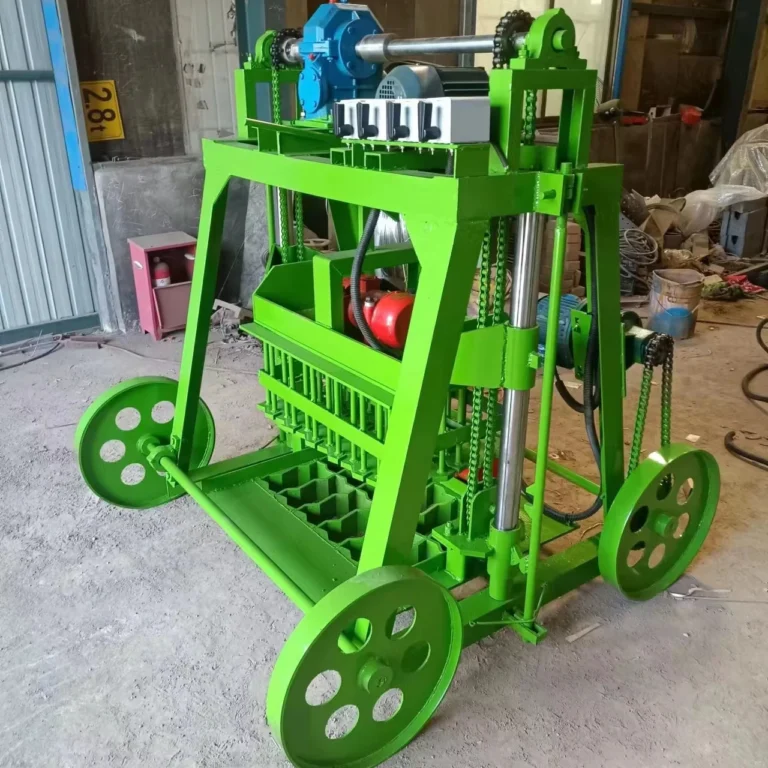
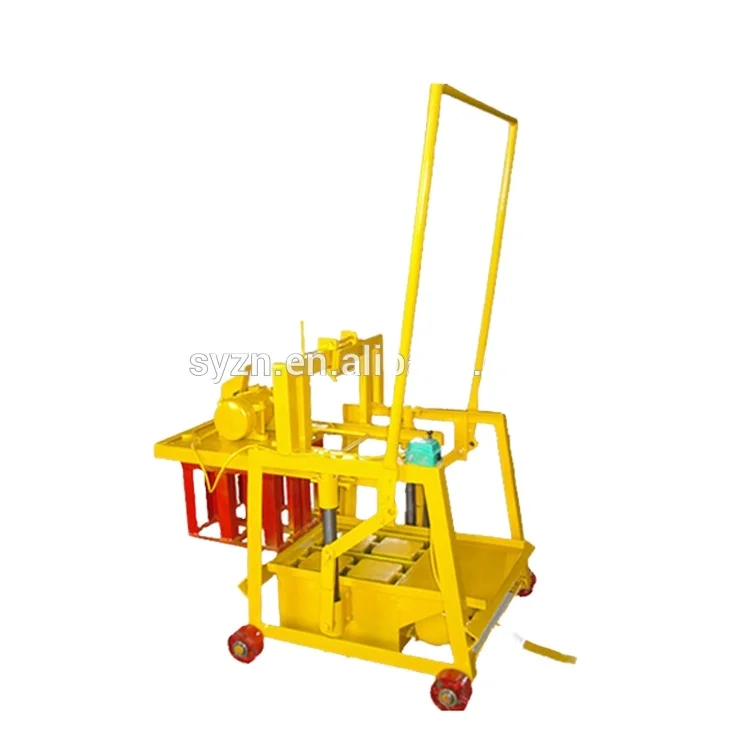
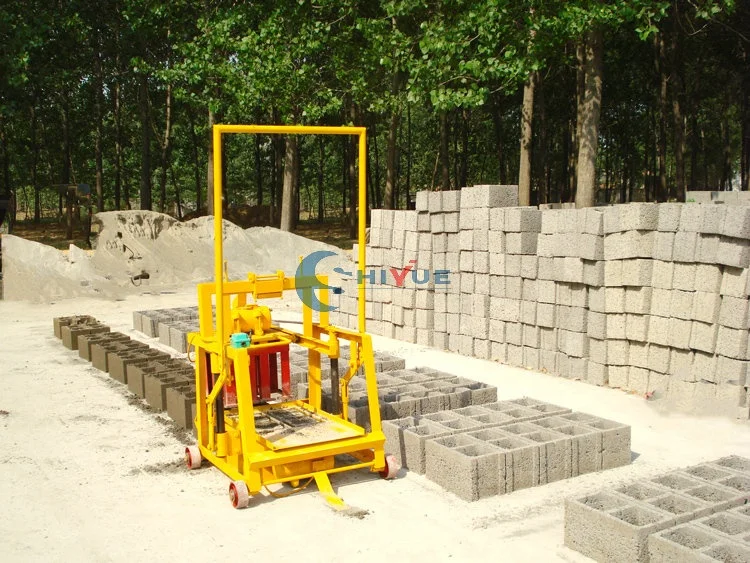
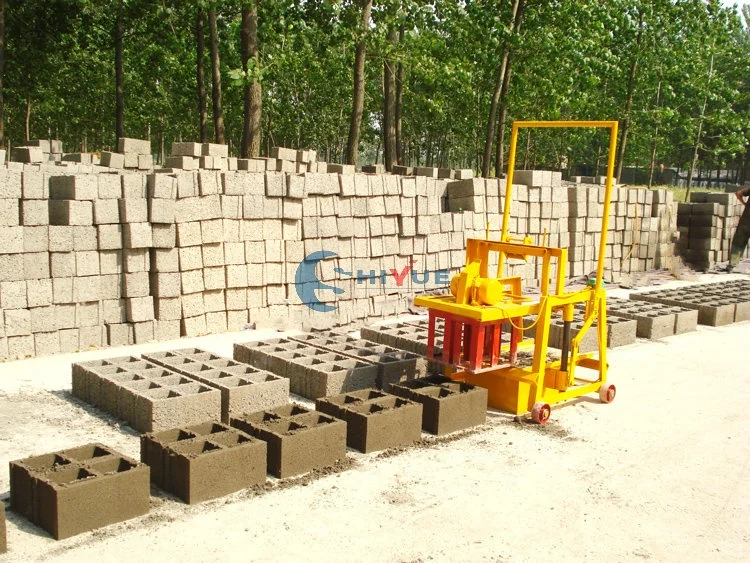
| Product Type | Mobile Egg-Laying Hollow Block Making Machine |
| Rated Power | 1.5 kW |
| Voltage & Frequency | Configurable to buyer’s local supply (confirmed before production) |
| Control System | Semi-automatic operation with top die push/pull and automatic scraper |
| Overall Dimensions (L×W×H) | 1300 × 1300 × 1150 mm |
| Net Weight | 400 kg |
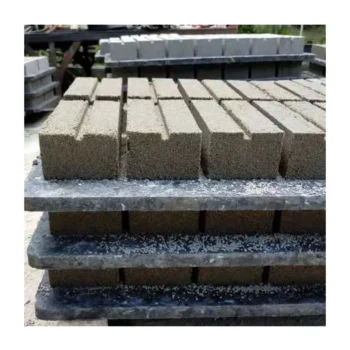
| Mould Format Options | 400×200×200 mm (2 pcs/mould) / 400×150×200 mm (3 pcs/mould) |
| Output Capacity | 1200 pcs/8h (based on 400×200×200 mm hollow block) / 1760 pcs/8h (based on 400×150×200 mm hollow block) |
| Cycle Time | 45 s |
| Vibration System | Bed mould vertical vibration + upper mould compression vibration |
| Raw Materials | Concrete, sand, cement, fly ash, lime, gypsum |
| Assembly State | Fully assembled, mobile unit |
| Stacking Method | Manual (egg-laying / on-ground curing) |
Application Suitability
| Application | Material or Output |
|---|---|
| First block plant for entrepreneurs | Hollow blocks in 400×200×200 mm and 400×150×200 mm using locally sourced sand, cement, and aggregate |
| On-site production for housing projects | Hollow blocks from concrete, fly ash, or lime mixes laid directly on cured ground |
| Capacity expansion for small producers | Additional hollow block formats added to existing manual or semi-automatic lines |
Why Dispatch Timing Matters More Than Headline Output
Buyers working against a project deadline cannot afford a machine that arrives late or arrives wrong. A QMJ2-45 block machine in stock means the unit is built, tested, and ready to load — not waiting in a production queue. Fast delivery only matters if the machine that arrives actually runs on your site. [NEED_CITE: typical shipping lead times for small block machines from manufacturer stock]
I have seen contractors order a mobile block machine to meet a housing project milestone, only to discover after arrival that the voltage was wrong for their generator set or the mould produced a block size their local market does not buy. The machine sat idle while the project clock kept ticking. Confirming voltage, frequency, and mould format before dispatch removes that risk entirely.
Stock Availability and Loading Readiness
The QMJ2-45 block machine in stock ships as a fully assembled mobile unit weighing 400 kg. Its compact 1300 × 1300 × 1150 mm footprint allows straightforward container loading without dismantling the core frame. Because the unit arrives assembled, on-site commissioning is limited to power connection and a test cycle rather than a multi-day rebuild.
Voltage and Frequency Confirmation Before Loading
Every export market runs on a different electrical standard. The 1.5 kW rated power must be delivered at the correct voltage and frequency for the vibration motors and control circuit to perform as designed. Confirming these details before the QMJ2-45 block machine in stock leaves the factory prevents the costly delay of rewiring or replacing motors after arrival [NEED_CITE: voltage and frequency standards by export market].
Mould Format and Local Market Match
A mobile egg-laying machine only earns its keep if the blocks it produces are the sizes your customers actually order. The QMJ2-45 offers 400×200×200 mm and 400×150×200 mm hollow block formats, with two and three pieces per mould respectively. Selecting the right mould before dispatch avoids the situation where a buyer receives a machine that makes a product with no local demand.
How Vibration and Compression Shape Block Density
The dual vibration system — bed mould vertical vibration paired with upper mould compression vibration — works together to compact the mix into a dense, consistent block. Vertical vibration settles the aggregate while upper compression closes voids at the surface. For a 1.5 kW machine operating on-site with variable local aggregate, this combination is what determines whether a hollow block survives handling and curing without cracking. The 45-second cycle time allows sufficient vibration duration for mixes containing fly ash or lime, which often require longer consolidation than pure sand-cement blends.
The Hidden Cost of Skipping Pre-Dispatch Checks
When voltage is left unconfirmed, the vibration motors may run at reduced speed, producing blocks with lower density that crumble under their own weight during curing. When the pallet size or ground conditions are ignored, the egg-laying mechanism deposits blocks onto surfaces that damage the fresh bottom face. These failures show up weeks after arrival, long after the supplier considers the sale closed [NEED_CITE: common causes of block strength failure in mobile egg-laying machines].
Why Sourcing This Machine Here Makes Sense
Block machinery is the single focus of this operation, meaning the QMJ2-45 is specified as a matched system — machine, mould, and ground-curing workflow considered together. Configuration is set against your actual mix design and local aggregate rather than a catalogue default. Mould design covers the hollow block formats your market sells, with custom drawings available if standard sizes do not match. Automation level is selectable, so a buyer starting with this mobile unit can plan an upgrade path to semi-automatic or fully automatic lines later. Installation support includes operator training so the first blocks produced on-site meet the same standard as the factory test.
Documentation & Verification
- Capacity calculation sheet stating output per block format, not a single headline number
- Mould drawing and format list confirming the hollow block sizes match your local market
- Voltage and control language confirmation record signed before production
- Factory test record on your specified mix design before dispatch
- Packing photographs showing container loading arrangement
Installation, Commissioning & Support
- Flat, level ground required for egg-laying operation; no fixed foundation needed for the 1300 × 1300 mm footprint
- Dedicated power circuit matching confirmed voltage and frequency for the 1.5 kW rated load
- Machine arrives fully assembled; commissioning involves power connection and a test moulding cycle
- Operator training covers mix consistency, cycle timing, and mould change procedure
- Wear parts list with vibration motor and scraper blade specifications provided at delivery
What to Include in Your Inquiry
To match the right stocked unit to your project, provide the hollow block format your market demands, the voltage and frequency at your site, and the raw materials you plan to use. If you have an existing curing area or specific ground conditions, describe those as well so the egg-laying workflow can be planned around them.
Frequently Asked Questions
Q: How is the daily output calculated and which block format does each figure assume?
A: The output figures are based on an 8-hour working shift. At 1200 pieces, the calculation assumes the 400×200×200 mm hollow block with 2 pieces per mould. At 1760 pieces, it assumes the 400×150×200 mm format with 3 pieces per mould. The 45-second cycle time is consistent across both formats.
Q: What voltage and frequency options are available, and how is this confirmed before shipment?
A: The machine voltage is configurable to your local supply standard. Before production, we confirm the exact voltage, frequency, and control language in writing. This record is signed off before the unit leaves the factory to avoid commissioning delays on arrival.
Q: What is the dispatch lead time for stocked QMJ2-45 units, and how is the machine packed?
A: Stocked units are available for fast dispatch once voltage and mould format are confirmed. The 400 kg assembled unit loads into a standard container without dismantling. Packing photographs are provided showing the loading arrangement before the container is sealed.
Q: Which raw materials are compatible with this machine’s vibration system?
A: The dual vibration system handles concrete, sand, cement, fly ash, lime, and gypsum mixes. However, local aggregate properties such as clay content affect block strength. Sharing your material source details before ordering allows the mix to be evaluated against the machine’s vibration and compression settings.
Q: Are spare moulds and wear parts available with the machine order?
A: Spare moulds for both standard hollow block formats and vibration wear parts can be included in the same shipment. A complete wear parts list with specifications is provided so future replacements can be ordered without delay.