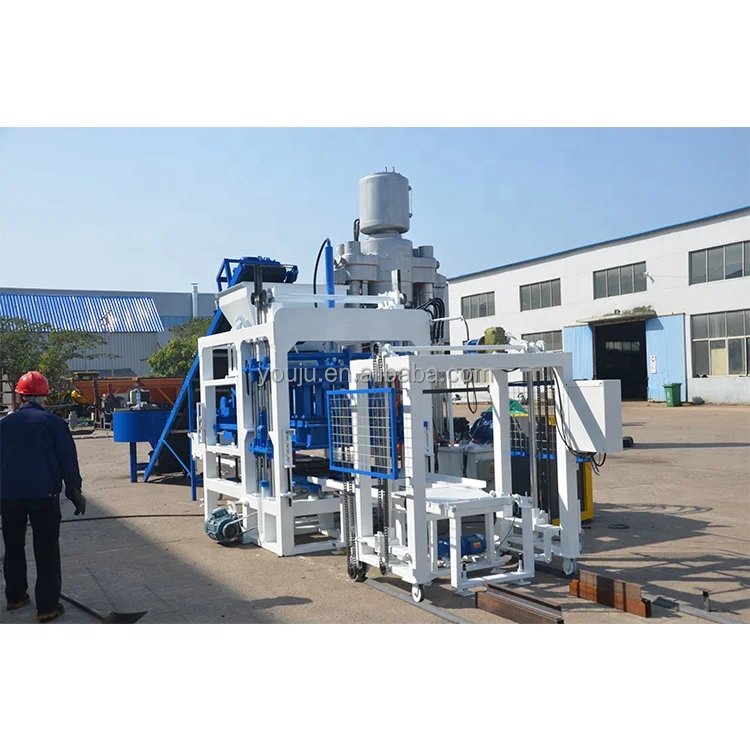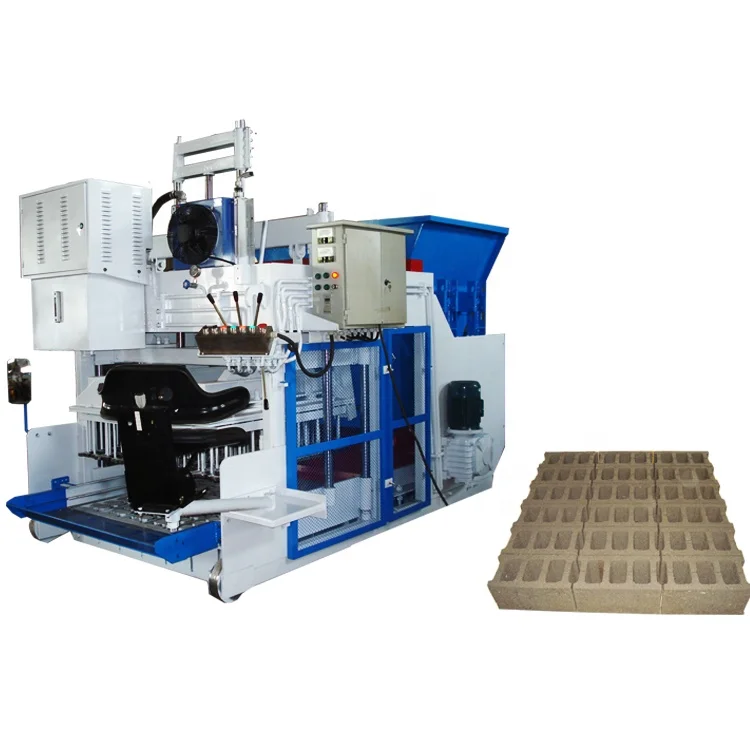
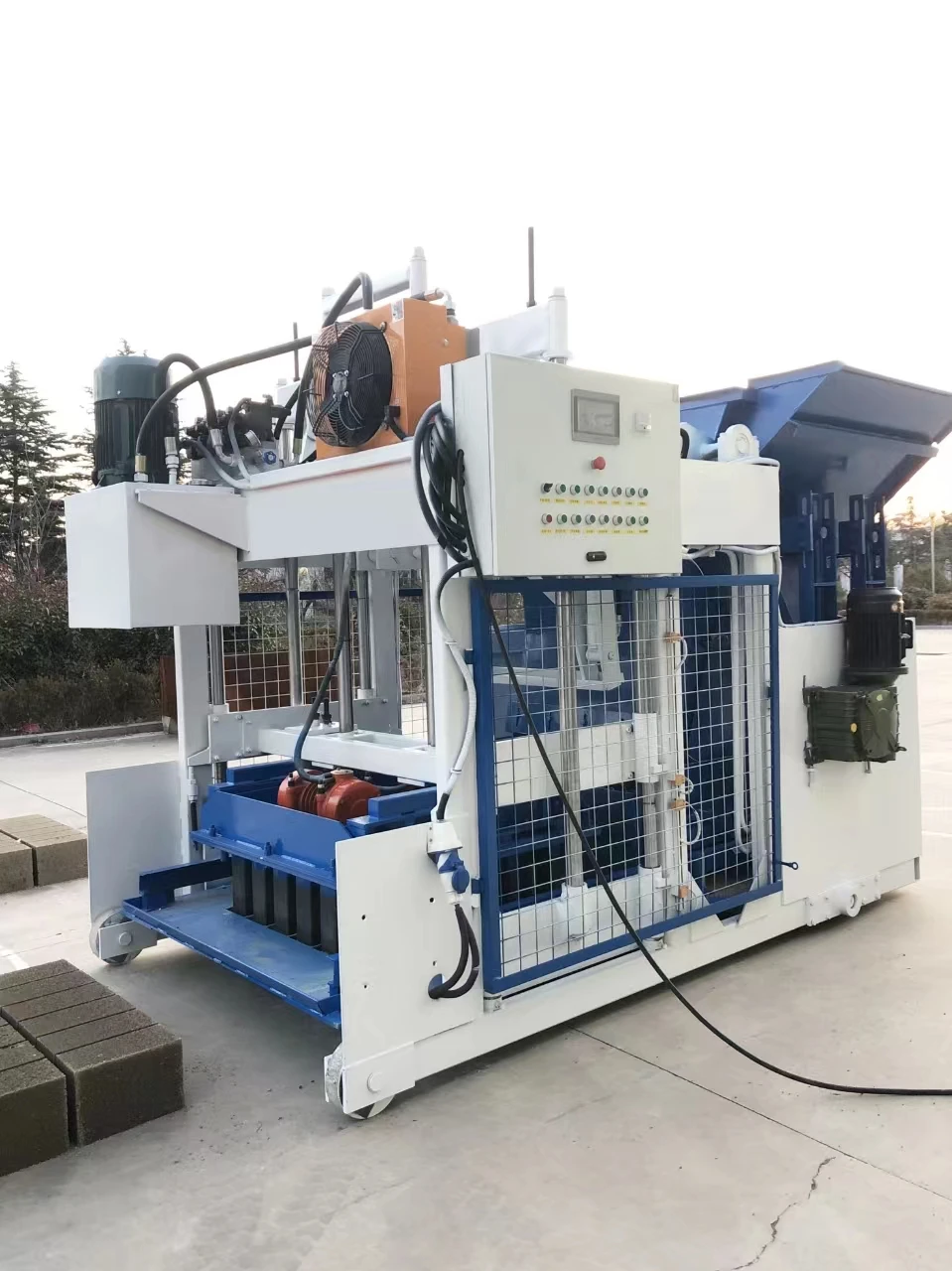
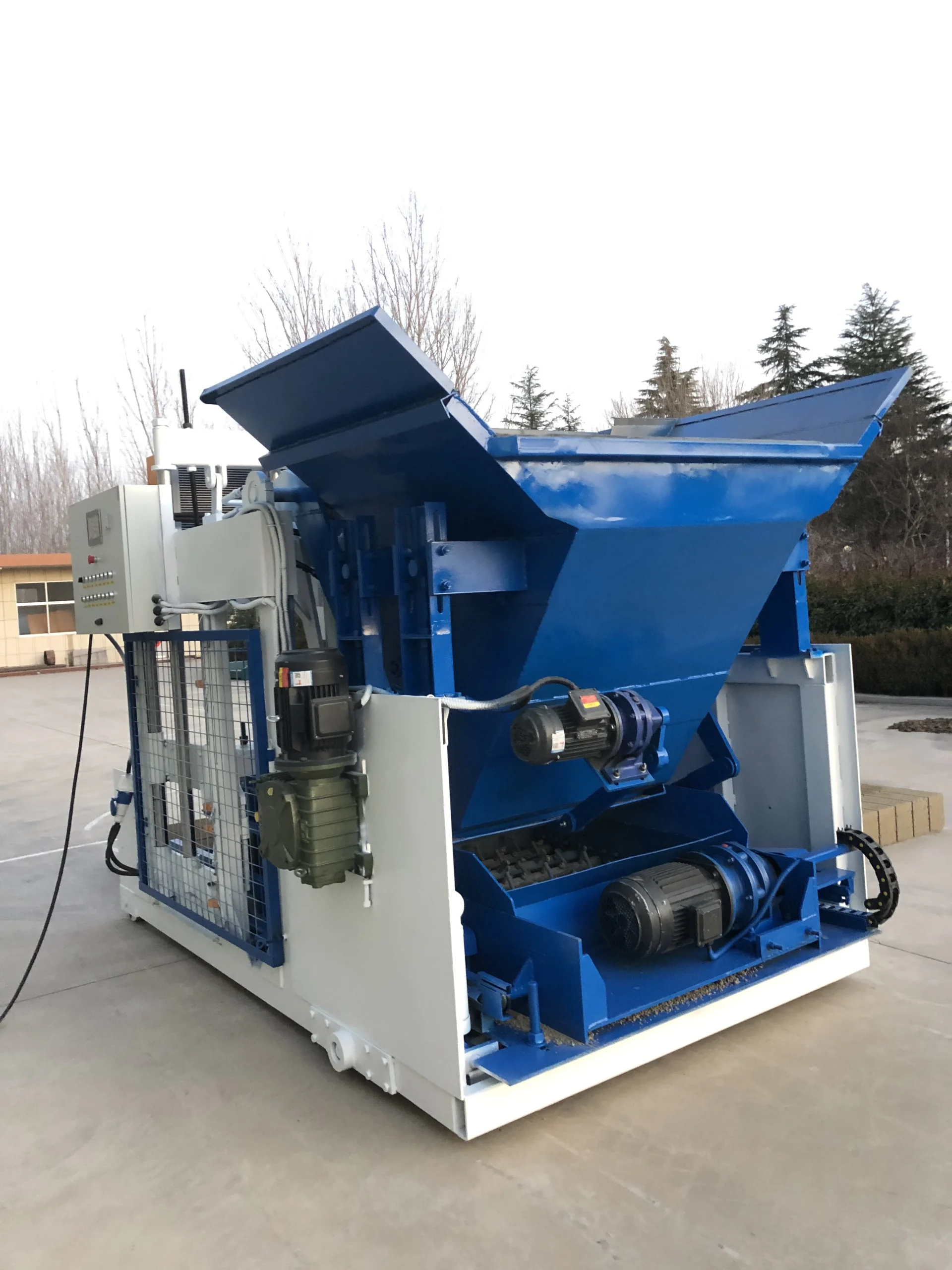
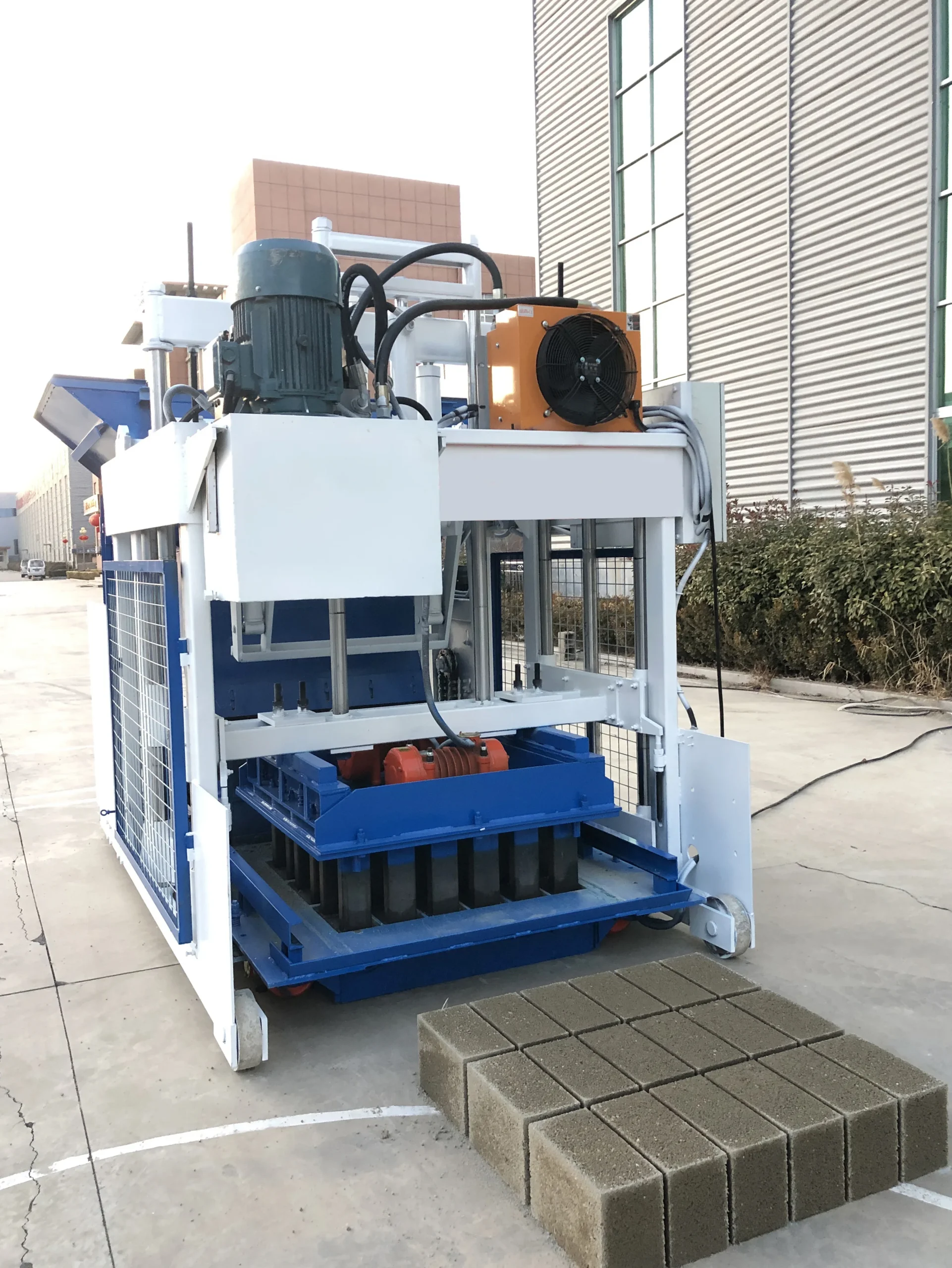
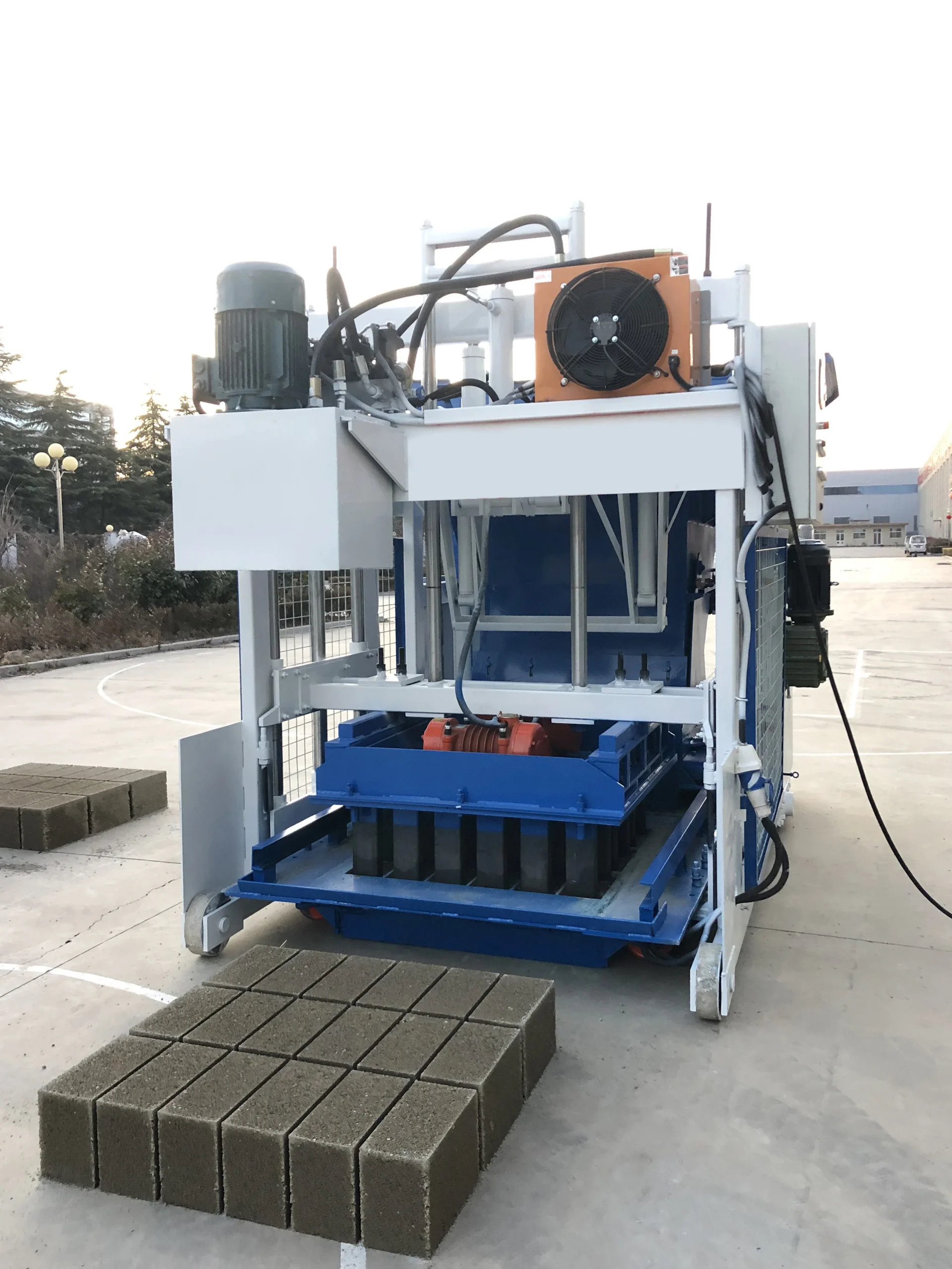
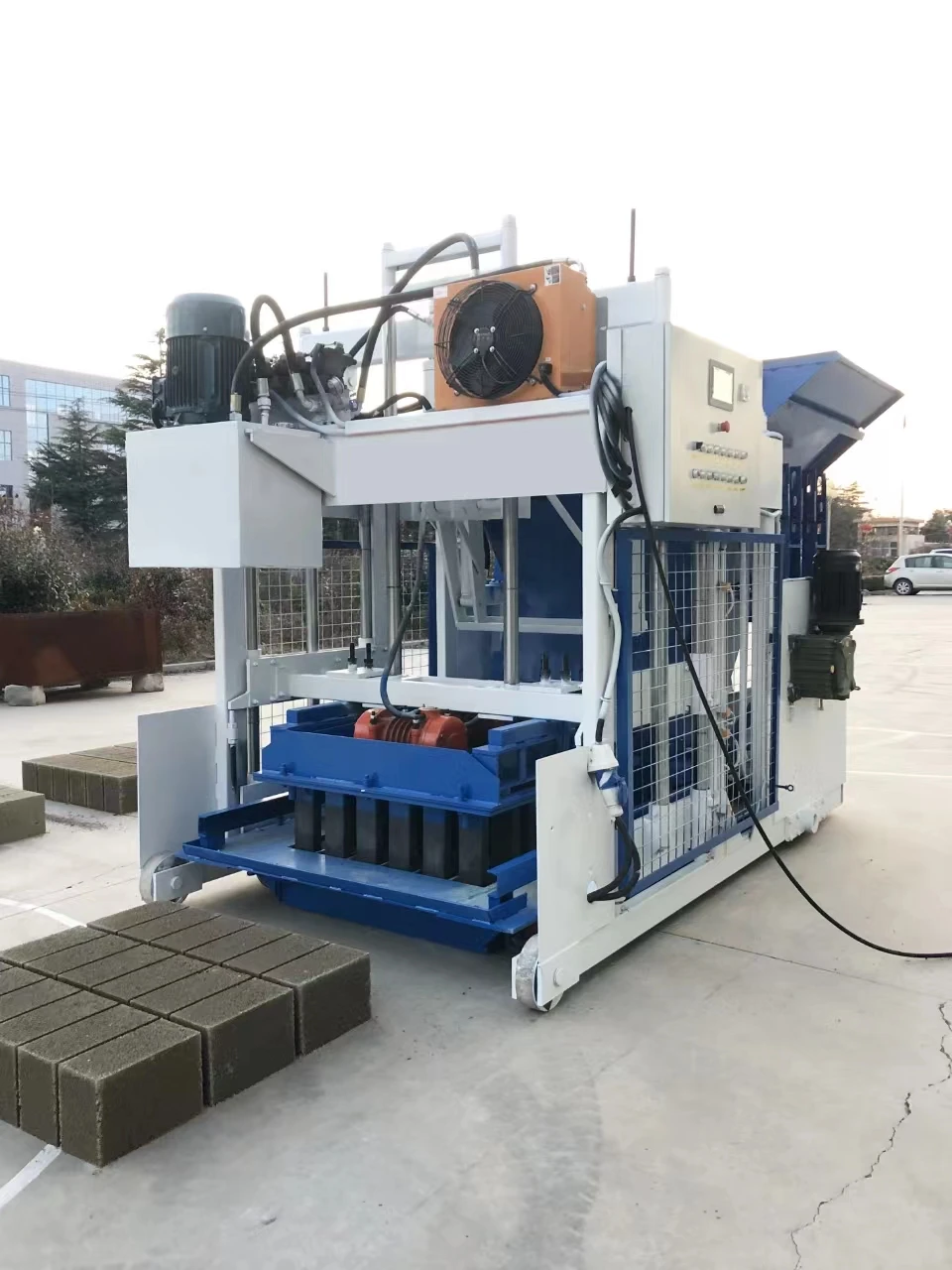
Description
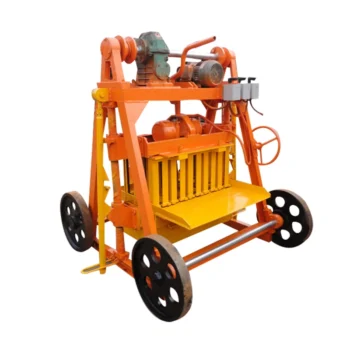
Rapid Site Deployment — QMY18-15 mobile block machine in stock for immediate container loading, with arrival timing quoted at order so your project schedule holds.
Technical Specifications
| Parameter | Value |
|---|---|
| Model | QMY18-15 |
| Product Type | Mobile Cement Block Making Machine |
| Rated Power | 24 kW |
| Working Method | Hydraulic pressure |
| Control System | PLC |
| Output Capacity | Approx. 34,000 pcs per shift (basis: 400×200×200 mm hollow block) |
| Pallet Requirement | None (egg-laying / mobile design) |
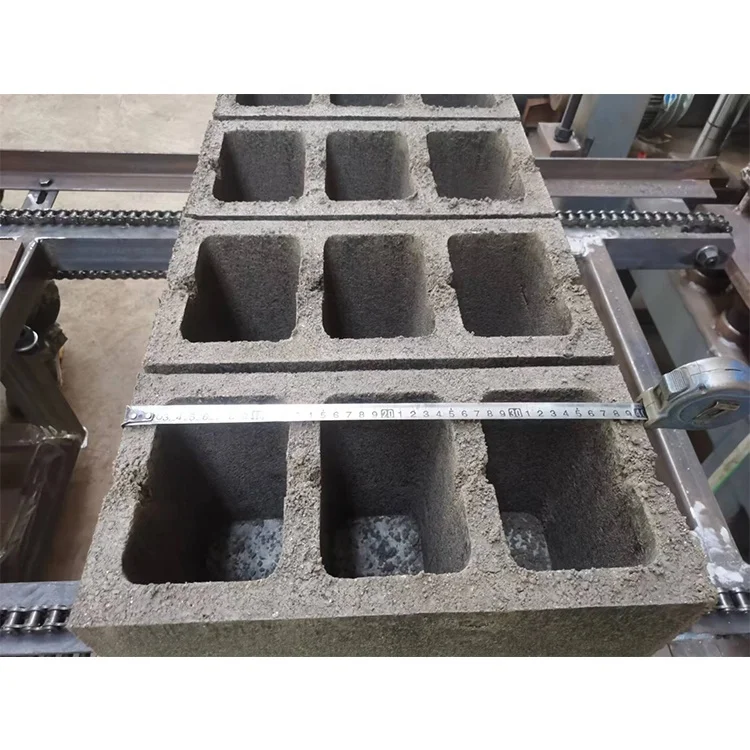
| Block Types | Hollow, solid, paving (customizable to buyer requirement) |
| Automation Level | Semi-automatic |
| Voltage & Frequency | Customized to local industrial supply (confirm before dispatch) |
Application Suitability
| Application | Material or Output |
|---|---|
| On-site block production for construction contractors | Hollow and solid blocks from crushed stone, sand, and cement |
| Housing and infrastructure development projects | Paving blocks and kerbstones produced locally to meet build schedules |
| First block plant setup by entrepreneurs | Standard concrete blocks without fixed factory infrastructure |
| Remote or temporary job sites | Egg-laying block production directly on prepared ground |
Why the Dispatch Date Matters More Than the Cycle Time
A machine sitting in a factory warehouse does not lay a single block on your job site.
When you are working against a construction deadline, the realistic lead time from order placement to container arrival at your destination port dictates your entire production schedule. Buyers often focus heavily on cycle time and theoretical output, only to find that standard production runs and ocean freight add weeks they did not plan for. Confirming actual stock status and a firm dispatch date upfront prevents costly project delays [NEED_CITE: typical ocean freight transit times and port clearance durations].
Current Stock Status and Container Loading Plan
Securing a QMY18-15 mobile block machine in stock means bypassing the standard manufacturing queue. We confirm which exact units and standard mould formats are ready for immediate dismantling and container stuffing. The loading plan specifies the container type required, how the machine is broken down to fit, and the securing method to prevent transit damage.
Arrival Estimates Quoted Before You Commit
We provide an arrival estimate based on your specific destination port before the order is finalized. This accounts for current sailing schedules and typical customs clearance windows. Knowing the realistic date the equipment will be on your site allows you to schedule ground preparation, raw material delivery, and operator availability without guessing [NEED_CITE: international shipping logistics and port congestion factors].
Matching Power Supply to Destination Before Dispatch
The 24 kW rated power requirement must align perfectly with your local grid. Voltage and frequency are customized and confirmed in writing before the machine is released for loading. This step ensures the PLC control system and hydraulic motors operate correctly upon arrival, avoiding commissioning delays caused by incompatible electrical supplies [NEED_CITE: industrial voltage and frequency standards by export market].
How Hydraulic Pressure and Egg-Laying Design Affect Site Output
The hydraulic pressure system works without vibration to form blocks, relying on the PLC to maintain consistent pressure cycles. This semi-automatic operation simplifies site management. Because the QMY18-15 lays blocks directly on the ground, you eliminate the need to purchase, ship, and manage a large inventory of pallets. The stated capacity of approx. 34,000 pcs per shift is based on 400×200×200 mm hollow blocks; producing smaller solid formats will alter this figure, and your local mix design will dictate the actual curing time before blocks can be moved.
The Hidden Cost of Uncoordinated Site Logistics
Failing to verify the container unloading requirements at your destination can halt a project before it starts. If the local equipment cannot handle the weight or dimensions of the crated machinery, the QMY18-15 sits at the port or on your truck while you source a heavier crane. This logistical oversight turns a fast-delivery advantage into a week-long standstill, burning through labor costs while the site waits [NEED_CITE: heavy machinery unloading and site preparation requirements].
Why Buyers Source This Equipment Here
Block machinery is our single focus, meaning the machine, mould, and handling requirements are specified as a matched system. We set the configuration against your actual local aggregate and target block format, not a catalogue default. Mould design is available for the specific formats your market demands. The automation level is selectable, allowing you to manage site labor effectively. We provide installation support and operator training to ensure the equipment runs correctly from day one.
Documentation & Verification
- Line layout showing ground space required for egg-laying operation and curing zones.
- Machine specification sheet confirming 24 kW power and hydraulic working method.
- Mould drawing and format list for selected block dimensions.
- Voltage, frequency, and PLC display language confirmation document.
- Factory test record and packing photographs before container sealing.
- Customs documentation support for destination port clearance.
Installation, Commissioning & Support
- Verify ground leveling and compaction for direct egg-laying block production.
- Confirm local industrial voltage matches the customized 24 kW motor requirements.
- Review dismantling scheme and loading photographs for safe site unloading.
- Calibrate PLC control system parameters to local aggregate mix design.
- Train operators on semi-automatic cycle initiation and safety protocols.
- Establish schedule for hydraulic seal inspection and mould wear part replacement.
Planning Your Equipment Arrival
To ensure the mobile block machine in stock matches your project timeline, please provide your destination port, required block formats, and local industrial voltage specifications. We will return a firm dispatch schedule and container loading plan.
Frequently Asked Questions
Q: Is the QMY18-15 currently in stock, and what is the dispatch lead time?
A: Stock availability for the QMY18-15 and standard moulds is confirmed at inquiry. When in stock, the dispatch lead time covers only the dismantling, container loading, and customs export procedures, significantly shortening the wait compared to a scheduled production run.
Q: Which mould formats ship from stock versus requiring production?
A: Standard hollow and solid block moulds typically ship with the machine from inventory. Custom paving or interlocking formats may require a separate production run, which adds to the lead time and must be confirmed before the container is sealed.
Q: How is the machine dismantled and loaded into containers?
A: The machine is broken down into major assemblies to fit standard shipping containers. We provide a specific loading plan detailing the container type, dismantling scheme, and securing methods, along with loading photographs for your records.
Q: What arrival estimate can be quoted for my destination port?
A: We provide an estimated arrival date based on current ocean freight schedules from our port to your destination. This estimate helps you plan site preparation and raw material delivery around a realistic equipment handover date.
Q: What happens if my local voltage does not match the machine?
A: Voltage and frequency are customized to your local industrial supply and confirmed in writing before dispatch. This prevents commissioning delays and ensures the PLC and hydraulic systems operate safely upon arrival at your site.