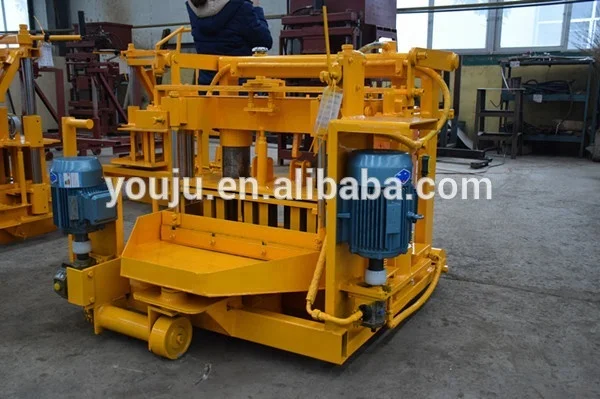
Description
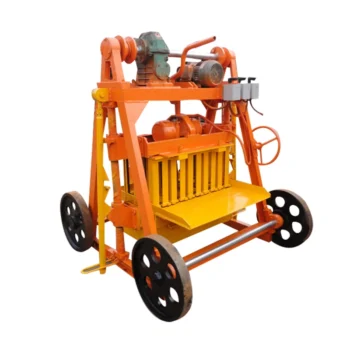
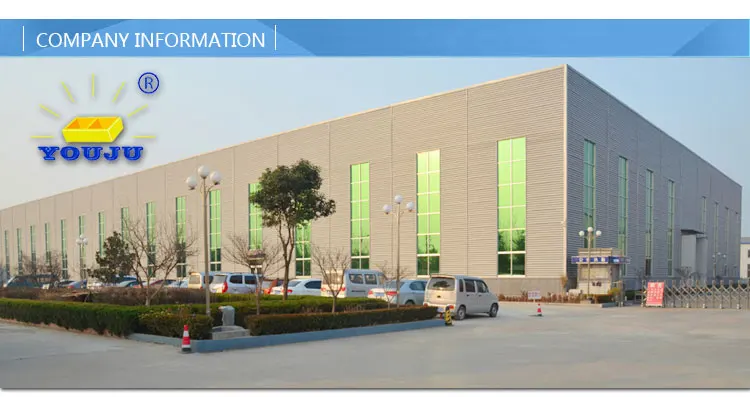
Stock Dispatch Readiness — every QMY4-30 leaves our Linyi yard only after voltage, frequency and control language are confirmed against the buyer’s site, so the machine produces blocks the day it is cleared at port.
Technical Specifications
| Parameter | Value |
|---|---|
| Model | QMY4-30 |
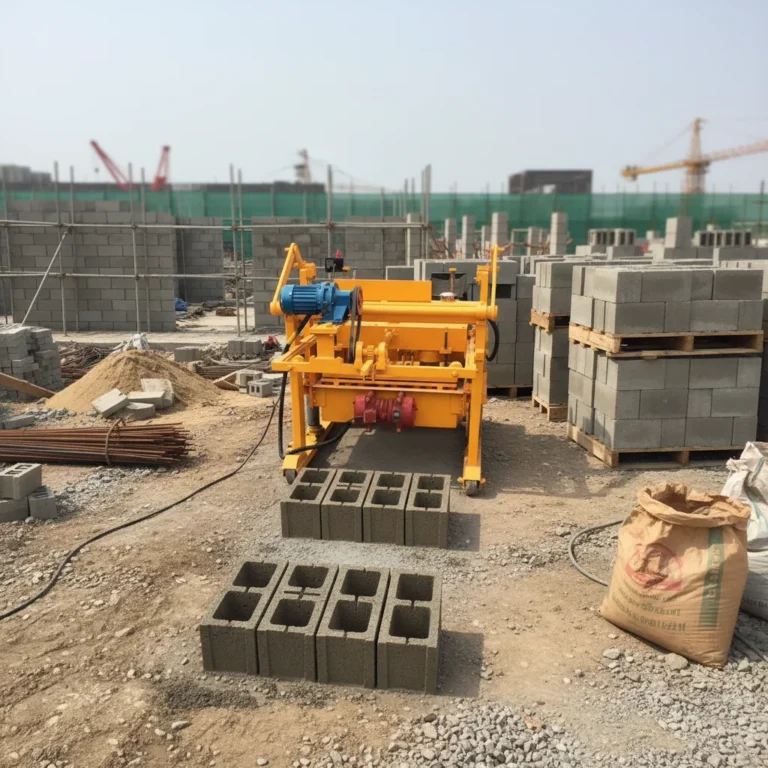
| Product Type | Mobile Concrete Block Making Machine |
| Rated Power | 5 kW |
| Molding Cycle | 30 seconds |
| Overall Dimensions (L×W×H) | 1200×1200×1100 mm |
| Net Weight | 950 kg |
| Output Capacity | 480 pcs/h based on 400×200×200 mm hollow block, 4 pcs/mold |
| Output Capacity | 600 pcs/h based on 400×150×200 mm hollow block, 5 pcs/mold |
| Output Capacity | 840 pcs/h based on 400×100×200 mm hollow block, 7 pcs/mold |
| Daily Output (8 h shift) | 3,840 pcs based on 400×200×200 mm hollow block |
| Daily Output (8 h shift) | 4,800 pcs based on 400×150×200 mm hollow block |
| Daily Output (8 h shift) | 6,720 pcs based on 400×100×200 mm hollow block |
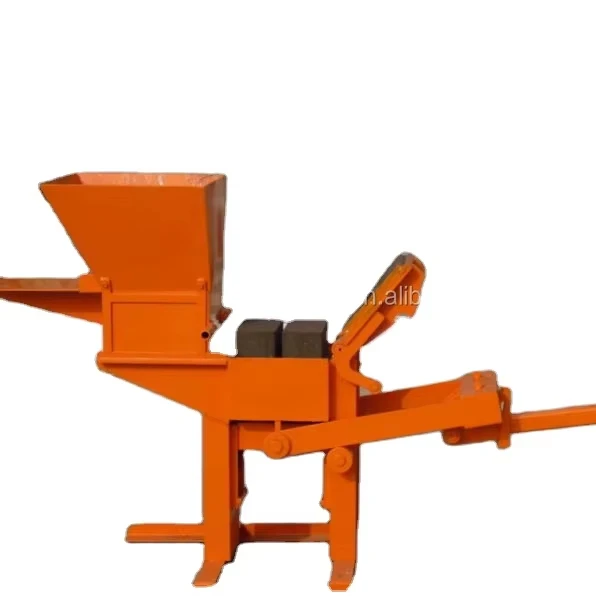
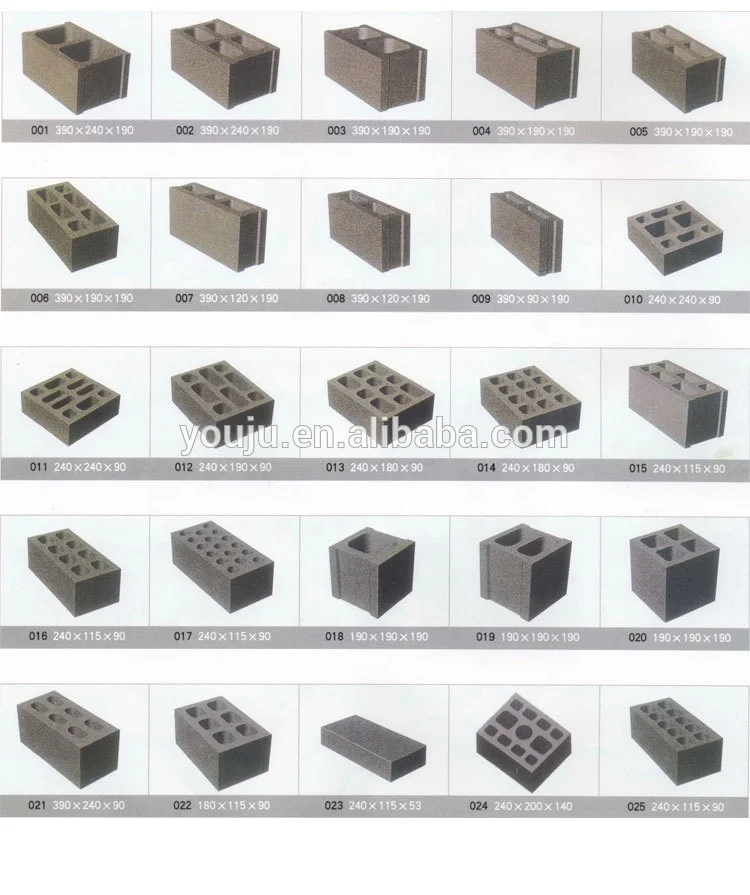
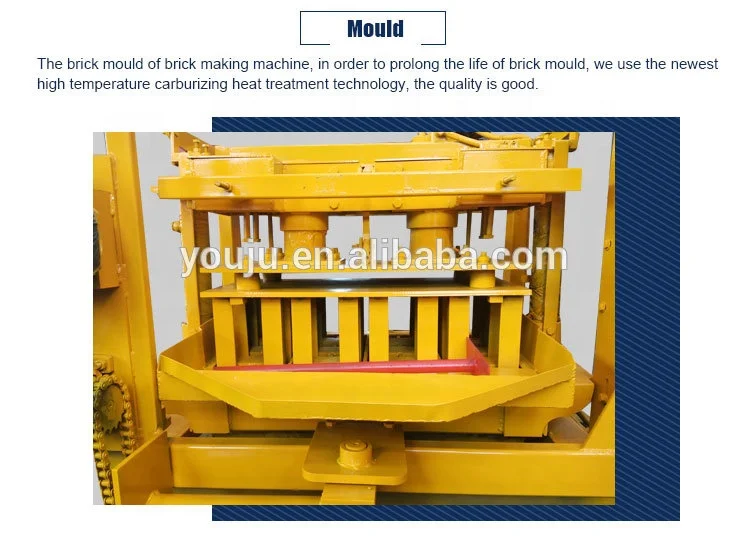
| Mould Format | Hollow block, solid brick (changeable moulds) |
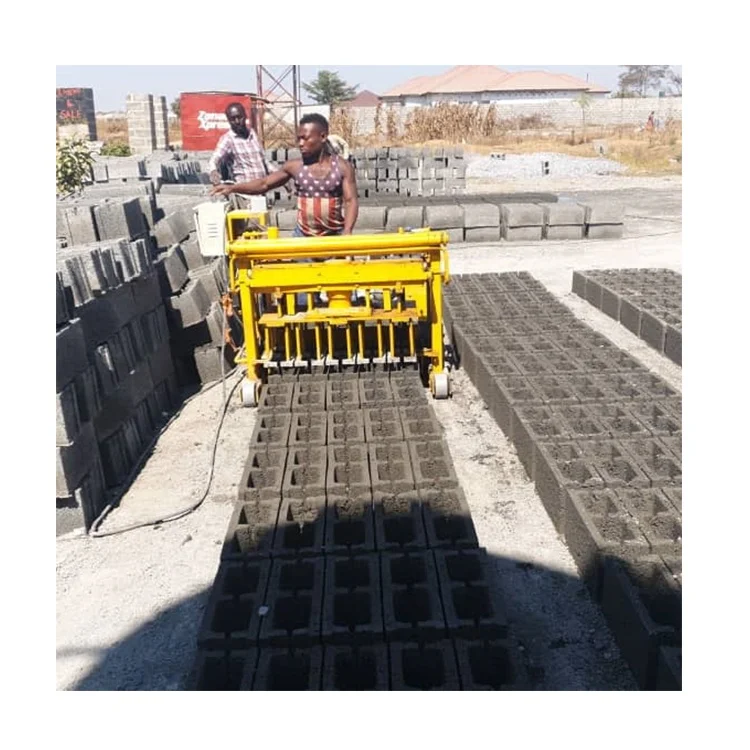
| Pallet Requirement | Not required — egg-laying type, produces directly on ground |
| Automation Level | Semi-automatic / manual operation |
| Assembly State | Mobile, no fixed plant required |
| Voltage & Frequency | Configurable before dispatch (basis to be confirmed with buyer) |
| Control System | Source value not stated (confirm with manufacturer) |
| Hydraulic Pressure | Source value not stated (confirm with manufacturer) |
| Vibration Force | Source value not stated (confirm with manufacturer) |
| CE Declaration | Availability to be confirmed |
Application Suitability
| Application | Material or Output |
|---|---|
| On-site hollow block production for housing projects | Cement, sand, crushed stone mix laid directly on compacted ground |
| Solid brick manufacturing at remote construction camps | Crusher dust and cement with manual mould swap |
| First block plant for entrepreneurs | Standard hollow formats up to 400×200×200 mm on any flat slab |
| Contractor self-supply on development sites | Multiple block widths from a single machine without a batching plant |
Why Voltage Confirmation Must Happen Before the Container Is Booked
A mobile block machine that arrives with the wrong voltage sits silent on your slab for weeks, and the project deadline does not wait.
I learned this the hard way when a QMY4-30 mobile block machine in stock was rushed to a West African job site. The container sailed on schedule, but the control cabinet was wired for a voltage the local generator could not supply. Three weeks passed before a step-down transformer was sourced locally, while the contractor’s masons stood idle. Since then, every dispatch from our yard starts with a signed voltage and frequency sheet — not after the machine is crated, but before it enters the packing area [NEED_CITE: voltage and frequency standards by export market]. The lesson costs nothing to apply and prevents expensive on-site delays.
Dispatch Lead Time and What "Stocked" Actually Means
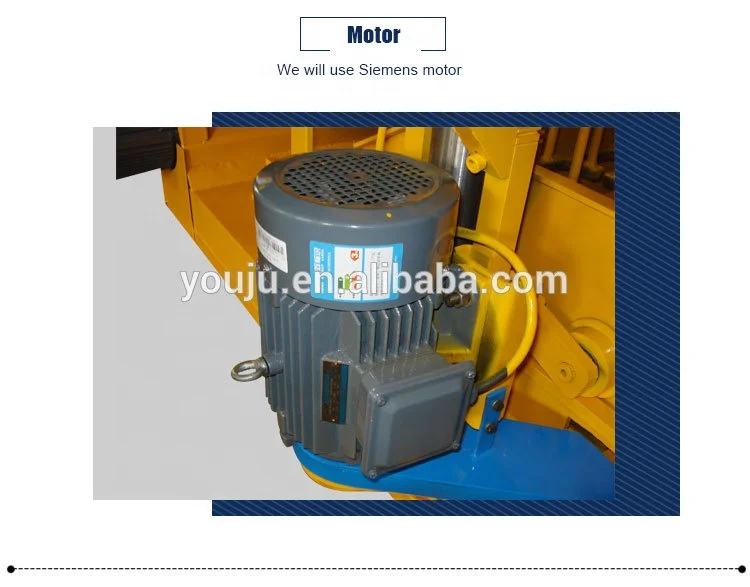
When a buyer asks for a Mobile Block Machine in stock, the first thing we clarify is configuration. The QMY4-30 frame, vibration motor and hydraulic pack are pre-assembled in our Linyi yard, but the control cabinet is finalized only after the buyer confirms site voltage, phase and control panel language. This step typically adds a short window to the dispatch lead time yet eliminates the far longer delay of rewiring on arrival. Stock status therefore means the mechanical core is ready — the electrical tailoring is the variable we control before the container doors close.
Container Loading and Machine Dismantling for Shipment
The QMY4-30 ships in an approximate 3 m³ plywood crate, small enough to share container space with mould sets and spare wear parts. Before loading, the vibration box and hopper are unbolted and secured flat so the centre of gravity stays low during ocean transit. We photograph each dismantling stage and share the image set with the buyer, giving the receiving team a visual re-assembly guide. This matters because the machine must be producing within days of port clearance, not waiting for a technician to guess bolt positions [NEED_CITE: CE machinery directive requirements for industrial equipment].
Reading the Numbers That Matter on Site
A 30-second moulding cycle holds across every block format the QMY4-30 runs, but the pieces per hour change with mould cavity count. Four cavities yield 480 blocks per hour on the largest hollow format, while seven cavities lift that figure to 840 per hour on the narrow wall partition block. The 5 kW rated power draw means a standard site diesel generator can run the machine without a dedicated sub-station, an advantage on remote housing projects where grid supply is unreliable. Net weight of 950 kg keeps the machine within the towing capacity of a common pickup, so contractors relocate it between pours without hiring a crane.
The Cost of Skipping Pre-Shipment Electrical Alignment
When voltage and frequency are assumed rather than verified, the motor winding overheats or the vibration timer drifts, producing blocks that fail compressive strength tests. The contractor then blames the machine, when the real fault is a 60 Hz cabinet feeding a 50 Hz site. Re-burning a motor in a regional port city costs more than the original shipping savings and pushes the block-laying schedule into the rainy season [NEED_CITE: common causes of motor failure in tropical export markets]. Confirming electrical details in writing before crating removes this entire chain of avoidable expense.
Why Buyers Source This Mobile Model Through Our Yard
We treat the QMY4-30 as one matched system: machine, mould, and handling are specified together so nothing is left to a third-party guess. Dispatch photographs, packing lists and customs paperwork are generated in-house, not outsourced to a trading desk. Moulds for additional block formats ship in the same crate, avoiding a second freight cycle. Voltage, frequency and panel language are locked on a single confirmation sheet that travels with the machine. Our yard staff have loaded enough containers to know which bolt heads need thread-locker and which pallet feet need extra strapping for a rough sea crossing.
Documentation & Verification
- Factory test record running your specified block format before crating
- Voltage and frequency confirmation sheet signed by buyer and dispatcher
- Packing photographs showing dismantling stage and crate interior
- Customs documentation pack aligned to destination port HS code
- Mould drawing set for every format included in the crate
Installation, Commissioning & Support
- Level the ground slab to within 5 mm over the 1200×1200 mm footprint before uncrating
- Provide a dedicated 5 kW circuit with correct phase matching the confirmed voltage
- Re-bolt vibration box and hopper using the shipped photo guide
- First-run moulding cycle supervised remotely or on-site until block dimensions check out
- Operator shown mould-swap procedure to keep format change inside a single shift
- Wear parts list with reorder codes handed over at commissioning close-out
What We Need from You Before Booking the Container
Share the block format you intend to produce most often, the daily piece count your masons can lay, and the flat slab area available on site. Confirm the local voltage, phase and frequency in writing, along with the language you need on the control panel. If you plan to add a second mould later, tell us now so it ships in the same crate and avoids a separate freight charge.
Frequently Asked Questions
Q: Is the QMY4-30 currently in stock and what is the dispatch lead time?
A: The mechanical core is pre-assembled in our Linyi yard. Once the buyer confirms site voltage, frequency and control language, the electrical cabinet is finalized and the crate is sealed. Typical multi-week lead times apply depending on configuration complexity and container availability.
Q: How is the machine packed and loaded into a container?
A: The vibration box and hopper are unbolted and laid flat inside a plywood crate of roughly 3 m³. Photographs of each dismantling step are sent to the buyer. The crate can share container space with extra moulds and spare wear parts.
Q: What is the estimated arrival time at my destination port?
A: Arrival depends on the destination and the shipping line schedule. We quote an estimated transit window at the time of order confirmation, based on the sailing date and the port of discharge the buyer provides.
Q: Which block formats are included, and can extra moulds ship together?
A: The standard set covers common hollow block sizes and solid brick. Additional moulds can be added to the same crate before dispatch, eliminating a second freight cycle and keeping format flexibility intact.
Q: Can the stocked unit be adjusted for my local voltage before dispatch?
A: Yes. Voltage, frequency and control panel language are confirmed in writing before the machine is wired. This step is completed in our yard so the machine connects to site power on the first day without external transformers.