
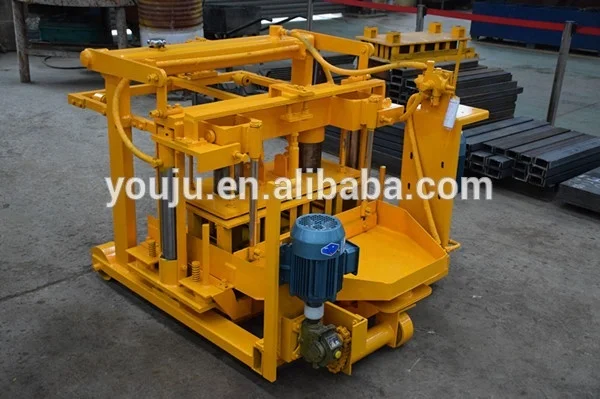
Description
Dispatched from stock, not assembled after payment — every QMY4-30 mobile hollow block machine listed on this page has already passed factory run-off and is staged for container loading, so your project timeline is not waiting on a production slot.
Technical Specifications
| Parameter | Value |
|---|---|
| Model | QMY4-30 |
| Product Type | Mobile Hollow Block Machine |
| Rated Power | 5 kW |
| Molding Cycle | 30 seconds |
| Overall Dimensions (L × W × H) | 1200 × 1200 × 1100 mm |
| Net Weight | 950 kg |
| Raw Materials | Cement, sand, crushed stones, slag |
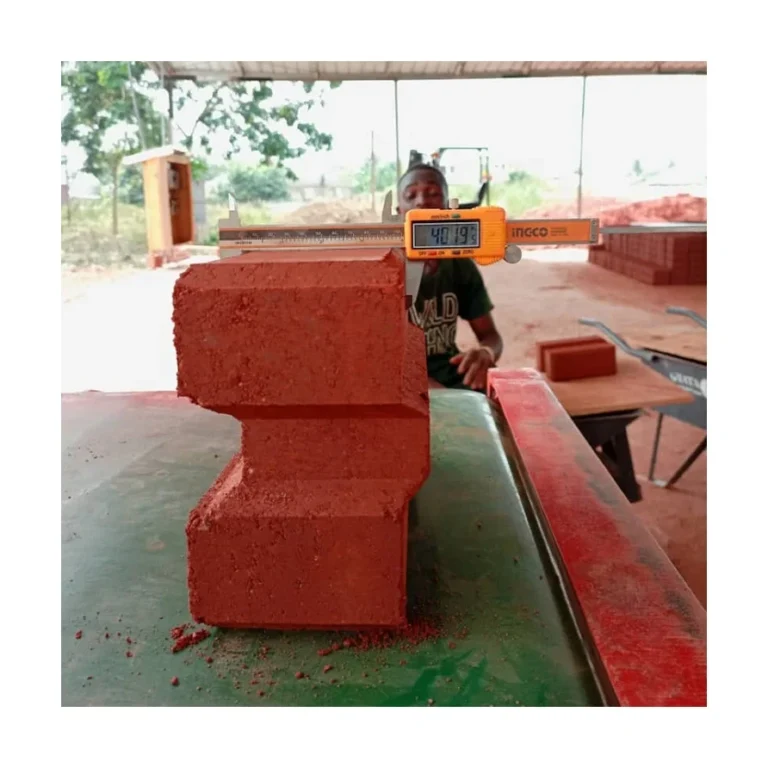
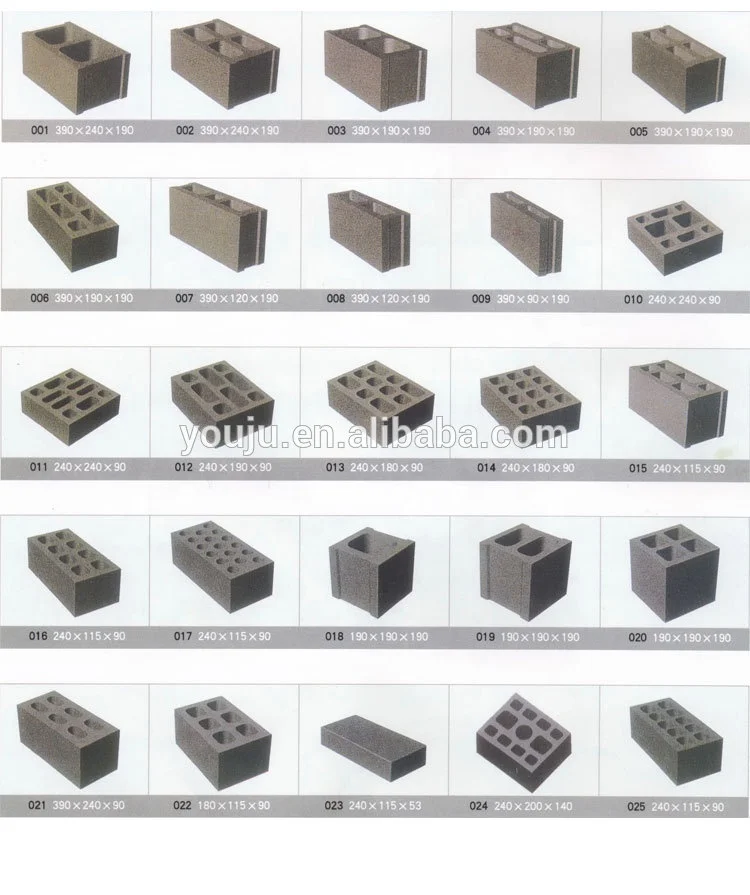
| Output — 400 × 200 × 200 mm hollow block | 480 pcs/h, 3840 pcs/8 h (4 pcs/mold) |
| Output — 400 × 150 × 200 mm hollow block | 600 pcs/h, 4800 pcs/8 h (5 pcs/mold) |
| Output — 400 × 100 × 200 mm hollow block | 840 pcs/h, 6720 pcs/8 h (7 pcs/mold) |
| Mould Format | Hollow block and solid brick, changeable |
| Automation Level | Manual, mobile egg-laying |
| Voltage & Frequency | Basis not stated in source — confirm before dispatch |
| Control System | Basis not stated in source — confirm before dispatch |
| Hydraulic Pressure | Basis not stated in source — confirm before dispatch |
| Vibration Force | Basis not stated in source — confirm before dispatch |
| Pallet Requirement | Basis not stated in source — confirm pallet or pallet-less egg-laying |
Application Suitability
| Application | Material or Output |
|---|---|
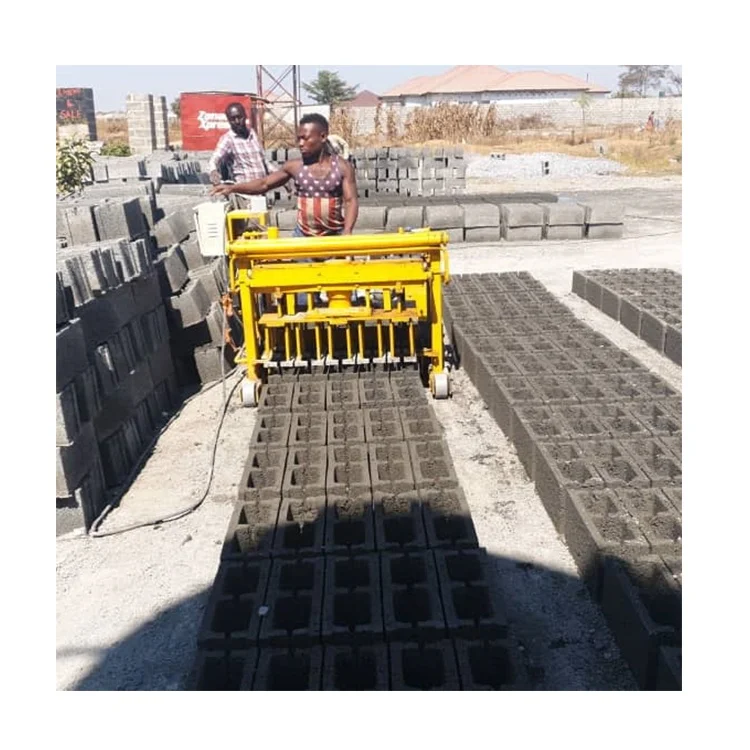
| On-site construction block production | Hollow blocks from cement, sand, and crushed stone directly at the building site |
| Small-scale entrepreneur block plant | Solid bricks and hollow blocks for local sale with low initial capital |
| Housing project block supply | Continuous output of 400 × 200 × 200 mm hollow blocks for perimeter and partition walls |
| Remote or rural block manufacturing | Pallet-less egg-laying operation where no fixed curing rack infrastructure exists |
What "In Stock" Really Means When the Project Clock Is Ticking
A machine that is genuinely in stock does not need another four weeks of assembly after your deposit clears.
I have watched project contractors lose an entire curing cycle because the block machine they ordered was listed as available but was actually still a pile of sub-assemblies on the shop floor. By the time it shipped, cleared customs, and arrived, the masonry crew had been idle for weeks and the penalty clause on the construction contract was already counting. A true mobile hollow block machine in stock means the frame is welded, the hydraulic manifold is torqued, the motor is wired, and the unit has already run a factory test — you are paying for a shipping slot, not a build slot. [NEED_CITE: typical lead-time gap between quoted availability and actual dispatch for small construction machinery]
From Factory Floor to Container in Days, Not Weeks
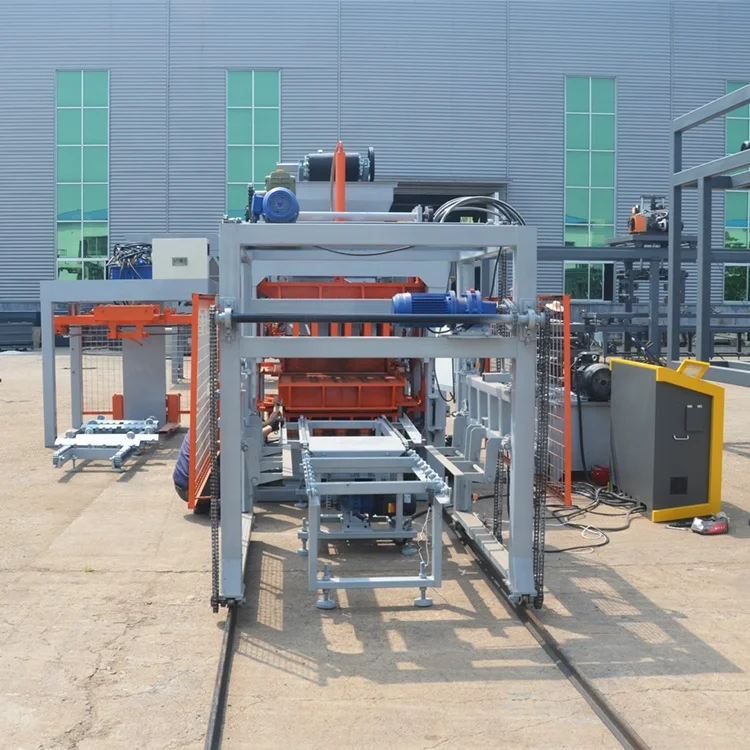
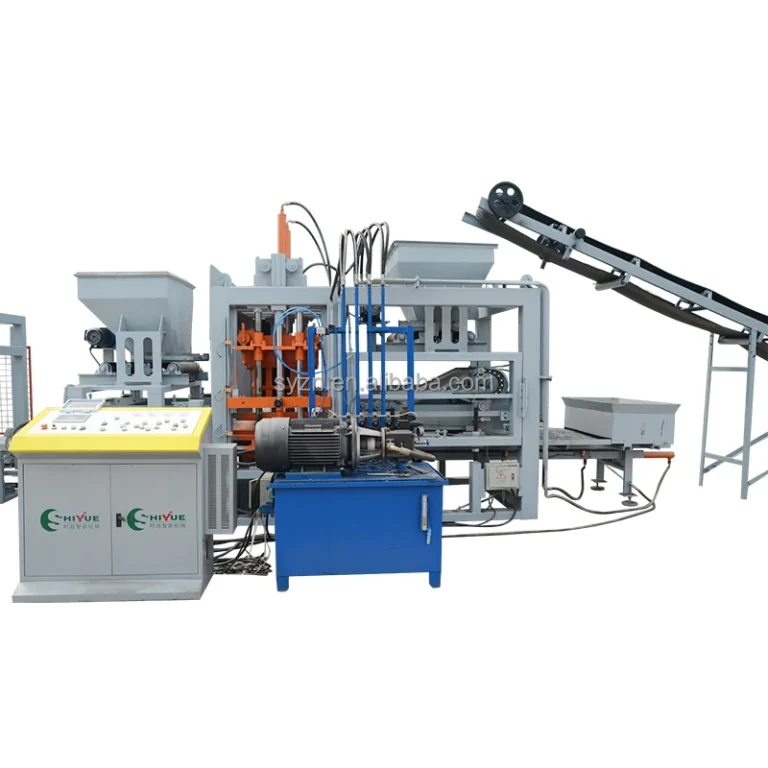
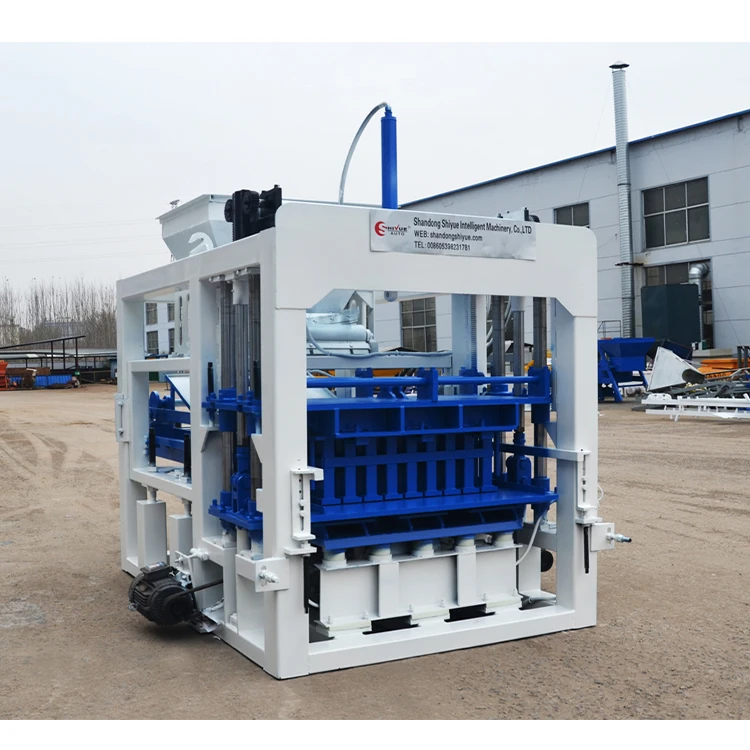
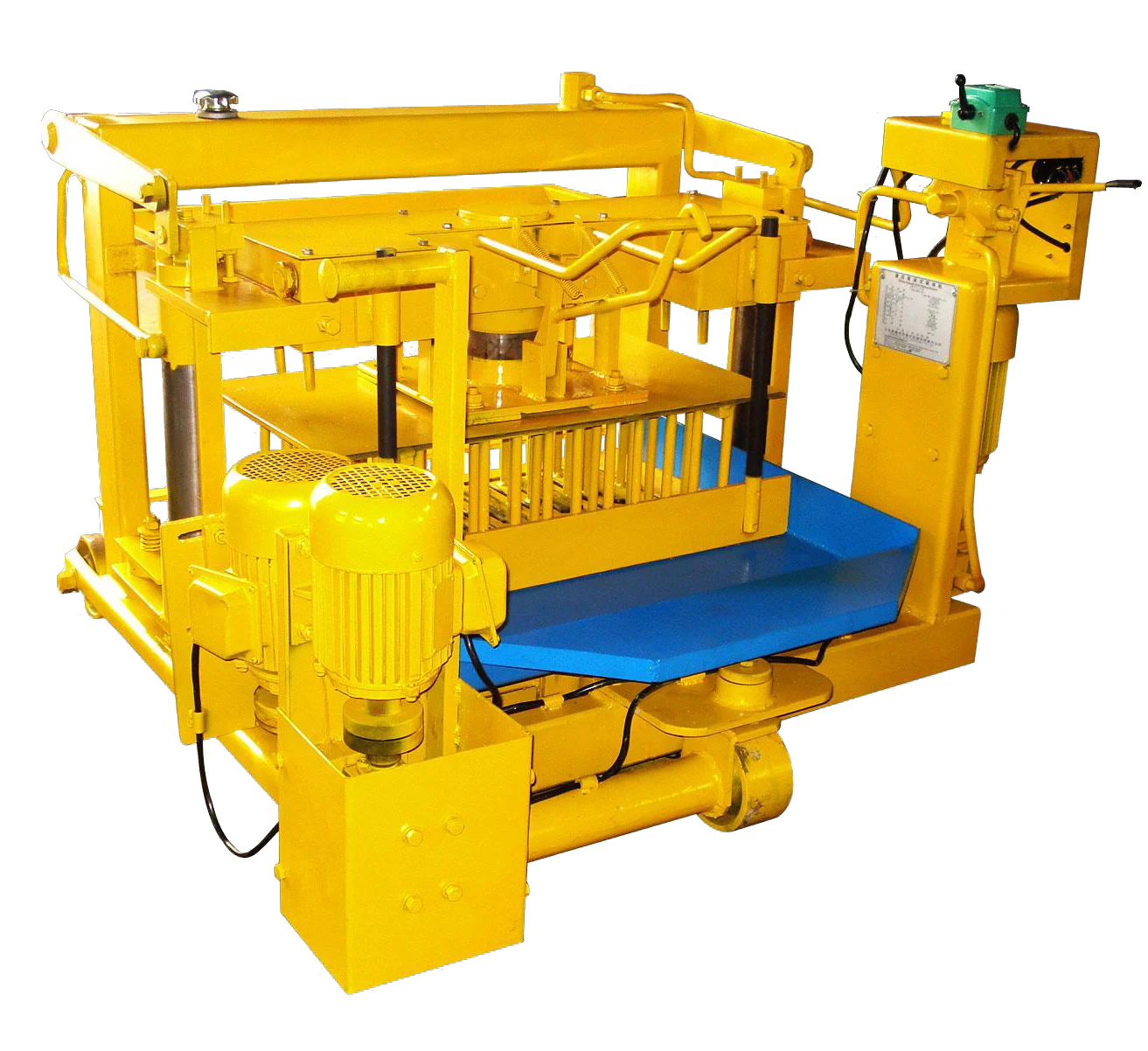
The QMY4-30 mobile hollow block machine in stock is dismantled only to the extent required for container loading — the main frame, vibration table, and mold clamping assembly stay intact so on-site re-assembly is limited to bolting the hopper and connecting the power cable. Each unit is photographed before crating so you see exactly what leaves our gate.
Why Dispatch Timing Changes Your First Production Day
Once the container is booked, transit and port clearance follow a schedule you can plan around. A mobile hollow block machine in stock that ships this week arrives while your curing ground is still being prepared; one that needs six more weeks of assembly arrives after your masonry sub-contractor has already mobilized and demobilized twice. [NEED_CITE: average port dwell time for break-bulk construction equipment in West African and Southeast Asian ports]
Reading the Capacity Table Without Getting Burned
The 30-second molding cycle yields 840 pieces per hour only when running the 400 × 100 × 200 mm hollow block format with seven cavities per mold. Switch to the larger 400 × 200 × 200 mm format and you drop to four cavities and 480 pieces per hour. Every output figure in the table above is tied to a specific block size; ignore the format and the daily tonnage will not match the number in the brochure.
What Happens When Voltage Is an Afterthought
I once watched a QMY-class egg-laying machine sit under a tarp for three weeks at a job site in East Africa because the motor was wired for 380 V / 50 Hz and the local grid supplied 415 V / 60 Hz. The contractor had never been asked to confirm his supply, and we had never insisted. Now voltage and frequency are locked in writing before the container is sealed — a five-minute email that saves a three-week delay and a motor rewind bill. [NEED_CITE: IEC voltage and frequency tolerances for induction motors on construction sites]
Why We Handle Dispatch Differently
Block machinery is our only product line, so every QMY4-30 mobile hollow block machine is tested with the exact mold the buyer will run first, not a generic test block. Container loading plans are drawn per machine, not copied from a template, meaning the dismantling points match the re-assembly sequence at your site. Packing photographs and customs paperwork are released together so your clearing agent has the packing list, commercial invoice, and bill of lading draft before the vessel sails. We confirm pallet requirements — or confirm that egg-laying on a leveled ground surface is sufficient — so you do not discover a missing line item after the machine arrives.
Documentation & Verification
- Factory test record showing 30-second cycle on your chosen hollow block format
- Container loading plan with dismantling sequence and bolt-torque values
- Voltage and frequency confirmation sheet signed before dispatch
- Packing photographs of main frame, motor plate, and mold set
- Operation manual with mold change procedure and spare-parts list
Installation, Commissioning & Support
- Level a 3 × 3 m concrete pad to receive the 1200 × 1200 mm footprint
- Provide a dedicated 5 kW circuit at confirmed voltage and frequency
- Re-attach hopper and power cable; no hydraulic line bleeding required
- First-run mold alignment checked on your local aggregate mix
- Operator trained on 30-second cycle timing and manual pallet handling
- Spare mold springs and vibration isolators included in the crate
Before You Request a Quote
Send us the block format your market actually buys, the sand and aggregate source nearest your site, and the voltage printed on your existing switchgear. If you already have a forklift or a curing area, tell us the dimensions so we can confirm whether pallet-less egg-laying or pallet-assisted operation fits. The more specific the input, the fewer surprises when the container door opens.
Frequently Asked Questions
Q: Is the QMY4-30 really in stock and how fast can it ship?
A: Units listed on this page have completed factory testing and are staged for loading. Once your voltage confirmation and shipping marks are approved, the machine can be moved to the port within a matter of days, subject to container availability. We quote the dispatch date in writing at order confirmation, not a vague production window.
Q: How is the machine packed and loaded into a container?
A: The QMY4-30 is partially dismantled — hopper and control box removed, main frame and vibration table kept assembled — to fit a standard 20-foot container. A written loading plan accompanies every shipment so your site crew knows the re-assembly sequence before the crate is opened.
Q: Which block formats and molds ship from stock versus made to order?
A: Standard hollow block molds for 400 × 200 × 200 mm, 400 × 150 × 200 mm, and 400 × 100 × 200 mm formats are held in stock alongside the machine. Custom solid brick or interlocking paver molds are machined to order; lead time is quoted at inquiry and added to the dispatch schedule.
Q: What voltage does the QMY4-30 need and can it match my local grid?
A: The motor is configured to match your site supply — we confirm voltage, frequency, and phase in writing before the machine leaves the factory. Sending a photo of your existing switchgear nameplate is usually enough to lock the specification and avoid a costly motor swap on arrival.
Q: Once shipped, what is the arrival estimate — port or door?
A: We quote port-to-port transit based on the booking confirmation. Door delivery depends on your local haulage and customs clearance speed; we provide the bill of lading, packing list, and commercial invoice in advance so your agent can pre-lodge entry and minimize dwell time at the terminal.