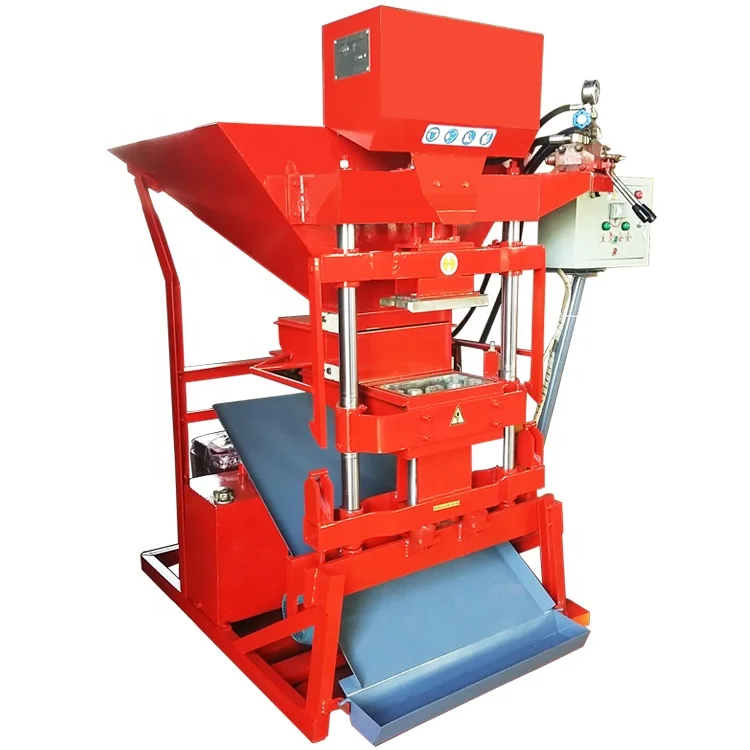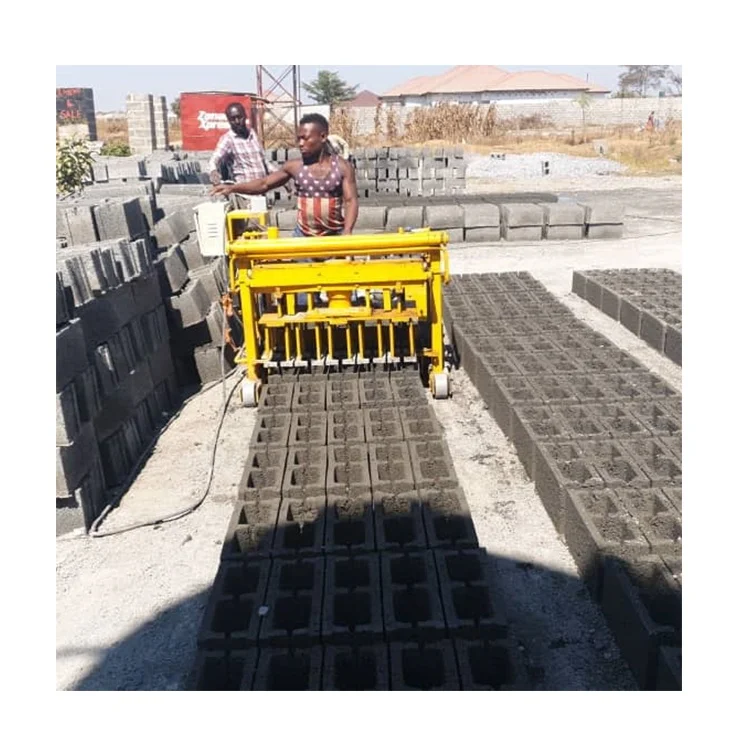
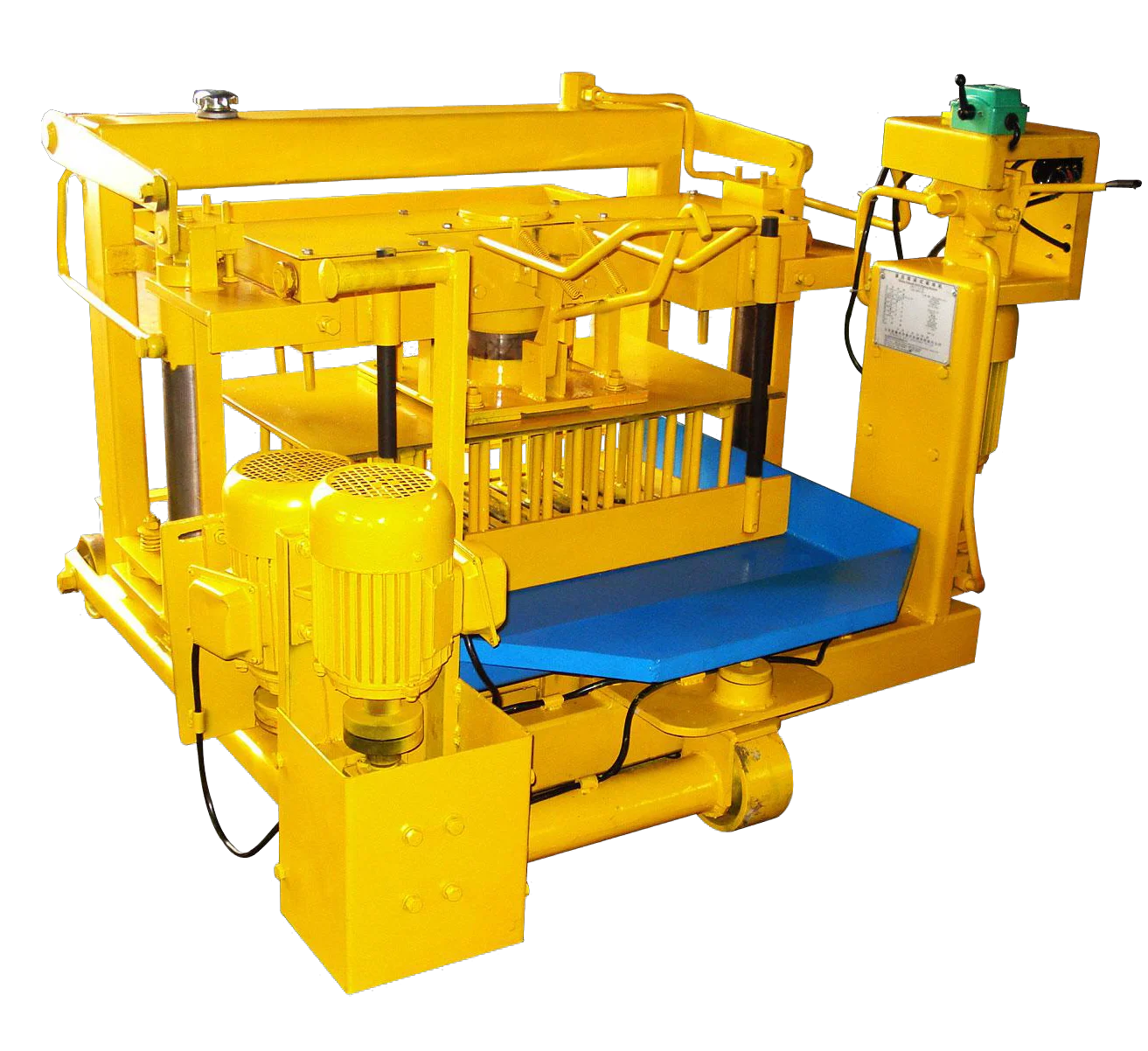
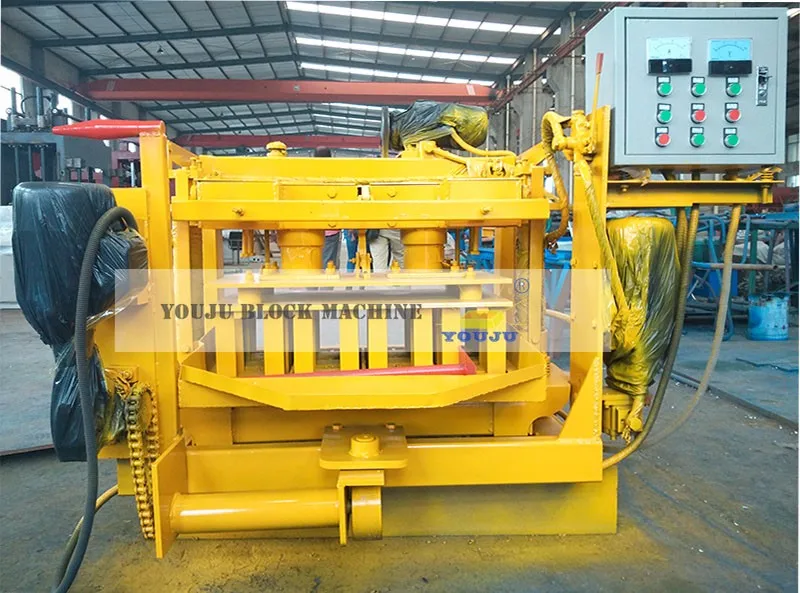
Description
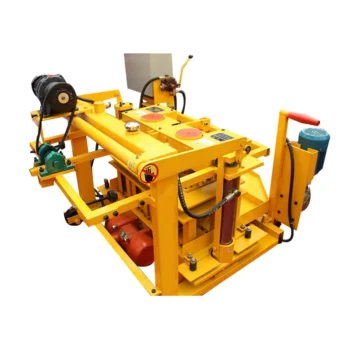
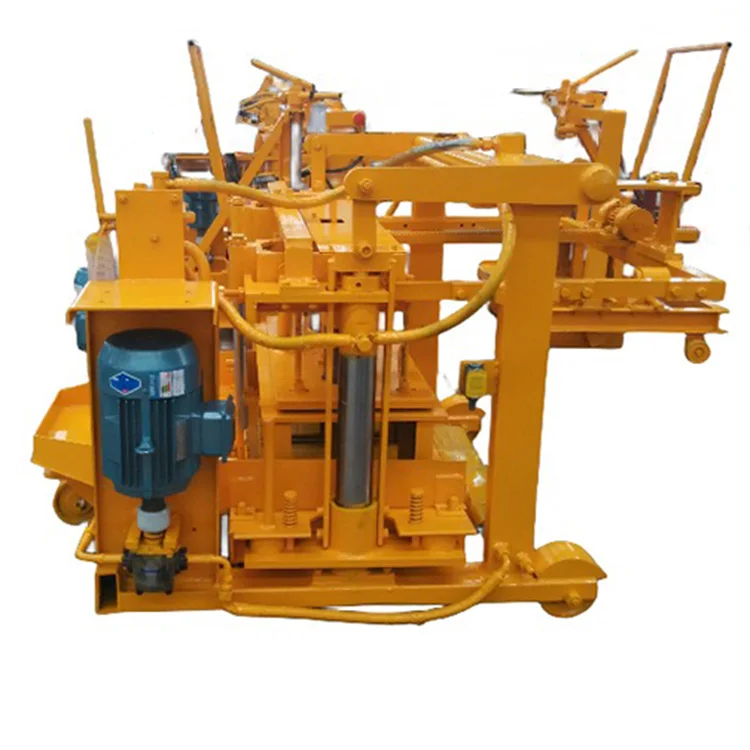
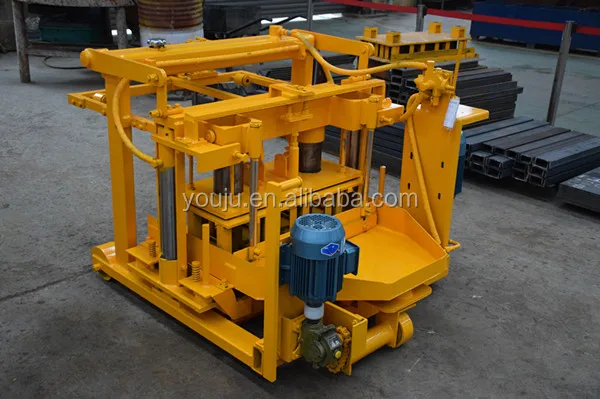
Dispatch-Ready Configuration — QMY4-30 mobile block machine stocked with matched moulds, pallets, and wear parts for a single, complete shipment rather than delayed follow-on crates.
Technical Specifications
| Parameter | Value |
|---|---|
| Model | QMY4-30 |
| Product Type | Mobile Concrete Block Making Machine |
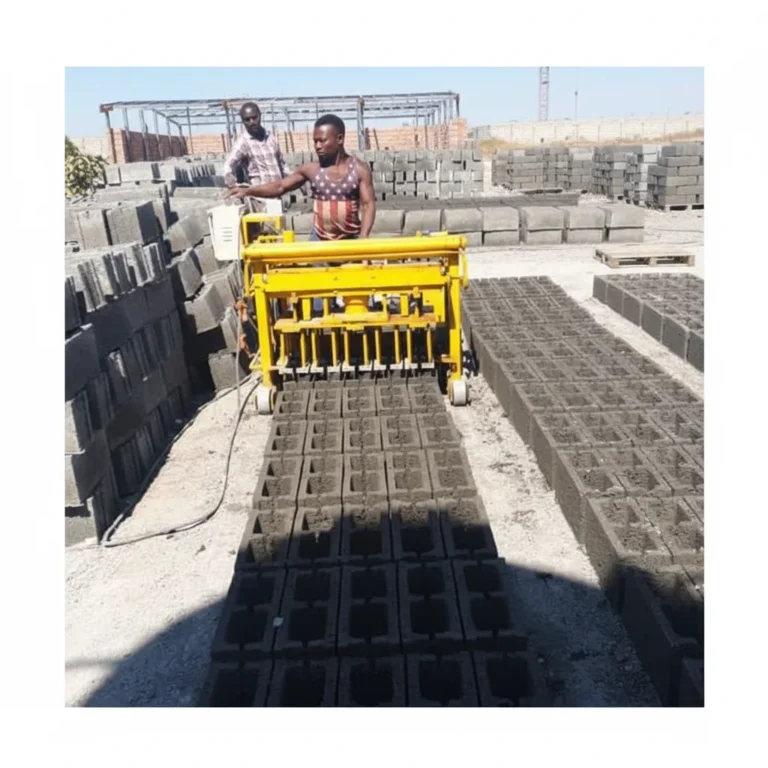
| Machine Type | Mobile (egg-laying) |
| Rated Power | 5 kW |
| Molding Cycle Time | 30 seconds |
| Machine Dimensions | 1200 × 1200 × 1100 mm |
| Machine Weight | 950 kg |
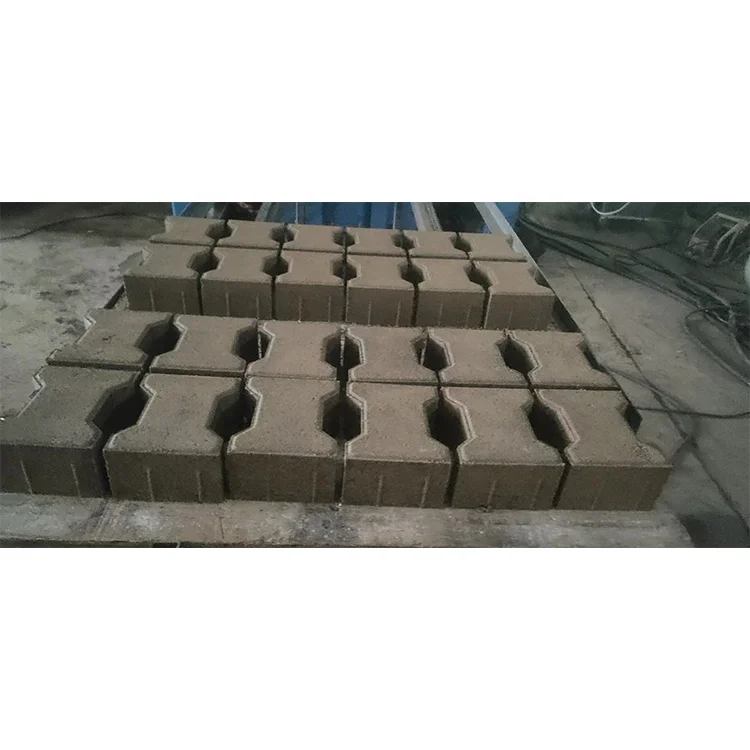
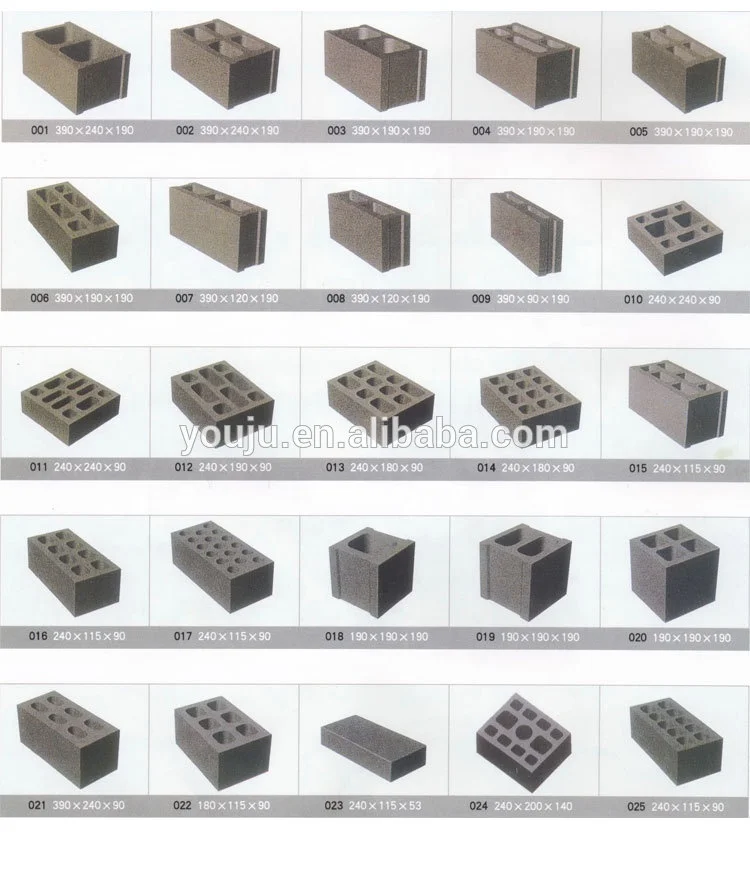
| Mould Format | Hollow block and solid brick (changeable) |
| Raw Materials | Cement, sand, crushed stones, slag |
| Production Capacity (400×200×200 mm hollow block, 4 pcs/mould) | 480 pcs/hour, 3,840 pcs/8 hours |
| Production Capacity (400×150×200 mm block, 5 pcs/mould) | 600 pcs/hour, 4,800 pcs/8 hours |
| Production Capacity (400×100×200 mm block, 7 pcs/mould) | 840 pcs/hour, 6,720 pcs/8 hours |
Application Suitability
| Application | Material or Output |
|---|---|
| On-site hollow block production for building contractors | Crushed stone and cement mix, 400×200×200 mm format |
| Solid brick production for small-scale block startups | Sand, cement, and slag blend, standard brick format |
| Housing project block supply at remote development sites | Locally sourced aggregate with cement binder |
| First plant entry for entrepreneurs with limited capital | Flexible hollow and solid formats from one machine |
What "In Stock" Actually Means for Your Project Deadline
A mobile block machine in stock means the unit, its moulds, and a complete wear-part set are physically on the floor — not awaiting a production slot.
When a project start date is fixed and the crew is already mobilised, a lead time measured in weeks rather than months is often the difference between meeting the first pour and standing idle on site. I have watched a contractor in West Africa lose over a week because the only stocked unit available was missing its hydraulic seal kit; the machine arrived, but production could not begin until a small parcel cleared customs separately. A genuine mobile block machine in stock should ship as a closed set: machine, chosen moulds, basic tooling, and the seals and wear items that keep it running through the first month of operation [NEED_CITE: common causes of commissioning delays in mobile block equipment].
Dispatch Timing and What Leaves the Warehouse Together
Buyers working against a construction schedule need a dispatch date they can build a shipping timeline around. For the QMY4-30, the focus is on confirming the unit is pre-assembled, factory-tested, and packed with the selected hollow and solid block moulds before the container is booked. This avoids the familiar pattern where the machine arrives first and the moulds follow weeks later on a separate bill of lading.
Packing Footprint and Container Planning
The QMY4-30 is packed in plywood crating at approximately 3 CBM, which allows it to share a container with other site equipment or a second unit if the buyer’s project demands higher output. Knowing the packed volume upfront lets the buyer’s freight forwarder quote accurately without a second round of measurements. The mobile block machine in stock status is confirmed at inquiry stage so the buyer can align vessel booking with the project’s mobilisation date [NEED_CITE: standard plywood packing methods for export of small block machines].
Reading the Cycle Time Against the Block Format
The 30-second molding cycle applies across all listed formats, but the hourly output changes with the number of cavities per mould. At four cavities for the 400×200×200 mm hollow block, output is rated at 480 pieces per hour. Moving to the 400×100×200 mm format at seven cavities raises that figure to 840 pieces per hour. Buyers planning a daily target should anchor their calculation to the specific format they intend to run most, not the highest number on the sheet.
The Cost of Ordering a Machine Without Its Supporting Items
When a mobile block machine is quoted without wear parts, the first seal failure on site turns a productive week into a waiting period. The buyer then sources seals locally at a premium or halts production entirely while an international parcel clears customs. Specifying the full wear-part list at the order stage — hydraulic seals, vibration pads, and any high-friction components — costs marginally more on the invoice but removes the most common cause of early-life downtime.
Why Buyers Choose This Dispatch Point
Every QMY4-30 leaving the warehouse is checked against a dispatch list that includes the machine, the selected moulds, and a defined wear-part set — verified before the container door closes. Configuration is confirmed against the buyer’s local aggregate and target block format so the machine does not arrive tuned for a mix that cannot be sourced on site. Plywood packing at roughly 3 CBM is documented with photographs before loading, giving the buyer and their freight forwarder a clear record. Moulds are matched to the block formats the buyer’s market actually sells, including custom drawings where required. Documentation — from factory test records to operation manuals — travels with the machine so nothing depends on a follow-up email after arrival [NEED_CITE: export documentation standards for concrete block machinery].
Documentation & Verification
- Factory test record run on buyer-specified hollow block format before dispatch
- Mould drawing and format list matching the ordered block dimensions
- Plywood packing photographs showing crated QMY4-30 before container loading
- Operation and maintenance manual covering mould change and daily servicing
- Wear parts and mould list confirming every item inside the shipment
Installation, Commissioning & Support
- Compact 1200 × 1200 mm footprint allows placement on a level concrete slab without a fixed foundation
- 5 kW rated power requires a dedicated circuit matching local voltage and frequency
- Machine ships assembled; operator positions it on the production floor and connects power
- First-run commissioning covers mould alignment and 30-second cycle verification
- Operator training addresses mould changeover between hollow and solid formats
- Full wear-part set shipped with the machine for uninterrupted early production
What We Need to Confirm Your Shipment
To match the QMY4-30 to your site, share the block format you will run most, your target daily output, and the local aggregate and cement available. Confirm your site voltage and frequency so the motor and controls are set correctly before dispatch. If you have an existing curing area or handling equipment, provide dimensions so pallet and block handling align with what is already in place.
Frequently Asked Questions
Q: Which QMY4-30 units are currently ready for immediate dispatch?
A: Availability is confirmed at the inquiry stage. Once your block format and mould selection are finalised, the specific stocked unit is reserved and a dispatch date is quoted before the order is placed, so you have a firm date to plan shipping around.
Q: How long from order confirmation to container loading?
A: Once the machine, moulds, and wear-part set are verified against the dispatch checklist, loading is scheduled with your freight forwarder. The typical window is measured in days rather than weeks because the unit is already assembled and tested.
Q: What packing method is used and how much container space does it take?
A: The QMY4-30 is packed in plywood crating at approximately 3 CBM. This compact volume allows it to ship alongside other site equipment in a shared container or to fit multiple units if your project requires higher output.
Q: What exactly is included in the shipment?
A: Every dispatch includes the QMY4-30 machine, the selected hollow and solid block moulds, basic tooling, and a full set of hydraulic seals and wear parts. Nothing is left for a follow-on parcel that could delay your first production run.
Q: Can the machine arrive in time for a fixed project start date?
A: Share your required arrival date and destination port at inquiry. We confirm whether the current mobile block machine in stock position and vessel schedule can meet it before you commit, so there are no surprises after the order is placed.