Description
Fast dispatch availability — QT10-15 block machine units held in stock with standard moulds, ready for container loading once voltage and control language are confirmed against your site.
Technical Specifications
| Parameter | Value |
|---|---|
| Model | QT10-15 |
| Product Type | Automatic Block Making Machine |
| Control System | PLC control cabinet |
| Hydraulic System | Independent integrated hydraulic station |
| Vibration Type | Vertical station mode resonance, automatic FM-AM |
| Cycle Time | 15–20 s based on 400×200×200 mm, 400×150×200 mm, 240×115×53 mm blocks |
| Cycle Time | 20–25 s based on 200×100×60 mm, 225×112.5×60 mm blocks |
| Output Capacity | 1800–2400 pcs/hour based on 400×200×200 mm hollow block |
| Output Capacity | 2160–2880 pcs/hour based on 400×150×200 mm hollow block |
| Output Capacity | 8928–11160 pcs/hour based on 240×115×53 mm solid brick |
| Output Capacity | 5184–6480 pcs/hour based on 200×100×60 mm paving block |
| Output Capacity | 4032–5040 pcs/hour based on 225×112.5×60 mm interlocking brick |
| Mould Change | Simple replacement system, multi-function with one machine |
| Automation Level | Automatic |
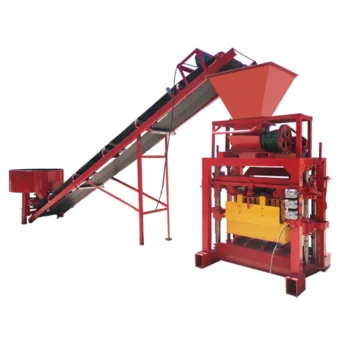
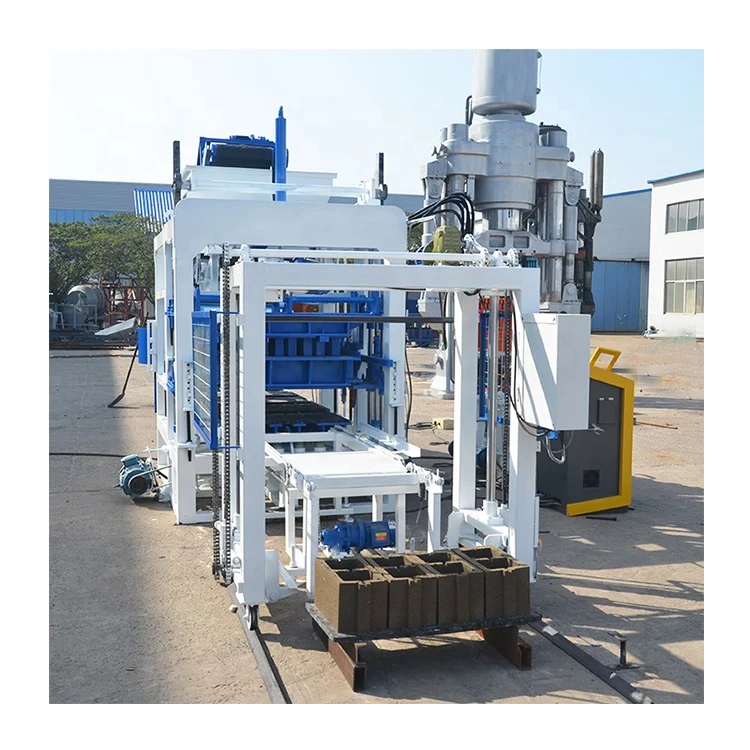
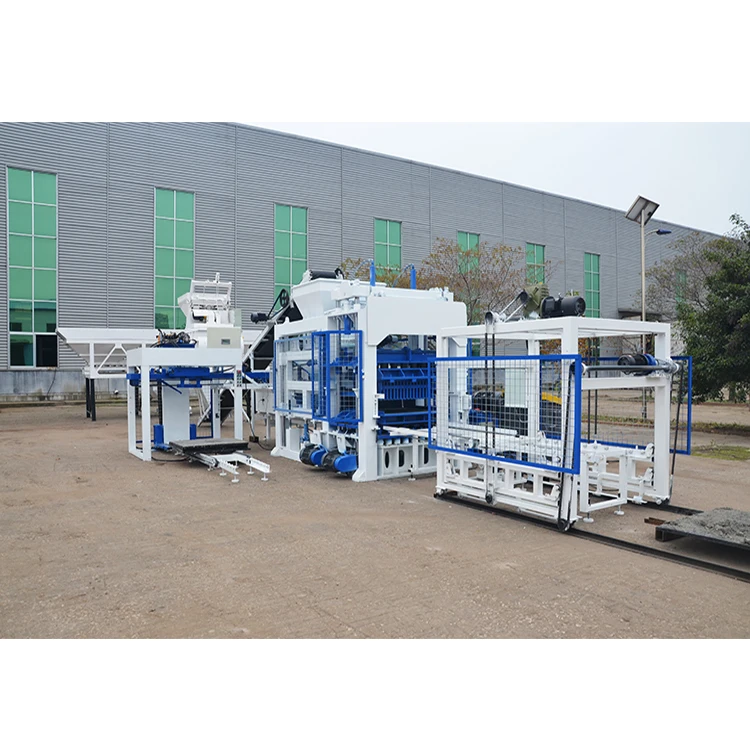
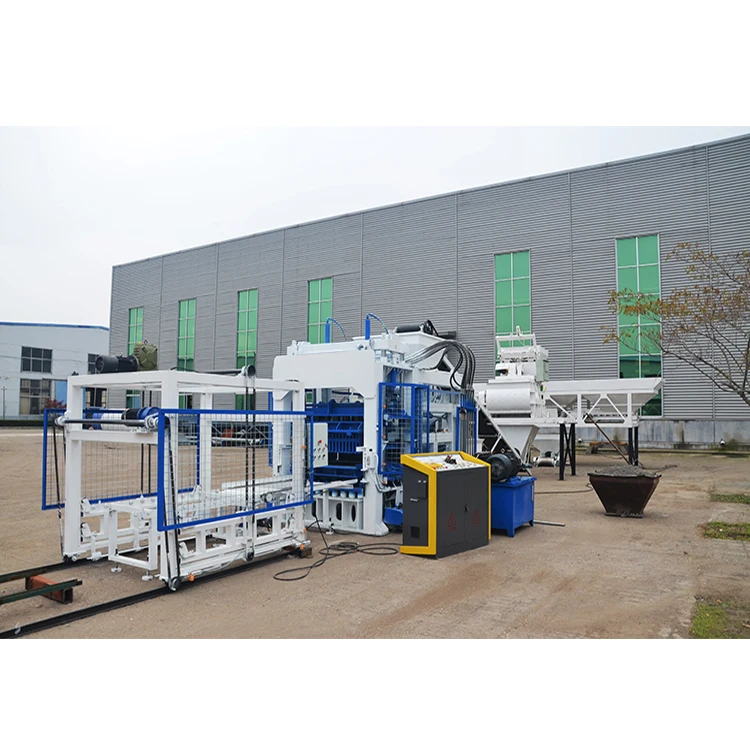
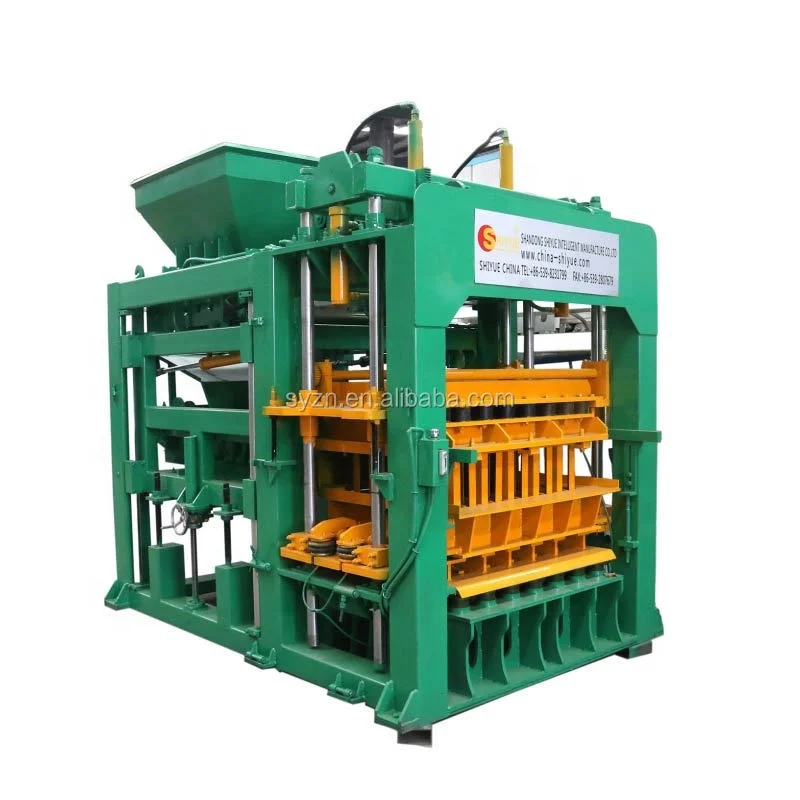
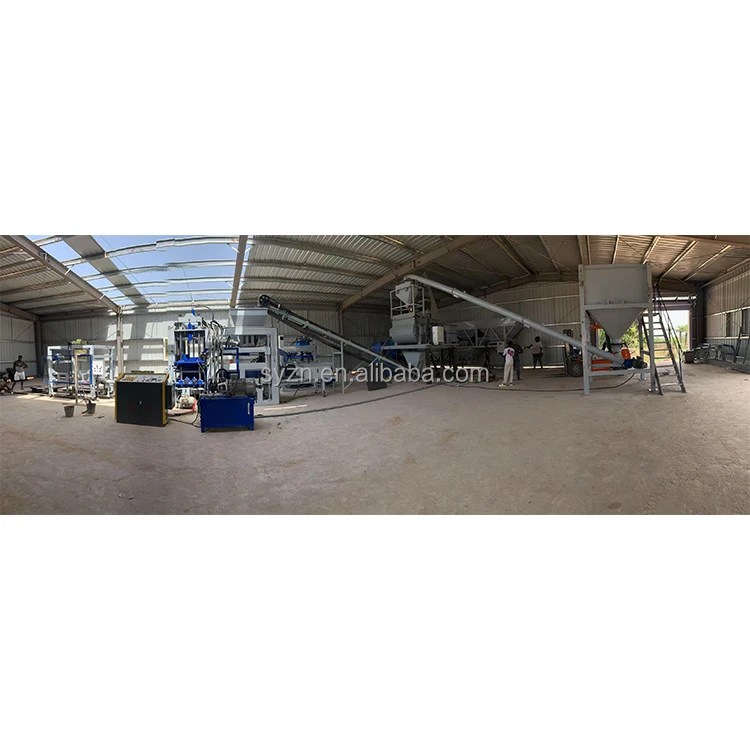
| Standard Components | Pallet feed machine, block making machine, storage hopper, conveyor, hydraulic unit, PLC control cabinet |
| Warranty | 1 year for whole machine (excluding spare parts) |
| Certification | CE |
Application Suitability
| Application | Material or Output |
|---|---|
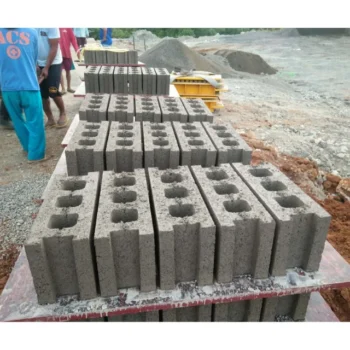
| Hollow block production | Crushed stone, cement, sand, aggregate for 400×200×200 mm and 400×150×200 mm cavity blocks |
| Standard solid brick production | Cement-bound aggregate mixes for 240×115×53 mm building bricks |
| Paving brick production | High-density concrete mixes for 200×100×60 mm interlocking pavers |
| Interlocking brick production | Cement and fine aggregate blends for 225×112.5×60 mm dry-stack bricks |
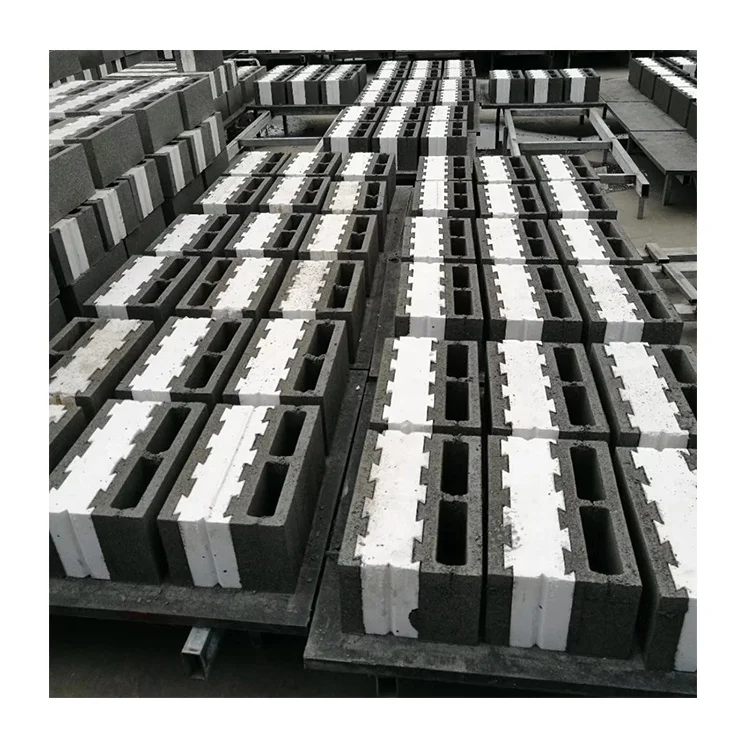
| Multi-cellular brick production | Lightweight aggregate or standard mixes for partition and infill block formats |
What "In Stock" Actually Means Before You Wire Payment
A QT10-15 block machine in stock is only useful if the PLC language, voltage configuration, and standard mould set match what your site needs on arrival day.
I once sent a QT10-15 to a housing project in Saudi Arabia. The machine arrived on schedule, but the control panel was still in Chinese. The commissioning engineer stood in front of the cabinet unable to navigate the menus, and we lost three full days while the language pack was updated remotely. [NEED_CITE: PLC display language and voltage confirmation before shipment] Since then, every dispatch from our floor gets voltage, frequency, and interface language locked down before the machine is bolted to the container floor. When your project deadline does not allow for a multi-week production cycle, confirming these details up front is the difference between a machine that runs on day one and one that sits idle while you wait for a software fix.
Dispatch Lead Time Versus Production Lead Time
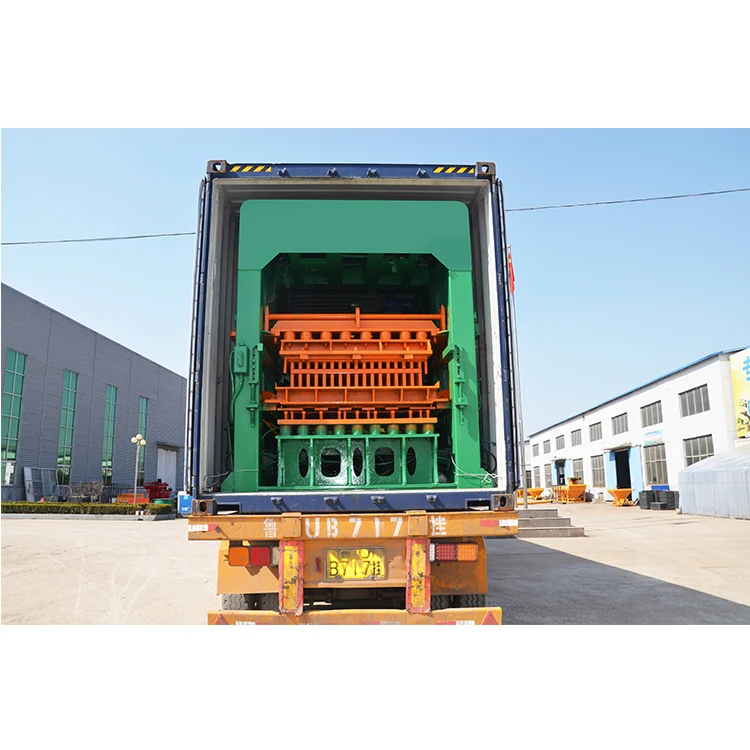
Buyers working against wet-season deadlines or government housing milestones often cannot absorb a typical multi-week production cycle. A QT10-15 block machine in stock removes that waiting period. The machine, hydraulic station, pallet feeder, conveyor, and PLC cabinet are pre-assembled, tested, and held on the floor. Once your voltage and control language are confirmed, the unit is dismantled for container loading and dispatched on the next available sailing.
Standard Mould Inventory and Quick Swaps
The stock package ships with moulds for the most common block formats sold across construction markets: hollow blocks, solid bricks, paving blocks, and interlocking bricks. The simple replacement system lets a trained operator swap a mould in a single shift change rather than losing a full production day. This flexibility matters when your buyer base asks for multiple formats and you cannot justify a separate machine for each one. [NEED_CITE: block format demand variation in developing construction markets]
Reading the Capacity Numbers Honestly
The QT10-15 achieves a cycle time of 15–20 seconds for the larger hollow block and solid brick formats, and 20–25 seconds for pavers and interlocking bricks. The output figures listed in the specification table — for example, 1800–2400 pieces per hour for a 400×200×200 mm hollow block — assume continuous operation with that specific block size. Switch the mould to a 240×115×53 mm solid brick and the hourly count rises because the block volume is smaller and the press completes more units per cycle. Always match the capacity line to the block format your market actually orders.
Independent Hydraulic Station and Vibration Isolation
The QT10-15 uses an independent integrated hydraulic station physically separated from the vibration table. In a block press, the vertical station mode resonance generates intense shaking force to compact the concrete mix into the mould cavity. If the hydraulic valves sit directly on that vibrating frame, seals and spool valves wear out noticeably faster. The independent station design keeps hydraulic components in a stable position, reducing seal fatigue and keeping pressure consistent across every cycle. The automatic FM-AM vibration control adjusts frequency and amplitude based on the mix stiffness, which helps maintain uniform block density when your aggregate moisture varies between deliveries.
The Cost of Shipping a Machine That Does Not Fit Your Site
A block machine ordered without confirming pallet size against your existing curing racks and forklift capacity leads to bottlenecks that have nothing to do with the press itself. Blocks pile up at the end of the conveyor because your forklift cannot move pallets fast enough. [NEED_CITE: pallet size and curing area mismatch in block plants] Similarly, a PLC configured for a voltage standard that your local grid does not supply will require a transformer or, worse, a return to factory for rewinding. These are avoidable problems that delay commissioning by days or weeks.
Why Buyers Source This Machine Here
Block machinery is our single focus, so the QT10-15 is specified as one matched system — press, mould, pallet, and handling equipment — rather than assembled from unrelated suppliers. Stock machines are configured against the block format your market sells, with standard moulds included in the package. Voltage, frequency, and PLC display language are confirmed before dismantling, so the machine arrives ready for power-up. Factory test records are generated on your target block format, not a generic test block. Container loading plans are shared before dispatch, and arrival estimates are quoted based on current sailing schedules.
Documentation & Verification
- Line layout and capacity calculation stating the block format assumed for your target output
- Machine specification sheet covering hydraulic pressure, vibration force, and pallet dimensions
- Mould drawing and format list matching the standard moulds included in the stock package
- Factory test record on your specified block format before the machine leaves the floor
- Voltage and control language confirmation sheet signed off prior to container loading
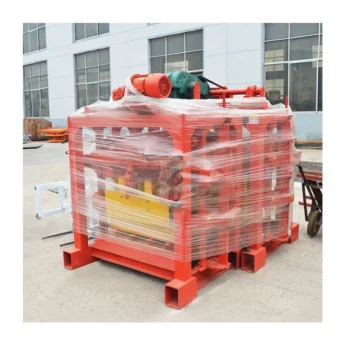
- Packing photographs showing dismantling state and securing method inside the container
Installation, Commissioning & Support
- Foundation plan showing load points and curing area dimensions matched to pallet size
- Power specification confirming voltage, frequency, and dedicated circuit rating for the hydraulic unit and vibration motor
- Dismantling state documented so on-site reassembly follows the same bolt sequence as factory teardown
- First-run commissioning with parameter settings tuned to your local aggregate and mix design
- Operator training covering mould change procedure and PLC menu navigation in your confirmed language
- Wear parts and mould list supplied with reorder part numbers for hydraulic seals and mould liners
Before You Request a Quote
Send your target block format with dimensions, your daily output requirement, and the local aggregate you plan to use. Confirm your site voltage and frequency, the PLC display language your operators need, and whether your existing pallets and curing racks dictate a specific pallet size. If you have a project deadline, state it so we can match it against current shipping schedules and give you a realistic arrival date.
Frequently Asked Questions
Q: Which QT10-15 machines and moulds are currently available for immediate dispatch?
A: Stock units include the QT10-15 automatic block making machine with standard moulds for hollow blocks, solid bricks, paving blocks, and interlocking bricks. Availability shifts as orders are confirmed, so request a current stock list with your inquiry. Machines are pre-tested and held ready for container loading once your voltage and control language are finalized.
Q: How quickly can the machine be loaded and shipped after I confirm the order?
A: Once voltage, frequency, and PLC language are confirmed, the QT10-15 block machine in stock is dismantled, secured in the container, and dispatched on the next available sailing. The exact dispatch date depends on current shipping schedules to your destination port, which we quote at the time of order confirmation.
Q: What arrival estimate can I expect from dispatch to my port?
A: Arrival timing depends on the destination port and current sailing routes. We provide an upfront estimate based on live shipping schedules at the time of order. This estimate covers the sea transit period only; customs clearance and inland transport to your site are additional timelines you manage locally.
Q: Can the voltage and PLC language be configured before the machine ships?
A: Yes. Voltage, frequency, and PLC display language are confirmed and set before the QT10-15 leaves the factory. This step is mandatory in our dispatch process to prevent on-site commissioning delays. You provide your site specifications during the order stage, and we verify them on the machine before container loading.
Q: What standard mould formats come with the stocked machine package?
A: The stock package includes moulds for 400×200×200 mm and 400×150×200 mm hollow blocks, 240×115×53 mm solid bricks, 200×100×60 mm paving blocks, and 225×112.5×60 mm interlocking bricks. Custom mould formats can be quoted separately if your market requires dimensions outside this standard range.