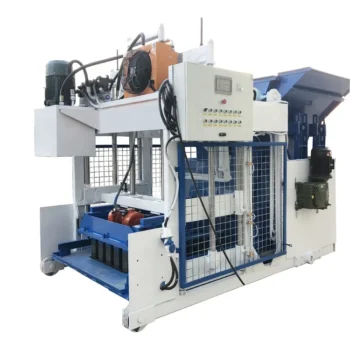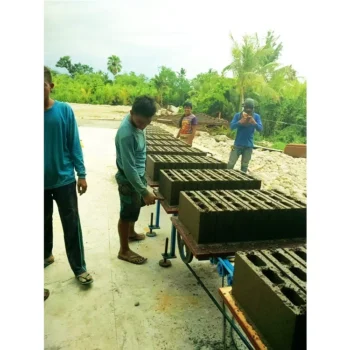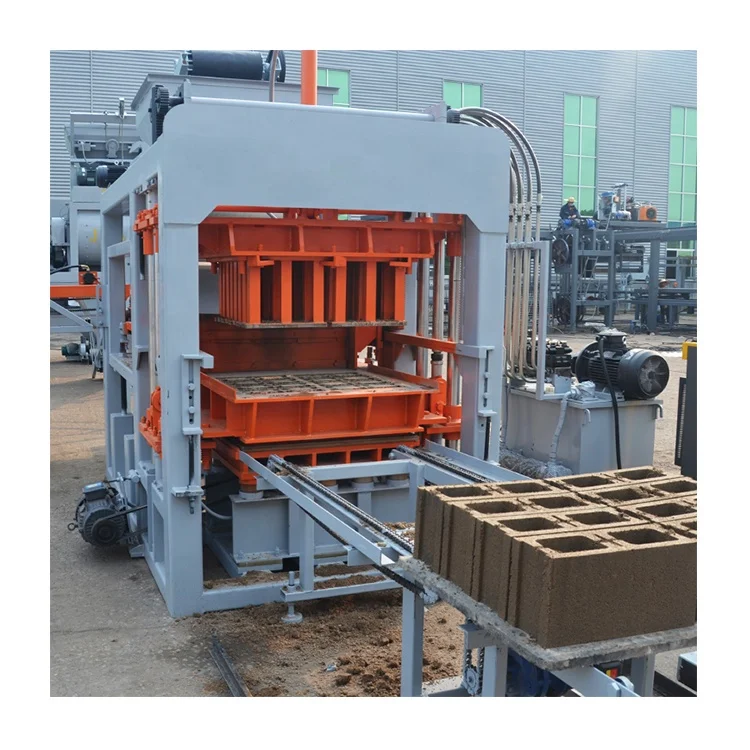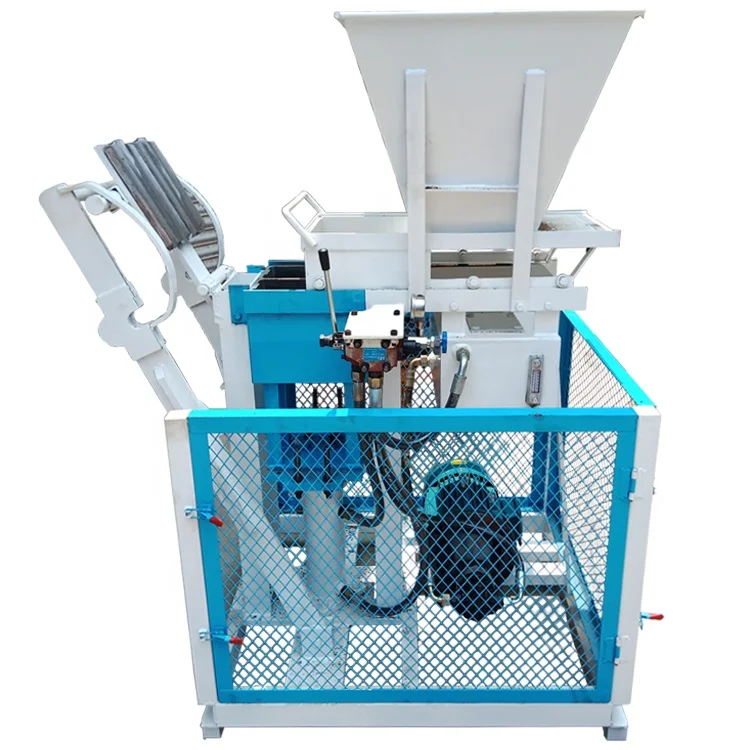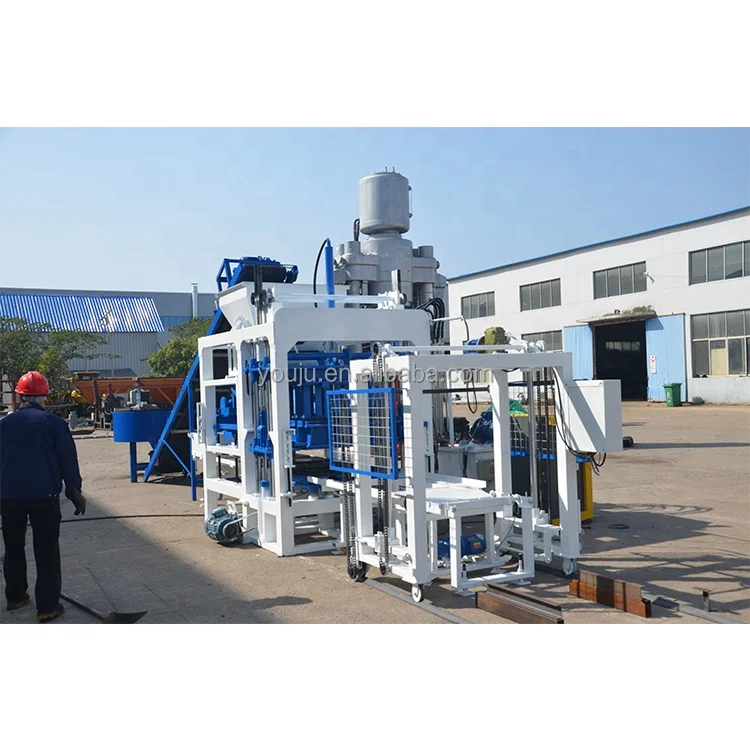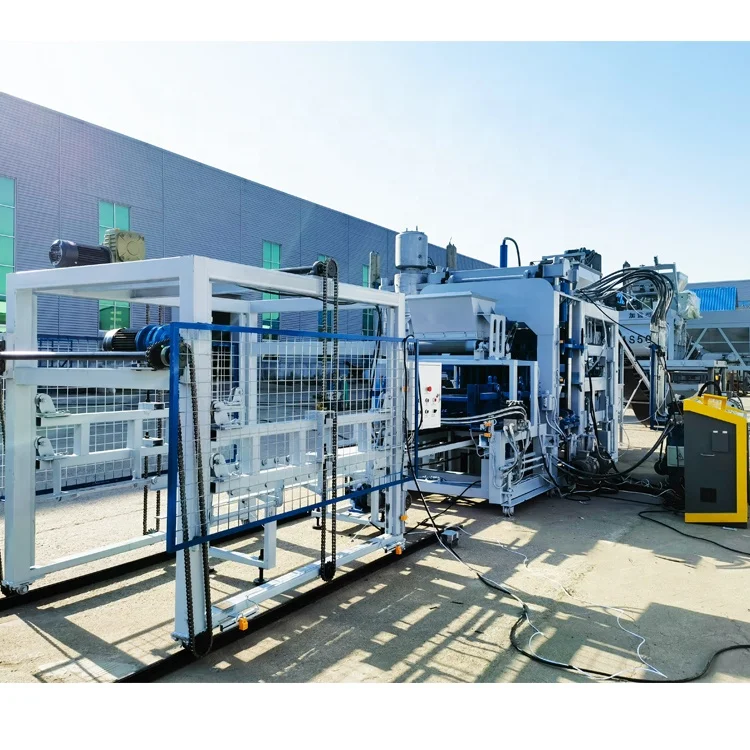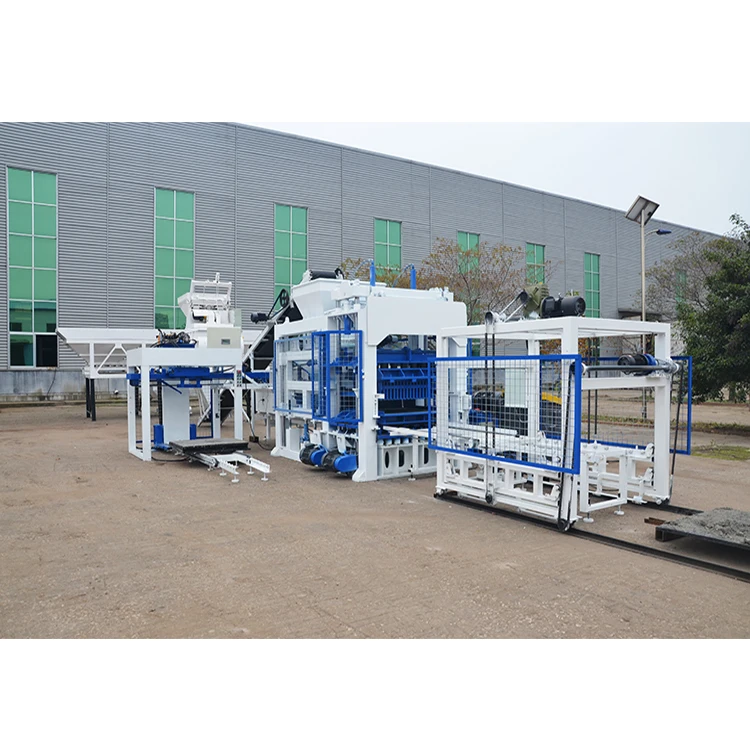
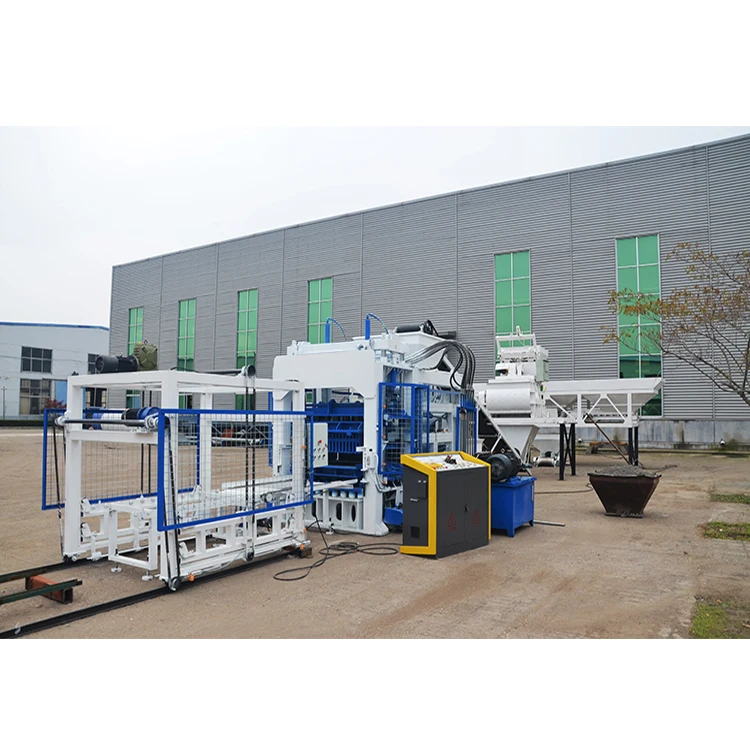
Description
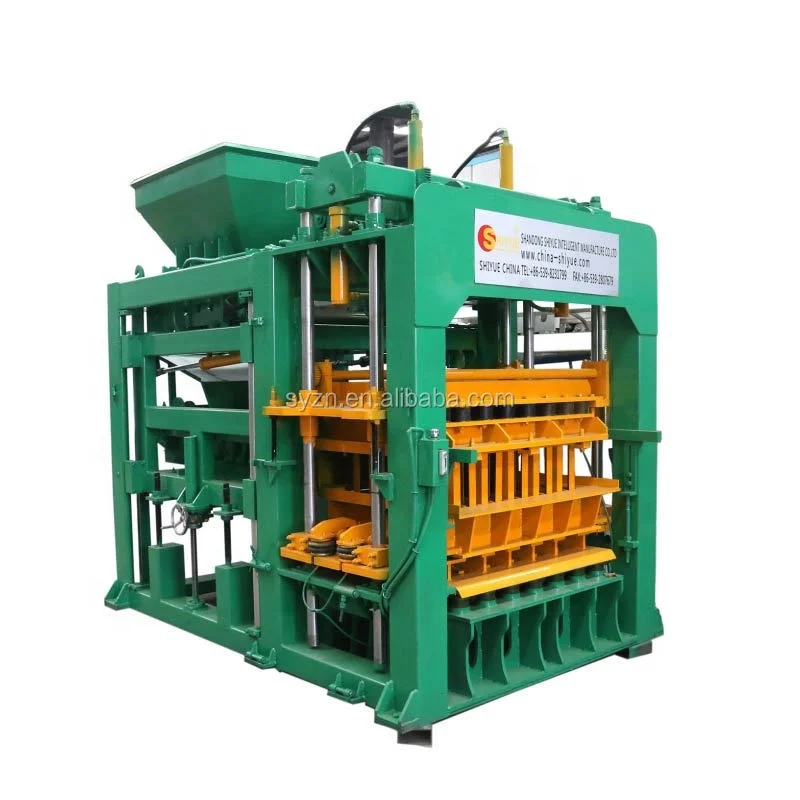
In-Stock Readiness — QT10-15 units and standard mould sets staged for immediate container loading, so project deadlines do not slip while a machine is still being built.
Technical Specifications
| Parameter | Value |
|---|---|
| Model | QT10-15 |
| Product Type | Automatic Block Making Machine |
| Control System | PLC control cabinet |
| Hydraulic System | Independent integrated hydraulic station |
| Automation Level | Automatic |
| Mould Change | Simple replacement of mould for multi-format production |
| Cycle Time (400×200×200mm hollow block) | 15–20s |
| Output Capacity (400×200×200mm hollow block, 10 pcs/mould) | 1800–2400 pcs/hour; 14400–19200 pcs/8hr |
| Cycle Time (400×150×200mm block, 12 pcs/mould) | 15–20s |
| Output Capacity (400×150×200mm block, 12 pcs/mould) | 2160–2880 pcs/hour; 17280–23040 pcs/8hr |
| Cycle Time (240×115×53mm solid brick, 62 pcs/mould) | 15–20s |
| Output Capacity (240×115×53mm solid brick, 62 pcs/mould) | 8928–11160 pcs/hour; 71424–89280 pcs/8hr |
| Cycle Time (200×100×60mm paving block, 27 pcs/mould) | 20–25s |
| Output Capacity (200×100×60mm paving block, 27 pcs/mould) | 5184–6480 pcs/hour; 41472–51840 pcs/8hr |
| Cycle Time (225×112.5×60mm interlocking brick, 24 pcs/mould) | 20–25s |
| Output Capacity (225×112.5×60mm interlocking brick, 24 pcs/mould) | 4032–5040 pcs/hour; 32256–40320 pcs/8hr |
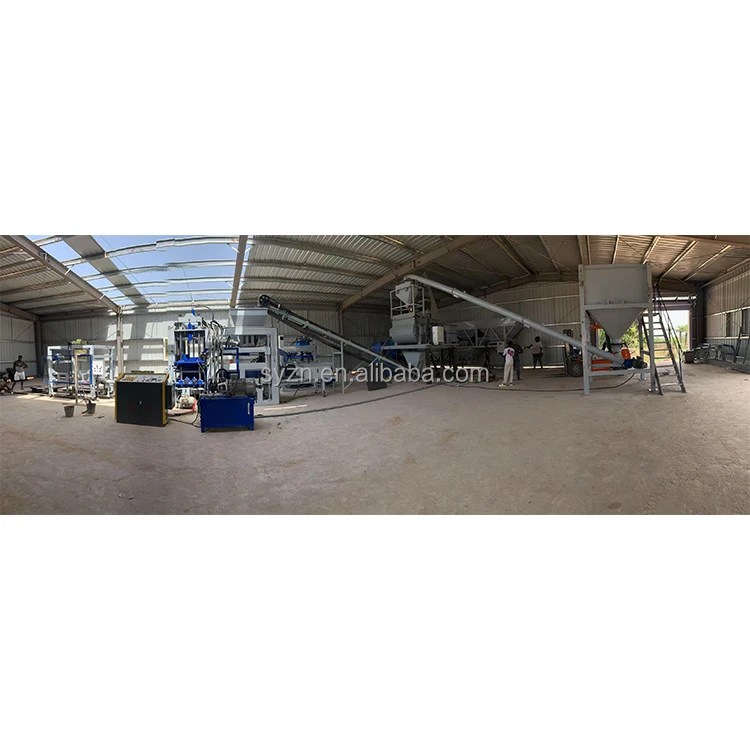
| Line Components | Pallet feed machine, block making machine, storage hopper, conveyor, hydraulic unit, PLC control cabinet |
| Warranty | 1 year for the whole machine (excluding spare parts) |
| Payment Terms | 30% deposit by T/T, 70% balance before delivery (basis not stated in source — confirm block format / material / thickness) |
| Standards | CE (source value — verify against manufacturer catalog) |
Application Suitability
| Application | Material or Output |
|---|---|
| Hollow block production | Crushed stone, sand, cement, fly ash mixes for multi-cellular wall blocks |
| Solid brick production | Dense aggregate and cement blends for load-bearing standard bricks |
| Paving block production | Fine aggregate and cement for pedestrian and light-traffic pavers |
| Interlocking brick production | Graded aggregate mixes for mortarless laying systems |
| Multi-format switching | Quick mould replacement across all above formats on one host machine |
Why Arrival Date Matters More Than Brochure Capacity
A machine that ships next week is worth more than one that promises extra cycles per hour but sits six weeks in production.
When a housing project contractor commits to delivering a hundred units by a fixed date, every day the block plant is not running eats into the schedule. I have watched buyers compare two quotations on cycle time alone, sign with the faster machine, then learn at the payment confirmation stage that it is still being assembled. The slower quote had been in stock and could have left the factory the following Monday. With the QT10-15 block machine in stock fast delivery becomes a planning variable you can actually rely on rather than a hope. [NEED_CITE: typical block plant commissioning timelines in developing markets]
Container Loading and Dispatch Sequence
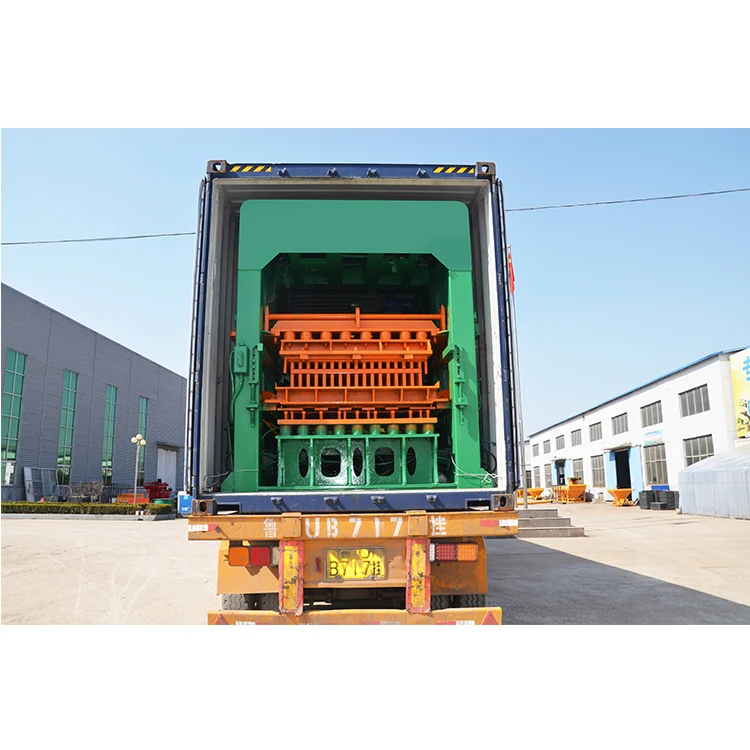
A stocked QT10-15 automatic block making machine moves from the yard to the container staging area once the pallet feed unit, hydraulic station, and PLC cabinet are verified against the packing list. The host press is separated from its conveyor and hopper to fit standard flat-rack or open-top container dimensions. Each sub-assembly is strapped and blocked so that sea transit does not shift the hydraulic lines out of alignment.
Arrival Estimates Quoted Upfront
Before the deposit clears, you receive a written dispatch date and a container type recommendation based on the exact mould count in your order. This lets your port agent book the correct vessel window and your foundation contractor schedule the concrete pour to match. The QT10-15 block machine in stock fast delivery workflow means the gap between order confirmation and container gate-in is measured in days, not production slots. [NEED_CITE: export container booking lead times from northern China ports]
What "In Stock" Actually Covers
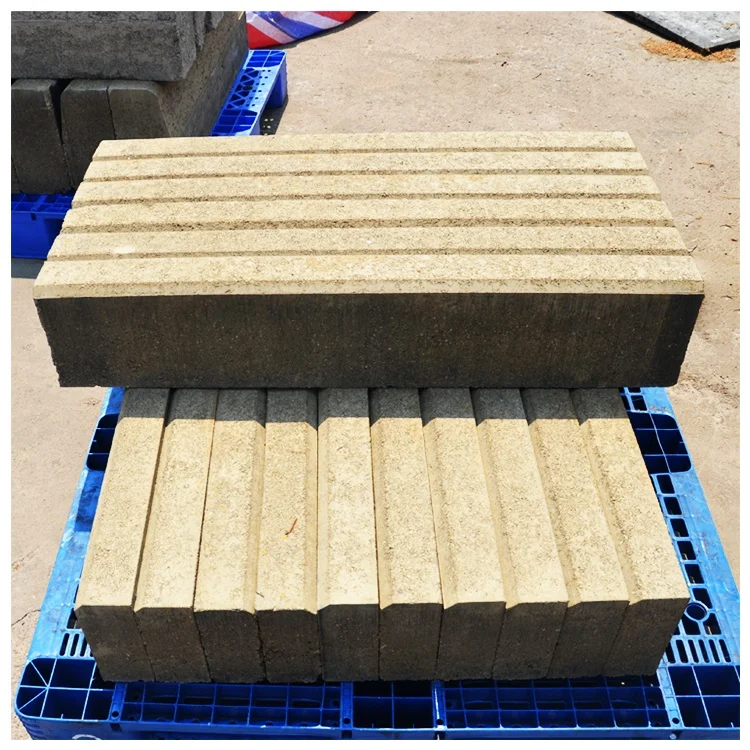
Stock status refers to the host machine, hydraulic station, PLC cabinet, and standard pallet feeder. Custom moulds cut to your drawings follow a separate lead time. If your market runs a non-standard kerbstone or a proprietary interlocking profile, the machine can still ship while those moulds finish machining — you install the standard hollow block mould first and begin production immediately.
Specifying for Immediate Shipment
The independent integrated hydraulic station sits away from the main vibration zone, meaning it arrives pre-filled and tested rather than requiring on-site line bleeding. The PLC control cabinet ships with the display language and voltage already configured to your confirmation sheet, so the electrician on your site does not open a panel to find a mismatch. These are the details that separate a machine ready to run from one that needs a week of adjustment.
Reading the Numbers on the Nameplate
Cycle time of 15–20 seconds for a 400×200×200mm hollow block assumes a mix with low clay content and a vibration force matched to that aggregate. If your local sand carries high silt, the same cycle stretches and block strength drops. The independent hydraulic station keeps pressure stable regardless of dust entering the press area, which is why the hydraulic unit is physically isolated. Pallet size must also match your existing curing racks and forklift tines; ordering a pallet dimension that your yard cannot handle turns automatic stacking back into manual labour. [NEED_CITE: effect of aggregate silt content on concrete block compressive strength]
What Happens When Stock Is Not Verified Before Signing
Buyers who skip the stock confirmation step sometimes discover after the deposit that the quoted model has moved to a production queue. The delay cascades — the shipping window is missed, the letter of credit expires, the contractor on site has workers standing idle. Confirming that a QT10-15 block machine in stock fast delivery is genuinely allocated to your order removes this risk before money moves. [NEED_CITE: common causes of industrial equipment shipment delays]
Why a Single-Source Line Matters
The pallet feeder, conveyor, storage hopper, and press are matched for cycle time. If one station runs slower than the press, the machine sits waiting and rated output becomes theoretical. Sourcing the entire line from one build ensures the conveyor delivers raw material at the same rhythm the press cycles, and the pallet feeder does not bottleneck the press at format changeover.
Documentation & Verification
- Dispatch-ready stock confirmation letter listing the exact QT10-15 serial and mould inventory
- Container loading plan showing dismantling points and lashing positions for your port agent
- Voltage and PLC language confirmation sheet signed before crate closure
- Factory test record run on your specified block format and pallet size
- CE declaration of conformity (verify against current certificate scope)
- Packing photographs taken at container door seal
Installation, Commissioning & Support
- Foundation pad leveled to host machine footprint; anchor bolt template supplied before crate arrival
- Dedicated circuit matching confirmed voltage and frequency, independent of other plant loads
- Hydraulic station pre-filled at factory; reconnect lines and check pressure at first start-up
- PLC cabinet powered on and language verified before operator training begins
- Standard mould installed and first production run supervised on your aggregate mix
- Wear parts list covering hydraulic seals, vibration springs, and mould liner plates
Getting a Realistic Dispatch Date to Your Desk
To receive an accurate stock status and container schedule, share the block formats your market actually sells, the pallet dimensions your curing yard uses, and the voltage at your site. If you already have a mixer or crusher upstream, mention its output so the conveyor can be matched. Once these details are confirmed, the written dispatch date follows.
Frequently Asked Questions
Q: Which QT10-15 configurations are currently in stock and ready to ship?
A: The host press, independent hydraulic station, PLC cabinet, and standard pallet feeder are held in inventory. Standard hollow block and paving block moulds are usually available. Custom moulds cut to your drawings carry a separate machining lead time, but the machine itself can dispatch immediately with whatever standard moulds you need to start production.
Q: How is the total delivery timeline from order confirmation to destination port estimated?
A: Once your deposit clears and voltage confirmation is signed, the container is booked on the next available vessel from the nearest northern China port. Transit time depends on your destination. Your quotation includes both the factory gate-out date and the estimated port-to-port sailing days so your logistics team can plan accordingly.
Q: What does container loading look like and how much reassembly is needed on site?
A: The host press, conveyor, hopper, and pallet feeder are dismantled into sub-assemblies that fit a standard open-top or flat-rack container. Hydraulic lines are capped, and electrical connections are labeled. On arrival, reassembly involves bolting sub-assemblies back together, reconnecting lines, and powering the PLC cabinet — typically a multi-day task with our technician present.
Q: Can the voltage and PLC display language be confirmed before a stocked machine ships?
A: Yes. Before the crate is sealed, you sign a confirmation sheet specifying your site voltage, frequency, and preferred PLC display language. The control cabinet is configured and tested against those values at the factory. This step prevents the common delay of discovering a voltage mismatch after the machine has already arrived on site.
Q: What spare parts are included with a stocked QT10-15 unit?
A: The standard spare parts package covers hydraulic seals, vibration springs, proximity switches, and mould liner plates — the components most likely to need replacement during the first year of operation. A full wear parts and mould list is included in the documentation pack so you can plan future reorders before stock runs out.