Description
Rapid Dispatch Configuration — Standard QT10-15 units and matched moulds prepared for immediate container loading, with arrival timelines confirmed before the first payment is made.
Technical Specifications
| Parameter | Value |
|---|---|
| Model | QT10-15 |
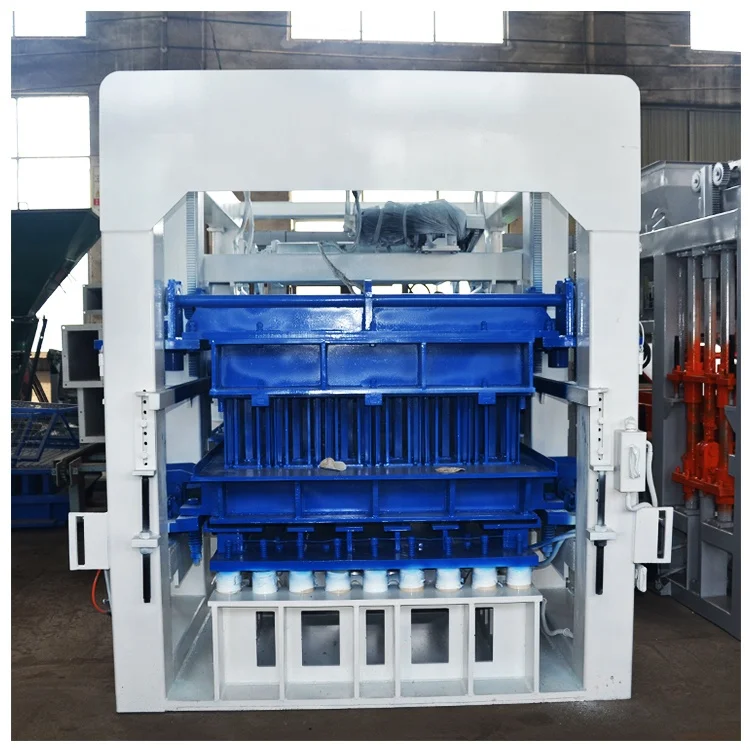
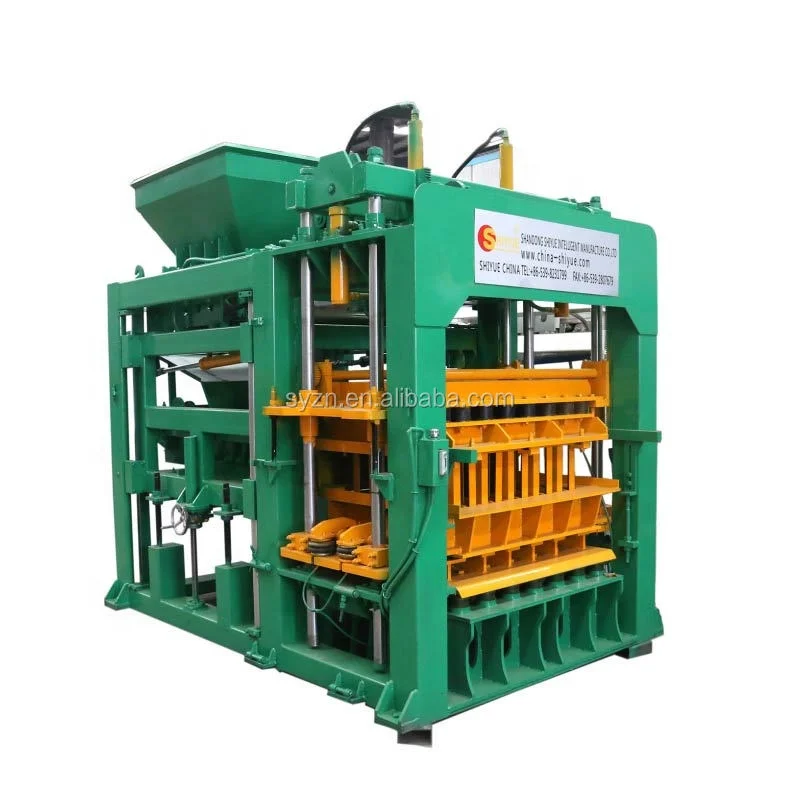
| Product Type | Automatic Hydraulic Block Making Machine |
| Control System | PLC control cabinet |
| Hydraulic System | Independent integrated hydraulic station |
| Vibration Mode | Vertical station mode resonance, automatic FM-AM |
| Mould Change | Simple replacement for multi-format production |
| Automation Level | Automatic with pallet feed machine |
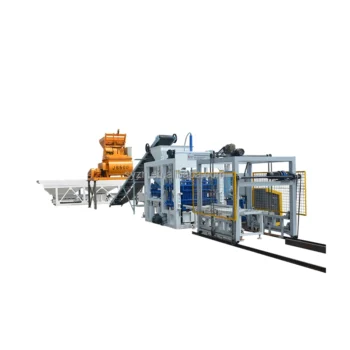
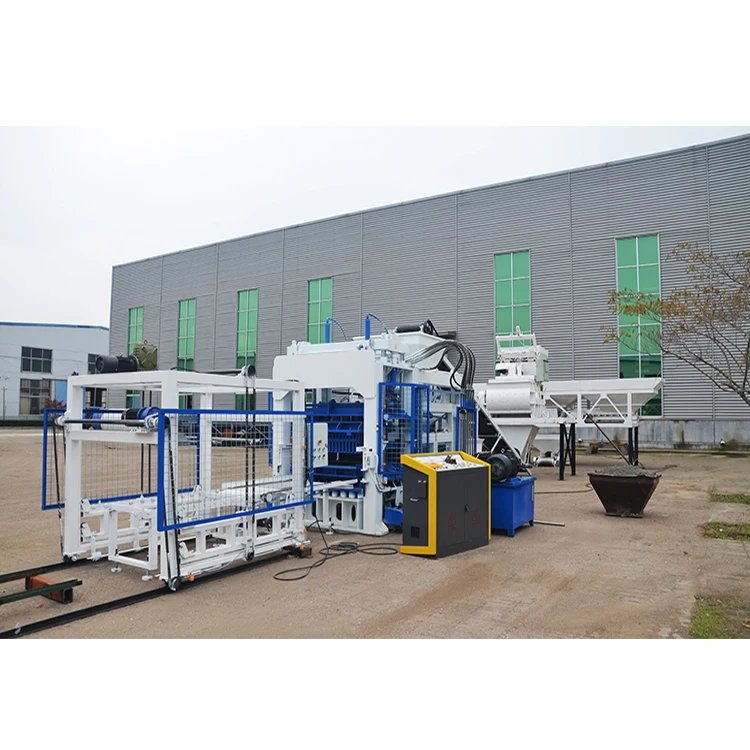
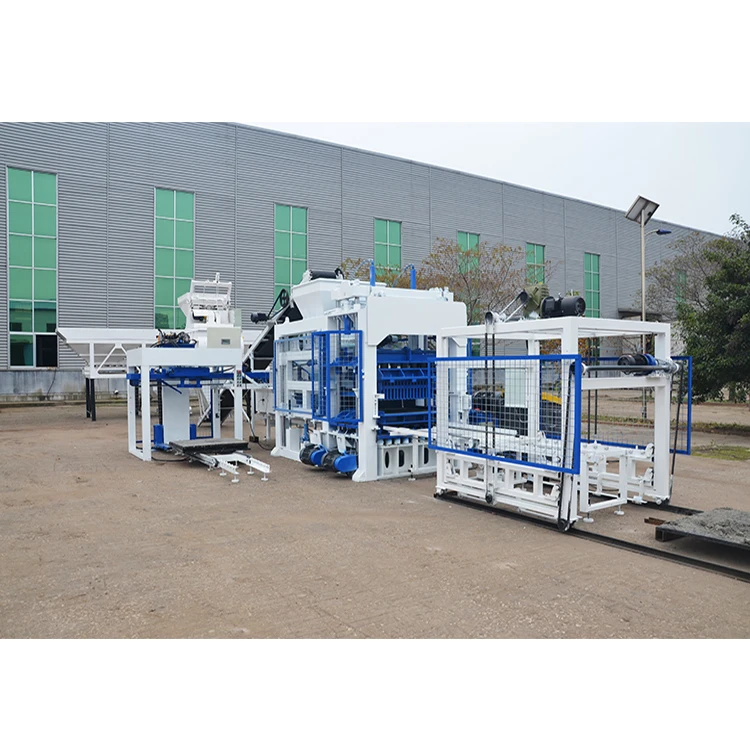
| Components | Pallet feed machine, block making machine, storage hopper, conveyor, hydraulic unit, PLC control cabinet |
| Output Capacity (400×200×200mm hollow block) | 1800–2400 pcs/hour, 14400–19200 pcs/8hr |
| Output Capacity (400×150×200mm hollow block) | 2160–2880 pcs/hour, 17280–23040 pcs/8hr |
| Output Capacity (240×115×53mm solid brick) | 8928–11160 pcs/hour, 71424–89280 pcs/8hr |
| Output Capacity (200×100×60mm paving block) | 5184–6480 pcs/hour, 41472–51840 pcs/8hr |
| Output Capacity (225×112.5×60mm interlocking brick) | 4032–5040 pcs/hour, 32256–40320 pcs/8hr |
| Molding Cycle (hollow block) | 15–20s |
| Molding Cycle (solid brick) | 15–20s |
| Molding Cycle (paving / interlocking block) | 20–25s |
| Qty per Mould (400×200×200mm) | 10 pcs |
| Qty per Mould (400×150×200mm) | 12 pcs |
| Qty per Mould (240×115×53mm) | 62 pcs |
| Qty per Mould (200×100×60mm) | 27 pcs |
| Qty per Mould (225×112.5×60mm) | 24 pcs |
| Warranty | 1 year for whole machine (excluding spare parts) |
| Voltage & Frequency | Configurable to destination market (basis to be confirmed) |
| Overall Dimensions | Verify against manufacturer catalog |
| Net Weight | Verify against manufacturer catalog |
| Hydraulic Pressure | Verify against manufacturer catalog |
| Vibration Force | Verify against manufacturer catalog |
| Pallet Size | Verify against manufacturer catalog |
Application Suitability
| Application | Material or Output |
|---|---|
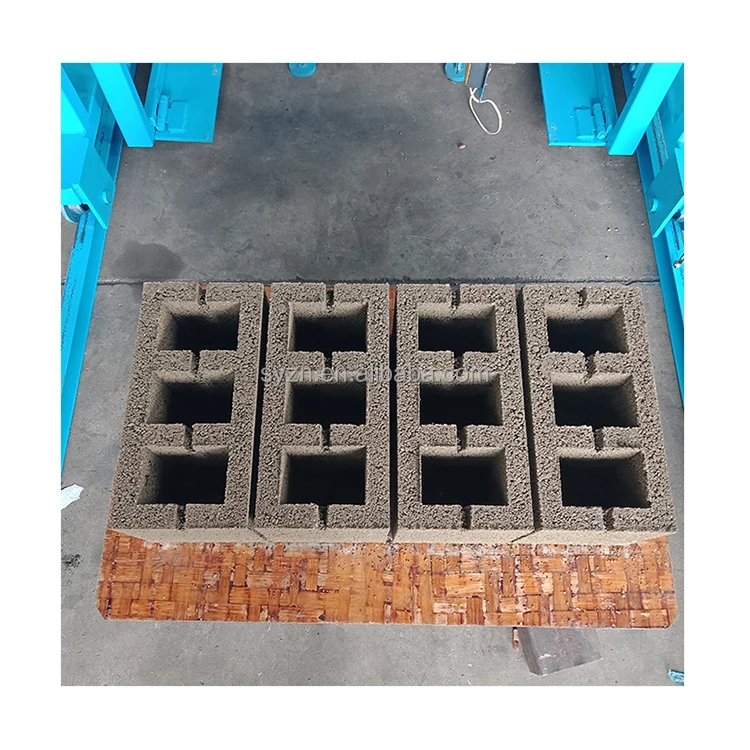
| Hollow block production | Crushed stone, sand, cement, fly ash aggregate blends |
| Solid brick production | Fine aggregate and cement mixes for load-bearing masonry |
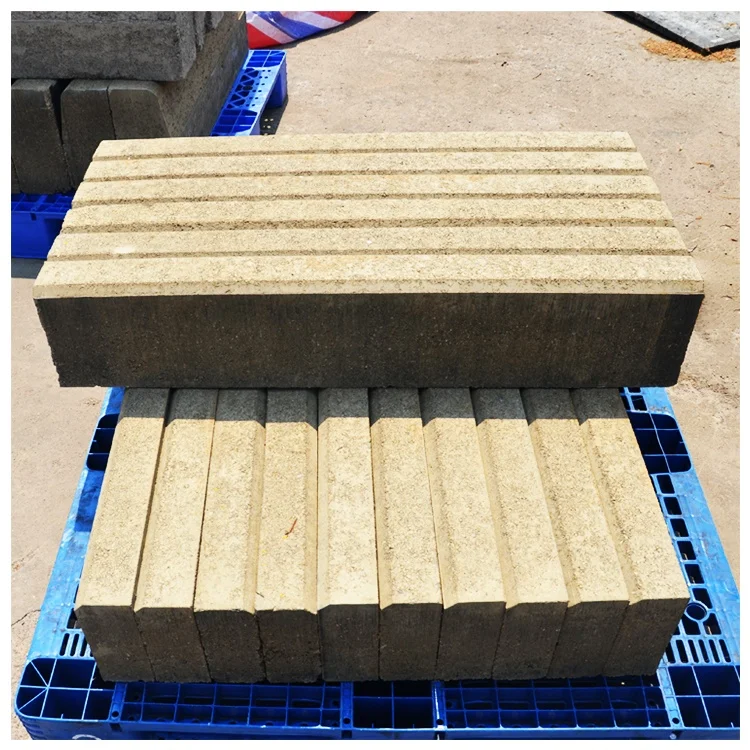
| Paving block production | High-density concrete mixes for pedestrian and vehicular surfaces |
| Interlocking brick production | Graded aggregate with cement for mortar-free wall systems |
| Multi-format plant operation | Single press switching between hollow, solid, paving and interlocking formats |
Dispatch Timelines That Match Your Construction Schedule
Confirming stock status and container loading plans before payment prevents the most common delay buyers face when working to a fixed project deadline.
A block machine ordered for a housing phase or infrastructure milestone only matters if it arrives and commissions on time. The QT10-15 block machine in stock availability changes week by week, and buyers who skip the stock confirmation step often discover their chosen configuration entered a build queue they were never told about. I have watched project contractors lose entire curing cycles because the machine they were promised was actually still on the production floor, waiting for a hydraulic station that had not been ordered [NEED_CITE: typical lead time variations for automatic hydraulic block machines]. Getting dispatch dates, container loading plans and port arrival estimates in writing before the deposit clears is the single most practical step a deadline-driven buyer can take.
Which Configurations Ship Immediately
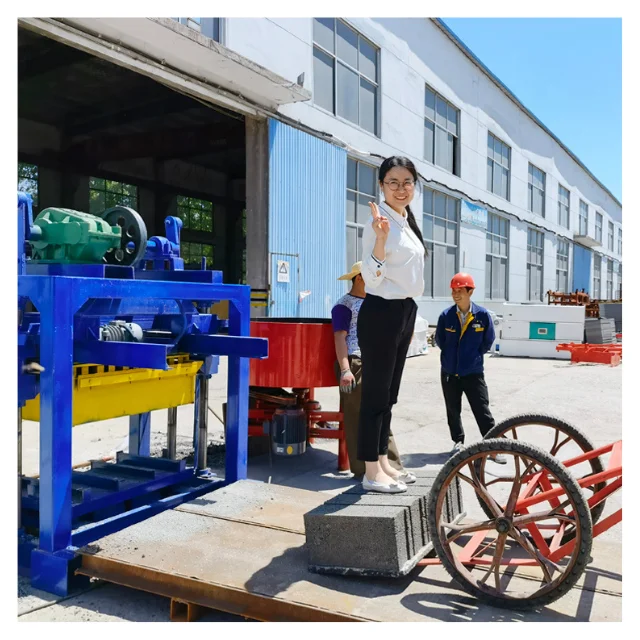
Buyers evaluating a QT10-15 block machine in stock should first confirm which mould sets are paired with available press units. The standard hollow block and solid brick moulds are typically held in inventory alongside the host machine, while custom paving or interlocking formats may require a separate production run. Dispatch speed depends not just on the press itself but on whether the pallet feed machine, storage hopper and conveyor sections are also ready to load. A complete line staged in one warehouse ships in a single container; a line split across two facilities waits for consolidation.
Container Loading and Dismantling for Shipment
The QT10-15 is dismantled into its major assemblies — press frame, hydraulic station, PLC cabinet, pallet feed unit and conveyor — before container loading. Each assembly is secured to prevent transit damage and labelled for rapid reassembly on site. Container selection depends on the pallet size and mould count included in the order. A buyer ordering three mould formats will need more floor space than a single-format shipment, and the loading plan must account for that before the container is booked [NEED_CITE: standard container loading practice for automatic block making lines].
Reading the Capacity Table Honestly
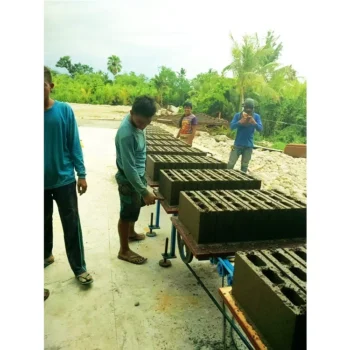
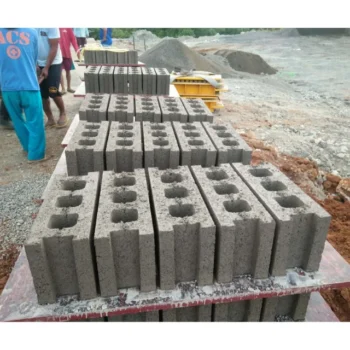
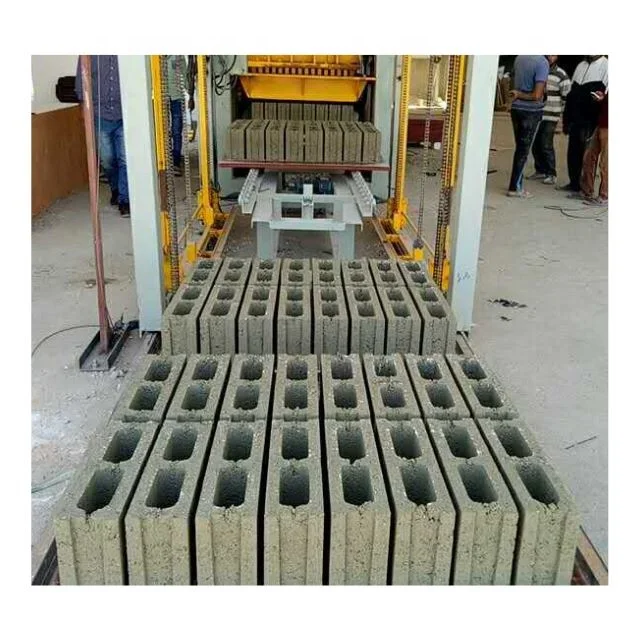
The QT10-15 output figures above are stated per block format and per mould cycle, not as a single headline number. A 400×200×200mm hollow block mould produces 10 pieces per cycle at 15–20 seconds, yielding 1800–2400 pieces per hour. Switch that same press to a 200×100×60mm paving block mould and the cycle extends to 20–25 seconds with 27 pieces per cycle, producing 5184–6480 pieces per hour. These are fundamentally different products with different market values, so the only meaningful capacity discussion is the one tied to the format the buyer actually sells.
What Happens When Lead Time Is an Afterthought
When dispatch lead time is treated as a detail to sort out later, the consequences compound quickly. A contractor whose foundation phase is complete but whose block machine is still six weeks from the port faces idle crews and penalty clauses. A distributor who promised a customer delivery by quarter-end watches that customer source from a competitor. The cost of a delayed QT10-15 is never just the shipping delay — it is the downstream schedule disruption that no supplier credit can fully cover [NEED_CITE: construction project delay penalties for equipment non-delivery].
Why Buyers Working to Deadlines Source Here
Stock and delivery transparency is the starting point, not the selling point. Every QT10-15 configuration proposed includes a written dispatch lead time and container loading plan before the buyer commits. Moulds and supporting line components are staged together so the machine ships as one complete system, not as separate consignments arriving weeks apart. Arrival estimates are quoted at the inquiry stage, not after the deposit clears. Factory test records are photographed and shared before the container is sealed. Customs documentation is prepared to match the destination port’s import requirements, reducing clearance delays that sit entirely outside the buyer’s control.
Documentation & Verification
- Factory test record filmed on your selected block format before dispatch
- Container loading photographs showing securing and labelling of each assembly
- Voltage and PLC language confirmation sheet signed before production
- Packing list matching container contents for customs clearance at destination port
- Mould drawing and format list for every mould included in the shipment
Installation, Commissioning & Support
- Foundation plan provided based on the QT10-15 overall dimensions and vibration load
- Dedicated power circuit specification confirmed for the hydraulic station and PLC cabinet
- Dismantled assemblies labelled for sequential reassembly by on-site crews
- First-run commissioning covers mould swap procedure and cycle time calibration per format
- Operator training includes PLC navigation in the confirmed display language
- Spare hydraulic seals and vibration components shipped with the initial order
What to Include in Your Inquiry
To get an accurate stock and delivery quote, share the block formats you intend to produce, your destination port and the voltage and frequency standard at your site. If you have an existing curing yard or forklift, mention the pallet dimensions you already handle so the line can be configured around them. Confirming the PLC display language at the inquiry stage avoids commissioning delays after arrival.
Frequently Asked Questions
Q: Which QT10-15 configurations and moulds are in stock right now?
A: Standard hollow block and solid brick configurations are typically held ready for dispatch, while custom paving and interlocking moulds may enter a short production queue. Stock status is confirmed in writing at the inquiry stage so buyers know exactly which units ship immediately and which require a build cycle.
Q: What is the dispatch lead time and how is arrival estimated?
A: Dispatch lead time is quoted based on current stock position and container availability at the time of inquiry. Arrival estimates factor in transit duration to the destination port and are provided before order confirmation, giving buyers a working timeline for site preparation and crew scheduling.
Q: How is the machine dismantled and loaded for container shipment?
A: The QT10-15 is broken down into major assemblies including the press frame, hydraulic station, PLC cabinet and pallet feed unit. Each piece is secured and labelled inside the container. The loading plan accounts for all moulds and line components so everything arrives in a single consignment.
Q: Can voltage and PLC language be confirmed before the machine leaves the factory?
A: Yes. Voltage, frequency and PLC display language are confirmed during the inquiry and order stage, before production or final assembly. This prevents the situation where a machine arrives at site and the control panel is in a language the operators cannot read or the voltage does not match the local supply.
Q: What customs documentation is provided to support smooth import clearance?
A: Shipping documents include a detailed packing list, commercial invoice, bill of lading and any certification declarations required by the destination market. These are prepared to match the specific import requirements of the buyer’s port, reducing the chance of customs holding the container for missing or mismatched paperwork.