
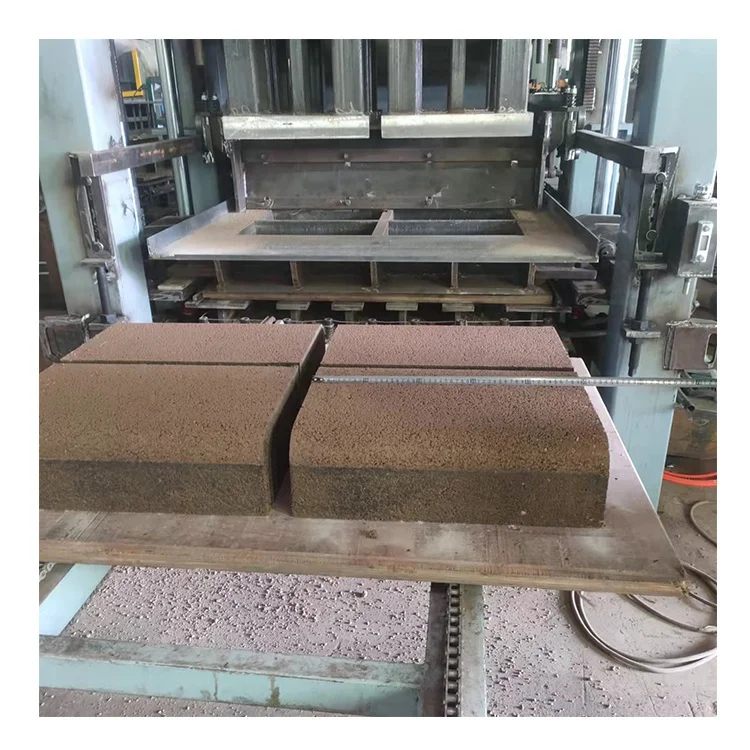

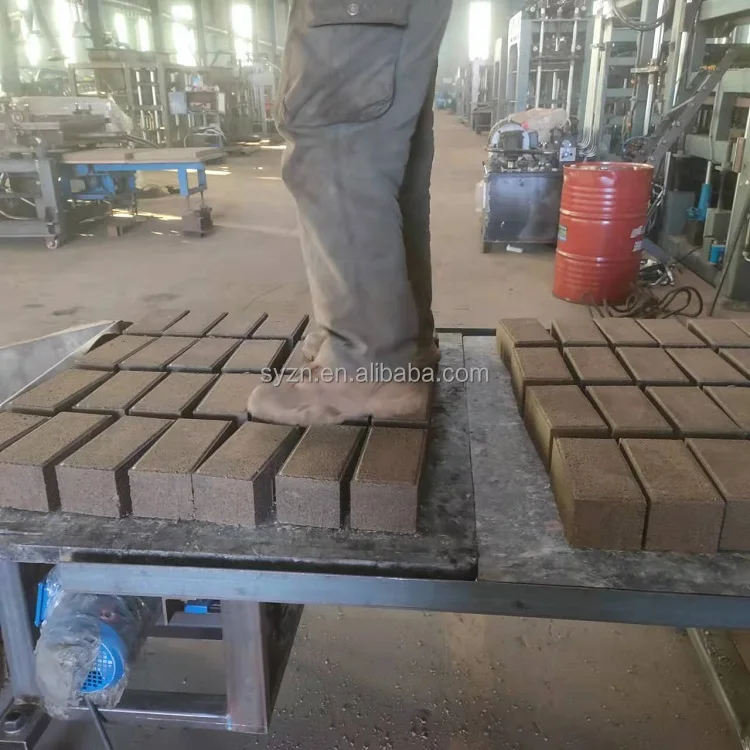

Description
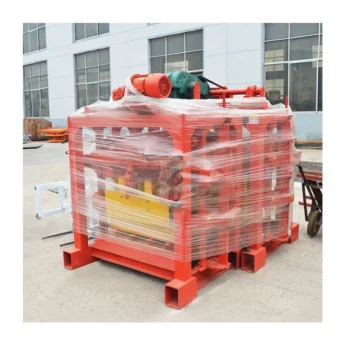
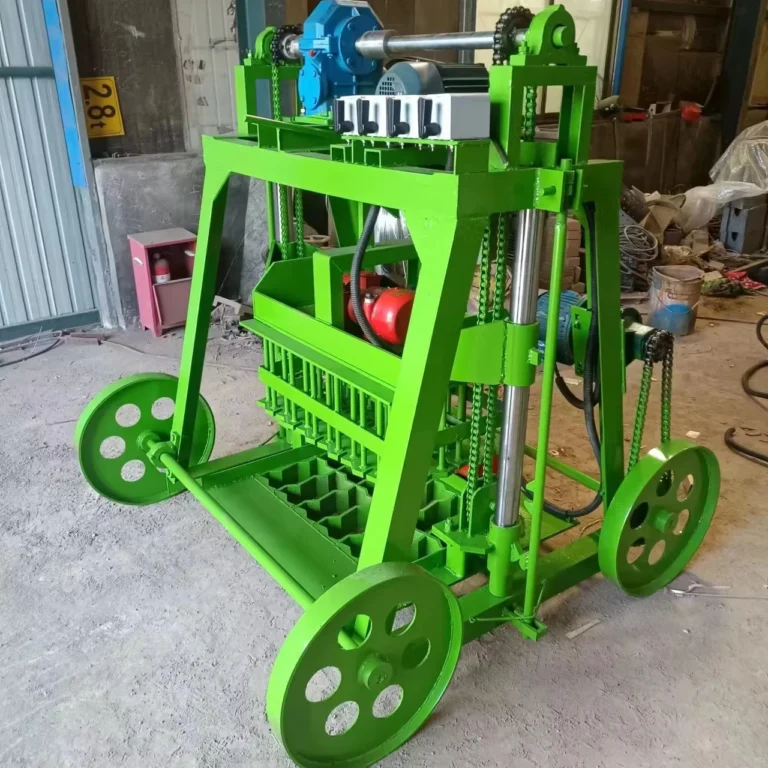
Dispatch-Ready Configuration — QT10-15 block making machinery in stock fast delivery means the exact sub-model and standard mould set are verified as physically available before the quotation is issued, not assumed from a catalogue lead time.
Technical Specifications
| Parameter | Value |
|---|---|
| Model | QT10-15 |
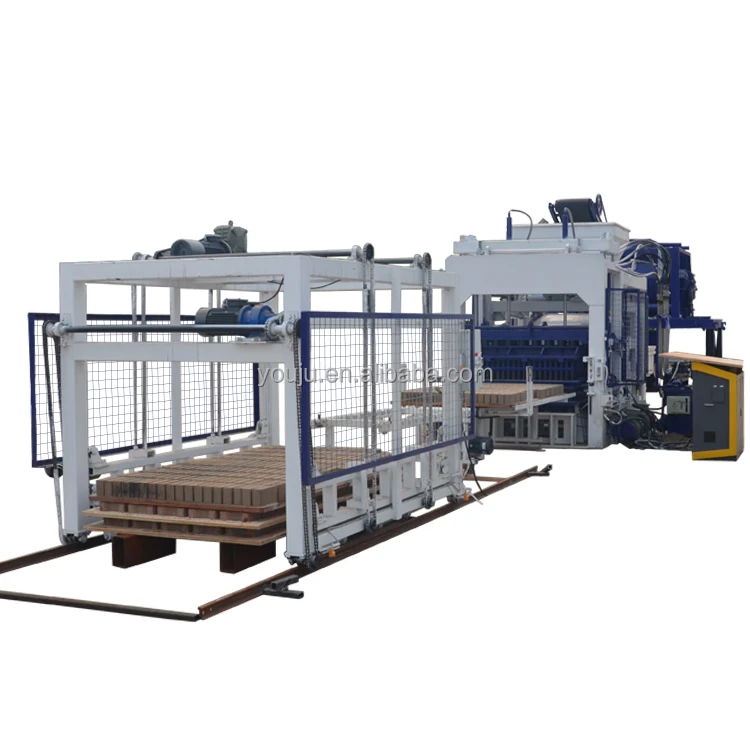
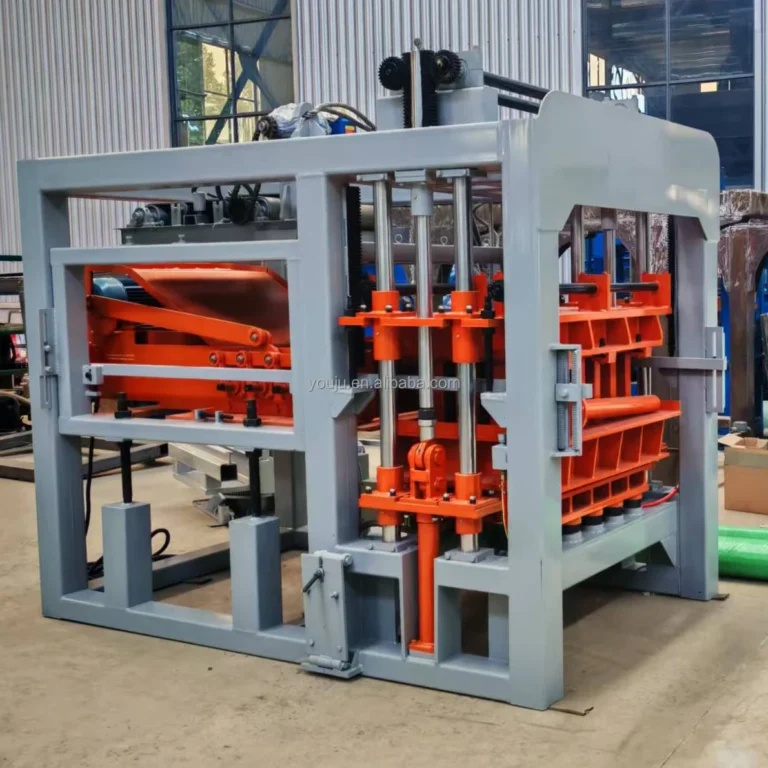
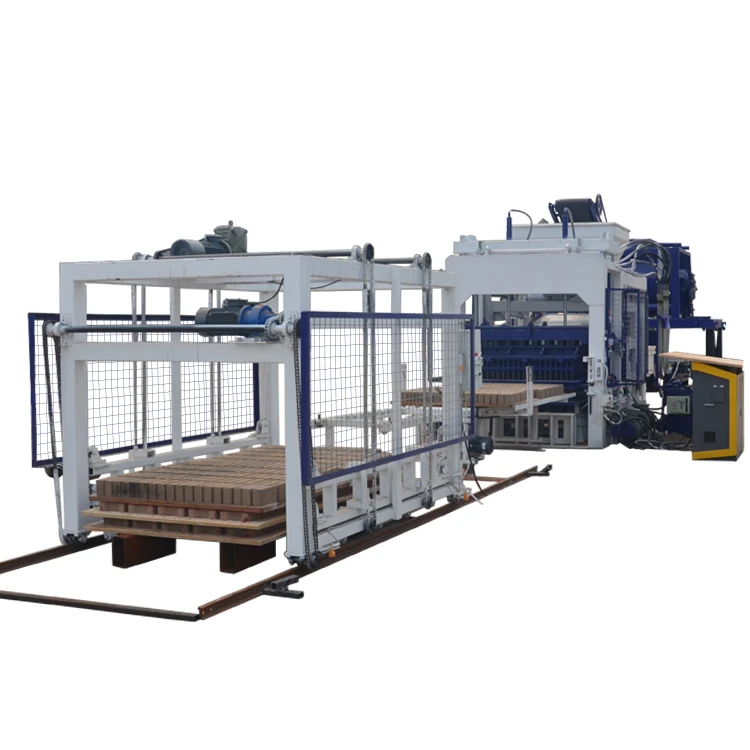
| Product Type | Automatic Hydraulic Block Making Machine |
| Vibration Technology | Dynamic and static table with frequency conversion control |
| Vibration Acceleration | 20g |
| Vibration System | Four-axis vibration with forced synchronization gear shaft |
| Material Feeding | Press-in arch breaker rotating 360° for mold cavity distribution |
| Wear Plate | Replaceable cloth platform wear-resistant plate |
| Noise Reduction | Flexible vibration reduction on pressure head; adjustable pressure air bag on mold box |
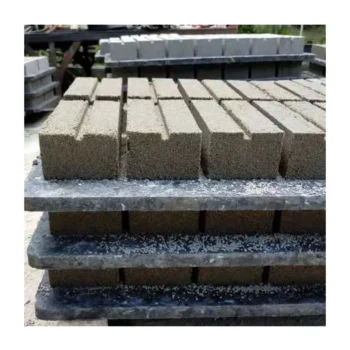
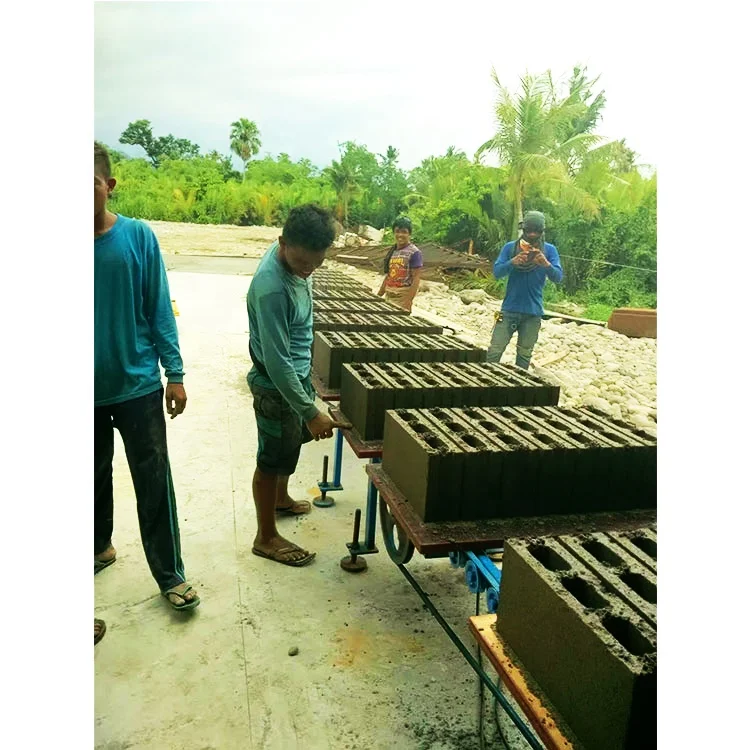
| Mould Compatibility | Hollow blocks, porous bricks, pavement bricks, slope protection bricks (basis not stated in source — confirm block format / material / thickness for capacity) |
| Control System | Frequency conversion control (source value — verify against manufacturer catalog for PLC details) |
Application Suitability
| Application | Material or Output |
|---|---|
| Hollow wall block production | Fly ash, crushed stone, cement, standard aggregates |
| Porous brick manufacturing | Lightweight aggregate blends, cement, sand |
| Pavement brick forming | Crushed granite, river sand, cement, pigment |
| Slope protection brick production | Coarse aggregate, cement, soil stabilization blends |
Why Arrival Dates Slip When Machine Stock Is Unclear
The QT10-15 block making machine in stock fast delivery promise only holds when the supplier confirms physical inventory of the specific configuration and mould set before issuing a proforma invoice.
I have watched project timelines collapse because a buyer was told a machine was "available" when only the base frame was in the yard, waiting for a hydraulic power unit that took six weeks to arrive. The QT10-15 block making machine in stock fast delivery commitment should include a container loading plan, dismantling checklist, and packing photographs taken before the container doors close. [NEED_CITE: common causes of equipment delivery delays in international machinery trade]
What "In Stock" Actually Means on the Warehouse Floor
A QT10-15 block making machine in stock fast delivery claim requires the supplier to identify the exact sub-model designation, the mould formats bolted to the test platform, and the control cabinet wiring already completed. Stock should mean the vibration table has been run, the hydraulic circuit has been pressure-tested, and the frequency conversion parameters are saved to the controller. Anything less is a partially assembled frame that still needs weeks of workshop time.
Container Loading and Dismantling for the QT10-15
Shipping a QT10-15 block making machinery in stock fast delivery order means the main frame, hydraulic station, pallet feeder, and control cabinet are separated for 40-foot high-cube container loading. The vibration table and press head typically travel in one container, while the mould set, pallets, and supporting conveyors fill a second. Dismantling instructions must be photographed step by step so the receiving crew can reverse the sequence on site without waiting for a factory engineer. [NEED_CITE: standard container loading practices for heavy block making equipment]
Reading the Vibration and Feeding Specs
The four-axis vibration with forced synchronization gear shaft prevents the mould box from rocking off-axis during compaction, which is what causes uneven block height across a single cycle. The 20g vibration acceleration indicates a high-frequency, high-force forming action suited to dense concrete mixes with coarse aggregate. The 360° rotating press-in arch breaker addresses a recurring problem in block production — material bridging inside the feed hopper — by mechanically forcing mix into every corner of the mould cavity rather than relying on gravity alone. Replaceable wear plates on the cloth platform mean that when abrasion from fly ash and sand finally takes its toll, you swap a bolted plate rather than rebuilding the entire platform.
When the Wrong Voltage Reaches the Site
I have seen a QT10-15 sit idle for three weeks on a Middle Eastern housing project because the control cabinet was wired for 380V/50Hz while the local grid delivered 440V/60Hz. The transformer had to be sourced locally, the control panel rewired, and the frequency conversion parameters reset before the machine could power up. Every voltage mismatch discovered after arrival adds non-negotiable days to a project that was already behind schedule. [NEED_CITE: voltage and frequency standards by export market]
Why This Source Reduces Dispatch Risk
The QT10-15 block making machinery in stock fast delivery process begins with a written confirmation of which sub-models and mould formats are physically on the floor, not on a production schedule. Dispatch lead time is quoted from the moment the proforma is signed, not from some future production slot. Voltage, frequency, and PLC display language are locked in before the machine leaves the factory, eliminating the most common on-site delay. Container loading plans with dismantling photographs are shared with the buyer before shipment, so the receiving team knows what they are unloading before the vessel docks.
Documentation & Verification
- Container loading plan with dismantling sequence for QT10-15 main frame and hydraulic station
- Factory test record showing vibration table run and hydraulic pressure hold before dispatch
- Voltage and frequency confirmation sheet signed before control cabinet is sealed
- Packing photographs of mould set, wear plates, and hydraulic hoses before container doors close
- Mould format list identifying every block profile included in the shipment
Installation, Commissioning & Support
- QT10-15 requires a level reinforced concrete foundation matching the vibration table footprint to prevent settling under 20g acceleration loads
- Dedicated electrical circuit matching confirmed voltage and frequency must be available before the control cabinet is powered on
- Reassembly follows the photographed dismantling sequence; hydraulic lines are colour-coded and labelled at the factory
- First-cycle commissioning verifies four-axis synchronization and feed distribution before full-speed production begins
- Operator training covers mould change procedure, wear plate inspection intervals, and frequency conversion parameter adjustment
What to Share When You Request a Quote
Send the block format you need to produce — hollow, solid, paving, or a combination — along with the daily output target so we can confirm whether a stocked QT10-15 configuration covers it. Provide your site voltage, frequency, and preferred control language so the electrical confirmation is resolved before dispatch. If you have an existing pallet size and curing area layout, include those dimensions so the pallet feeder specification matches what you already handle on the ground.
Frequently Asked Questions
Q: Which QT10-15 configurations and mould formats are currently in stock?
A: Availability changes as orders are dispatched, so we confirm the exact sub-model and mould set on the floor at the time of inquiry. The stock list includes the standard hollow block, paving block, and porous brick mould formats. Any custom mould profile not currently in inventory requires a separate lead time quoted alongside the machine.
Q: How is the QT10-15 dismantled and loaded into containers?
A: The main frame, vibration table, hydraulic station, and control cabinet are separated for loading into one or two 40-foot high-cube containers depending on the mould and pallet quantity. A step-by-step dismantling photograph set is provided so the receiving crew can reverse the process without ambiguity on site.
Q: What is the realistic arrival timeline from order to destination port?
A: Once the proforma is signed and the container loading plan is confirmed, dispatch from the factory typically takes a matter of days for stocked configurations. Ocean transit time then depends entirely on the destination port and sailing schedule. A written arrival estimate is provided before the buyer commits.
Q: Are voltage and control language confirmed before the machine ships?
A: Yes. Voltage, frequency, and PLC display language are confirmed in writing before the control cabinet is sealed and photographed. This step eliminates the most common reason a block machine sits idle after arrival — an electrical mismatch with the local grid.
Q: What customs documentation is provided for clearance at the destination port?
A: The shipment includes a commercial invoice, packing list, bill of lading, and certificate of origin where required. CE declaration documentation is available for applicable markets. All documents are reviewed against destination-country import requirements before the vessel departs.