

Description
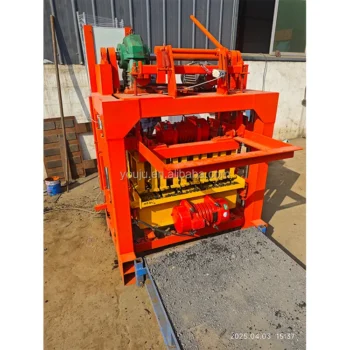
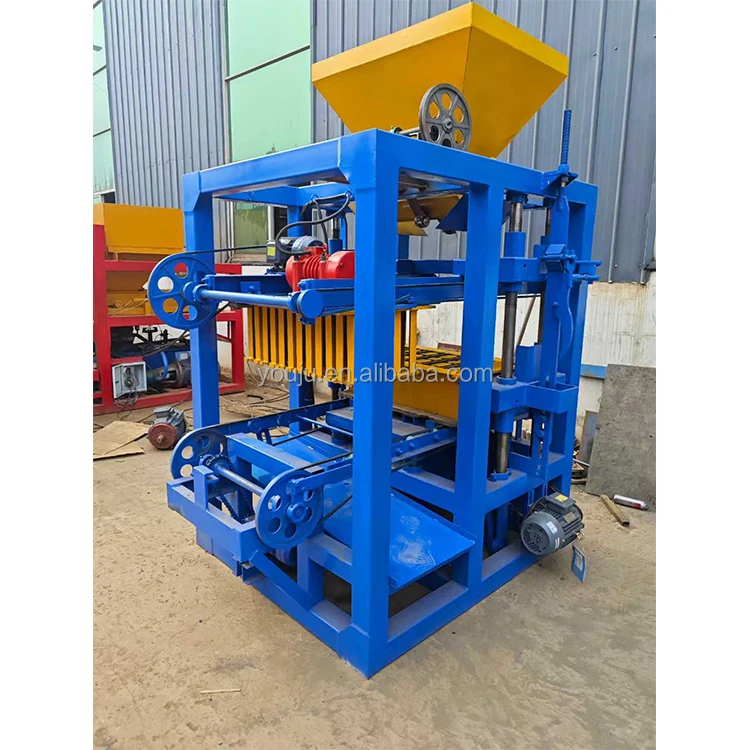
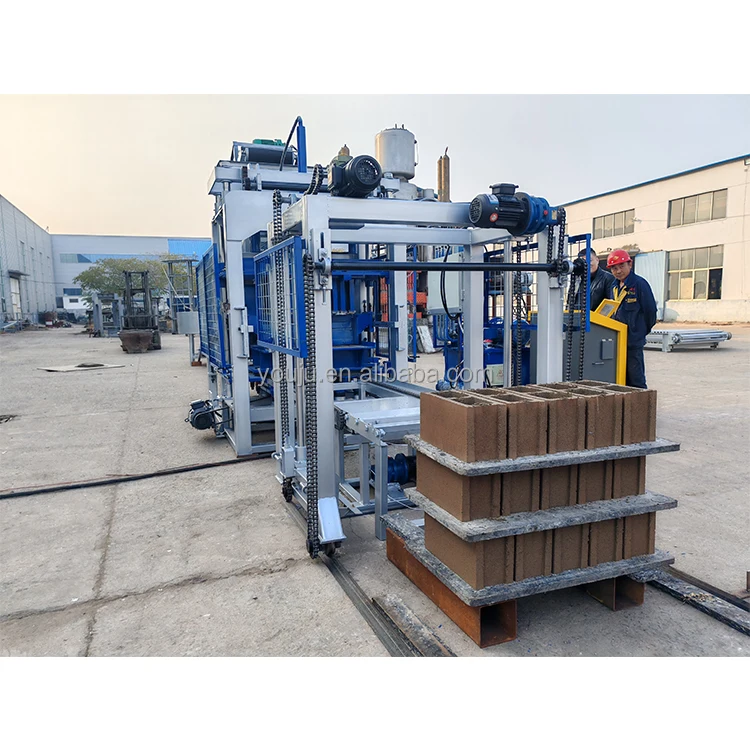
Dispatch-Ready Configuration — this QT4-15 block machine ships fully assembled with standard moulds, eliminating the typical multi-week production wait that stalls project timelines.
Technical Specifications
| Parameter | Value |
|---|---|
| Product Type | Hydraulic Block Making Machine |
| Model | QT4-15 |
| Molding Cycle | 15-30s |
| Pallet Size | 900x500mm |
| Vibration Type | Platform vibration |
| Vibration Frequency | 50-70Hz |
| Product Height Range | 50-220mm |
| Overall Power | 24.5kW |
| Demolding Method | Hydraulic |
| Control System | PLC |
| Block Compressive Strength | >15 MPa |
| Output (Hollow Block 400x200x200mm) | 900-1200 pcs/h (based on 4 pcs/mould, 15-20s cycle) |
| Output (Paver 200x100x60mm) | 2880-3840 pcs/h (based on 16 pcs/mould, 15-20s cycle) |
| Output (Solid Brick 240x115x53mm) | 5930-6720 pcs/h (based on 28 pcs/mould, 15-20s cycle) |
| Raw Materials | Fly ash, slag, gangue, sand, crushed stone, cement, water |
| Assembly State | Fully assembled |
| Standards | CE declaration where applicable |
Application Suitability
| Application | Material or Output |
|---|---|
| Hollow block production | Fly ash, sand, and cement blends for structural and partition walls |
| Paving brick production | Crushed stone and cement mixes for driveways, walkways, and plazas |
| Solid brick production | Slag, gangue, and cement for load-bearing masonry |
| Small to medium plant setup | Multi-format output on a single pallet size for flexible local supply |
What "In Stock" Actually Means for Your Deadline
A stocked QT4-15 block machine in stock leaves the yard in days, not months — but only if every dispatch detail is locked before loading.
Waiting eight to twelve weeks for a block machine to be built is the norm in this industry. When a housing project or road contract has milestones to hit, that lead time is not just inconvenient — it costs penalties. A QT4-15 block machine in stock removes the production queue, but availability alone does not guarantee arrival on time [NEED_CITE: typical ocean freight transit times by region]. The gap between "ready to ship" and "ready to produce" is filled with voltage confirmation, control language settings, and customs paperwork — each one capable of holding the container at port for weeks if overlooked.
Stocked Machines and Standard Mould Packages
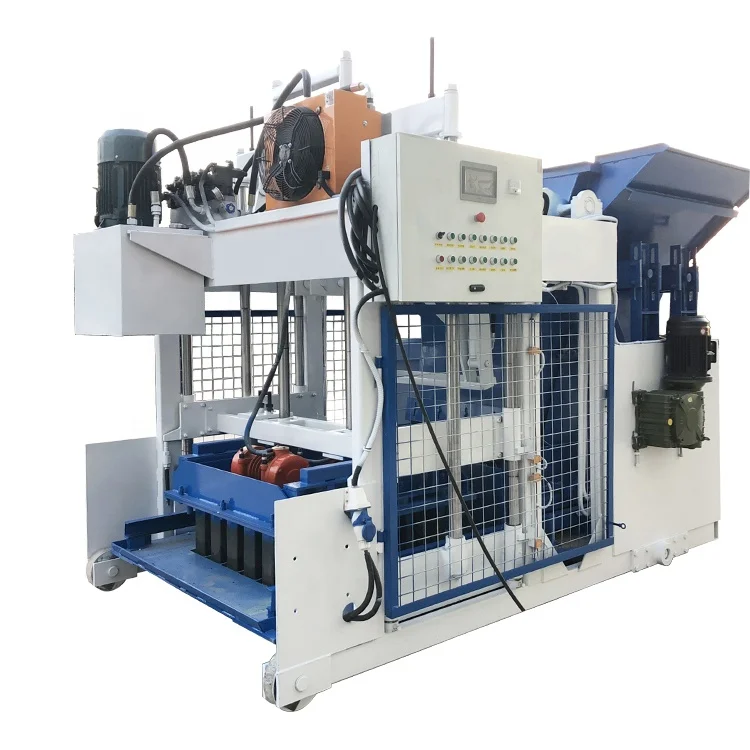
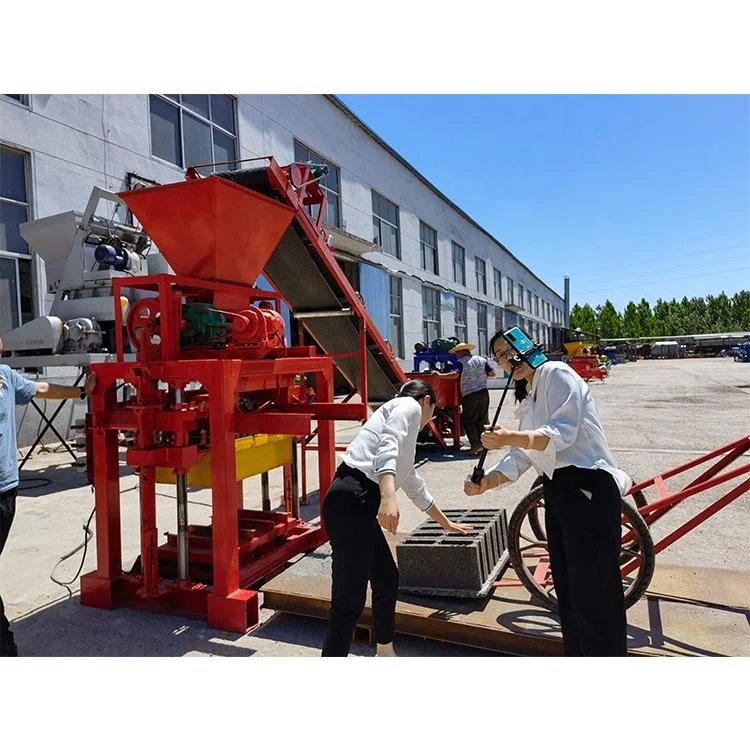
When we say the QT4-15 block machine in stock is ready, it means the press frame, hydraulic station, PLC cabinet, and platform vibration assembly are fully built and tested. Standard moulds for hollow blocks and pavers are matched and sitting with the machine, not in a separate production queue. This is the difference between dispatch in days versus dispatch after a full build cycle.
Container Loading and Dismantling for Shipment
The 900x500mm pallet format and 24.5kW power draw keep the machine within standard container dimensions once the upper frame and hydraulic hoses are disconnected. Dismantling is documented with packing photographs so the receiving team knows exactly which bolts reconnect and in what sequence [NEED_CITE: container loading standards for heavy industrial machinery]. Every QT4-15 block machine in stock is photographed at each loading stage — frame in, moulds crated, pallets bundled — so there is no guesswork at destination.
Reading the Specs That Actually Matter On-Site
The 50-70Hz platform vibration frequency works with hydraulic demolding to compact the mix evenly across the 900x500mm pallet. Higher frequency alone does not guarantee block density — it is the combination of vibration amplitude and hydraulic pressure that determines whether a hollow block holds >15 MPa when cured. The PLC control manages the 15-30s molding cycle, but cycle time shifts depending on which format is in the press. A 400x200x200mm hollow block at 4 per mould runs a different rhythm than 28 solid bricks per mould, and both differ from the 16-paver layout. The overall power draw of 24.5kW is the sum of vibration motors, hydraulic pump, and conveyor drives — confirm the destination site has a dedicated circuit that can handle startup surge, not just running load.
The Cost of Skipping Pre-Shipment Checks
A machine that arrives without confirmed voltage and frequency cannot be energized. I once saw a hydraulic block machine sit idle for three weeks at a project site in West Africa because the motor was wound for 380V/50Hz while the local grid ran 415V/60Hz. The contractor had a crew waiting, a batching mixer running, and an owner issuing daily penalty notices [NEED_CITE: common electrical mismatch issues in cross-border machinery procurement]. The PLC display language is another item that seems minor until the operator cannot read the fault codes. These are not engineering failures — they are dispatch failures, and they are entirely preventable when the checklist is followed before the container is sealed.
Why Buyers Source This Machine Here
Block machinery is the single focus of this operation, which means the QT4-15 press, its moulds, pallets, and handling equipment are specified as one matched set rather than pulled from separate suppliers. Configuration is set against the buyer’s actual mix and target block format, not a catalogue default. Stocked machines carry the same documentation and test records as custom builds — factory test records are run on the buyer’s stated block format before the machine leaves the floor. Standard moulds are available from inventory, and custom mould design to buyer drawings is supported for formats the local market demands. Arrival estimates are quoted upfront based on destination port, so the buyer knows the timeline before payment clears.
Documentation & Verification
- Factory test record on your stated hollow block or paver format before dispatch
- Machine specification sheet with confirmed voltage, frequency, and PLC language
- Mould drawing and format list for every mould included in the shipment
- Packing photographs at each container loading stage
- Customs documentation support for destination import clearance
- CE declaration supplied where applicable to destination market requirements
Installation, Commissioning & Support
- Foundation pad sized to the QT4-15 frame footprint with anchor bolt template provided
- Dedicated 24.5kW circuit with correct voltage and frequency confirmed before wiring
- Machine ships fully assembled with upper frame disconnected for container loading
- On-site commissioning includes PLC parameter tuning for your mix and block format
- Operator training covers mould change sequence and pallet handling routines
- Wear parts and mould list supplied so first replacements are on hand at startup
Before You Request a Quote
Tell us which block format your market moves fastest — hollow block dimensions, paver profile, or solid brick size — so we can confirm which standard moulds are loaded on the stocked unit. Share your destination port and local grid voltage so we can quote an arrival estimate and lock the electrical configuration before dispatch. If you already have pallets or a forklift on site, send the dimensions so the 900x500mm pallet system is verified compatible with your curing and handling setup.
Frequently Asked Questions
Q: Which QT4-15 units and standard moulds are currently in stock?
A: Stocked QT4-15 machines carry standard moulds for the most common hollow block and paver formats. Current inventory shifts weekly, so confirm the exact mould set against your target block dimensions before placing the order. Custom moulds are available to buyer drawings but follow a separate lead time.
Q: What is the dispatch lead time from order to container loading?
A: A stocked QT4-15 block machine in stock can move from order confirmation to container loading within a short dispatch window, provided voltage, frequency, and PLC language are confirmed at inquiry. Custom configurations or non-standard moulds extend the timeline to a full build cycle.
Q: How is the machine dismantled and packed for shipment?
A: The upper frame, hydraulic hoses, and PLC cabinet connections are disconnected to fit standard container dimensions. Each dismantling step is photographed. Moulds are crated separately, and pallets are bundled. Reassembly instructions and packing photographs travel with the shipment.
Q: Can you provide an arrival estimate to my destination port?
A: Arrival estimates are quoted before payment based on your destination port and current shipping schedules. This includes ocean transit time from loading port to discharge port. Inland transport from port to site is the buyer’s responsibility unless otherwise arranged.
Q: What customs documentation do you supply for import clearance?
A: Customs documentation includes commercial invoice, packing list, bill of lading, and CE declaration where applicable. Specific import forms required by your destination country should be confirmed at inquiry stage so they are prepared before the container sails.