


Description
Stocked Dispatch — Every QT4-15 automatic block machine leaves our Linyi warehouse with a verified voltage match and container loading plan, so project timelines stay intact from order to arrival.
Technical Specifications
| Parameter | Value |
|---|---|
| Model | QT4-15 |
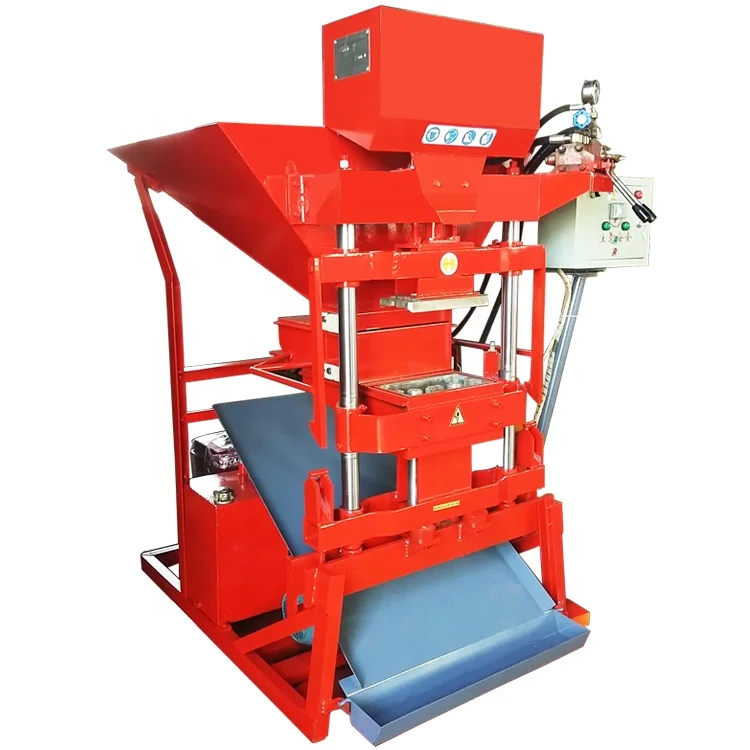
| Product Type | Automatic Concrete Block Making Machine |
| Overall Dimensions (L×W×H) | 7100 x 1600 x 2610 mm |
| Rated Hydraulic Pressure | 16 MPa |
| Vibration Form | Platform Vibration |
| Pallet Size | 1020 x 570 mm |
| Molding Cycle | 15–25 s (basis not stated in source — confirm block format / material / thickness) |
| Overall Power | 27.5 kW |
| Control System | PLC (electronic console) |
| Automation Level | Automatic (pallet feeding, material feeding, block conveying integrated) |
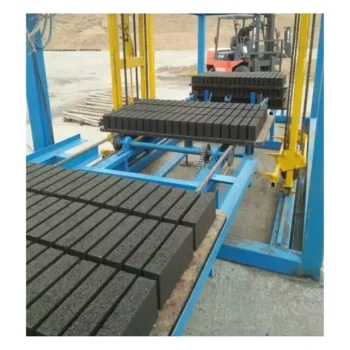
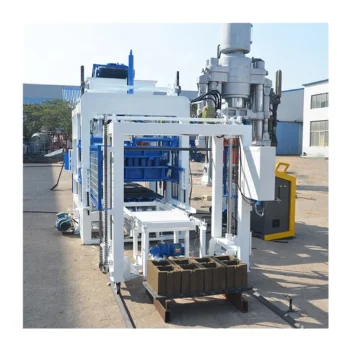
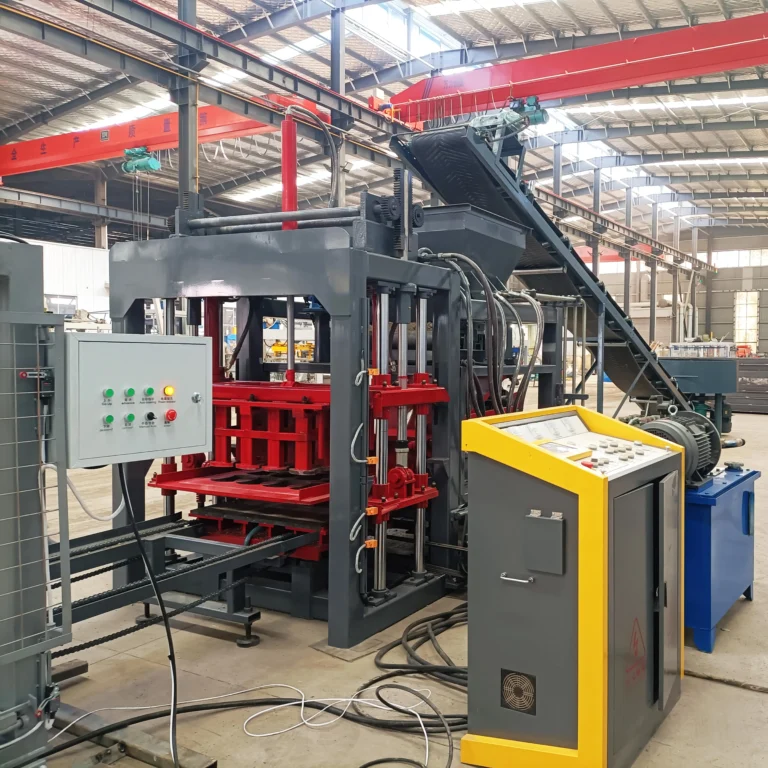
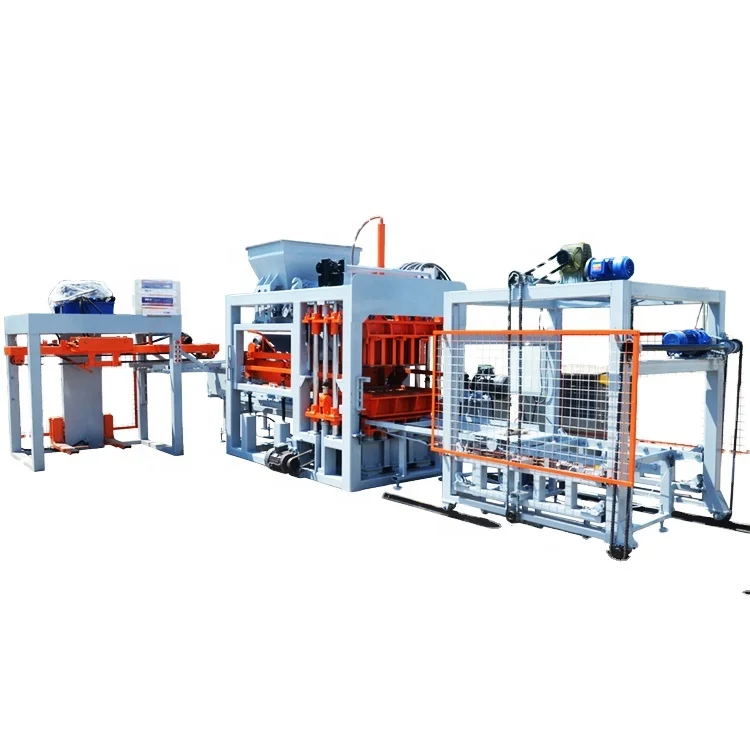
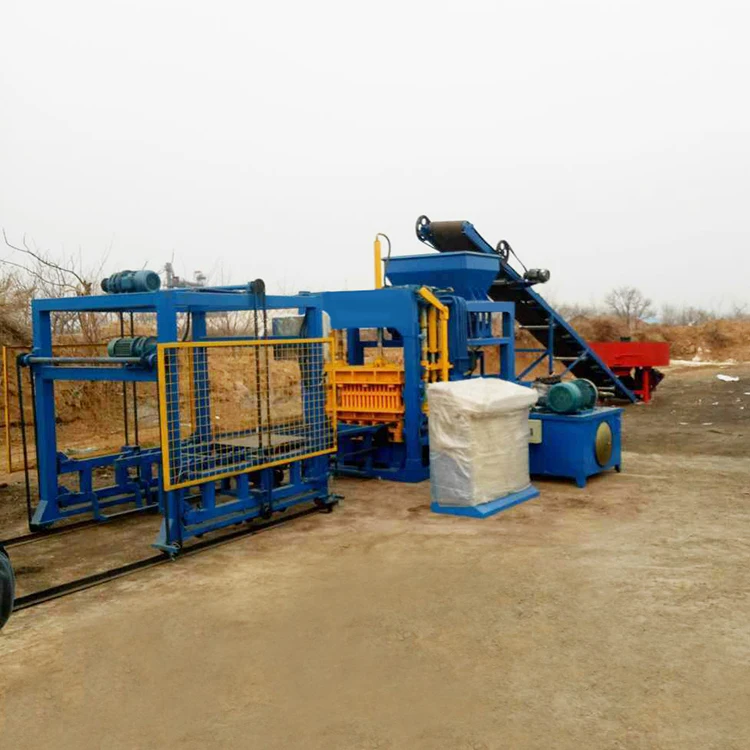
| Assembly State | Multi-station line (mixer, pallet conveyor, molding machine, block conveyor, hydraulic station, PLC console) |
| Voltage & Frequency | Configurable to destination grid (confirm before order) |
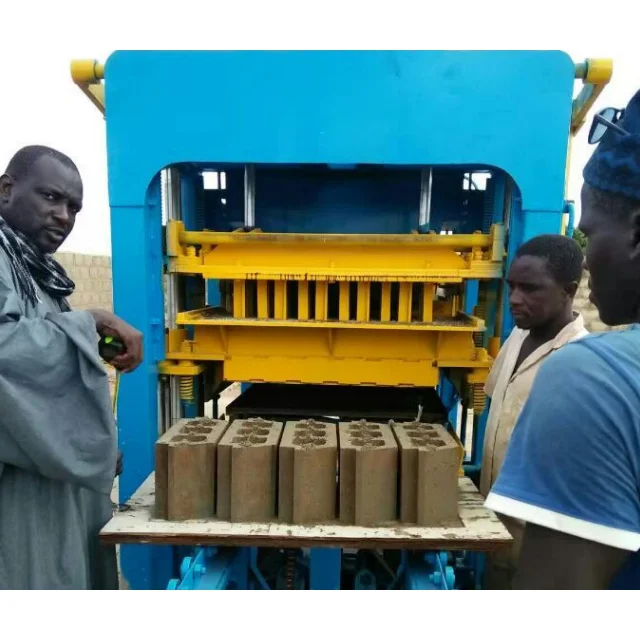
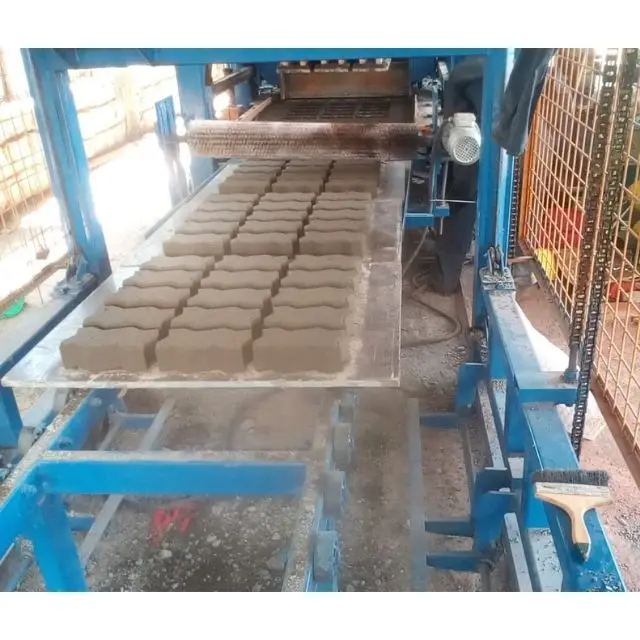
| Mould Compatibility | Hollow block, interlocking brick, paving block formats |
Application Suitability
| Application | Material or Output |
|---|---|
| Mid-scale concrete hollow block production | Crushed stone, cement, sand, and fly ash blends |
| Interlocking brick manufacturing for site contractors | Laterite, quarry dust, and cement mixes |
| Paving block runs for municipal and landscaping projects | High-strength aggregates with cement binder |
Why the Voltage Question Should Come Before the Price on a QT4-15 Automatic Block Machine in Stock
A stocked machine that cannot power up on arrival is not a fast delivery — it is a stranded asset.
I used to handle on-site installation for block lines, and I have watched a fully loaded container sit idle for weeks because the frequency and voltage did not match the local grid. Last year, an automatic line shipped to a region with a non-standard supply sat disconnected while the buyer sourced a step-down transformer. The project schedule slipped, and the contractor absorbed penalty costs. When buyers focus only on lead time, the electrical compatibility step gets compressed or skipped entirely [NEED_CITE: voltage and frequency standards by export market]. The QT4-15 automatic block machine in stock must be checked against destination grid specifications before it enters the container, not after it clears customs.
Dispatch Readiness and Container Loading
The QT4-15 is built as a multi-station assembly rather than a single monolithic press, which means the mixer, pallet conveyor, molding host, block conveyor, hydraulic station, and PLC console all need to be dismantled and arranged inside the container. Our dispatch team photographs every bolt pattern and connection point before teardown so that reassembly at the destination follows a documented sequence. Buyers receive the container loading plan — including which components go into a 20-foot or 40-foot high-cube container — before the machine leaves the yard.
Arrival Timing and Project Schedules
For contractors working against a construction deadline, knowing when the QT4-15 automatic block machine in stock will clear the port matters more than the factory lead time alone. We quote arrival estimates that factor in dispatch day, sea transit duration, and typical port handling windows. The molding cycle of 15–25 seconds is only useful once the line is bolted down, wired, and running [NEED_CITE: CE machinery directive requirements for industrial equipment]. Our role is to get the equipment to the site within the window the project demands, not to promise cycle times that assume conditions we have not verified.
How 16 MPa and Platform Vibration Translate to Block Density
The rated hydraulic pressure of 16 MPa works in combination with platform vibration to compact the concrete mix inside the mould cavity. Higher pressure alone does not guarantee block strength — the vibration frequency and amplitude must match the aggregate particle size in the buyer’s local mix. The 1020 x 570 mm pallet size determines how many blocks are formed per cycle and must align with the curing area dimensions and the forklift capacity the buyer already operates. A mismatch here means blocks are stacked manually or pallets sit unused because they do not fit the existing racks.
The Hidden Cost of Skipping Electrical Verification
When voltage and frequency are assumed rather than confirmed, the consequences show up at the most expensive possible moment — after ocean freight, customs clearance, and inland transport have all been paid. The PLC console will not boot, the hydraulic pump motor will draw incorrect current, and the vibration motors may burn out within hours if the supply is wrong. In humid tropical environments, incorrect voltage compounds insulation breakdown risks [NEED_CITE: electrical insulation standards for industrial motors in tropical climates]. Confirming the destination grid before the QT4-15 leaves our warehouse costs a few hours of verification work and prevents weeks of project delay.
Why Buyers Source This Machine Through Our Stock Channel
Block machinery is our single focus, which means the machine, mould, pallet, and handling equipment are specified as one matched system rather than assembled from mismatched suppliers. Every stocked QT4-15 automatic block machine in stock has its configuration checked against the buyer’s actual mix design and target block format before dispatch. We provide mould options for the formats the buyer’s local market actually sells, including custom drawings when standard moulds do not fit. Automation levels are selectable, so a buyer can take delivery of a semi-automatic configuration now and add automatic stacking later. Installation support includes operator training so the line is producing saleable blocks from the first shift [NEED_CITE: block machine installation and commissioning best practices].
Documentation & Verification
- Factory test record showing cycle performance on your specified block format before dispatch
- Voltage and frequency confirmation sheet matched to destination grid requirements
- Container loading photographs documenting dismantling sequence and securing method
- Hydraulic and electrical schematic package for on-site troubleshooting
- Wear parts and mould inventory list included with shipment
Installation, Commissioning & Support
- Foundation pad must support the 7100 x 1600 mm footprint with level tolerance for the molding host and conveyor frames
- Dedicated power circuit sized for the 27.5 kW overall load with correct voltage and frequency confirmed before connection
- Multi-station dismantling requires sequenced reassembly following the provided bolt-pattern photographs and schematic diagrams
- PLC console language and display settings configured to operator preference during commissioning
- First-run parameter tuning adjusts vibration duration and hydraulic dwell to match the buyer’s local aggregate and mix ratio
- Spare mould wear plates and hydraulic seals shipped with the initial order to cover the first replacement cycle
Preparing Your Inquiry
To move quickly from inquiry to dispatch confirmation, share your target block format and daily volume requirement so we can match the correct mould set to the stocked machine. Specify your site voltage and frequency along with the PLC display language your operators need. If you have an existing curing yard or forklift fleet, provide those dimensions so we confirm pallet compatibility before loading.
Frequently Asked Questions
Q: Which QT4-15 configurations are currently available for immediate dispatch?
A: Stocked units ship as complete multi-station lines including the mixer, pallet conveyor, molding host, block conveyor, hydraulic station, and PLC console. Standard hollow block, interlocking, and paving block moulds are available from inventory. Custom mould formats require a short production window, which we quote against your project deadline before confirming the dispatch date.
Q: How is the QT4-15 dismantled for container loading?
A: Each station — mixer, conveyors, hydraulic unit, and PLC console — is unbolted and secured individually inside the container. We document every connection point with photographs before teardown. Reassembly at destination follows this photo sequence, and our team provides remote or on-site guidance depending on the service package selected.
Q: How do you confirm cycle time for my specific block format?
A: The published 15–25 second molding cycle is a range that depends on block thickness, material density, and mix composition. We run a factory test using your specified format and aggregate profile to establish a realistic cycle time, then calculate daily output based on your operating hours and curing capacity.
Q: Can voltage and PLC language be confirmed before the machine ships?
A: Yes. We require destination voltage, frequency, and preferred PLC display language before the unit enters final inspection. The electrical schematic and control settings are locked to your specification so the machine powers up correctly on arrival without needing a transformer or software reload.
Q: Are spare parts and backup moulds included in the shipment?
A: Each dispatch includes a wear parts list covering hydraulic seals, vibration motor brushes, and mould wear plates sized for the initial operating period. Backup moulds ship in the same container when ordered together. We quote subsequent spare parts orders with lead times aligned to your production schedule.