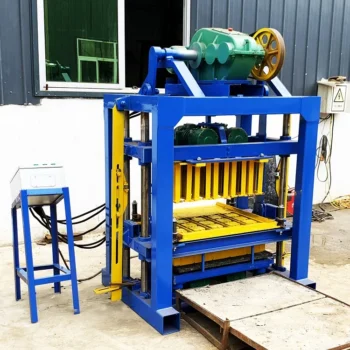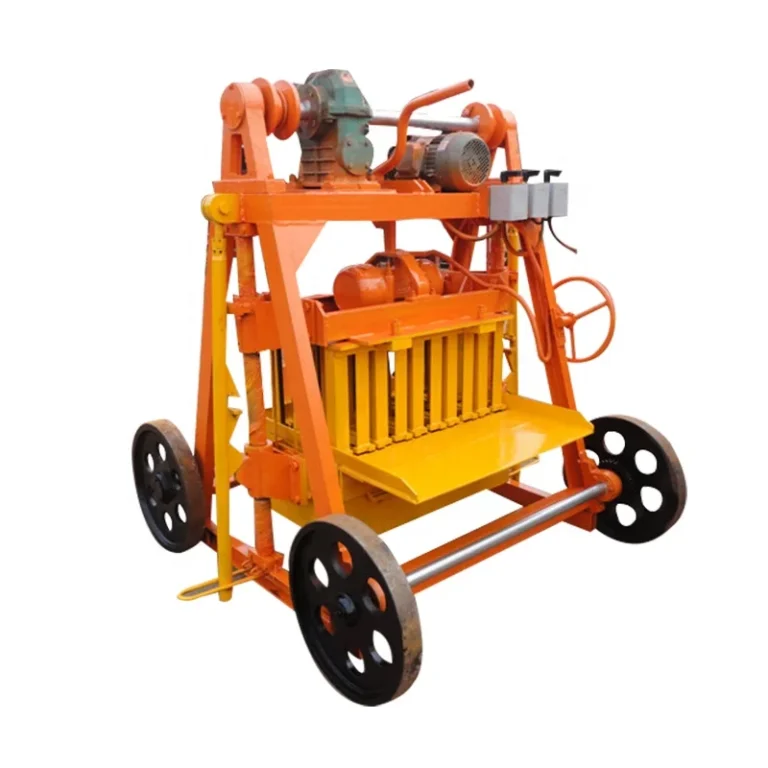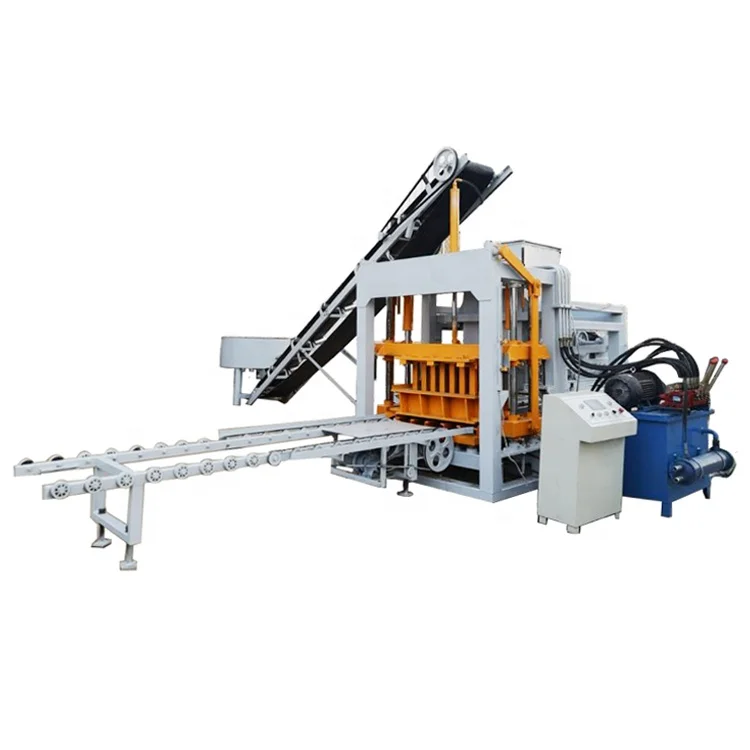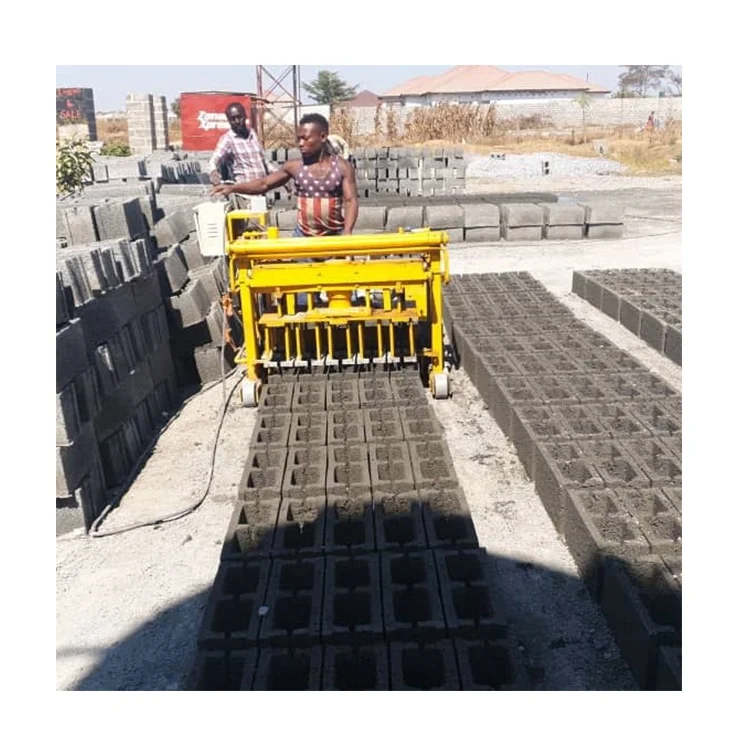
Description
Dispatch-readiness verified — every QT4-15 unit is voltage-checked, language-set, and factory-run on the buyer’s pallet size before it leaves the workshop, so arrival delays from unconfirmed electrical specs do not happen on our watch.
Technical Specifications
| Parameter | Value |
|---|---|
| Model | QT4-15 |
| Product Type | Hydraulic Block Making Machine |
| Molding Cycle | 15-30s |
| Pallet Size | 900x500mm |
| Vibration Type | Platform vibration |
| Vibration Frequency | 50-70Hz |
| Product Height Range | 50-220mm |
| Overall Power | 24.5kW |
| Demolding Method | Hydraulic |
| Control System | PLC controlled |
| Block Compressive Strength | More than 15 MPa |
| Automation Level | Automatic (pallet feeding, material feeding, vibrating, demoulding) |
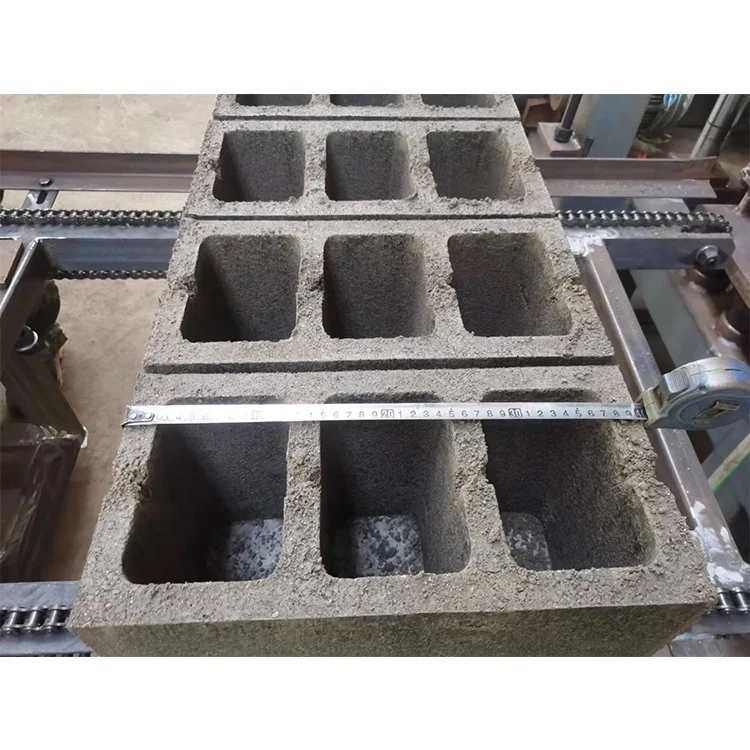
| Output Capacity (Hollow Block 400x200x200mm) | 900-1200 pcs/h (basis: 4 pcs/mould, 15-20s cycle) |
| Output Capacity (Hollow Block 400x150x200mm) | 1080-1440 pcs/h (basis: 5 pcs/mould, 15-20s cycle) |
| Output Capacity (Hollow Block 400x100x200mm) | 1440-1920 pcs/h (basis: 8 pcs/mould, 15-20s cycle) |
| Output Capacity (Paver 200x100x60mm) | 2880-3840 pcs/h (basis: 16 pcs/mould, 15-20s cycle) |
| Output Capacity (Solid Brick 240x115x53mm) | 5930-6720 pcs/h (basis: 28 pcs/mould, 15-20s cycle) |
| Raw Materials | Flyash, slag, gangue, sand, crushed stone, cement, water |
| Voltage & Frequency | Configurable per destination (basis not stated in source — confirm with buyer) |
| Hydraulic Pressure | (basis not stated in source — verify against manufacturer catalog) |
| Vibration Force | (basis not stated in source — verify against manufacturer catalog) |
Application Suitability
| Application | Material or Output |
|---|---|
| Medium-scale hollow block production | Flyash, slag, or gangue blended with sand, crushed stone, and cement |
| Solid brick manufacturing for local masonry markets | Crushed stone and cement mixes yielding above 15 MPa compressive strength |
| Paver and interlocking block runs for landscaping projects | Fine aggregate and cement combinations with platform vibration compaction |
| On-site block production for housing and infrastructure contractors | Locally sourced sand and stone with industrial residue supplementation |
What "900 Pieces per Hour" Actually Means on Site
Capacity only matters when you know exactly which block format produced that number.
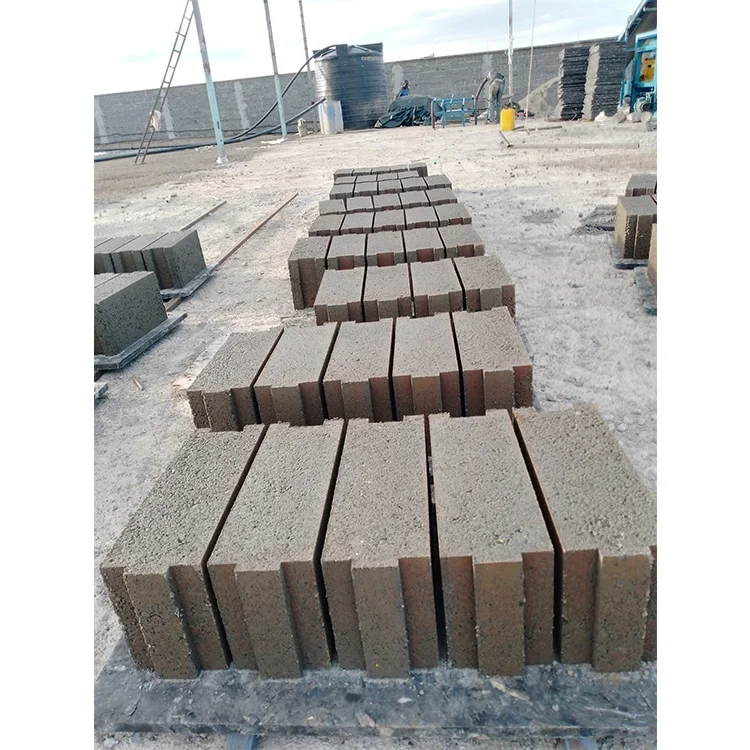
The QT4-15 hydraulic block making machine in stock is often quoted at a single headline figure, but that figure assumes a specific mould, a specific cycle time, and a specific mix. In practice, a buyer who orders based on a hollow block capacity number and then switches to solid brick for half the week will see daily totals shift considerably. I have walked onto sites where the machine was running fine, but the owner felt cheated because the quotation promised a number that only applied to one format at the shortest cycle. The honest approach is to state output per format with the mould cavity count and cycle range, which is exactly what the table above does for the QT4-15. This way, a project contractor planning a housing development can calculate how many weeks of hollow block production and how many days of paver runs the schedule actually requires [NEED_CITE: realistic block plant capacity planning by format].
Stocked Units Ready for Container Loading
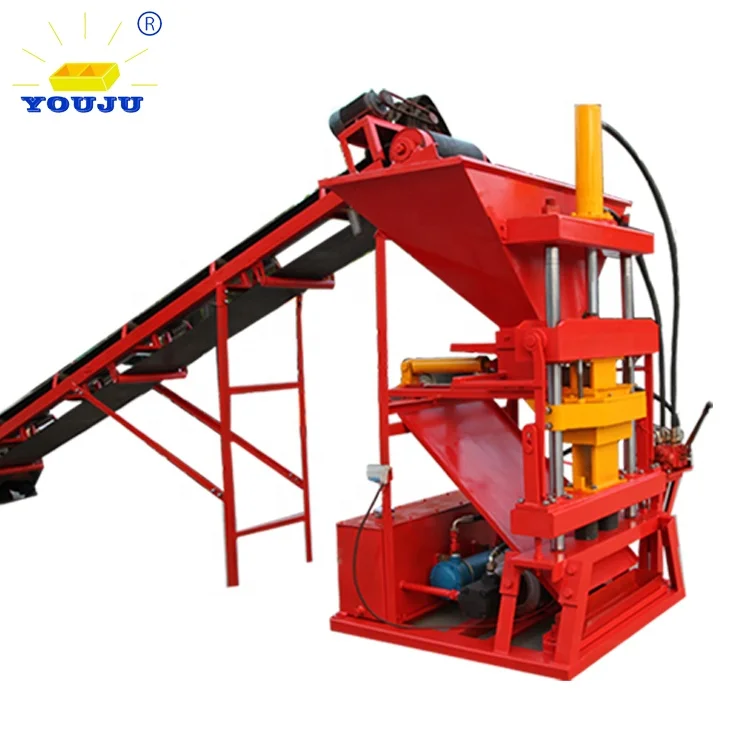
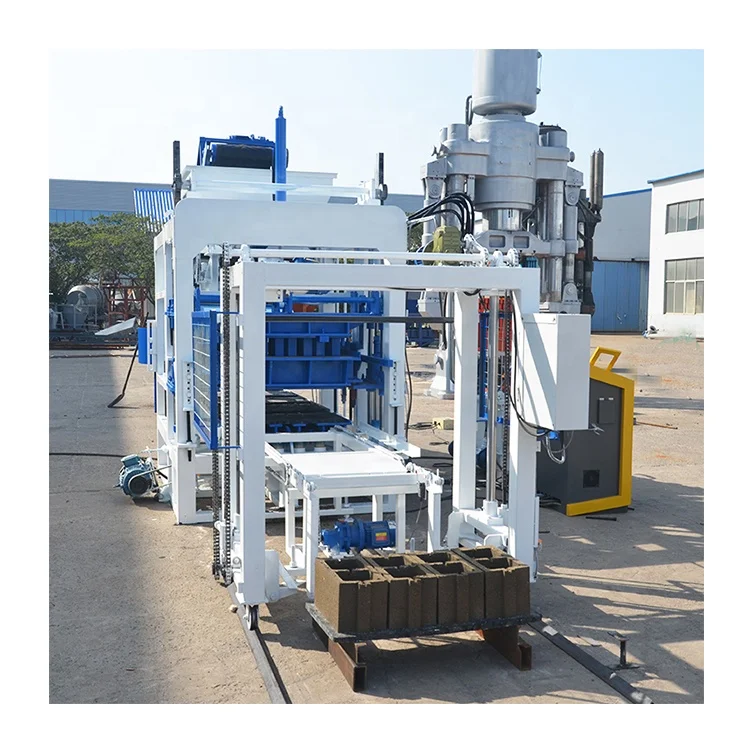
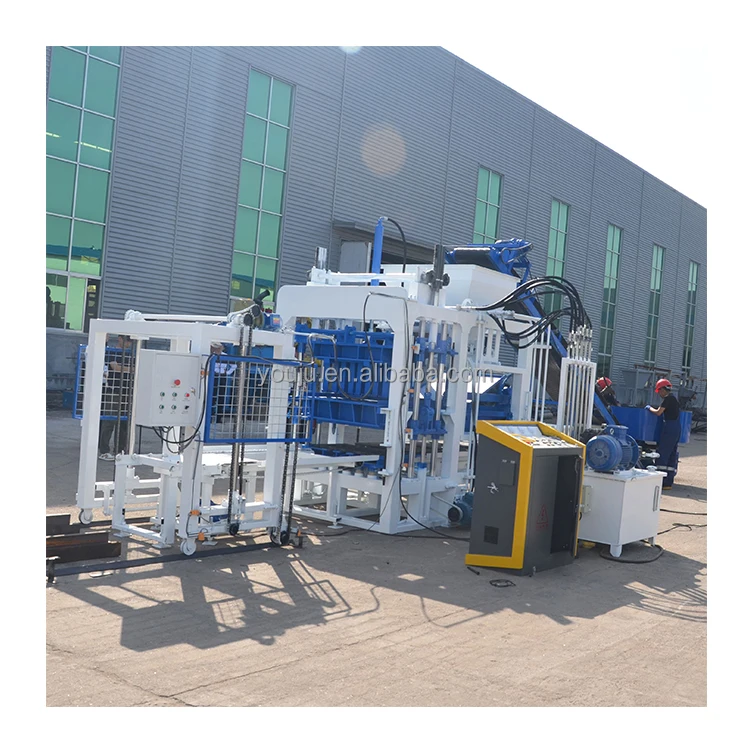
The QT4-15 hydraulic block making machine in stock is held as a complete press unit with standard mould options, meaning the dispatch timeline is measured in days for preparation rather than weeks for fabrication. Before release, the machine is dismantled into shipping configuration — press frame, hydraulic station, and control cabinet separated for container stowage — and a loading plan is drawn so the buyer knows which container size is required. This matters when a construction project has a foundation deadline and the block machine must be producing on site within a fixed window.
Voltage and Frequency Confirmed Before the Crate Closes
I learned the hard way that a stocked machine shipped without final voltage confirmation can destroy its own hydraulic pump motor within minutes of first power-up. One QT4-15 dispatched to a West African site was wired for a supply frequency that did not match the local grid, and the motor burned before the first test block was pressed. Replacement parts took weeks by air [NEED_CITE: industrial motor failure from frequency mismatch in export markets]. Since then, every stocked unit goes through a voltage, frequency, and PLC display language verification against the buyer’s confirmed destination standard before it is cleared for dispatch. The QT4-15 hydraulic block making machine in stock is no exception — this checkpoint is non-negotiable regardless of how urgently the buyer needs shipment.
How Pressure and Vibration Shape Block Density
The QT4-15 uses hydraulic demoulding combined with platform vibration at 50-70Hz to compact the raw material mix inside the mould cavity. The vibration frequency settles the aggregate particles into a dense arrangement, while the hydraulic system applies the pressing force that locks that arrangement in place before demoulding. Together, these two forces determine whether the finished block reaches the rated compressive strength of more than 15 MPa or falls short. A mix with higher flyash content may require a longer vibration dwell to achieve the same density as a mix dominated by crushed stone. The 900x500mm pallet size sets the mould footprint, and the 50-220mm product height range covers everything from thin pavers to tall hollow blocks, but the actual block quality on any given day depends on matching vibration time and hydraulic pressure to the specific mix the buyer is feeding.
When the Wrong Pallet Size Derails the Whole Line
A pallet that does not match the buyer’s existing curing racks and forklift tines forces the plant to either replace all curing infrastructure or handle blocks manually off the machine — both of which erase the speed advantage of an automatic press. The QT4-15 runs on a fixed 900x500mm pallet, and this dimension must align with the curing area layout and the material handling equipment already on site. I have seen plants receive a machine only to discover their forklift forks were spaced for a different pallet width, meaning every loaded pallet had to be repositioned by hand before it could be moved to the curing yard [NEED_CITE: pallet handling mismatches in block plant operations]. Confirming pallet size against site infrastructure before the machine ships is a simple step that prevents weeks of manual workaround.
Why Buyers Source This Machine Here
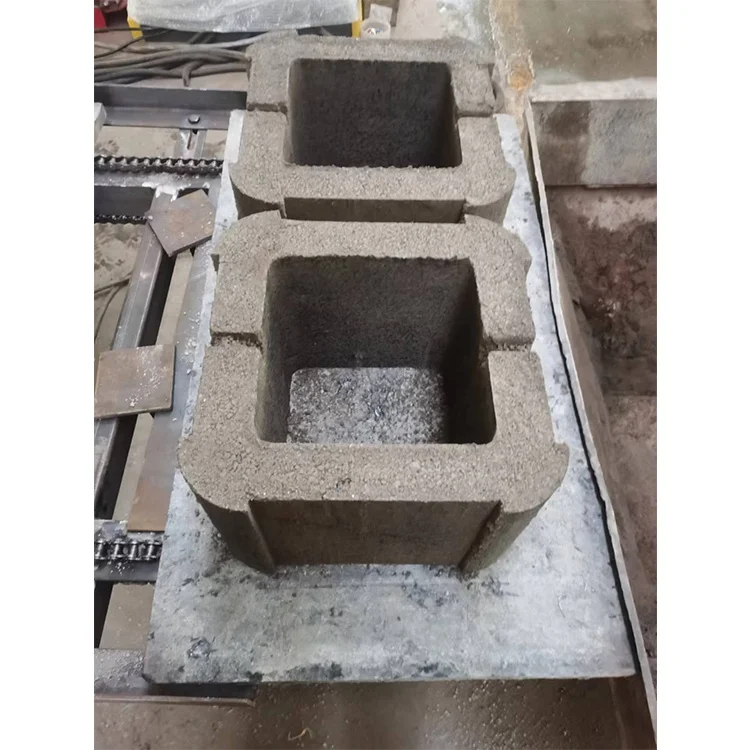
Block machinery is our single focus, which means the QT4-15 press, its moulds, pallets, and handling equipment are specified as one matched system rather than assembled from unrelated suppliers. Stock status and dispatch lead time are confirmed in writing before the order is placed, so buyers working against project deadlines can plan receiving logistics with certainty. The factory test runs the actual pallet size and produces block samples that ship with the machine, giving the buyer physical evidence of what the QT4-15 produces on their chosen format before it ever leaves the workshop. Installation support includes operator training on the PLC sequence and mould change procedure, and wear parts availability is confirmed at the time of order so the first replacement cycle does not become an unplanned shutdown.
Documentation & Verification
- Factory test record showing block samples from the buyer’s selected mould format
- Dispatch lead time and container loading plan confirmed in writing before order
- Voltage, frequency, and PLC display language verification sheet signed off pre-shipment
- Machine specification sheet with pallet size and automation scope itemized
- Mould drawing and format list covering all cavity counts per block type
- Packing photographs documenting dismantling and container stowage arrangement
Installation, Commissioning & Support
- Foundation pad sized for the QT4-15 press footprint and vibration isolation requirements
- Dedicated electrical circuit rated for 24.5kW overall power draw with correct voltage and frequency
- Machine reassembly from shipping configuration with hydraulic station and control cabinet reconnection
- PLC parameter setup for cycle timing across all installed mould formats
- Operator training covering automatic pallet feeding, material dosing, vibration, and hydraulic demoulding sequence
- Wear parts list supplied at commissioning with reorder lead times confirmed
Planning Your Dispatch Timeline
To move from inquiry to confirmed shipping date, we need the target block formats and daily volume requirement, the local voltage and frequency standard at the destination site, and the PLC display language preference. If the buyer has existing curing racks or forklifts, their dimensions help verify pallet compatibility before the unit is released from stock.
Frequently Asked Questions
Q: Is the QT4-15 currently in stock and what is the dispatch lead time?
A: Stock status is confirmed in writing at the time of inquiry. Once voltage, frequency, and control language are verified against the destination, the unit is prepared for container loading. Dispatch lead time covers this preparation and testing phase, not a production build cycle, so the timeline is considerably shorter than a made-to-order machine.
Q: How is the machine packed and loaded into a container for shipment?
A: The QT4-15 is dismantled into shipping configuration with the press frame, hydraulic station, and control cabinet separated for stowage. A container loading plan is provided so the buyer can arrange port receiving and inland transport. Dismantling is done so reassembly on site follows a clear sequence.
Q: What voltage and frequency options are available for immediate dispatch units?
A: Voltage and frequency are set to match the buyer’s confirmed destination grid standard before the machine is released. This is verified in writing prior to dispatch so the hydraulic pump motor and PLC operate correctly on first power-up at the site.
Q: What is the estimated arrival time from order to destination port?
A: Arrival time depends on the destination port and shipping route. Once dispatch date and vessel booking are confirmed, a transit estimate is provided so the buyer can schedule site preparation and receiving equipment around a known arrival window.
Q: Are standard moulds included in the stocked unit or ordered separately?
A: Standard mould formats such as hollow block, solid brick, and paver can be included with the stocked QT4-15 unit. The specific mould set is confirmed during the order process so the factory test runs the buyer’s required formats before shipment.