
Description
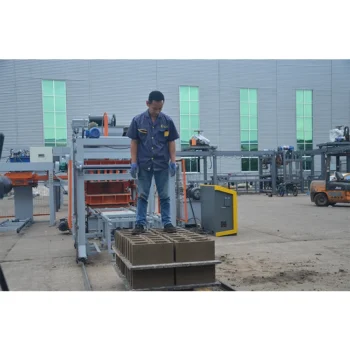
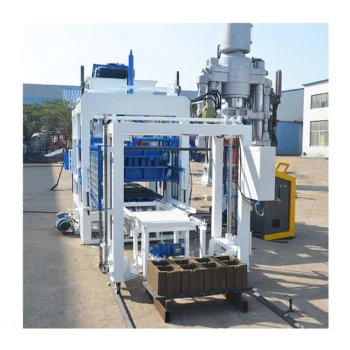
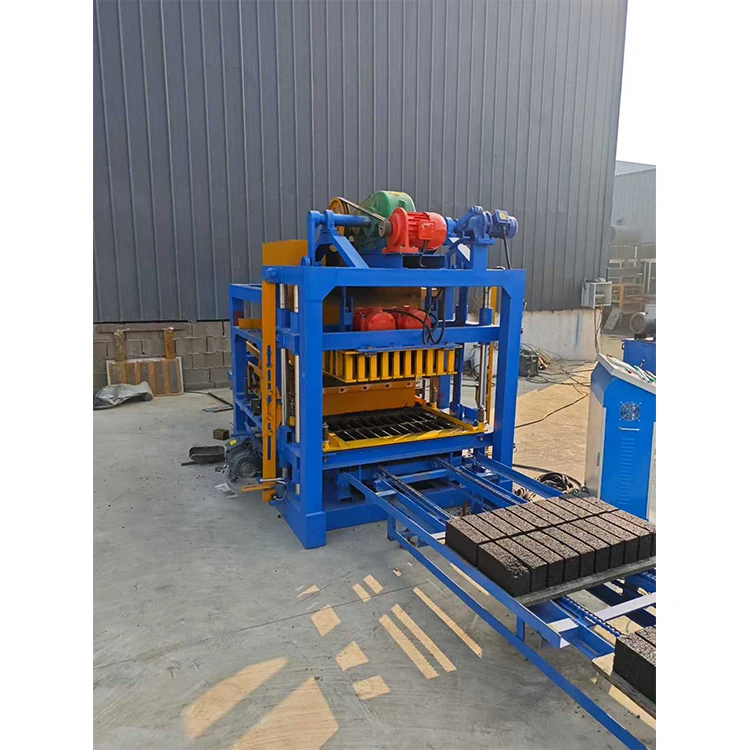
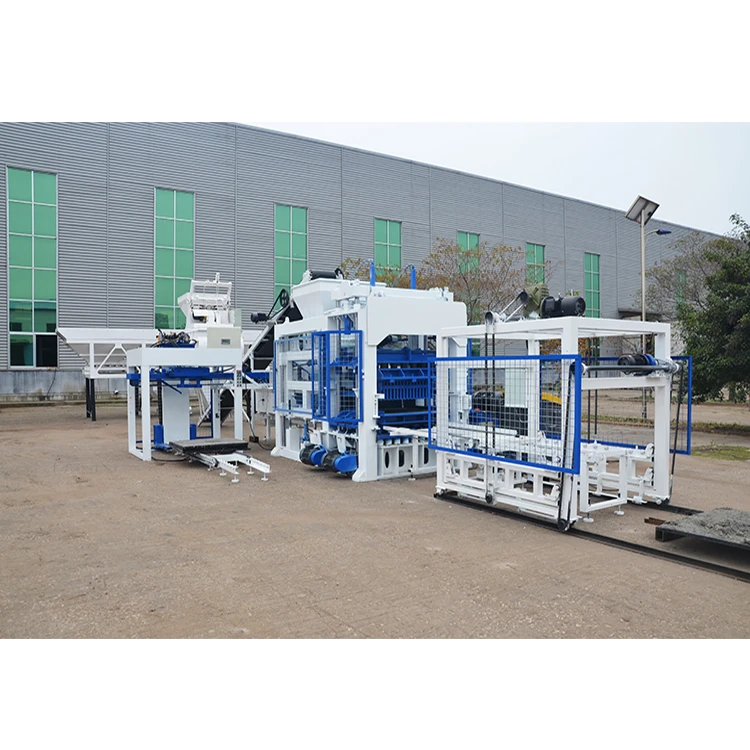
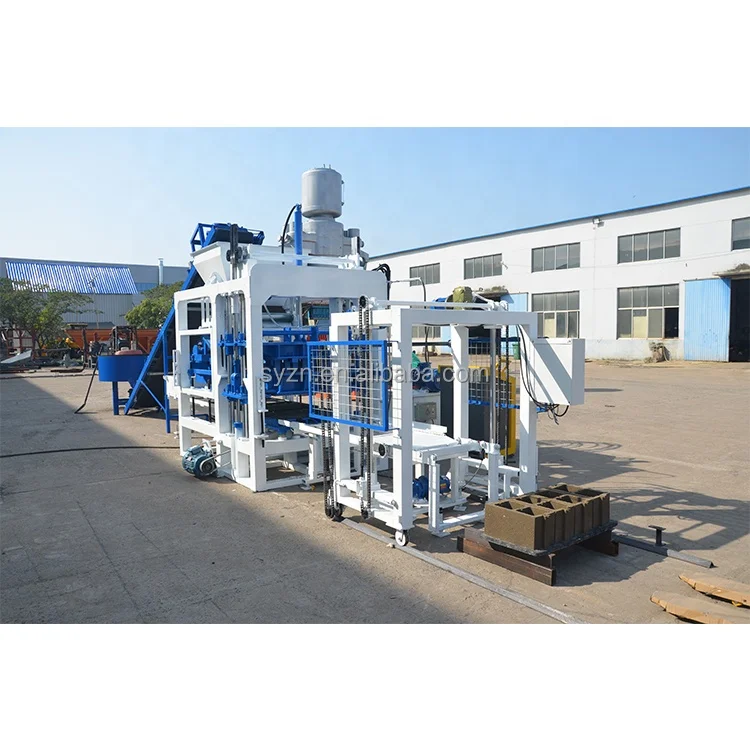
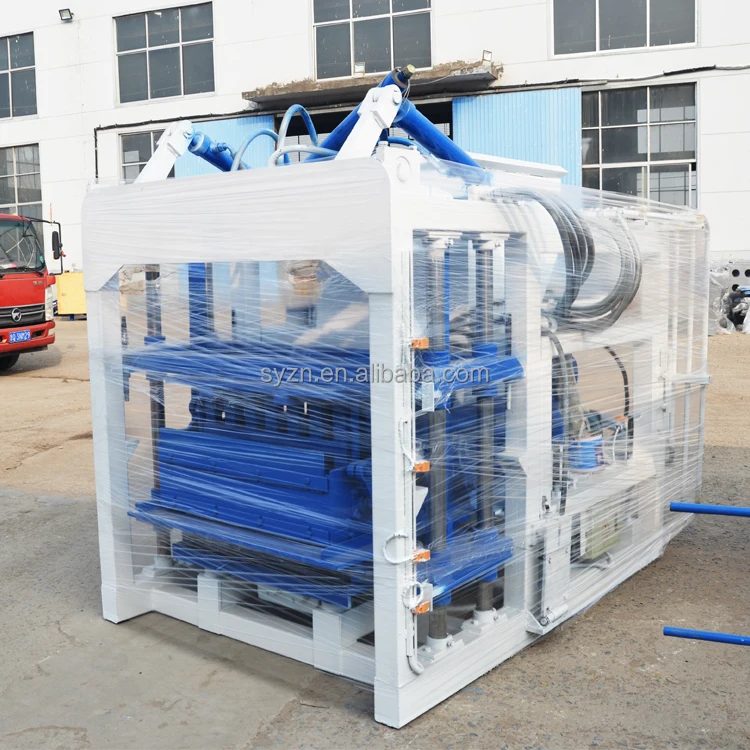
Stocked line configuration — the QT4-15A ships as a complete batching-to-stacking set packed into one 20 ft container so project-deadline buyers receive a dispatch date, not a production schedule.
Technical Specifications
| Parameter | Value |
|---|---|
| Model | QT4-15A |
| Product Type | Fully Automatic Hydraulic Hollow Block Making Machine |
| Overall Dimensions (L×W×H) | 7100×1700×2610 mm |
| Main Vibration Form | Platform vibration |
| Vibration Frequency | 4600 r/min |
| Exciting Force | 35.5 kN |
| Rated Hydraulic Pressure | 16 MPa |
| Pallet Size | 900×500×25 mm |
| Molding Cycle | 15–20 s |
| Rated Power | 25.7 kW |
| Control System | Electro-mechanical integration (PLC model/language to be confirmed) |
| Voltage & Frequency | 380 V / 3-phase / 50 Hz (customizable to buyer’s local grid) |
| Automation Level | Fully automatic |
| Stacking Method | Automatic stacker included |
| Line Configuration | Main block machine, mixer, belt conveyor, automatic stacker, automatic pallet feeder, batching plant, cement silo |
| Container Loading | Whole line fits in one 20 ft container (verify against final packing list) |
| Warranty | 1 year (excluding wearing parts) |
| Output Capacity | Basis to be confirmed — depends on block format, material, and thickness |
Application Suitability
| Application | Material or Output |
|---|---|
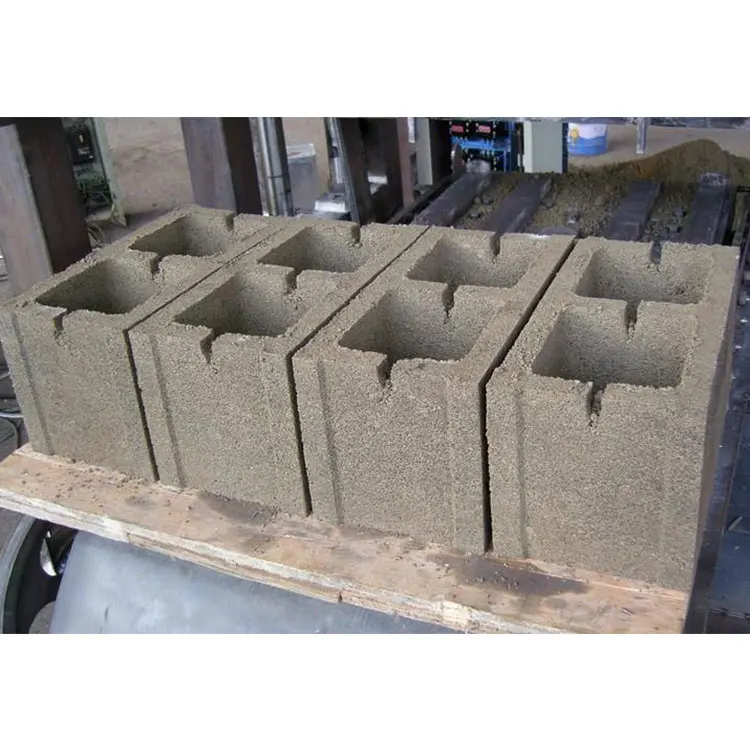
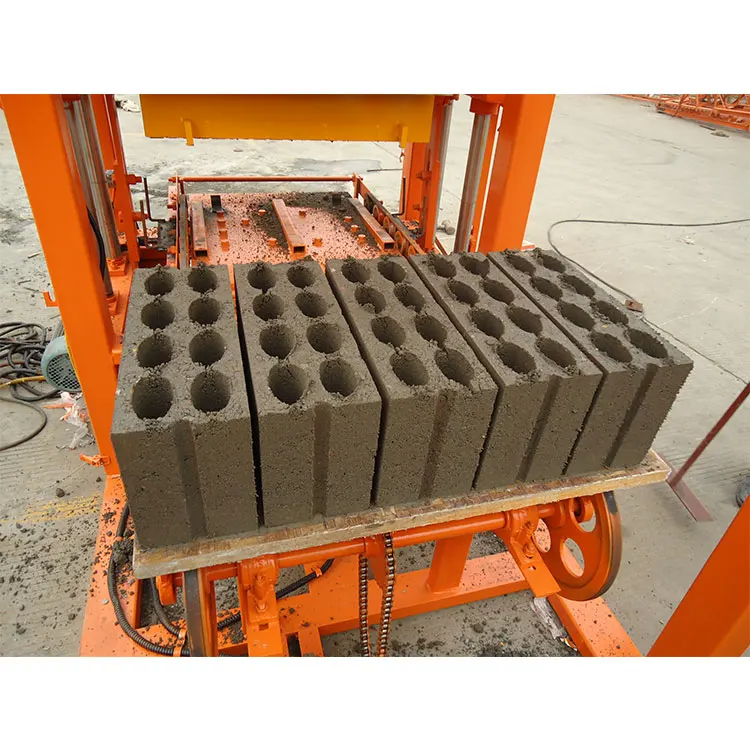
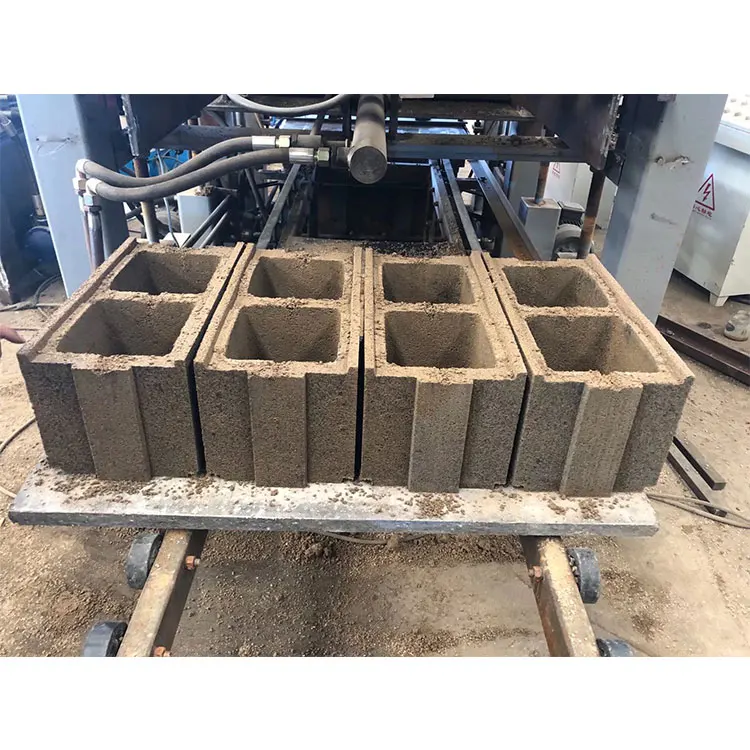
| Hollow block production for housing projects | Crushed stone, sand, cement, and water |
| Solid block manufacturing for load-bearing walls | Dense aggregate mixed with cement binder |
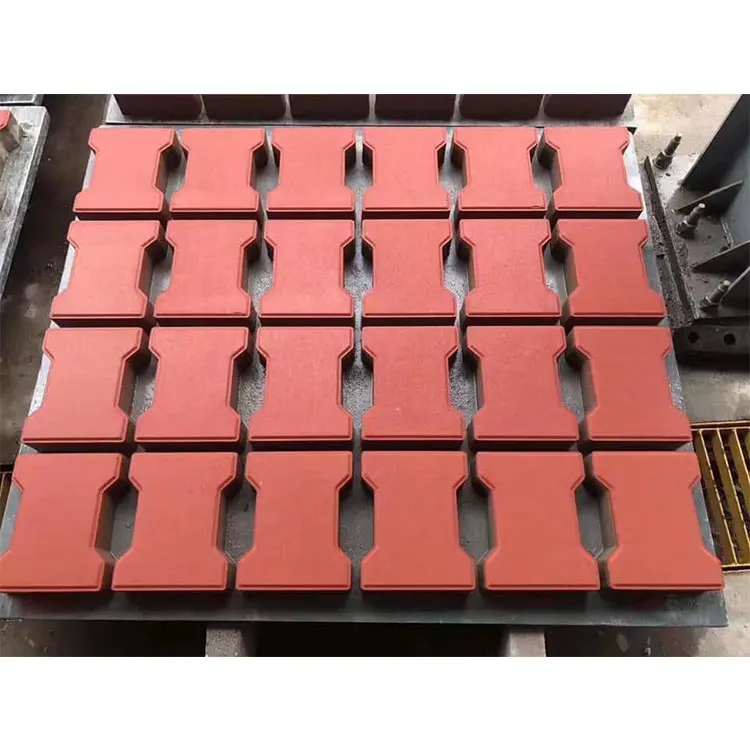
| Paving block production for walkways and yards | Fine aggregate and cement with pigment options |
| On-site contractor block production | Local quarry material validated before dispatch |
| Building material distributor format expansion | Exchangeable moulds for multiple block types |
Why "Ready to Ship" Matters More Than the Cycle Time
Buyers racing a construction deadline often discover that a quoted molding cycle means little when the factory needs eight weeks just to start building the machine. The QT4-15A automatic block machine in stock eliminates that gap — the line is assembled, tested, and crated before you sign, so the clock starts on shipping logistics instead of manufacturing lead time.
A project contractor in East Africa once committed to a housing phase start date based on a supplier’s promised dispatch window, only to learn the machine was still in component inventory [NEED_CITE: typical lead time discrepancies in block machine procurement]. The site sat idle for weeks while crews waited. When a block line is physically on the floor and packed for container loading, the arrival estimate becomes a calendar date rather than a projection. That difference determines whether your first blocks cure in time for the masonry schedule or delay every trade downstream.
Container Loading and Dispatch Timing
The complete QT4-15A line — main press, mixer, belt conveyor, automatic stacker, pallet feeder, batching plant, and cement silo — is dismantled and arranged to load into a single 20 ft container. This packing arrangement means one customs clearance, one port collection, and one unpack sequence at your site. Dispatch lead time is quoted against the current stock position on the warehouse floor, not against a production-start estimate. Buyers working to a project deadline can see exactly how many days stand between order confirmation and container release.
Arrival Estimates Quoted Against Your Port
Shipping timelines depend on destination, carrier rotation, and inland haulage availability. The QT4-15A automatic block machine in stock is quoted with an arrival estimate matched to your named port of discharge, so you can work backward from a commissioning date rather than guessing at transit windows [NEED_CITE: ocean freight transit variability to African and Southeast Asian ports]. Inland transport from port to site can be arranged or left to the buyer’s local haulier — either way, the port arrival date anchors the project plan.
Matching Vibration Force to Your Aggregate
Platform vibration at 4600 r/min delivers the frequency needed for consistent compaction, but vibration alone does not determine block density. The 16 MPa hydraulic pressure and 35.5 kN exciting force work together to compress the mix during the molding cycle. A lightweight volcanic aggregate requires different pressure and vibration settings than crushed granite, and the machine parameters should be confirmed against a sample of your actual raw material. This is why a mix trial using your local stone and sand must precede final dispatch — otherwise block strength will fall short regardless of the machine’s rated capacity.
What Happens When Voltage Confirmation Gets Skipped
A fully automatic line sitting idle at a job site because the local grid runs at 60 Hz while the motor was wound for 50 Hz is a costly and surprisingly common delay. The QT4-15A is configurable for buyer-specific voltage and frequency, but that configuration must be locked before the motor and transformer are fitted at the factory [NEED_CITE: industrial motor failure rates caused by voltage mismatch]. The PLC display language is another detail that defaults to a standard setting unless the buyer specifies otherwise. Confirming these electrical and control parameters before dispatch prevents the most frequent reason new machines sit uncommissioned after arrival.
Why Buyers Source This Line Here
The line ships as a matched system — press, mixer, stacker, pallet feeder, and batching plant specified together rather than assembled from separate suppliers. This means cycle times across stations are balanced so the press is not left waiting for pallets or mix. Configuration is set against the buyer’s actual block format and local aggregate, not a catalogue default. Mould design covers the formats the buyer’s market sells, with custom drawings available for non-standard sizes. The automation level starts at fully automatic and includes the stacker, so output handling does not revert to manual labor. Installation support covers commissioning and operator training at the buyer’s site, and wearing parts and mould replacements are stocked for dispatch without a second production cycle.
Documentation & Verification
- Line layout showing station spacing and curing rack flow for the QT4-15A footprint
- Capacity calculation stating the exact block format and mix assumed in daily output
- Factory test record run on the buyer’s specified aggregate before container loading
- Voltage, frequency, and PLC language confirmation sheet signed before dispatch
- Hydraulic and electrical schematic matching the as-built configuration
- Packing photograph set showing dismantling arrangement inside the 20 ft container
Installation, Commissioning & Support
- Foundation must accommodate the 7100×1700 mm press footprint plus mixer and silo spacing
- Dedicated 3-phase circuit rated for the 25.7 kW total load with voltage confirmed pre-dispatch
- Line arrives dismantled — reassembly sequence follows the included layout drawing
- Commissioning includes vibration frequency and hydraulic pressure calibration on local mix
- Operator training covers mould change procedure and pallet feeder synchronization
- Wearing parts list shipped with machine to plan first replacement order timing
Before You Send the Inquiry
To receive a meaningful dispatch date and arrival estimate, share your target block format and dimensions, the local aggregate type available near your site, and your destination port. Include your site voltage and frequency so the motor and controls can be matched before the machine leaves the floor. If you have an existing curing yard or forklift, note the pallet dimensions you already handle so the 900×500 mm pallet system can be evaluated for compatibility.
Frequently Asked Questions
Q: Which QT4-15A units and mould sets are in stock right now, and how fast can they ship?
A: Current stock position is confirmed at the time of inquiry, including which mould formats are on the floor and ready to pack. Dispatch lead time is quoted in days from order confirmation, based on physical inventory rather than a production schedule. Mould sets beyond those in stock require a separate lead time for machining.
Q: How is the full line packed into one 20 ft container and what reassembly is needed?
A: The press, mixer, stacker, pallet feeder, and batching components are dismantled and arranged in a container loading plan that is shared with the buyer before sealing. At destination, reassembly follows the included layout drawing, with station spacing and belt conveyor alignment set during commissioning.
Q: Can the arrival estimate include inland transport to my project site?
A: Arrival estimates are quoted against your named port of discharge based on current shipping schedules. Inland haulage from port to site can be included if the buyer provides the final delivery address and road access conditions, or managed independently by the buyer’s local transport contractor.
Q: What if my site voltage is not 380 V / 50 Hz — can that be changed before dispatch?
A: Voltage and frequency are configurable before the machine leaves the factory, provided the buyer confirms local grid specifications during the inquiry stage. The PLC display language is also confirmed at this point so operators can read controls in their working language from day one.
Q: Which wearing parts and moulds come with the machine so I can plan ahead?
A: A wearing parts list and mould inventory sheet ship with every line, detailing what is included and what will need replacement based on operating hours. This allows buyers to schedule a first spare parts order without waiting for the initial set to fail on site.