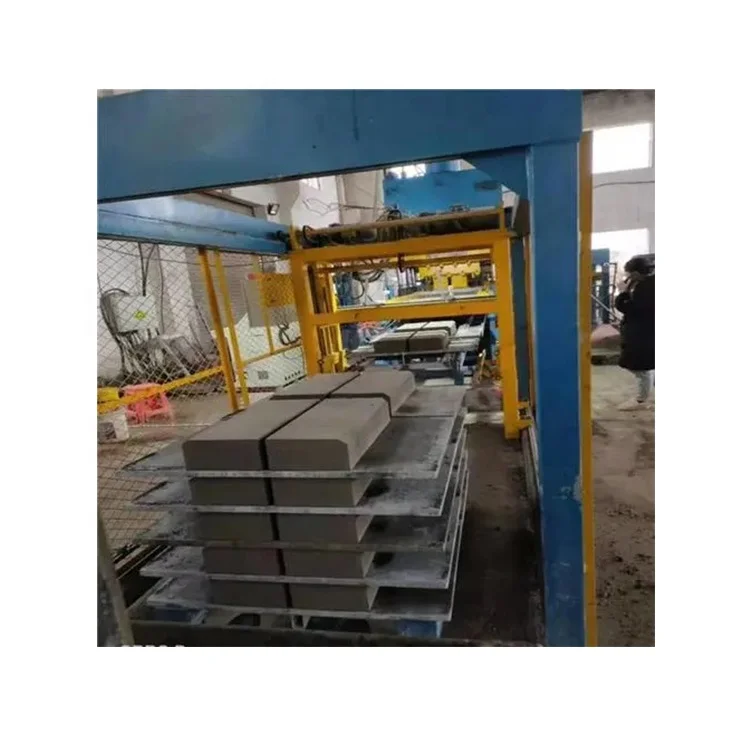
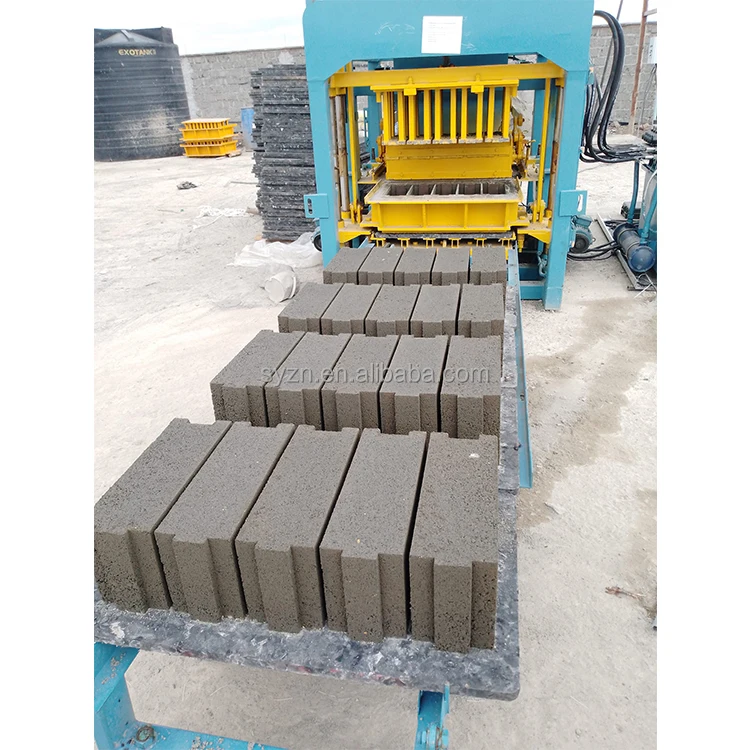
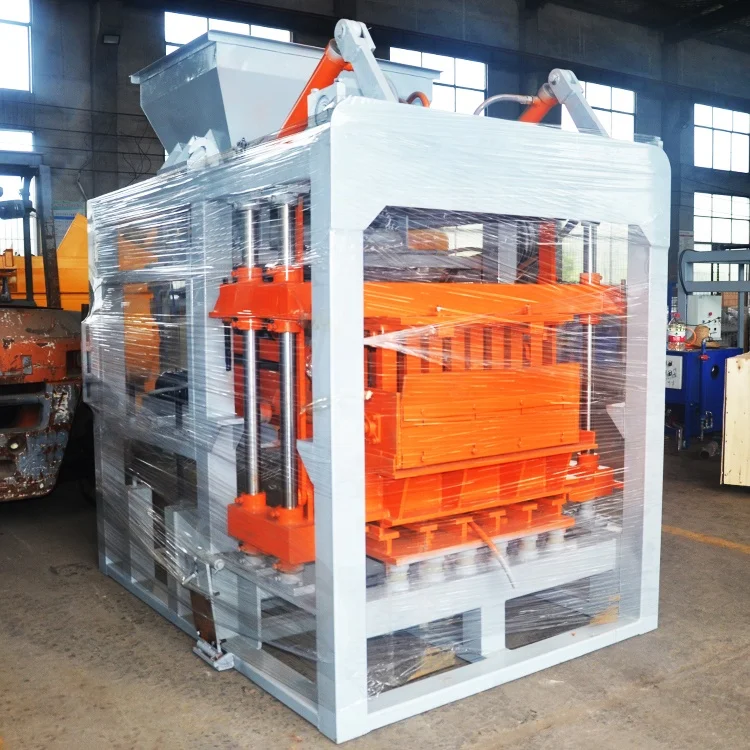
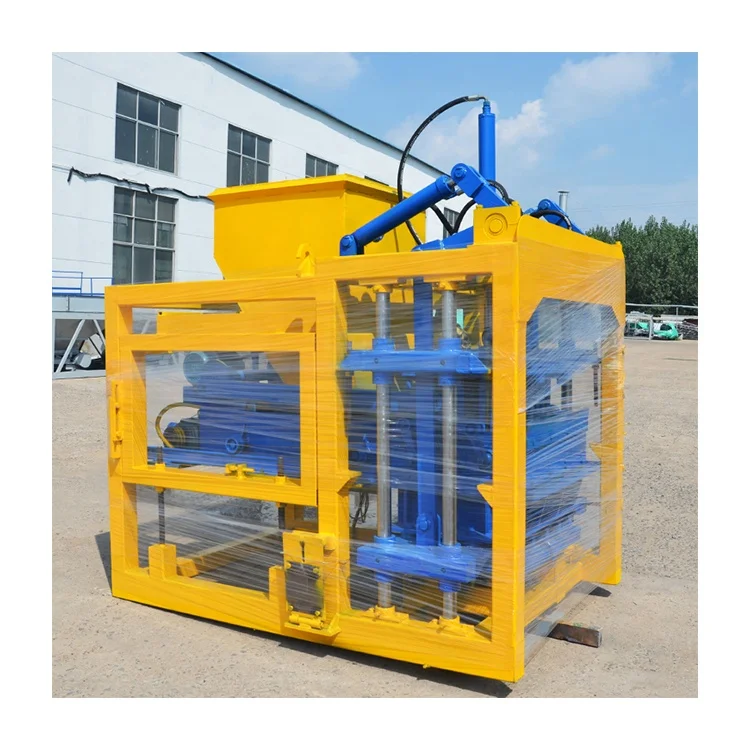
Description
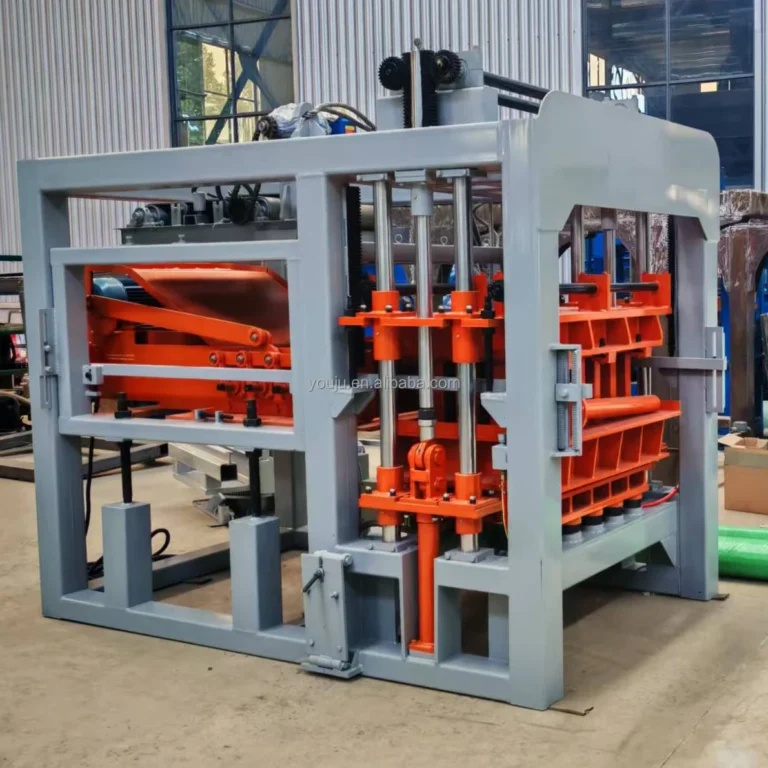
Stock Dispatch Confidence — the QT4-15A block machine in stock ships as a complete matched system, with container loading and arrival timing confirmed before you commit, so your project deadline dictates the schedule, not factory backlog.
Technical Specifications
| Parameter | Value |
|---|---|
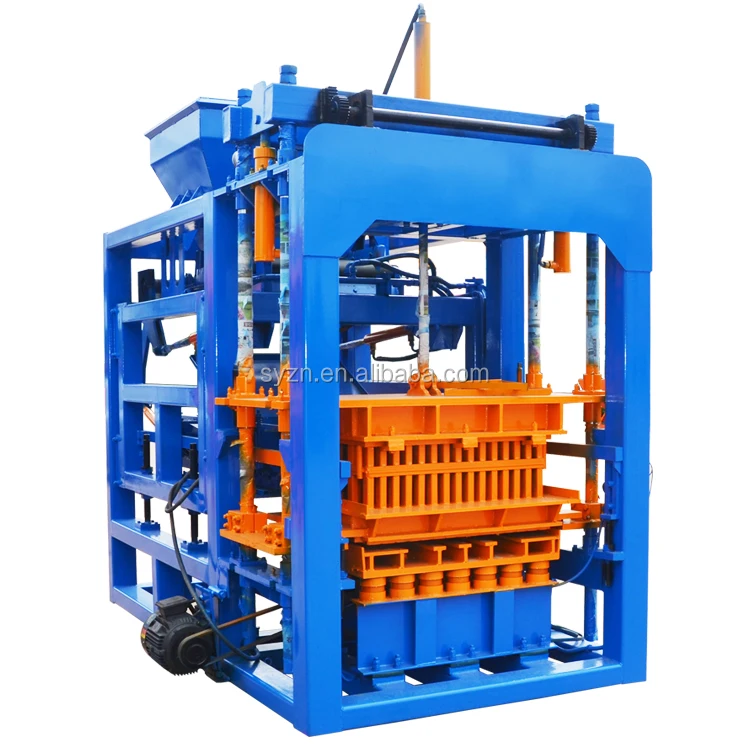
| Product Type | Hydraulic Block Making Machine |
| Model | QT4-15A |
| Overall Dimensions | 7100 × 1600 × 2610 mm |
| Molding Cycle | 15–25 s (basis to be confirmed by block format and material) |
| Vibration Frequency | 4600 r/min |
| Vibration Force | 40–50 kN |
| Rated Power | 18.45 kW |
| Mixer Model | JQ350 |
| Pallet Size | 850 × 550 × 25 mm |
| Total Weight | 3 T |
| Control System | PLC control system |
| Hydraulic System | Hydraulic station included |
| Automation Level | Semi-automatic with PLC and pallet feeder |
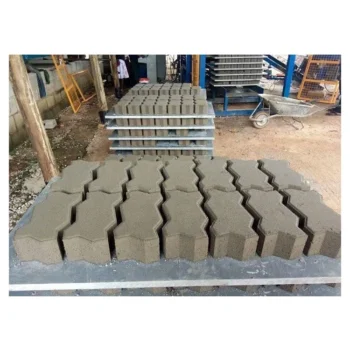
| Applied Products | Paver, solid block, hollow block, curbstone (via mould change) |
| Raw Materials | Crushed stones, sand, cement, dust, fly ash |
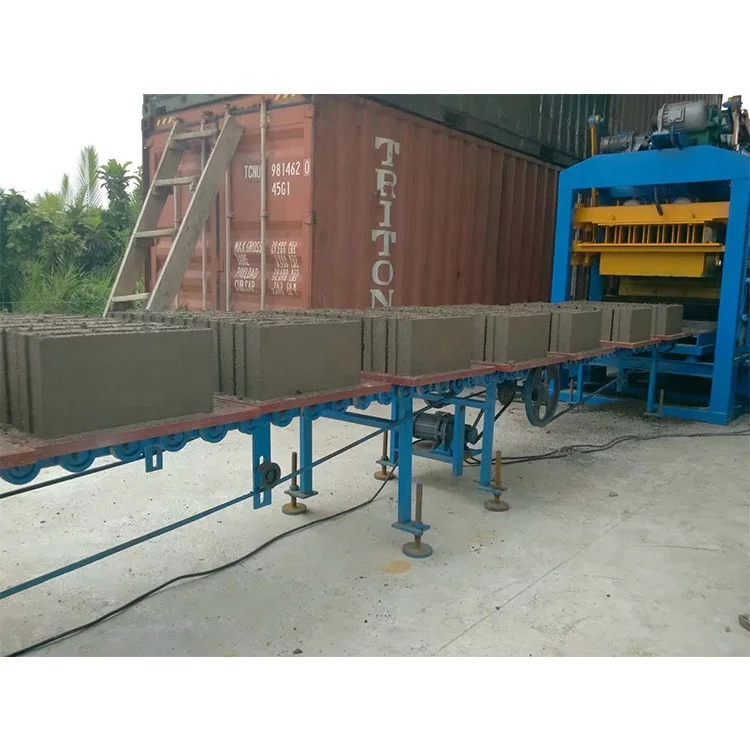
| Included Equipment | Block making machine, hydraulic station, PLC control, pallet feeder, brick conveyor, block sweeper |
| Free Accessories | Manual hydraulic trolley, spare parts, tools |
Application Suitability
| Application | Material or Output |
|---|---|
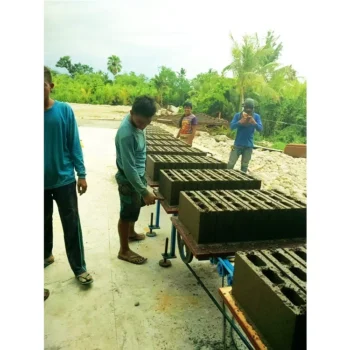
| Hollow block production for housing projects | Crushed stone, sand, and cement mix; 400×200×200 mm or 400×150×200 mm formats |
| Solid brick manufacturing for masonry walls | Cement, fly ash, and dust blends; 240×115×53 mm standard brick format |
| Paver and curbstone production for infrastructure | Aggregate and cement mixes; format dependent on mould installed |
| On-site block production for contractors | Locally sourced sand and crushed stone; semi-automatic operation with pallet feeder |
| First plant setup for entrepreneurs | Standard raw materials; complete line shipped in one container |
Why "Pieces per Hour" Means Nothing Without the Block Format
Capacity is only real when tied to a specific block dimension, mix design, and curing condition — everything else is brochure noise.
I have watched plant owners arrive at a factory for acceptance testing, see impressive cycle counters on the PLC screen, and then discover the quoted output assumed a lightweight paver format they never intended to produce. The same QT4-15A hydraulic block machine that presses hollow blocks at a certain rate will cycle differently when switching to dense solid bricks or interlocking pavers, because the vibration dwell time and hydraulic pressure holding phase must match the material density and block geometry. A fast delivery hydraulic block machine only protects your schedule if the capacity numbers you plan against are honest [NEED_CITE: block format assumptions in manufacturer capacity quotations].
What Ships When You Order from Stock
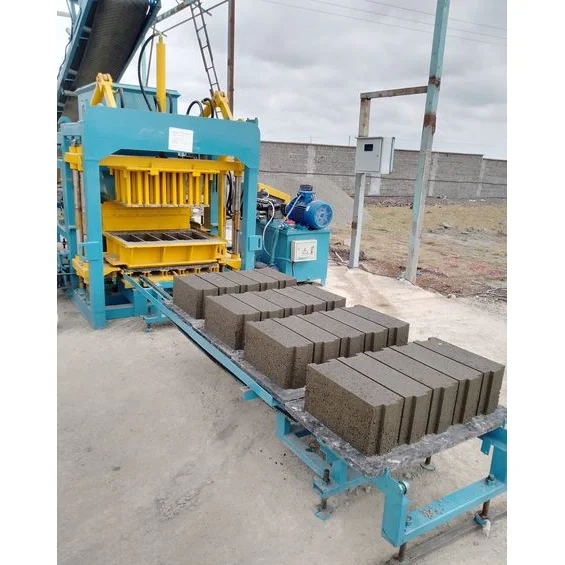
The fast delivery hydraulic block machine package includes the press, hydraulic station, PLC control cabinet, pallet feeder, brick conveyor, and block sweeper as a single container load. No separate procurement cycles for auxiliary stations, no mismatched arrival dates leaving the press sitting idle on your floor while you wait for the pallet feeder to clear customs. The 850 × 550 × 25 mm pallet size is specified at the quotation stage, so your existing curing racks and forklift dimensions are verified before the machine leaves the factory.
Container Loading and Dispatch Timeline
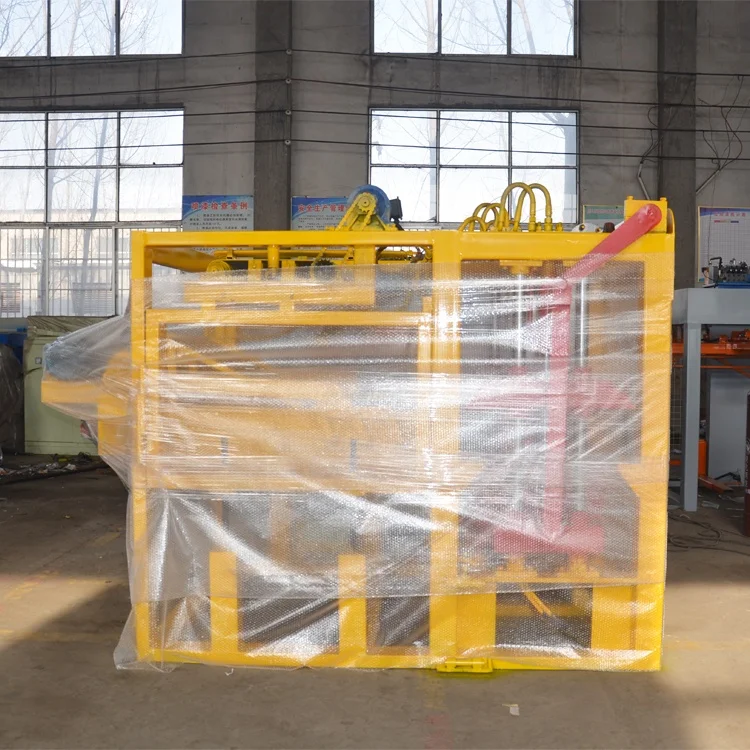
Stocked units undergo a pre-shipment inspection covering hydraulic line integrity, PLC program language confirmation, and vibration motor wiring before dismantling for container loading. The machine breaks down into major assemblies — main frame, hydraulic station, control cabinet, conveyor sections — each secured against transit movement. Dispatch lead time is quoted at the inquiry stage based on current warehouse status and your requested mould formats, so the arrival estimate at your port of destination is calculated before you issue a purchase order [NEED_CITE: typical ocean freight transit times from Chinese manufacturing ports to African and Southeast Asian destinations].
Vibration Force, Hydraulic Pressure, and Pallet Matching
The 40–50 kN vibration force combined with hydraulic pressure determines how densely the mix compacts in the mould cavity, which directly controls block strength and surface finish. A mix with high clay content from river sand requires longer vibration dwell than clean crushed stone aggregate, and the PLC program must be adjusted accordingly — this is why factory testing with your actual material matters before the machine ships. The 850 × 550 mm pallet dimension must align with your curing area layout; pallets that are too large for your existing rack system force you to rebuild the curing zone or handle blocks manually off the pallet, negating the pallet feeder’s purpose. The JQ350 mixer included in the line must feed material at a rate that keeps pace with the 15–25 second molding cycle, otherwise the press waits idle between cycles and your actual daily output drops below the calculated figure.
The Cost of Skipping Voltage and Language Confirmation
Machines that arrive with a PLC display in a language your operators cannot read sit uncommissioned while you wait for a technician or a software reload. Voltage and frequency mismatch between the factory default and your site supply can damage the hydraulic station motor or cause the vibration motors to run at incorrect speed, producing blocks with inconsistent density from the first shift [NEED_CITE: industrial motor damage from voltage and frequency mismatch in export equipment]. These are not factory defects — they are specification gaps that should have been closed during the quotation stage, and they turn a fast delivery hydraulic block machine into a delayed project regardless of how quickly the container sailed.
Why Procurement Here Reduces Arrival Risk
The QT4-15A block machine in stock is specified as a complete system rather than a bare press, meaning pallet feeder, conveyor, sweeper, and hydraulic station are matched to the same production tier and ship together. Machine configuration is set against your stated mix design and local aggregate availability, not pulled from a catalogue default that assumes materials you cannot source. Mould selection covers the formats your market actually sells — hollow block, solid brick, paver, curbstone — with standard moulds stocked alongside the machine. The semi-automatic automation level allows you to start with manual pallet handling at the curing end and upgrade to automatic stacking later without replacing the press. Installation support includes operator training on your specific block format and material, not generic machine operation [NEED_CITE: on-site commissioning requirements for hydraulic block making equipment].
Documentation & Verification
- Factory test record using your specified block format and mix material before dispatch
- Container loading photographs showing dismantled assemblies and securing method
- Voltage, frequency, and PLC display language confirmation document signed before production
- Packing list matching customs declaration for import clearance at destination port
- Hydraulic and electrical schematic for on-site troubleshooting and spare part identification
Installation, Commissioning & Support
- Foundation must support 3 T total weight distributed across the 7100 × 1600 mm machine footprint with vibration isolation
- Electrical supply must match confirmed voltage and frequency with a dedicated circuit rated above 18.45 kW
- Machine arrives dismantled; on-site reassembly covers hydraulic line reconnection, PLC cabinet wiring, and conveyor alignment
- First-run commissioning includes vibration dwell adjustment to your local aggregate and target block density
- Operator training covers mould changeover procedure and PLC parameter adjustment for different block formats
- Wear parts list identifies hydraulic seals, vibration motor bearings, and mould liner replacement intervals
What to Prepare Before Inquiry
Share your target block formats with exact dimensions, the daily output you need per format, and your local raw material source — whether river sand, crushed stone, or fly ash from a nearby plant. Confirm your site voltage and frequency, the PLC display language your operators require, and whether your existing curing racks and forklift can accommodate the 850 × 550 mm pallet. If you have a project start date, state it so dispatch timing is built around your construction schedule rather than factory convenience.
Frequently Asked Questions
Q: What is the current stock status and dispatch lead time for the QT4-15A?
A: Stock status is confirmed at inquiry based on current warehouse inventory. When the QT4-15A block machine in stock is available, dispatch lead time covers pre-shipment inspection, dismantling, and container loading — typically quoted within the quotation document so you know the timeline before committing.
Q: How is the machine packed and loaded into a container?
A: The QT4-15A is dismantled into major assemblies including the main frame, hydraulic station, PLC cabinet, and conveyor sections, then secured inside a container. Loading photographs are provided before shipment, and the pallet size of 850 × 550 × 25 mm is verified against your curing area before packing.
Q: What arrival estimate can I expect from order to destination port?
A: Arrival timing depends on dispatch lead time plus ocean freight duration to your port. The estimate is calculated at the quotation stage once stock status and shipping route are confirmed, so you can plan site preparation and commissioning against a known date.
Q: Are standard moulds for hollow block, solid brick, and paver also stocked?
A: Standard moulds for common formats are typically available alongside the fast delivery hydraulic block machine. Custom mould designs or non-standard block dimensions may require production time, which is stated at inquiry so it does not delay the machine dispatch.
Q: What voltage and frequency configurations can ship immediately?
A: Voltage and frequency are confirmed in writing before the machine leaves the factory to match your site electrical supply. This confirmation is part of the quotation process, preventing commissioning delays caused by motor or PLC incompatibility with local power standards.