

Description
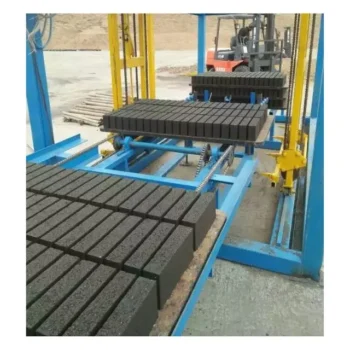
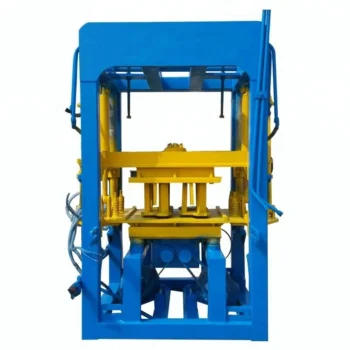
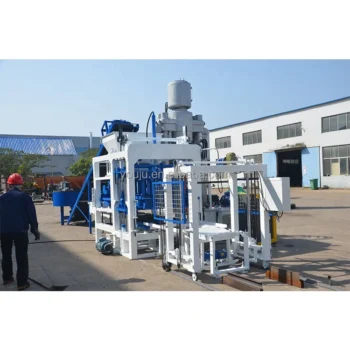
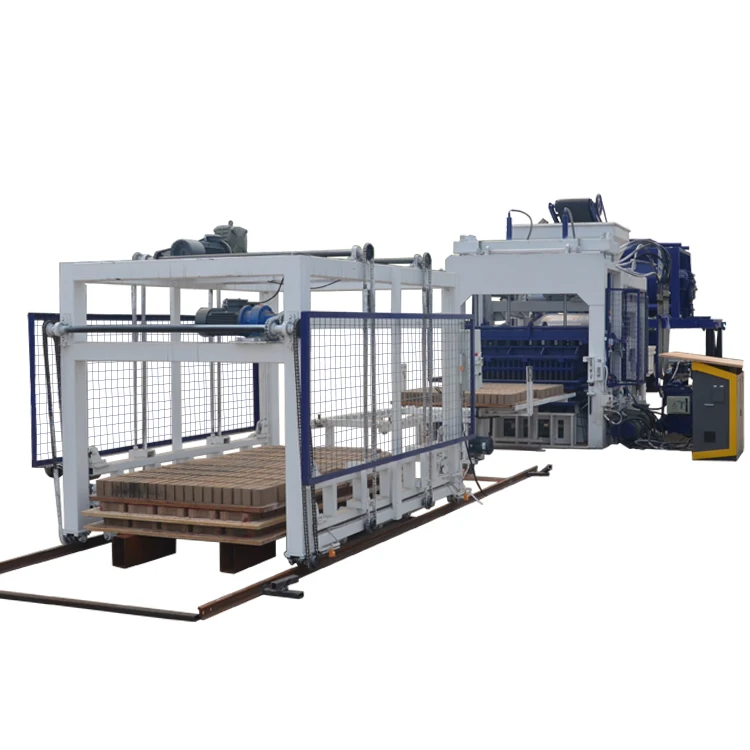
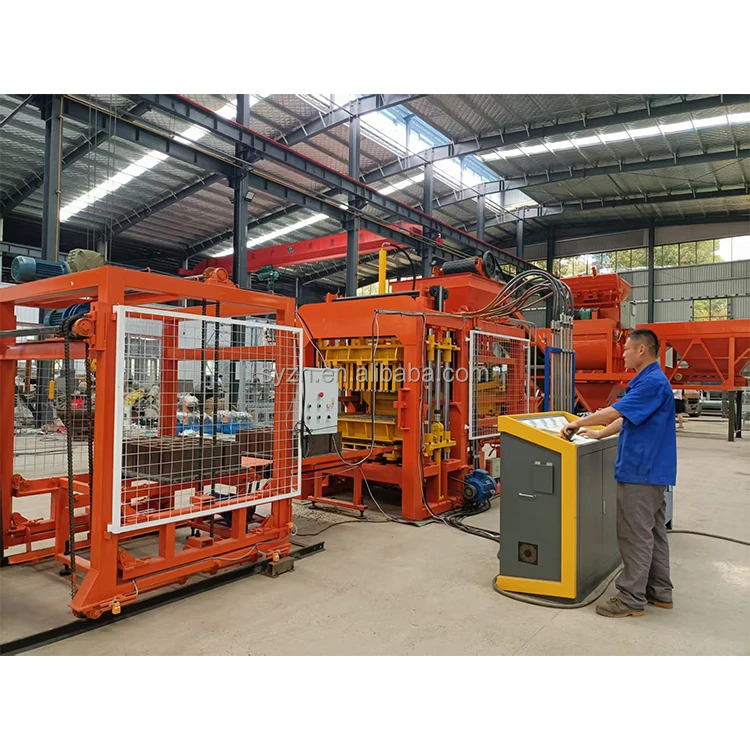
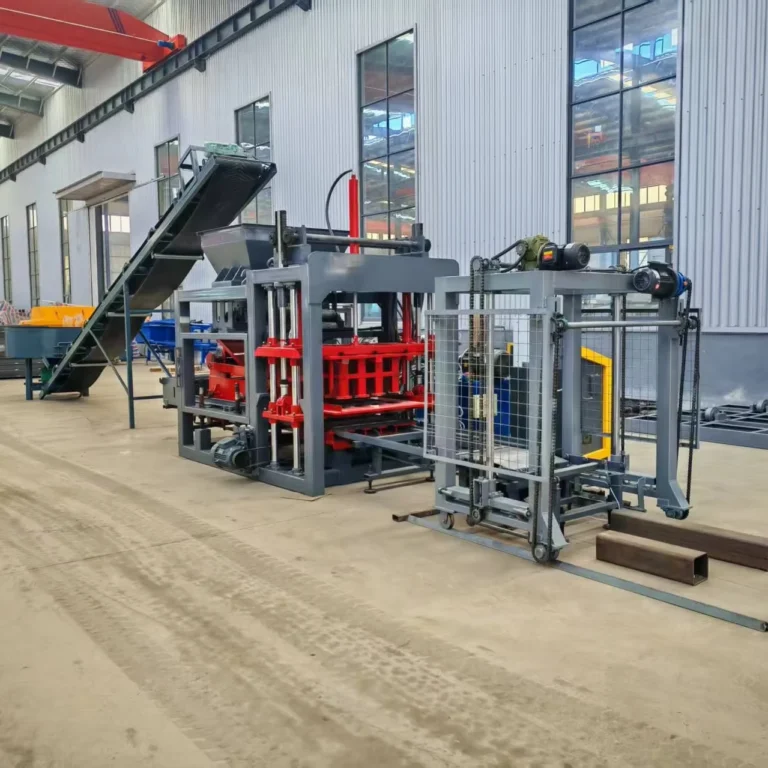
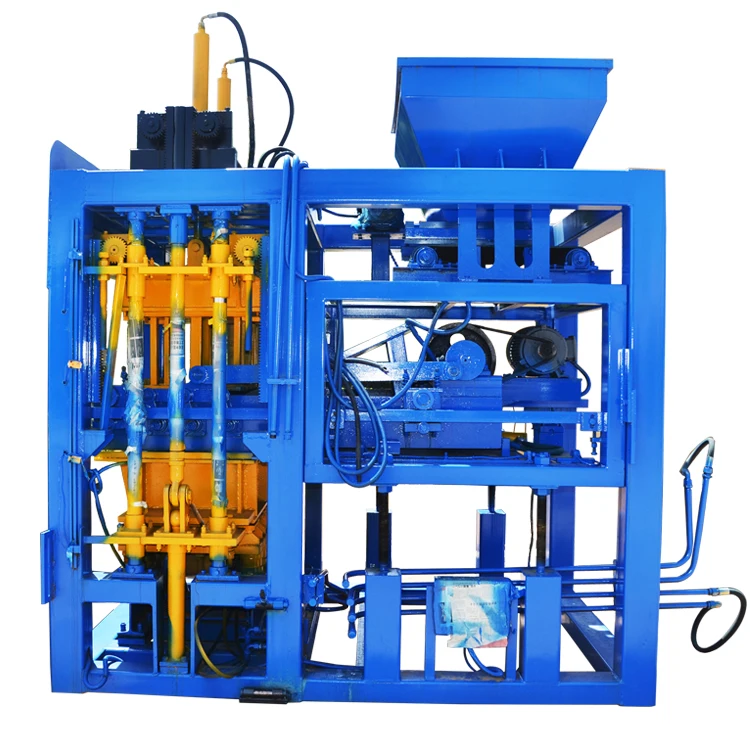
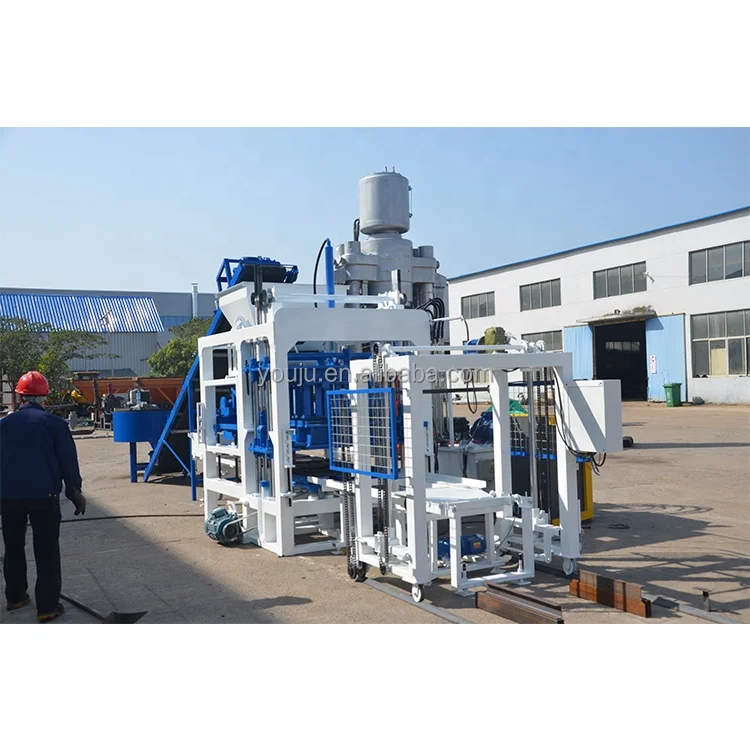
Stocked configuration, matched as one system — QT4-18 block making machine ships with pallet, mould, and PLC pre-confirmed so your curing area and forklift already work on arrival day.
Technical Specifications
| Parameter | Value |
|---|---|
| Model | QT4-18 |
| Product Type | Semi-automatic Block Making Machine |
| Overall Dimensions (L×W×H) | 2500×1750×2200mm |
| Rated Pressure | 16MPa |
| Vibration Form | Platform Vibration |
| Pallet Size | 950×550mm |
| Molding Cycle | 18-25s (basis not stated in source — confirm block format / material / thickness) |
| Overall Power | 27.5kW |
| Control System | PLC with frequency converter |
| Electrical Components | Schneider |
| Mould Lifting Mechanism | Double-sided synchronous gears |
| Automation Level | Semi-automatic (pallet feeding and block conveying included; stacking manual or mechanical) |
| Supporting Equipment Available | JQ500 concrete pan mixer, 8m or 6m belt conveyor, stacker, block clamper, cement silo, batching plant, extra moulds, trolley |
| Output Capacity | (basis to be confirmed) |
| Voltage & Frequency | Configurable (to be confirmed before dispatch) |
| Mould Format Included | One hollow mould; additional formats customizable |
| Net Weight | (basis to be confirmed) |
Application Suitability
| Application | Material or Output |
|---|---|
| Hollow block production | Crushed stone, sand, cement, lightweight aggregate |
| Solid block production | Dense aggregate mix, cement, sand |
| Paving block production | Fine aggregate, cement, pigment for coloured surfaces |
| On-site contractor production | Locally sourced aggregate for project-specific block volumes |
| First plant entrepreneur setup | Standard mix designs with accessible raw materials |
What a Dispatch Date Actually Means for Your Project
A stocked QT4-18 block making machine only helps if voltage, frequency, and PLC language are confirmed before the crate closes.
Quoted lead times often collapse the moment the machine arrives and the local electrician finds the motor wired for the wrong frequency. I once watched a shipment sit in a Middle East yard for three weeks because the inverter tripped on a 60Hz supply it was never configured for. [NEED_CITE: voltage and frequency standards by export market] Buyers working to a project deadline need the arrival estimate tied to a real dispatch date, not a production promise. The QT4-18 block making machine in stock means the press, mould, and pallet are already matched — but the electrical configuration still requires your input before loading.
Dispatch Readiness Starts Before the Order
The QT4-18 block making machine leaves the workshop with pallet size 950×550mm locked in. That dimension decides whether your existing forklift can handle the wet blocks and whether your curing racks accept the pallets without modification. Confirming this before dispatch avoids the situation where a buyer receives a machine whose pallets do not fit the handling equipment already on site.
Container Loading and Machine Dismantling
Shipping a semi-automatic block press means the frame, hopper, feeder platform, and conveyor all travel separately. The container loading plan must account for the 2500×1750×2200mm main frame and the supporting belt conveyor, whether 6m or 8m. Dismantling is planned so reassembly on site follows a logical sequence — press first, then material feed, then pallet circuit. [NEED_CITE: container loading standards for heavy machinery exports] Buyers receive packing photographs before the container door closes.
Reading the Numbers That Matter
The 16MPa rated pressure works together with platform vibration to compact the mix into the mould cavity. Higher pressure alone does not guarantee block strength if the vibration force is mismatched to the aggregate size. The 18-25s molding cycle range reflects the difference between a thin paving block and a tall hollow block — the actual cycle depends on the format you run. The 27.5kW overall power draw tells your site electrician what dedicated circuit to prepare. Double-sided synchronous gears on the mould lifting mechanism keep the mould box level during withdrawal, which directly affects block edge consistency. Electrical components from Schneider mean replacement contactors and relays are sourceable in most export markets without waiting for a special shipment.
The Cost of Skipping the Pre-Shipment Checklist
When voltage and frequency go unconfirmed, the first power-on becomes a fault-finding exercise instead of a commissioning. When pallet size is assumed rather than checked against your curing area, blocks end up stacked by hand from day one. When the PLC display arrives in a language your operators cannot read, training delays push your first production run back by days. [NEED_CITE: commissioning delays caused by unconfirmed electrical specifications] These are not machine defects — they are configuration gaps that a pre-dispatch checklist eliminates.
Why Buyers Source This Machine Here
Block machinery is the single focus, so the QT4-18 press, mould, pallet, and conveyor are specified as one matched system rather than assembled from separate suppliers. Stocked models mean the lead time is measured in days to container loading, not weeks of production scheduling. Voltage, frequency, and PLC display language are confirmed against your site before dispatch — learned the hard way after a frequency mismatch held up a Middle East commissioning. Mould design covers the block formats your local market actually buys, and custom drawings are accepted. Supporting equipment like the JQ500 pan mixer and belt conveyor ships in the same container, so the line arrives complete.
Documentation & Verification
- Factory test record showing QT4-18 cycle run with your confirmed block format before dispatch
- Line layout drawing with pallet circuit and curing rack positioning for your site footprint
- Voltage and PLC language confirmation sheet signed off before container loading
- Mould drawing and format list for your ordered block types including the included hollow mould
- Packing photographs showing dismantling state and container loading plan before shipment
Installation, Commissioning & Support
- Site foundation must support the 2500×1750mm press footprint with level tolerance for platform vibration
- Dedicated electrical circuit sized for the 27.5kW overall power at your confirmed voltage and frequency
- Machine arrives dismantled; reassembly follows press frame, material feeder, then pallet conveyor sequence
- First commissioning run verifies the 16MPa pressure and vibration match your local aggregate mix
- Operator training covers PLC controls, frequency converter settings, and mould change procedure
- Wear parts list and hydraulic seal kit provided so first replacement does not halt production
Before You Request a Quote
Send your target block format and daily volume so the dispatch schedule can be matched to a machine already configured for your output range. Confirm your local voltage, frequency, and the language your operators need on the PLC display — these determine whether the QT4-18 block making machine in stock ships this week or waits for a configuration change. Let us know which supporting equipment you already have on site and which items from the available range should load in the same container.
Frequently Asked Questions
Q: Which QT4-18 models and standard moulds are currently in stock and ready to dispatch?
A: The QT4-18 semi-automatic press is held in stock with one hollow mould included. Additional standard mould formats such as solid block and paving block are available for order alongside the machine. Container loading can be scheduled once voltage, frequency, and PLC language are confirmed against your destination site.
Q: What is the lead time from order confirmation to container loading?
A: Once electrical configuration and mould selection are confirmed, stocked machines move to packing and container loading within a short turnaround. The exact dispatch date is quoted at order confirmation so you can align your site preparation and crew mobilisation to a known arrival window.
Q: How is the machine dismantled for shipment and how many containers are needed?
A: The main press frame, hopper, feeder platform, pallet conveyor, and belt conveyor are dismantled separately for loading. Container count depends on whether supporting equipment like the JQ500 mixer and stacker are included. A packing plan and loading photographs are provided before the container is sealed.
Q: Can voltage, frequency, and PLC language be confirmed before dispatch?
A: Yes. These are confirmed as part of the order process before the machine leaves the factory. This step exists specifically because a past shipment was delayed three weeks when a 60Hz site received a 50Hz configuration. Every QT4-18 dispatch now requires signed-off electrical and language specifications.
Q: What is the estimated arrival time at destination port once shipped?
A: Arrival time depends on the destination port and shipping route. The dispatch date is known at order confirmation, and transit estimates are provided based on the booking confirmation from the freight forwarder so you can plan site readiness accordingly.