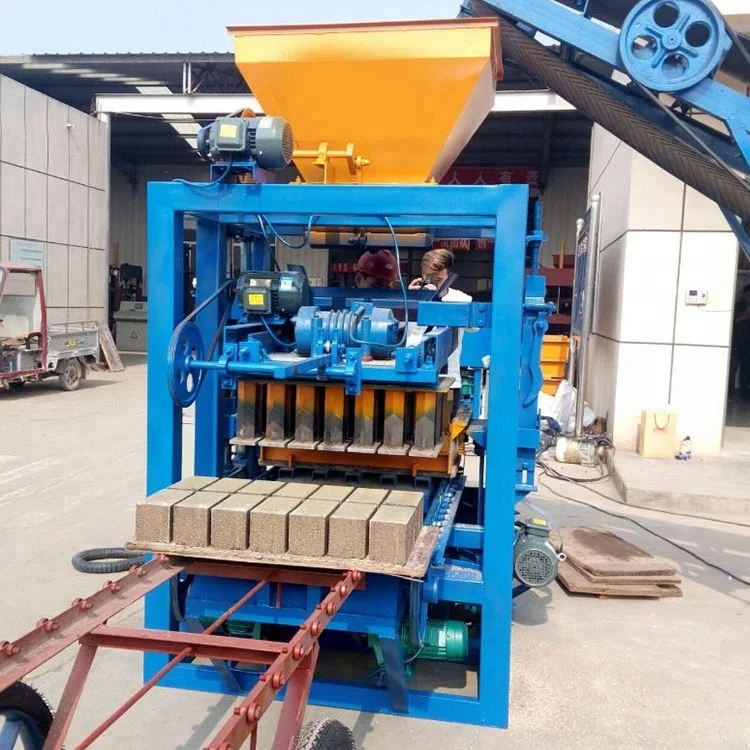
Description
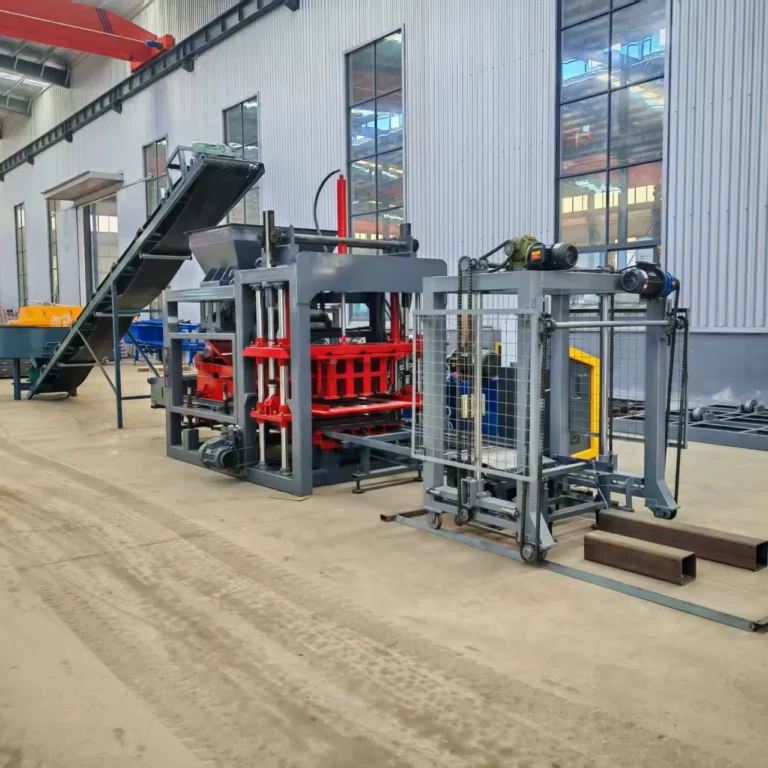
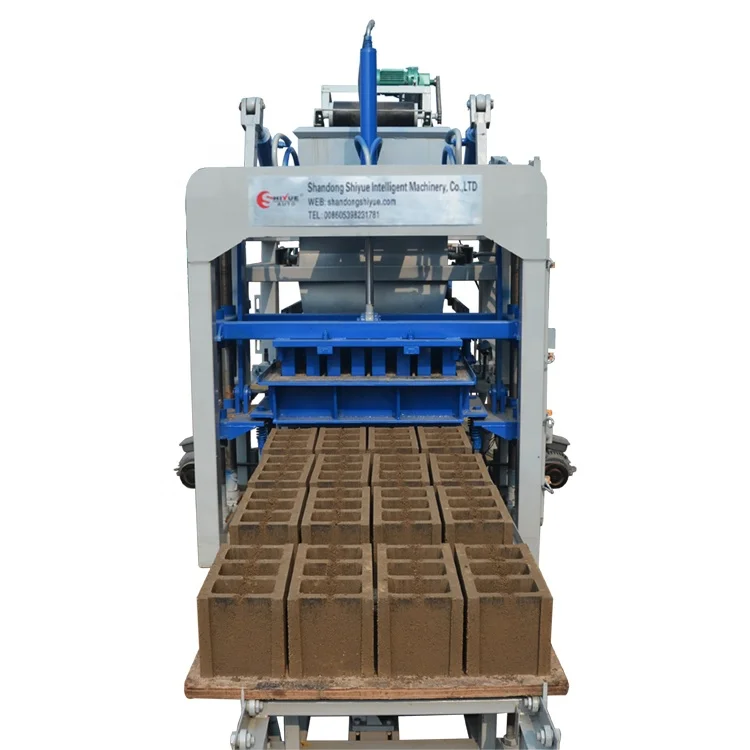
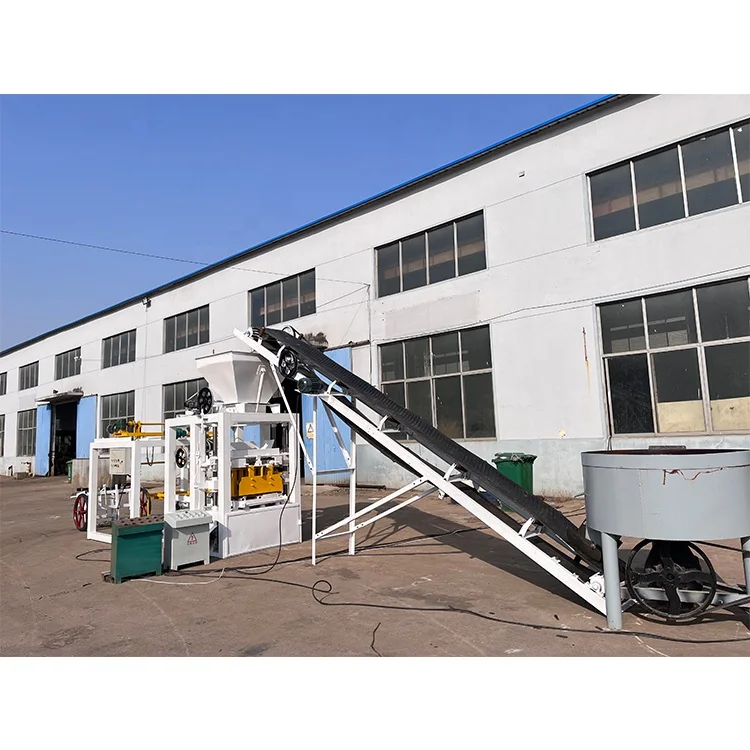
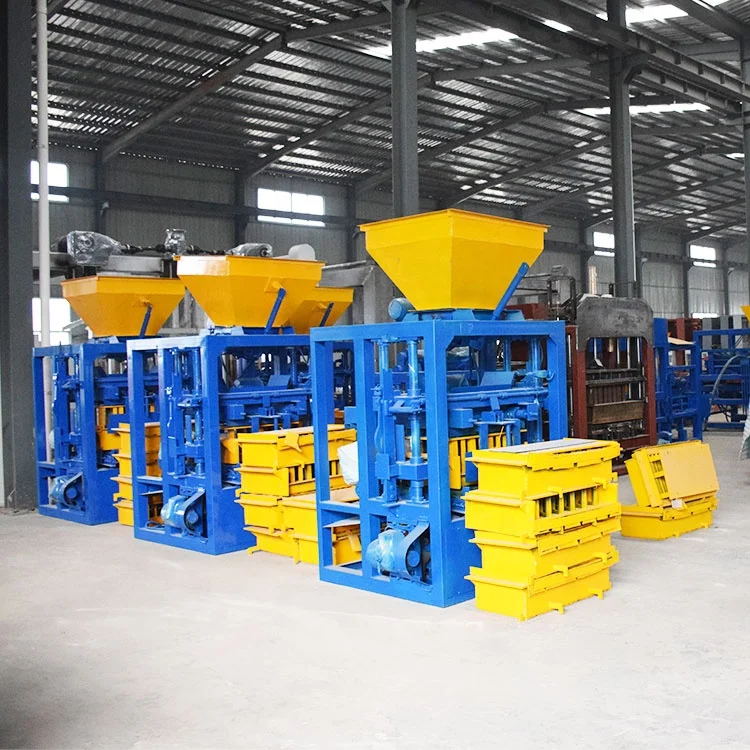
Stocked readiness — Standard QTJ4-26 units are maintained in our Linyi warehouse with matched moulds and pallets, so dispatch follows payment confirmation rather than a production queue.
Technical Specifications
| Parameter | Value |
|---|---|
| Model | QTJ4-26 |
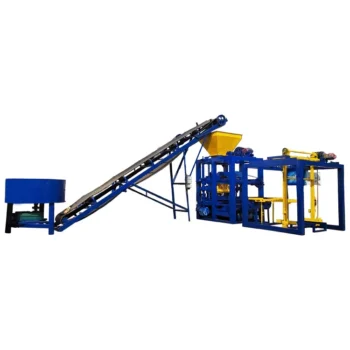
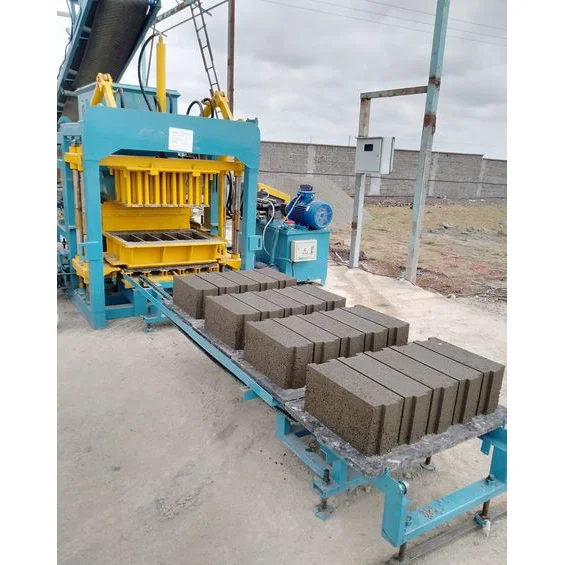
| Product Type | Semi-Automatic Concrete Block Making Machine |
| Overall Dimensions (L×W×H) | 2060 1730 2580 mm |
| Net Weight | 1800 KG |
| Molding Cycle | 26 s |
| Vibration Frequency | 4200 r/min |
| Exciting Power (Vibration Force) | 35.5 kN |
| Rated Power | 14.25 kW |
| Mixer Model | JQ350 |
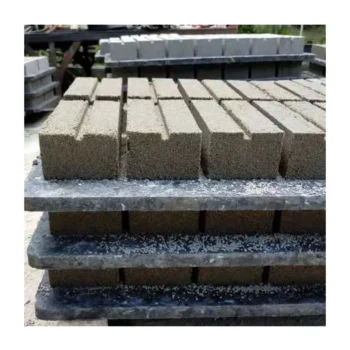
| Pallet Size | 850 450 20 mm |
| Output Capacity | 480 pcs/hr (basis: 390 190 190 mm hollow block, 4 pcs/mould) |
| Output Capacity | 600 pcs/hr (basis: 400 150 200 mm hollow block, 5 pcs/mould) |
| Output Capacity | 2100 pcs/hr (basis: 240 115 53 mm solid brick, 18 pcs/mould) |
| Automation Level | Semi-automatic (four guide pillars, manual pallet handling) |
| Voltage & Frequency | (basis not stated in source — confirm block format / material / thickness) |
Application Suitability
| Application | Material or Output |
|---|---|
| Small-scale hollow block production | Crushed stones, sand, cement, dust, fly ash |
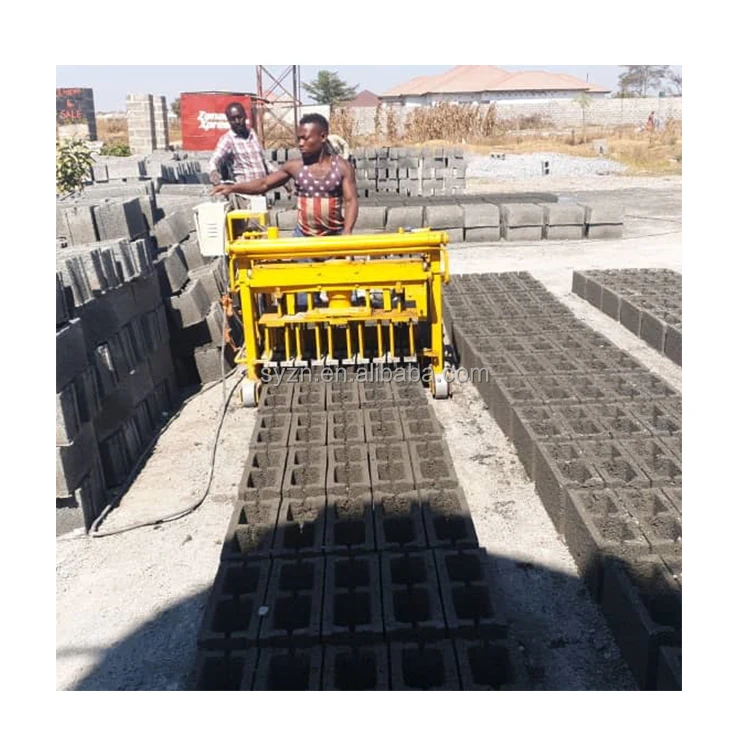
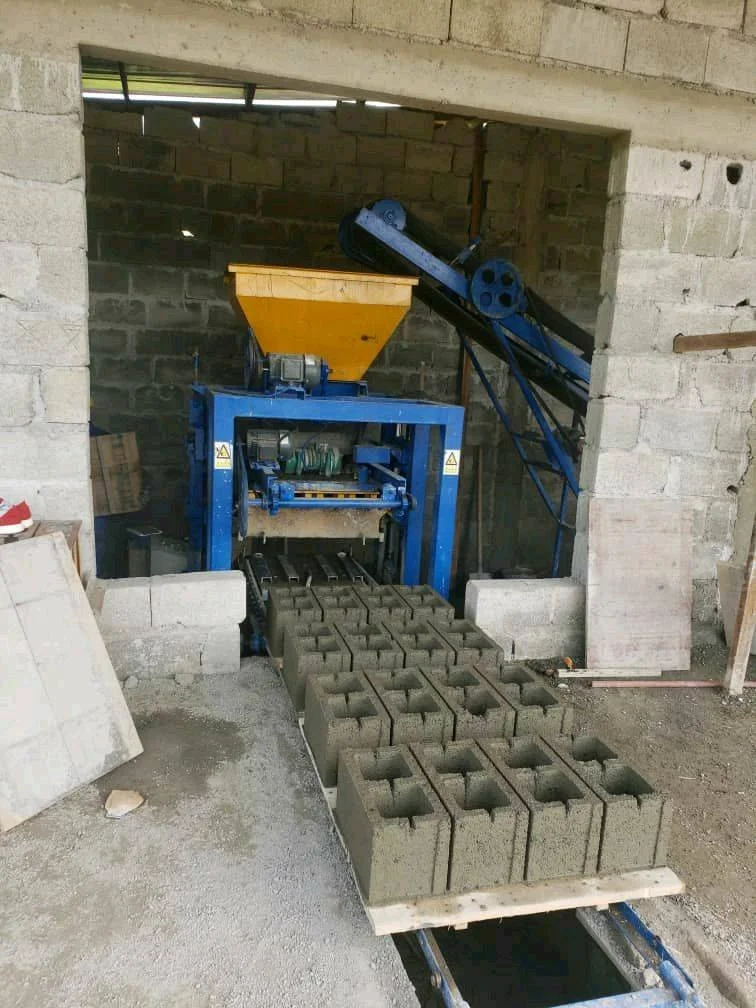
| On-site construction block manufacturing | 8 inch and 6 inch concrete hollow blocks |
| Solid brick production for local housing | Standard 240 115 53 mm solid bricks |
| Contractor yard block making | Mixed aggregate with cement binder |
Why Voltage Confirmation Must Happen Before the Container is Sealed
Every QTJ4-26 Semi-Automatic Block Machine in stock leaves with electrical parameters verified against your destination grid.
I have stood on site in West Africa watching an electrician stare at a control cabinet wired for a frequency that did not match the local supply. The machine sat idle for weeks while components were sourced locally. When buyers rush a Semi-Automatic Block Machine in stock order to meet a project deadline, the electrical mismatch is the single most common reason the machine fails to start on day one [NEED_CITE: voltage and frequency standards by export market]. We now photograph the nameplate and wiring diagram before the crate closes.
Dispatch Speed Without Sacrificing Configuration Checks
The appeal of a Semi-Automatic Block Machine in stock is obvious: you skip the production queue. Our Linyi warehouse holds standard QTJ4-26 units alongside matched JQ350 mixers and pallet sets. Before we confirm dispatch, we still run through your target block format, local aggregate type, and site voltage. A machine that ships fast but arrives misconfigured costs you more time than one that takes an extra week to verify.
Container Loading and Dismantling for Shipment
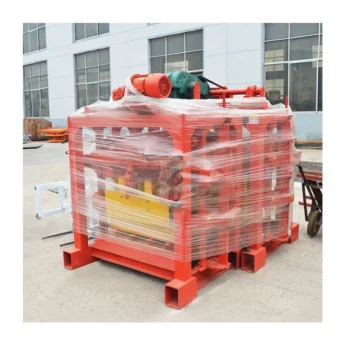
The QTJ4-26 weighs 1800 KG with overall dimensions of 2060 1730 2580 mm, which fits a standard 20 GP container alongside pallets and spare moulds. We dismantle non-structural guards where needed to maximize container space. The loading plan is shared before sealing so you know exactly what arrives and how it was secured [NEED_CITE: container loading standards for heavy machinery export].
How 35.5 kN Vibration Force and 26-Second Cycles Shape Your Output
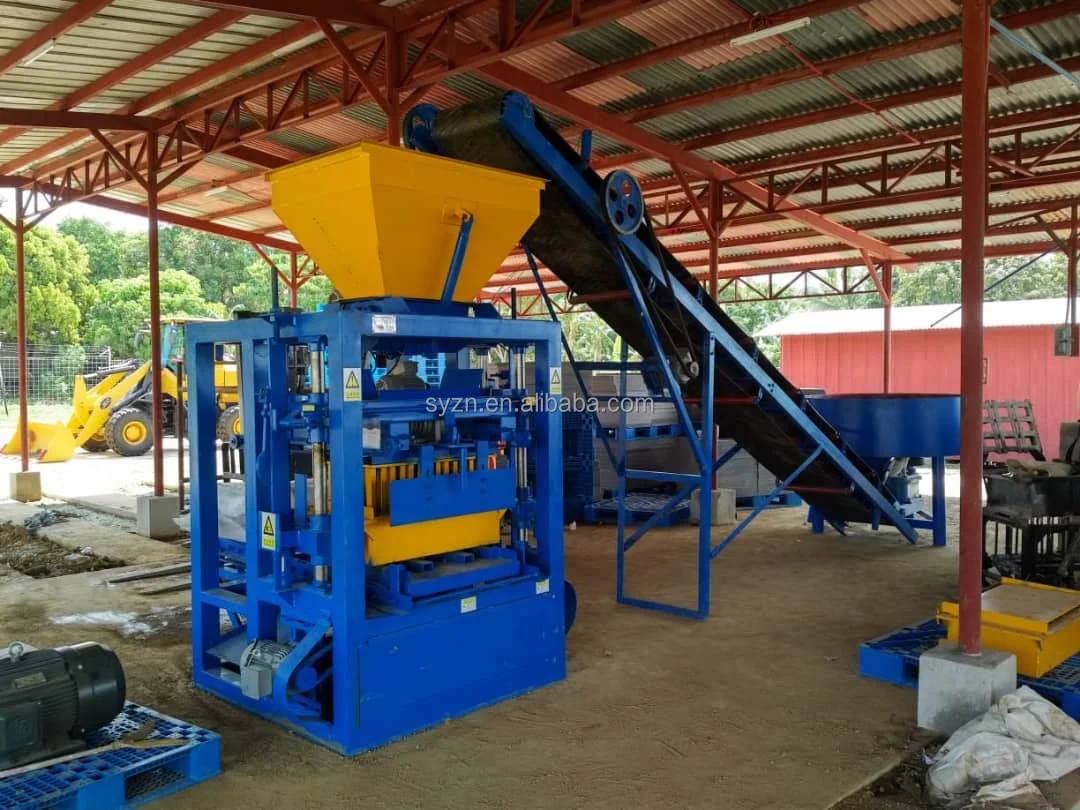
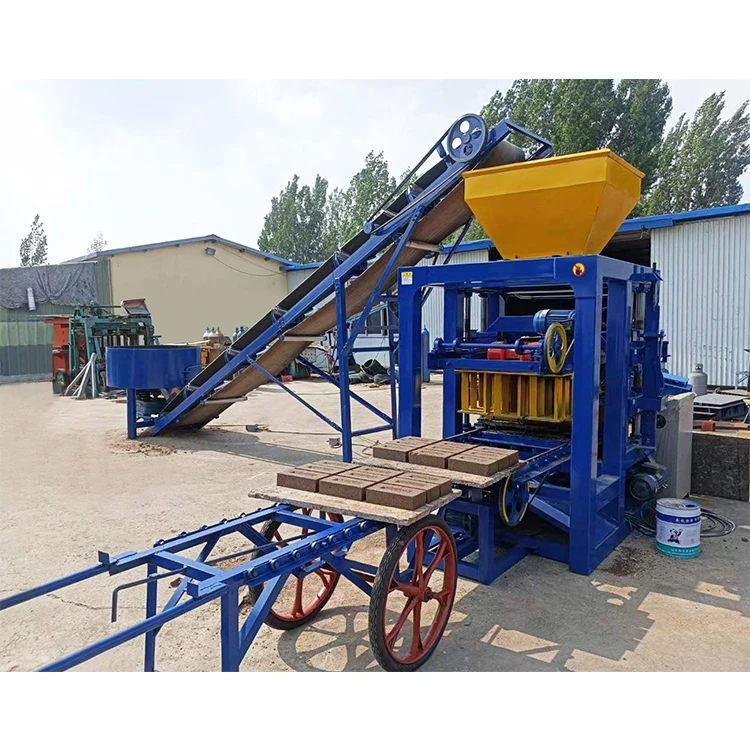
The QTJ4-26 runs a 26-second molding cycle, meaning the press completes one full press-and-release sequence in that time. The 35.5 kN exciting power at 4200 r/min compacts the mix against the mould walls; if your local sand is fine and low in coarse aggregate, this force level produces adequate density for load-bearing hollow blocks. The 850 450 20 mm pallet size dictates how many blocks per cycle and how your curing racks must be spaced. Buyers often overlook pallet dimensions until the machine arrives and their existing forklift cannot handle the loaded pallets. The 14.25 kW rated power covers the press, vibration motor, and hydraulic pump together, so your site needs a dedicated circuit at the confirmed voltage.
The Cost of Skipping the Pallet and Curing Area Conversation
When a buyer orders a block machine without confirming pallet material and curing area layout, the result is blocks stacked by hand on whatever flat surface is available. Inconsistent curing leads to uneven strength across batches. The pallet size of 850 450 20 mm must align with your rack spacing, forklift tine width, and the shade structure you plan to build. Getting this wrong after arrival means fabricating new racks or buying a different forklift [NEED_CITE: concrete block curing best practices for small plants].
What Buying Stocked Equipment Actually Gets You
Shiyue focuses exclusively on block machinery, so the QTJ4-26 press, JQ350 mixer, pallets, and moulds are specified as one matched system. Standard moulds for 8-inch and 6-inch hollow blocks plus solid bricks ship with the stocked unit. Electrical schematics and nameplate photos go to you before the container is sealed. We quote arrival estimates upfront based on your destination port, and customs documentation support is included so clearance does not become a second bottleneck.
Documentation & Verification
- Factory test record on your target hollow block format before dispatch
- Electrical schematic and nameplate photograph confirming voltage and frequency
- Mould drawing and format list matching the stocked QTJ4-26 unit
- Packing photographs showing container loading and securing method
- Customs documentation package for destination port clearance
Installation, Commissioning & Support
- Foundation pad must support 1800 KG static load plus vibration transfer from the 35.5 kN force
- Dedicated circuit required for the 14.25 kW total draw at your confirmed voltage and frequency
- Machine arrives partially dismantled; reassembly of guide pillars and hopper on site
- First production run supervised remotely with parameter adjustment for your local aggregate mix
- Operator training covers mould change procedure and manual pallet feeding sequence
- Wear parts list with reorder codes for vibration springs and mould liner plates
What We Need From You to Confirm Dispatch
To release a stocked QTJ4-26, we need your target block format and dimensions, the local aggregate type you will use, your site voltage and frequency, and the destination port for arrival estimation. If you already have curing racks or a forklift, share the dimensions so we confirm pallet compatibility.
Frequently Asked Questions
Q: Is the QTJ4-26 currently in stock and what is the dispatch lead time?
A: Standard QTJ4-26 units are held in our Linyi warehouse. Once you confirm voltage, frequency, and destination port, we issue a dispatch timeline measured in days rather than production weeks. Exact timing depends on container availability and documentation completion at the time of order.
Q: How is the machine packed and loaded for shipment?
A: The 1800 KG machine with 2060 1730 2580 mm dimensions loads into a standard 20 GP container. Non-structural guards are removed to maximize space for pallets and moulds. We share a loading plan with photographs before the container seal is applied.
Q: What moulds are included, and can I add custom moulds to the same shipment?
A: Stocked units include standard moulds for the block formats listed in the specification table. Custom moulds drawn to your specifications can be added to the same container if lead time allows. We confirm mould compatibility with the QTJ4-26 press before including them.
Q: What is the estimated arrival time at my destination port?
A: Arrival depends on the destination port and shipping line schedule at the time of dispatch. We quote an estimated arrival window before you place the order, so you can plan site preparation and operator availability around a known timeframe.
Q: Do you provide customs and shipping documentation?
A: Yes. Every shipment includes the commercial invoice, packing list, bill of lading, and any certificates required by your destination country. We prepare these documents alongside the dispatch so clearance can begin immediately on arrival.