

Description
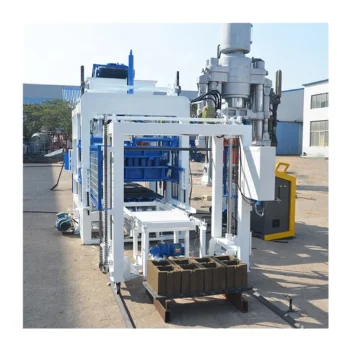
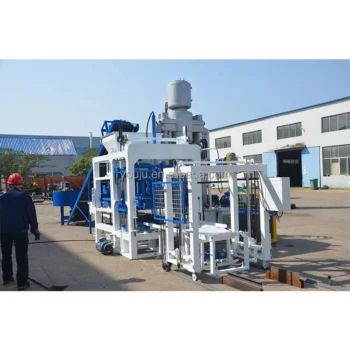
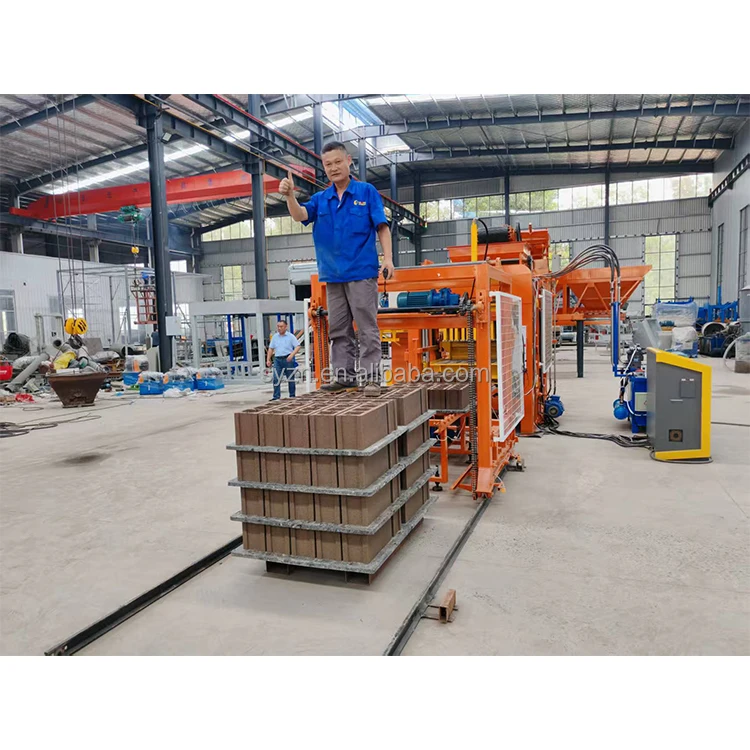
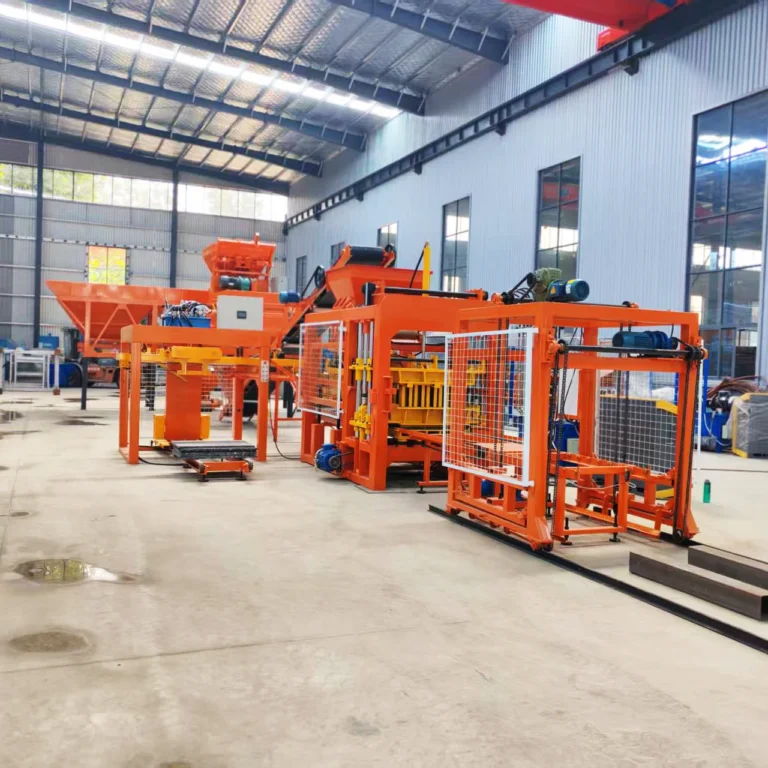
Stocked and Ready — The QT4-25 automatic block machine ships with confirmed dispatch timing, container loading plans, and arrival estimates quoted before payment, not after.
Technical Specifications
| Parameter | Value |
|---|---|
| Model | QT4-25 |
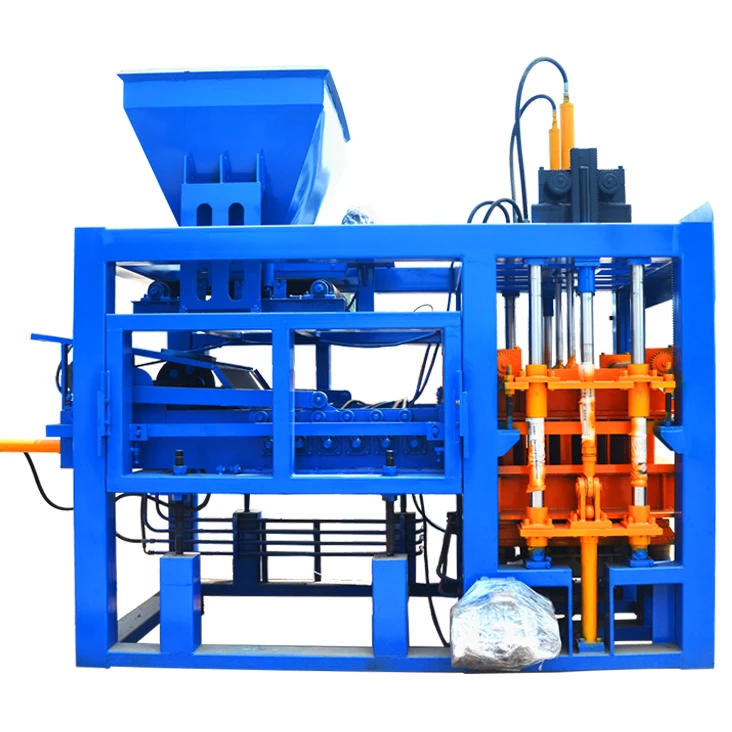
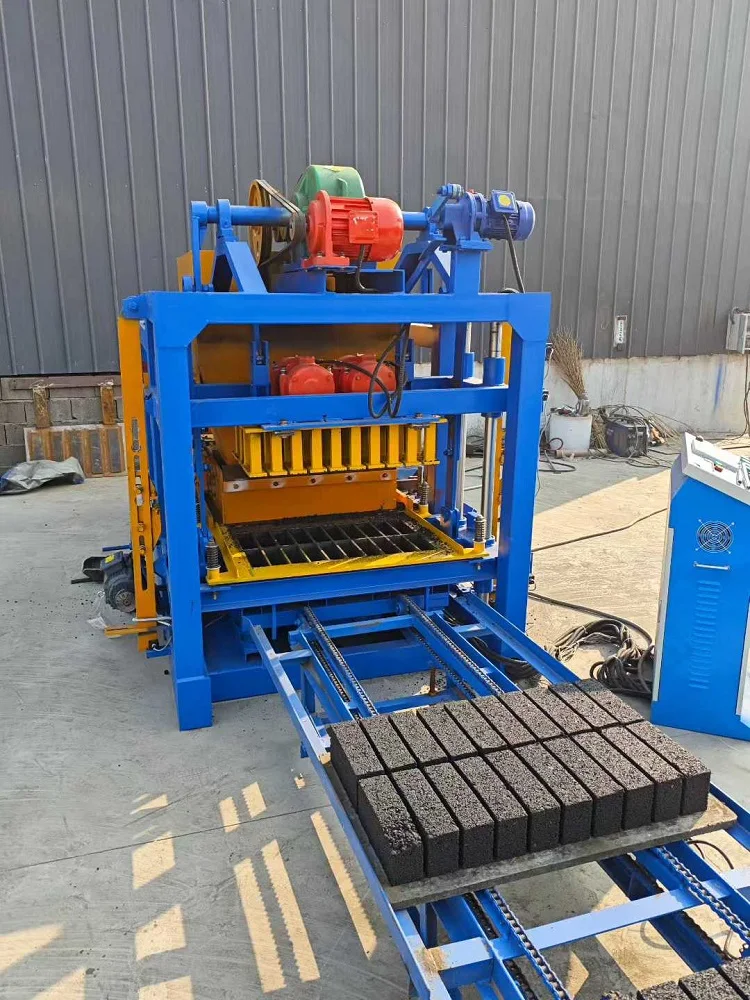
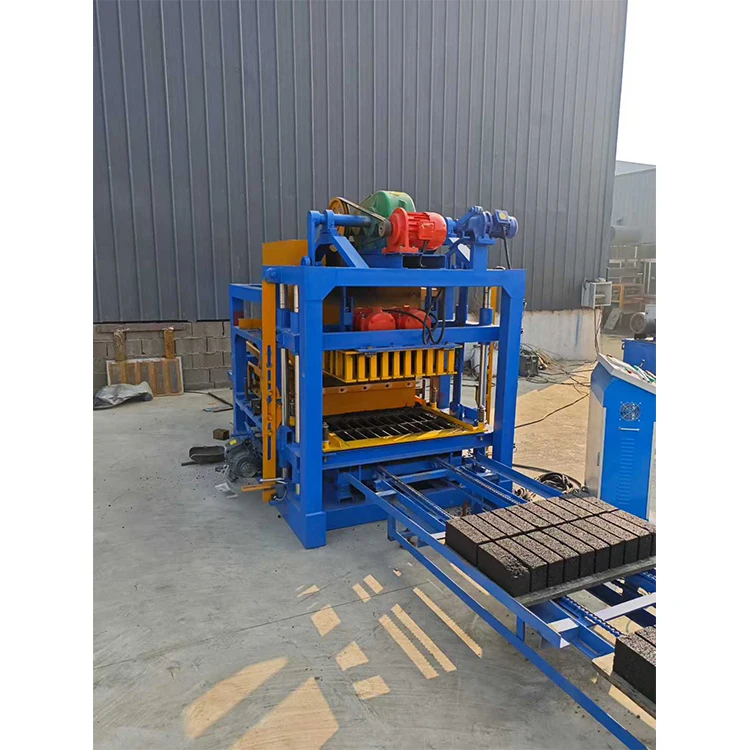
| Product Type | Automatic Concrete Block Making Machine |
| Control System | PLC controlled, fully automatic |
| Machine Power | 16.58 kW |
| Molding Cycle | 25 seconds |
| Output Capacity | 4600 pcs / 8 hours (basis not stated in source — confirm block format and mix design) |
| Overall Dimensions (L×W×H) | 6400 × 1500 × 2700 mm |
| Net Weight | 5000 kg |
| Pallet Size | 850 × 480 mm |
| Voltage | Configurable to buyer’s local grid |
| Vibration System | Vibration motor with large vibration box |
| Automation Level | Fully automatic — pallet feeding, material feeding, scraping, and block stacking |
| Raw Materials | Concrete, sand, cement, fly ash, crushed stone, lime, water |
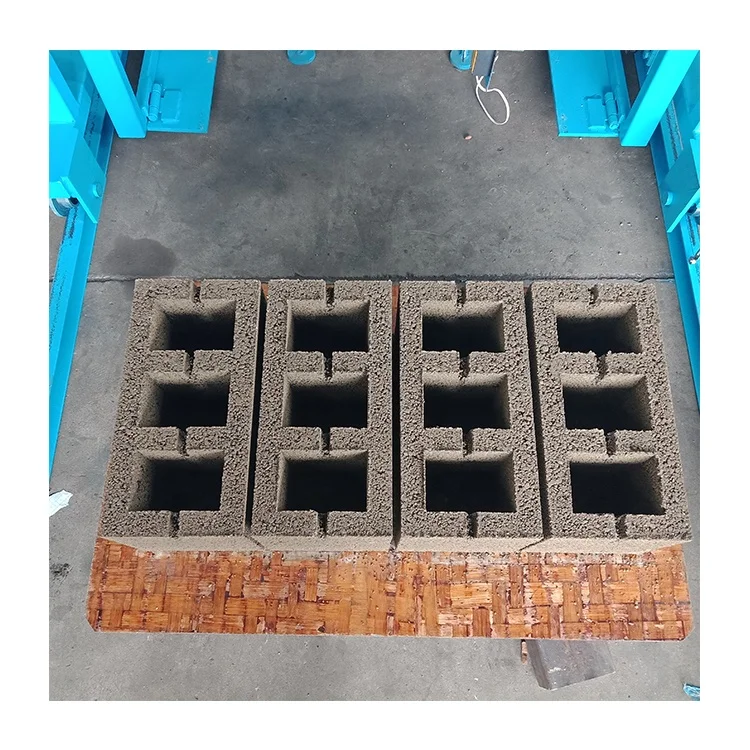
| Mould Compatibility | Hollow blocks, solid bricks, paver stones |
| Motor Brand | Siemens motor |
| Warranty | One year with free parts supply |
Application Suitability
| Application | Material or Output |
|---|---|
| Hollow block production for medium-scale factories | Crushed stone, sand, cement, fly ash mixes |
| Solid brick manufacturing for local building supply | Concrete and lime-based raw materials |
| Paver stone runs for municipal and commercial projects | Standard concrete aggregate blends |
| On-site block production for housing developments | Locally sourced sand and cement |
What "4600 Pieces per 8 Hours" Actually Means for Your Schedule
The QT4-25 automatic block machine in stock ships with a capacity figure that must be verified against your target block format before it becomes a planning number.
I have seen buyers in the Gulf region receive machines with quoted output numbers that assumed a small solid brick format, only to discover their primary product — a 200mm hollow block — cut real daily throughput significantly. When a project deadline is already tight, that gap between brochure capacity and actual output becomes a problem you cannot fix by running overtime. With the QT4-25 automatic block machine in stock, the molding cycle is 25 seconds, but the pieces-per-hour figure depends entirely on how many cavities your specific mould holds and the thickness of the block being pressed. We state the format assumption alongside the capacity number at the inquiry stage so your project schedule stays honest [NEED_CITE: block format assumptions in capacity quoting for concrete machinery].
Dispatch Timing You Can Build a Project Plan Around
The QT4-25 automatic block machine in stock moves from our facility to port on a timeline quoted at inquiry, not revised after production starts. For buyers working against a construction milestone or a seasonal building window, knowing the dispatch date before payment means your foundation work, raw material orders, and curing area preparation can be scheduled in parallel rather than in sequence.
Container Loading and Machine Dismantling Confirmed Upfront
Every shipment of this machine is documented with a container loading plan that accounts for the 6400 mm frame length and 5000 kg weight. The machine is dismantled into shipping positions that fit standard container dimensions, and packing photographs are shared before the container is sealed. This removes the uncertainty that delays customs clearance at the destination port [NEED_CITE: container loading standards for heavy industrial machinery exports].
Reading the Specs That Matter When Time Is Short
The 16.58 kW total power draw tells you what dedicated circuit capacity your site electrician needs to prepare before the machine arrives. The 850 × 480 mm pallet size must be checked against the curing racks and forklift tines you already have on site — ordering pallets that do not match existing handling equipment is a delay that surfaces only after the machine is running. The Siemens motor specification means replacement motors are sourceable through regional distributors in most export markets, reducing the risk of extended downtime if a motor issue arises after the warranty period. The PLC control system voltage and display language are confirmed against your local grid and operator requirements before the machine leaves the factory, avoiding the commissioning standstill that occurs when a 50 Hz machine arrives in a 60 Hz market or the HMI displays in a language your operators cannot read [NEED_CITE: voltage and frequency compatibility requirements for industrial PLC systems].
The Cost of Skipping the Pallet and Voltage Check
I once shipped a block machine to a site in Saudi Arabia where the buyer had not confirmed what forklift was available. The pallets specified for the machine did not match the fork dimensions, and cured blocks piled at the press outlet because nobody could move them. The line stopped producing within hours of starting. Similarly, arriving with an unconfirmed voltage specification means the machine sits under a tarp while a transformer is sourced locally — a delay that can stretch across weeks and costs far more than a five-minute voltage confirmation call at the order stage [NEED_CITE: common commissioning delays in concrete block plant installations].
Why Buyers Working to Deadlines Order Here
Block machinery is the single focus of this operation, which means the QT4-25 arrives as a matched system — machine, mould, pallet, and handling equipment specified together rather than assembled from unrelated suppliers. Stock availability and dispatch lead times are quoted at the inquiry stage so your project planner has a real date to work with. Container loading plans and packing photographs are provided before shipment, and customs documentation is prepared to match the import requirements of your destination country. Voltage, frequency, and PLC language are confirmed before production so commissioning begins when the machine is plugged in, not weeks later. Moulds for your specific block format ship with the machine, and wear parts lists are included so your first reorder is planned before you need it.
Documentation & Verification
- Factory test record on your specified block format before dispatch
- Voltage and control language confirmation sheet signed before shipping
- Container loading plan with pallet and mould placement details
- Packing photographs of machine positions inside the container
- Customs documentation package matched to destination country requirements
- Wear parts and mould list for first reorder planning
Installation, Commissioning & Support
- Foundation plan matched to the 6400 × 1500 mm footprint and 5000 kg operating weight
- Dedicated circuit specification for the 16.58 kW total power draw confirmed before arrival
- Dismantling positions documented so reassembly follows a known sequence on site
- PLC parameter setup and vibration motor calibration during initial commissioning visit
- Operator training on mould change procedure and automatic pallet feeding cycle
- Wear parts supply chain established for vibration components and mould liners
What We Need to Move Your Order Forward
Tell us the block format you are producing, the daily volume your project requires, and the voltage and frequency at your site. We will respond with a confirmed dispatch date and container loading plan so you can schedule your foundation, curing area, and material deliveries against a real timeline.
Frequently Asked Questions
Q: Is the QT4-25 currently in stock, and what is the dispatch lead time?
A: The QT4-25 automatic block machine in stock is available with standard mould configurations. Dispatch lead time is quoted at the inquiry stage based on current inventory and your destination port, so you receive a confirmed date before committing to the order rather than an estimate that shifts after payment.
Q: What container size is needed, and how is the machine loaded for shipment?
A: The machine is dismantled into shipping positions that fit standard container dimensions based on the 6400 × 1500 × 2700 mm overall size. A container loading plan with placement details and packing photographs is shared before the container is sealed, ensuring you know exactly how the machine and moulds are positioned inside.
Q: Will the voltage and PLC display language be confirmed before the machine ships?
A: Yes. Your local voltage, frequency, and preferred PLC display language are confirmed during the order process and documented before production. This prevents the commissioning delay that occurs when electrical specifications or control interface language do not match the site conditions at arrival.
Q: What standard moulds are stocked and shipped together with the machine?
A: Standard moulds for hollow blocks, solid bricks, and paver stones are available from stock. Your target block format and dimensions are confirmed at inquiry so the correct mould ships with the machine, and custom mould drawings can be reviewed if your market requires a non-standard format.
Q: What is the estimated arrival time from dispatch to destination port?
A: Arrival estimates are quoted at the inquiry stage based on your destination port and current shipping schedules. This allows you to plan site preparation, raw material orders, and operator availability against a known timeline rather than tracking the shipment after it has already left.