

Description
Rapid dispatch readiness — the QT5-15 is dismantled, packed, and container-loaded from a stocked position so project-timeline buyers can plan arrival dates with certainty rather than waiting out a build cycle.
Technical Specifications
| Parameter | Value |
|---|---|
| Model | QT5-15 |
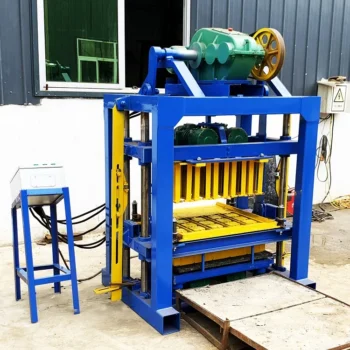
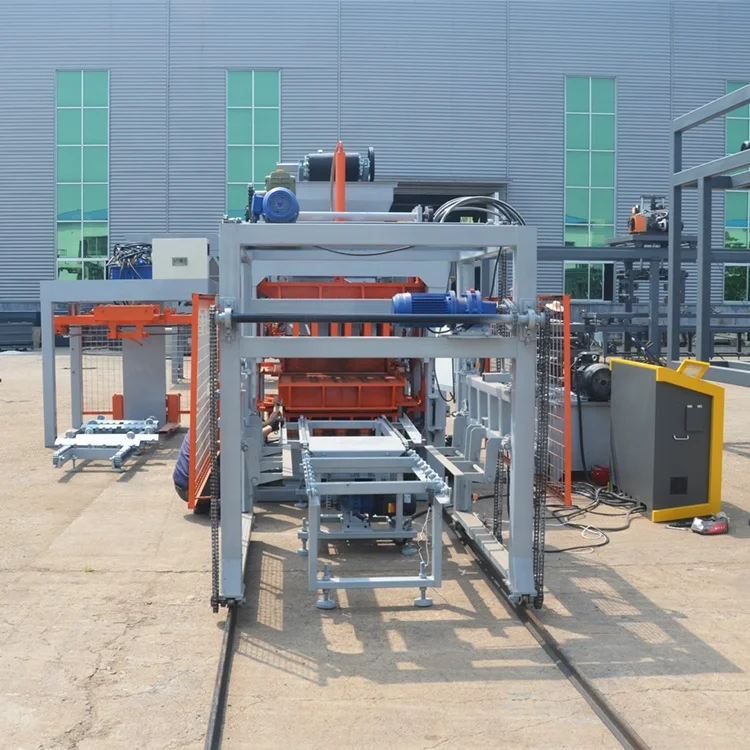
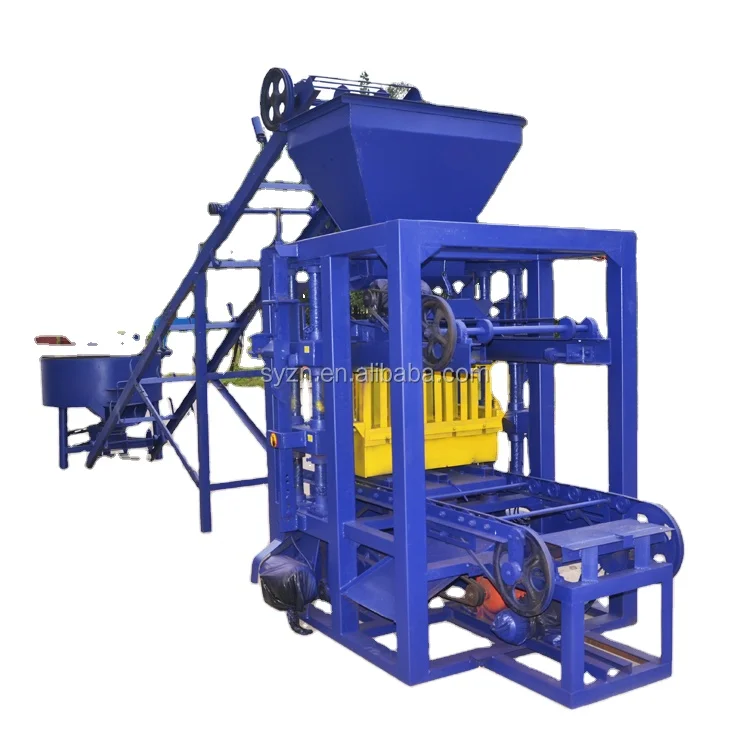
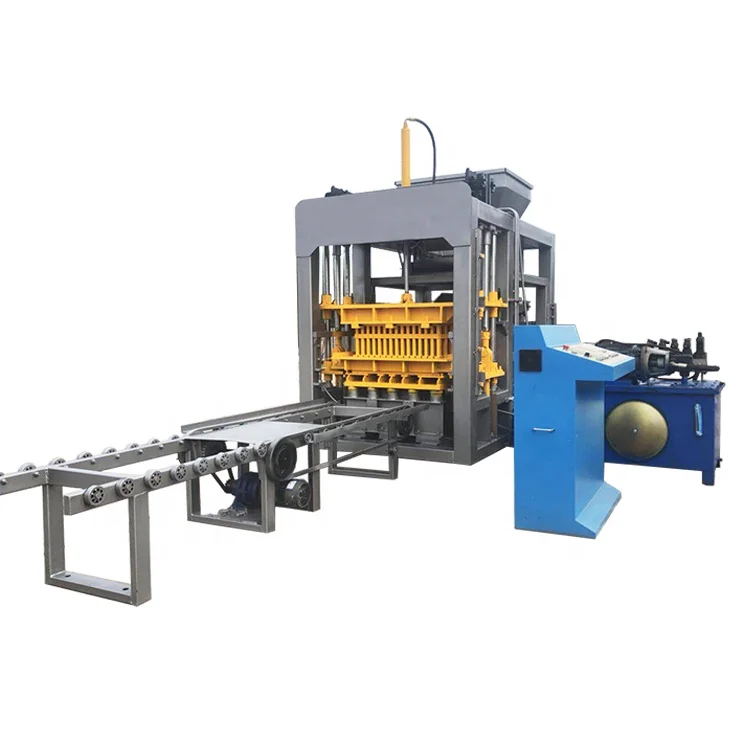
| Product Type | Stationary Concrete Block Making Machine |
| Overall Dimensions (L×W×H) | 7400×1950×2800 mm |
| Rated Pressure | 21 MPa |
| Main Vibration Form | Hydraulic platform vibration |
| Vibrating Frequency | 2800–4500 rolls/minute |
| Cycle Time | 15–20 seconds (basis not stated in source — confirm block format / material / thickness) |
| Motor Power | 26.5 kW |
| Pallet Size | 1100×550 mm |
| Weight | 6T |
| Voltage | Configurable according to buyer needs |
| Control System | PLC with fault diagnosis and long-distance controlling system |
| Automation Level | Full automatic |
| Theoretical Productivity — 240×115×90 mm brick | 23,040–28,800 pcs/8h (based on 16 pcs/mould) |
| Theoretical Productivity — 400×115×53 mm brick | 61,440–70,400 pcs/8h (based on 32 pcs/mould) |
| Theoretical Productivity — 400×200×200 mm block | 7,200–9,600 pcs/8h (based on 5 pcs/mould) |
| Assembly State | Stationary |
| Key Features | CE declared, fault diagnosis, remote monitoring capability |
Application Suitability
| Application | Material or Output |
|---|---|
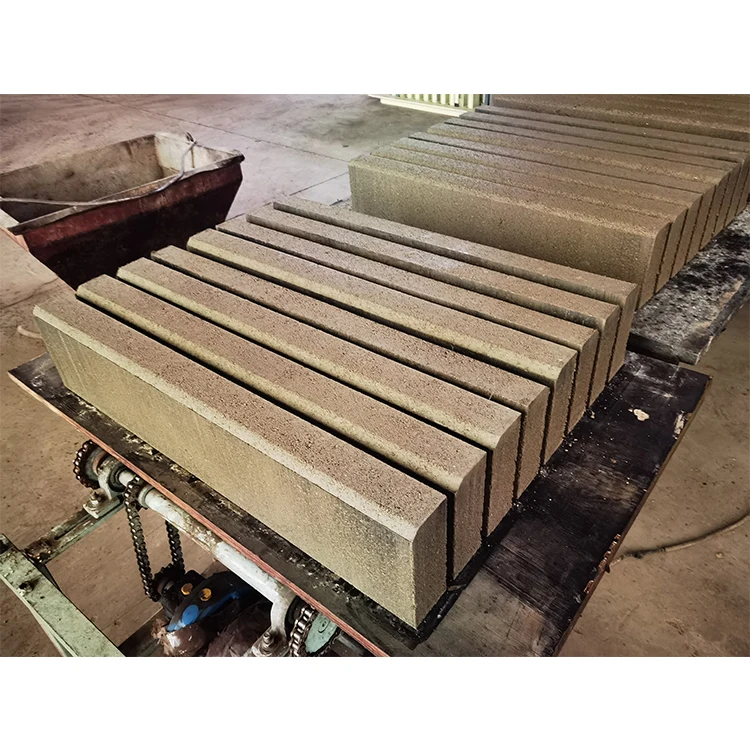
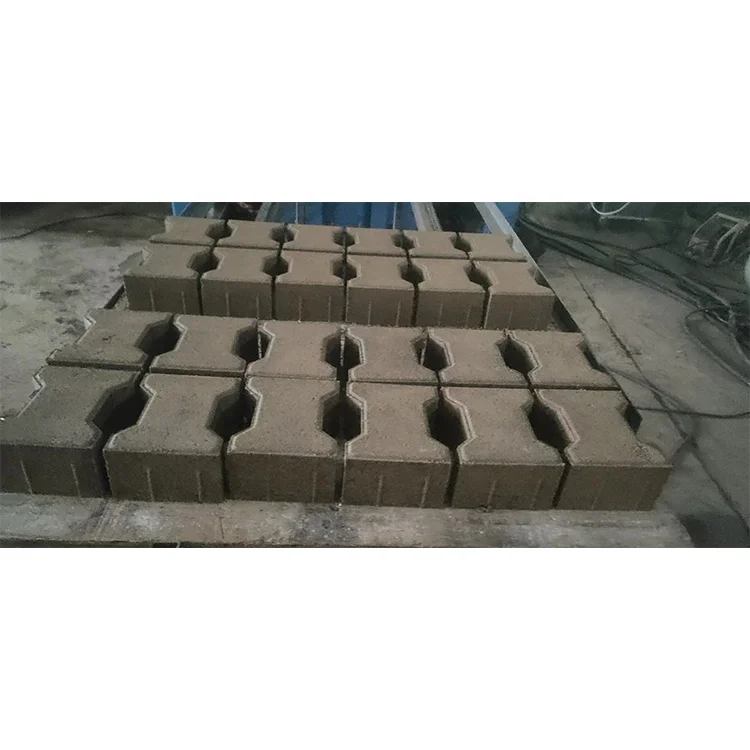
| Hollow block production for building walls | Crushed stone, river sand, cement-based mix |
| Solid brick manufacturing | Fly ash, sand, cement blends |
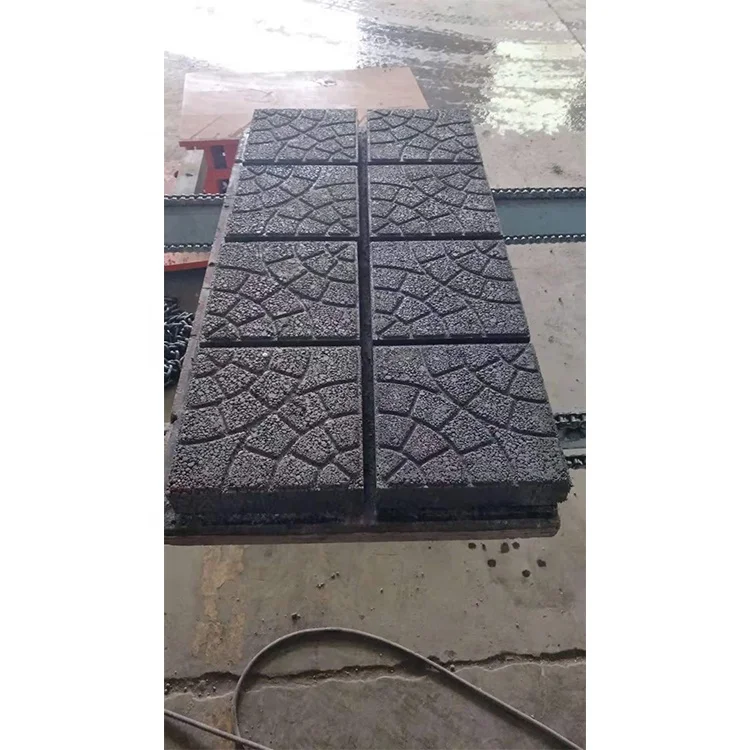
| Paving brick and interlocking paver production | Aggregate, pigment, cement mixes |
| Multicellular and porous brick output | Lightweight aggregate and cement |
| Standard brick runs for masonry contractors | Local sand and cement combinations |
Why Arrival Date Matters More Than the Quoted Price
A QT5-15 block machine in stock means the container is loaded this week, not built over the next two months.
When a construction milestone is fixed, every day of machine lead time pushes block production into overtime labor or external purchasing. Buyers who select a unit based on price alone often discover that a 60-day factory build cycle has already consumed the margin they thought they saved. The QT5-15 block machine in stock eliminates that gap between order confirmation and first production run, which is the single variable most quotations leave undefined [NEED_CITE: typical lead time expectations for stationary block machines].
What "In Stock" Actually Means for This Press
Stocked inventory for the QT5-15 block machine in stock covers the press body, hydraulic station, and PLC cabinet assembled and factory-tested before your order arrives. Standard moulds for common formats — hollow blocks, solid bricks, and pavers — sit on the same warehouse floor. This means the dispatch conversation starts from "which container and which sailing" rather than "when does production begin."
Container Loading and Dismantling Sequence
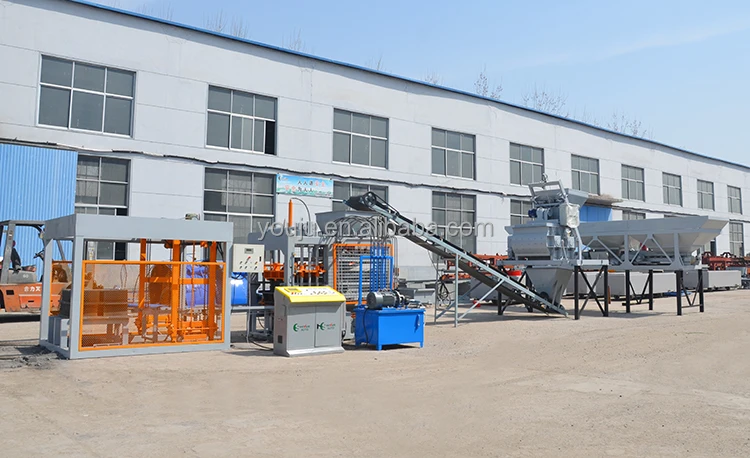
The QT5-15 is dismantled into transport sections that fit standard 40-foot high-cube containers. The main frame, vibration platform, hydraulic unit, and control cabinet each have a designated loading position. Pallet stacks and mould crates are secured to prevent shifting during ocean transit. Packing photographs are taken and shared before the container doors close, so the receiving team knows exactly what to expect at the port of destination [NEED_CITE: standard container loading practices for heavy industrial machinery].
Reading the Capacity Table Without Getting Misled
The productivity figures in the specification table carry a format assumption that changes the real output dramatically. A single mould produces five 400×200×200 mm hollow blocks per cycle but thirty-two 400×115×53 mm bricks in that same cycle. The 15–20 second cycle time itself depends on mix consistency, block height, and vibration duration. Before you anchor a project schedule to any of these numbers, confirm which format your market actually orders and request a capacity recalculation against that specific block. The hydraulic pressure at 21 MPa and the vibration frequency range of 2800–4500 rolls/minute together determine whether the pressed block holds together during the green stage or crumbles before it reaches the curing rack.
The Cost of Skipping Voltage and Language Confirmation
Arriving at a job site to find the PLC display is in a language the operator cannot read, or the motor is wired for a voltage the local grid does not supply, turns a fast delivery into a slow commissioning. Voltage, frequency, and control language must be locked in writing before the QT5-15 leaves the factory. Rewiring a 26.5 kW motor on site is neither quick nor inexpensive, and re-flashing PLC firmware remotely adds days of downtime that the "fast delivery" was supposed to prevent [NEED_CITE: voltage and frequency standards by export market].
Why Stock Availability Changes the Buying Conversation
Buying from stocked inventory shifts the negotiation from machine configuration to logistics coordination. The press itself has already been built and tested. The relevant questions become: which standard moulds ship with it, does the 1100×550 mm pallet size match the curing racks and forklift already on site, and what is the realistic port-to-port transit time. These are questions with definite answers, not estimates that shift as the production queue grows.
Documentation & Verification
- Factory test record captured on your specified block format before dispatch
- Voltage and PLC control language confirmation sheet signed off pre-shipment
- Packing photographs documenting container loading sequence and securing method
- CE declaration included with customs documentation package
- Operation manual with fault diagnosis code table for the PLC system
- Wear parts list identifying hydraulic seals and vibration components by part number
Installation, Commissioning & Support
- Foundation pad must accommodate the 7400×1950 mm footprint with level tolerance for the vibration platform
- Dedicated electrical circuit rated for the 26.5 kW motor draw with voltage confirmed in writing before shipment
- Machine arrives dismantled; reassembly sequence follows the packed loading photographs
- First-run commissioning verifies cycle timing against your actual mix and block format
- PLC fault diagnosis codes covered during on-site operator training session
- Hydraulic wear parts and mould wear components identified in the pre-shipped spare list
What to Prepare Before Requesting a Dispatch Quote
Provide the exact block format your market orders most frequently, the local aggregate type you intend to use, and your site’s available voltage and frequency. Confirm whether your curing area and forklift can accommodate 1100×550 mm pallets or whether a different pallet size is needed. State your target port of destination so that transit time can be estimated against current sailing schedules.
Frequently Asked Questions
Q: Which QT5-15 units and standard moulds are currently in stock for immediate dispatch?
A: Stocked units include the QT5-15 press with full-automatic PLC control, hydraulic platform vibration system, and standard moulds for hollow blocks, solid bricks, and pavers. Availability is confirmed at inquiry and may shift as orders are placed, so early confirmation secures your unit from the current inventory rather than waiting for a new build cycle.
Q: How is the machine dismantled and loaded into the container?
A: The QT5-15 is broken into transport sections — main frame, vibration platform, hydraulic station, and PLC cabinet — each assigned a position inside a standard container. Pallets and mould crates are secured to prevent transit damage. Packing photographs document every stage before the container is sealed.
Q: What is the realistic arrival estimate from order to port of destination?
A: With a stocked QT5-15 block machine in stock, dispatch begins once voltage and control language are confirmed. Container loading follows within days. Port-to-port transit depends on the destination and current sailing schedules, and this estimate is provided in writing before you commit to the order.
Q: Are voltage, frequency, and control language confirmed before the machine leaves the factory?
A: Yes. Voltage, frequency, and PLC display language are confirmed in writing before the machine is released for container loading. This step prevents on-site commissioning delays caused by motor rewiring or firmware changes after the machine has already crossed an ocean.
Q: What customs documentation is provided and how is it prepared for smooth clearance?
A: Each shipment includes an HS code, packing list, commercial invoice, and CE declaration. These documents are prepared alongside the container loading so they are ready when the vessel departs, reducing the chance of customs holds at the destination port.