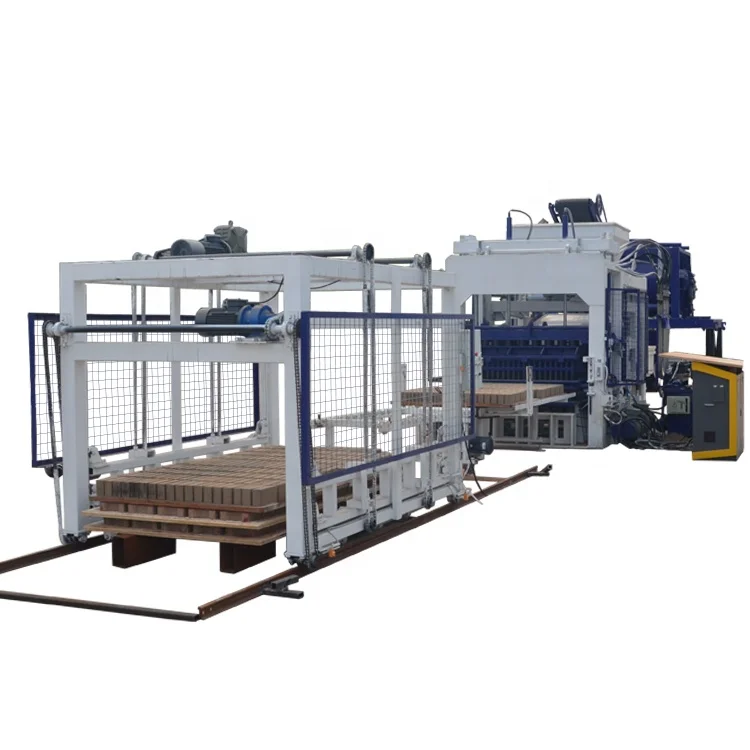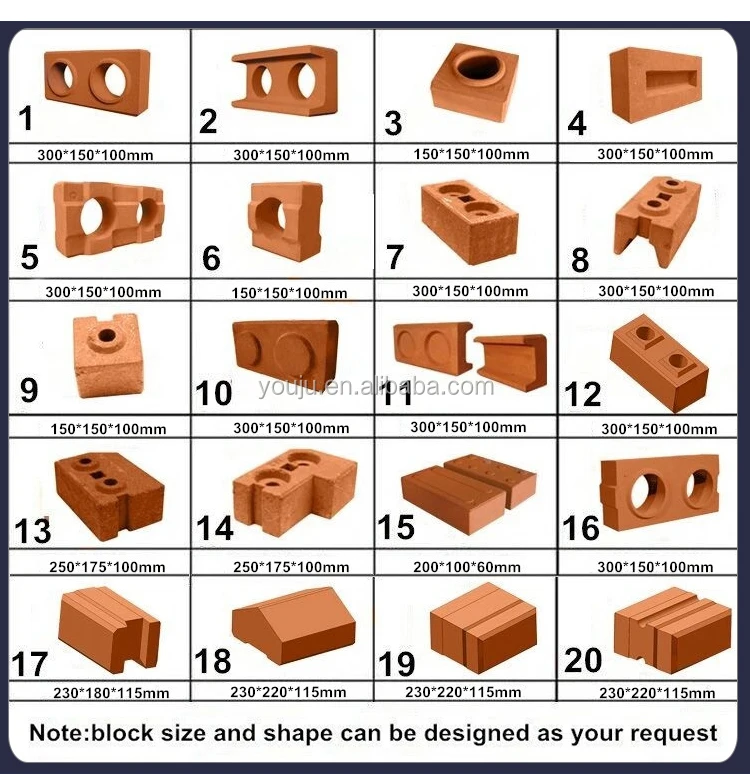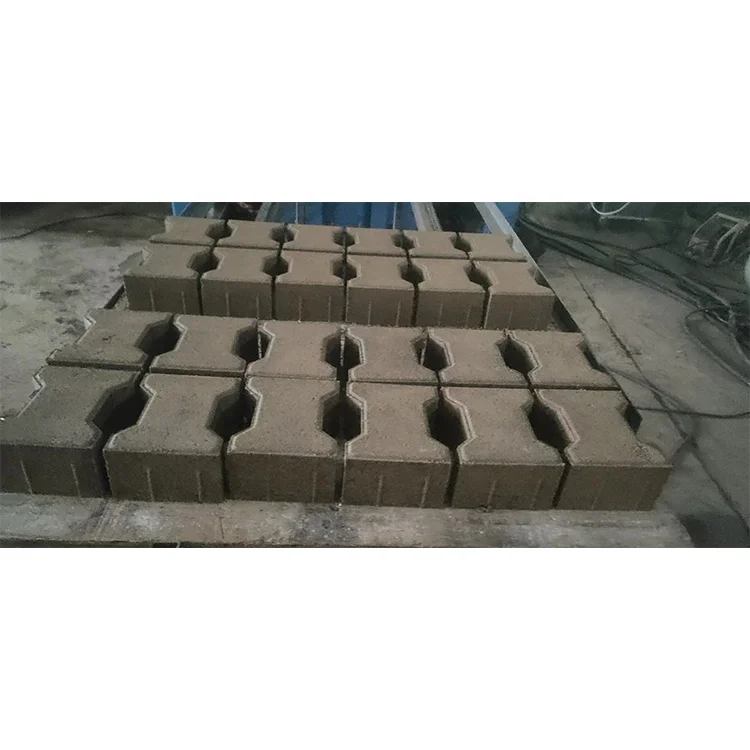
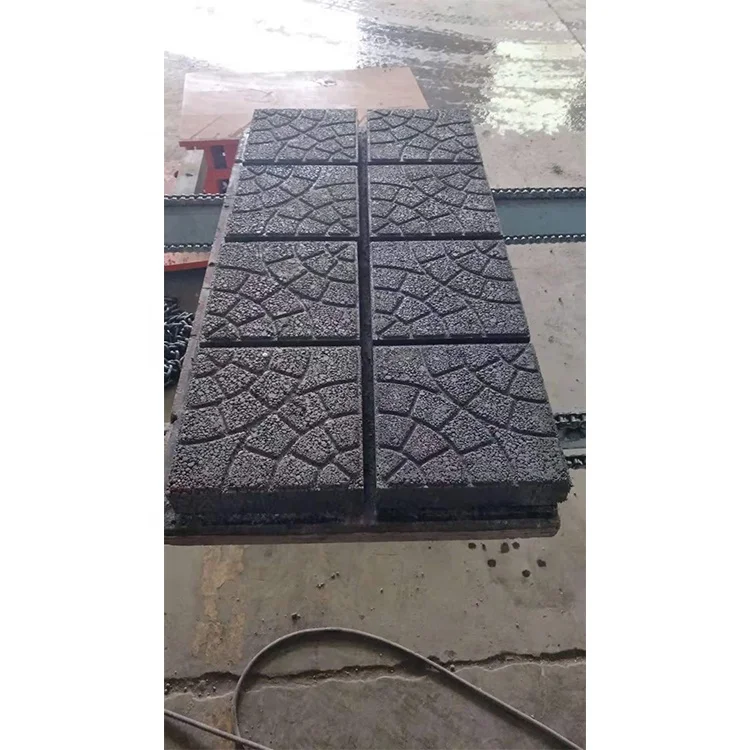


Description
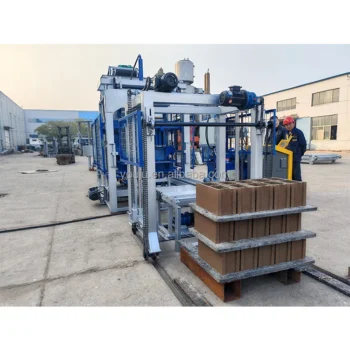
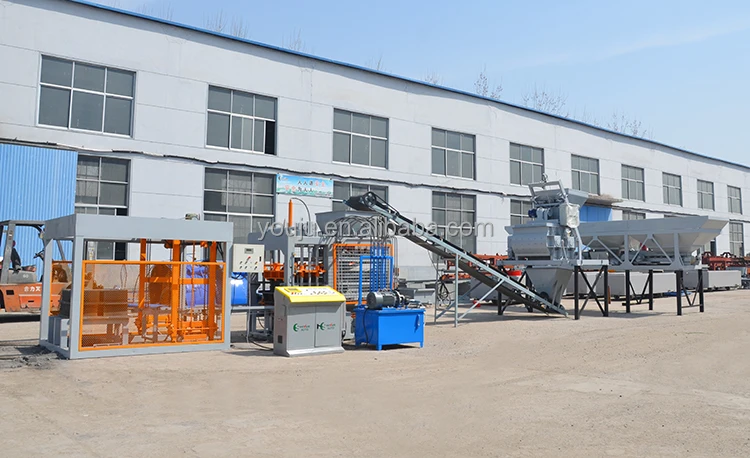
Stocked and ready — QT5-15 block machines are held in inventory for fast dispatch with arrival timing quoted before the invoice is signed, not after.
Technical Specifications
| Parameter | Value |
|---|---|
| Model | QT5-15 |
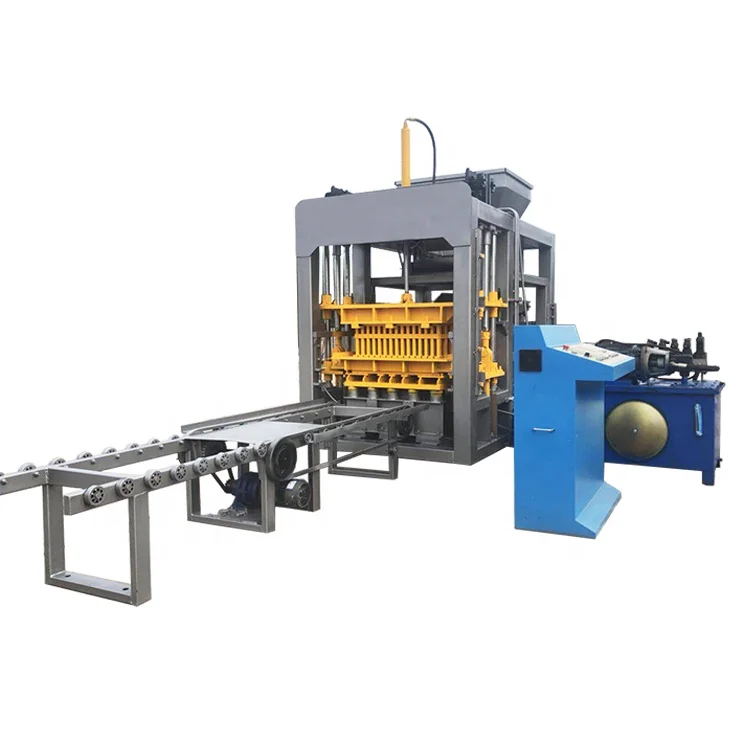
| Product Type | Automatic Hydraulic Concrete Block Making Machine |
| Overall Dimensions (L×W×H) | 7400 × 1950 × 2800 mm |
| Rated Pressure | 21 MPa |
| Main Vibration Form | Hydraulic platform vibration |
| Vibrating Frequency | 2800–4500 rolls/minute |
| Cycle Time | 15–20 seconds |
| Motors Power | 26.5 kW |
| Pallet Size | 1100 × 550 mm |
| Weight | 6T |
| Voltage | According to buyer needs (basis not stated in source — confirm voltage & frequency) |
| Control System | PLC with fault diagnosis and remote controlling system |
| Automation Level | Full automatic |
| Assembly State | Stationary |
| Standards | CE (declared in source image — verify certificate availability) |
Application Suitability
| Application | Material or Output |
|---|---|
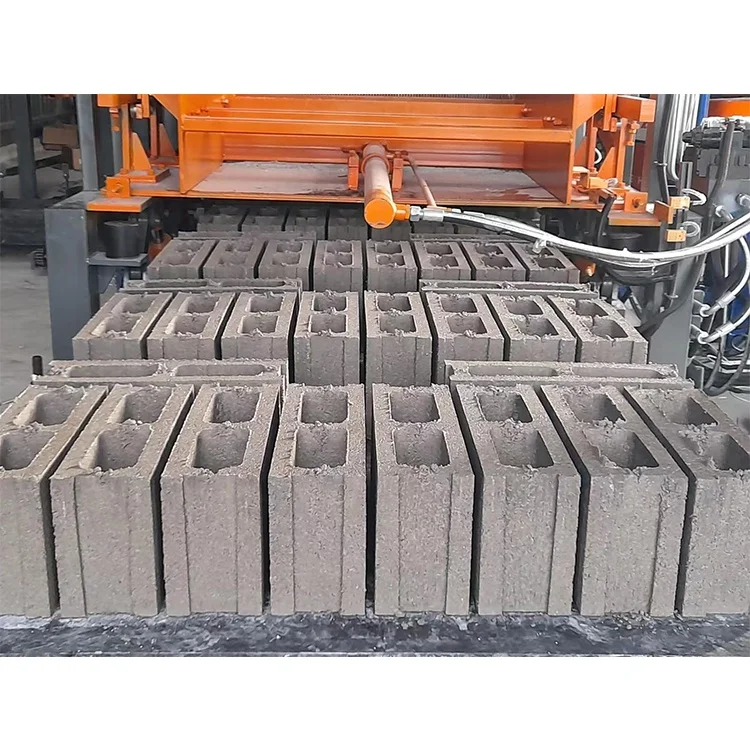
| Hollow block production | Crushed stone, cement and sand mix |
| Standard brick production | Cement, fly ash and fine aggregate |
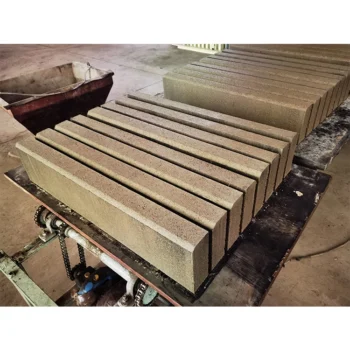
| Paving brick production | Coarse aggregate with cement binder |
| Multicellular brick production | Lightweight aggregate and cement blend |
Why the Quoted Lead Time Matters More Than the Quoted Price
A machine that ships late costs more per day in delayed revenue than any discount ever saved.
Project contractors and plant owners both work against a calendar that does not move. When a block machine arrives three weeks after the promised date, the crew sits idle, the curing yard waits empty, and the construction deadline slips. The real expense is not the shipping surcharge; it is the missed truckload of blocks that should have been on site. Buyers who have been burned before now ask for the dispatch date in writing before they ask for the quotation total. [NEED_CITE: impact of delayed equipment delivery on construction project penalties]
What "In Stock" Actually Means for Your Timeline
Having a QT5-15 block machine in stock does more than shorten the wait. It means the hydraulic cylinder, vibration motor, and PLC cabinet have already been assembled, wired, and run on our factory floor. We do not start building after your deposit clears. The machine you see in the inventory list is the machine that goes into your container, so the gap between order confirmation and port arrival stays tight. For a contractor chasing a fixed handover date, that gap is the difference between producing blocks on site next week and still waiting for a production slot next month.
Container Loading and Dispatch Reality Check
Every QT5-15 block machine in stock is measured against container dimensions before the packing list is finalised. The main press frame, hydraulic station, pallet feeder, and control cabinet are dismantled into numbered sub-assemblies that fit a standard 40-foot high-cube container. We photograph every crate, label every bolt bag, and send the loading plan to the buyer before the container doors close. If your port is prone to congestion or your inland haul is long, the arrival estimate is adjusted at the quotation stage, not the shipping stage. [NEED_CITE: standard container loading practices for heavy industrial machinery]
Reading the Specs That Decide Your Daily Output
The QT5-15 runs a hydraulic platform vibration system with a frequency range of 2800 to 4500 rolls per minute. Higher frequency suits lighter, smoother-facing pavers, while lower frequency pushes denser compaction into hollow blocks where wall thickness is thin. The 21 MPa rated pressure works in tandem with that vibration to squeeze air out of the mix; drop the pressure and the block leaves the mould soft, raise it and the mould wear accelerates. The 1100 × 550 mm pallet size sets the maximum mould footprint, which means every format calculation starts from that rectangle. A 400 × 200 × 200 mm hollow block fits five cavities per mould, giving 7,200 to 9,600 pieces per 8-hour shift at a 15–20 second cycle time. Smaller standard bricks at 400 × 115 × 53 mm fit 32 cavities, yielding 61,440 to 70,400 pieces per 8-hour shift under the same cycle conditions.
The Hidden Cost of Skipping Voltage Confirmation
A 26.5 kW motor package and a PLC cabinet full of solid-state relays expect a specific voltage and frequency. Ship a QT5-15 configured for 380 V / 50 Hz to a site that runs 440 V / 60 Hz and the motor overheats within the first shift, the PLC power supply fails, and the hydraulic solenoid valves chatter instead of switching cleanly. The repair bill is small; the lost production week is not. We confirm voltage, frequency, and PLC display language in writing before the machine leaves the factory, because a rewound motor on a remote job site is a problem that no manual page can solve. [NEED_CITE: electrical compatibility requirements for exported industrial machinery]
Why Buyers Source the QT5-15 from This Inventory
The machine, mould, and pallet are specified together as one matched system, so the 1100 × 550 mm pallet and the mould cavities align with the curing racks you already own. Every unit in stock has a factory test record showing cycle time measured on a target block format, not a generic test brick. Voltage and control language are confirmed per order before dispatch, removing the most common commissioning delay. Mould and wear parts lists ship with the machine so the first replacement set can be ordered in the same container, avoiding a second freight cycle. The full line scope, including pallet feeding and stacking equipment, is quoted upfront so the output reaches the curing rack without a hand-stacking crew.
Documentation & Verification
- Factory test record showing cycle time on your chosen block format before dispatch
- Voltage, frequency, and PLC display language confirmation sheet signed before production
- Packing photographs and numbered container loading plan for predictable reassembly
- Mould drawing and format list matched to your pallet size and target market
- Wear parts and hydraulic seal list included with the shipment
Installation, Commissioning & Support
- Foundation plan sized to the 7400 × 1950 mm footprint and 6T operating weight of the QT5-15
- Dedicated power circuit matching confirmed voltage and 26.5 kW total motor load
- Sub-assembly reassembly supervised on site with numbered crate reference
- PLC fault diagnosis and remote monitoring checked before first production run
- Operator training covering mould change, cycle adjustment, and daily greasing points
- Spare mould springs and hydraulic seals handed over at commissioning for first replacement
Before You Request a Quote
Tell us the block format you sell today, the daily volume your market absorbs, and the curing yard dimensions you have available. Share your site voltage, frequency, and the language your operators read on a screen. If you already run pallets and forklifts, send their sizes so the 1100 × 550 mm pallet spec is verified against your handling gear. The more exact the input, the closer the arrival date we can lock in.
Frequently Asked Questions
Q: Which QT5-15 models and moulds are currently in stock and what is the dispatch lead time?
A: Standard QT5-15 units with hollow block and standard brick moulds are held in inventory. Dispatch lead time is quoted at the inquiry stage and depends on container availability and port schedule. Custom moulds add production time, which is stated before the order is confirmed so your project calendar stays intact.
Q: How is container loading planned and is machine dismantling required for shipment?
A: The main press, hydraulic station, and pallet feeder are dismantled into numbered sub-assemblies to fit a 40-foot high-cube container. A loading plan with crate photographs is sent before the container is sealed. Reassembly follows the same numbering on site.
Q: What voltage and frequency options are confirmed before the machine leaves the factory?
A: Voltage and frequency are confirmed in writing per buyer requirement before the machine leaves our factory. The PLC display language is set to the operator’s preference at the same stage. This prevents motor overheating and control faults during first commissioning.
Q: Can I order additional moulds and pallets with the same shipment?
A: Yes. Additional moulds and pallets are loaded into the same container using space mapped during the loading plan stage. This avoids a second freight cycle and ensures spare parts are on site when the machine starts production.
Q: What on-site arrival timeline can I expect from order to commissioning?
A: From order confirmation to port arrival, the timeline depends on sea freight schedules and inland haul distance. We quote the estimated arrival date upfront, adjusted for known port congestion. Commissioning follows reassembly, typically within days of the container reaching your site.