
Description
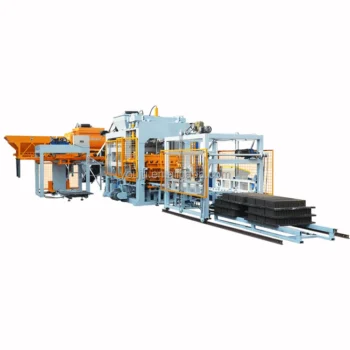
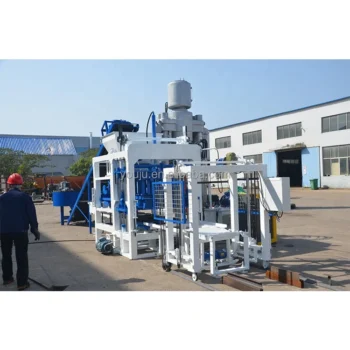
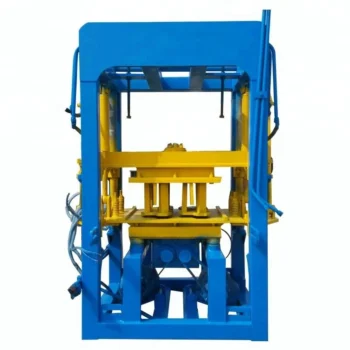
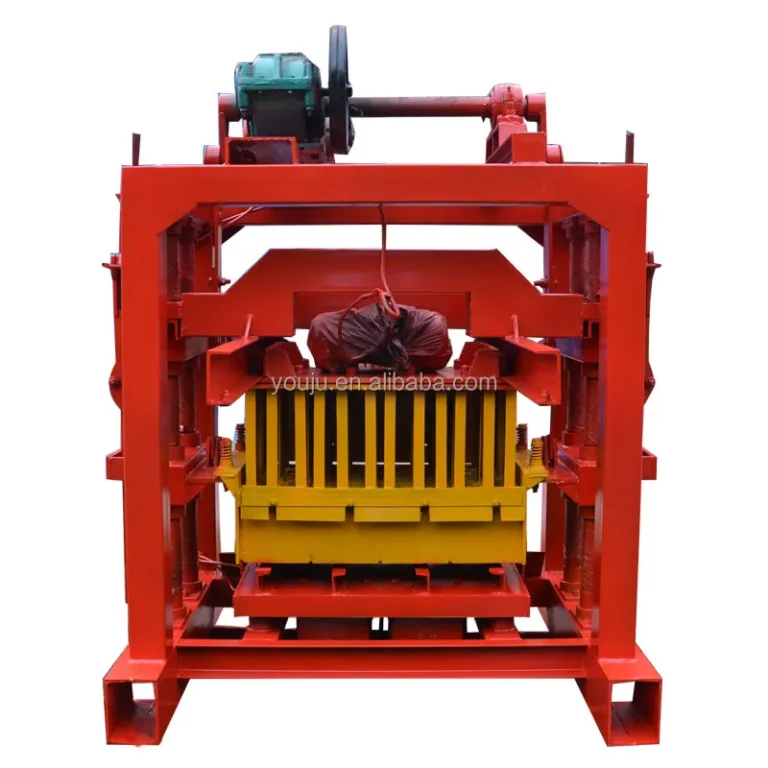
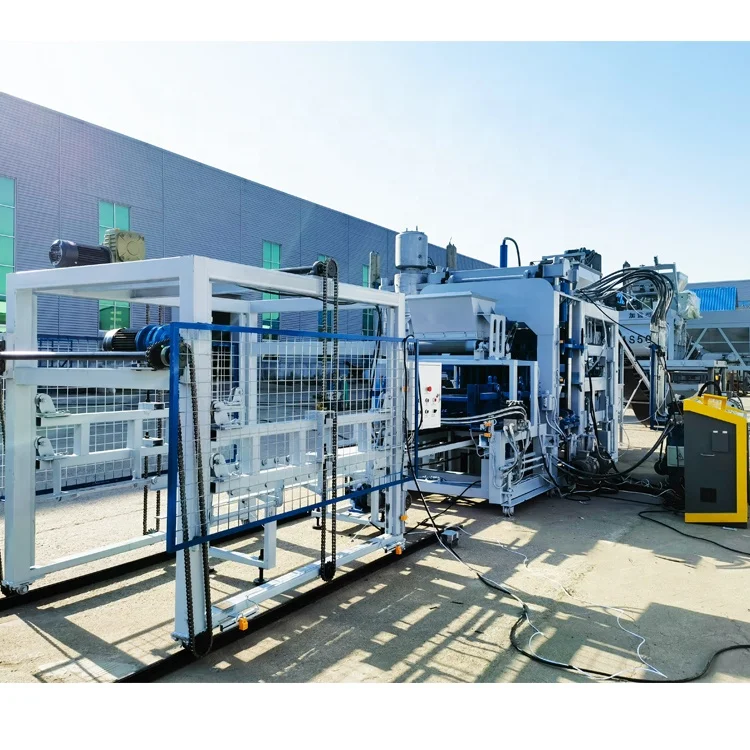
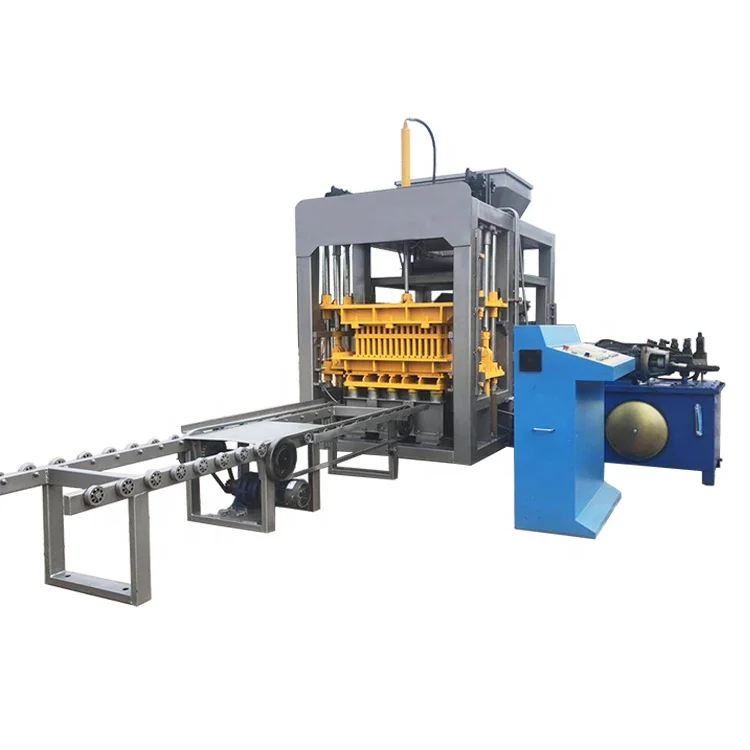
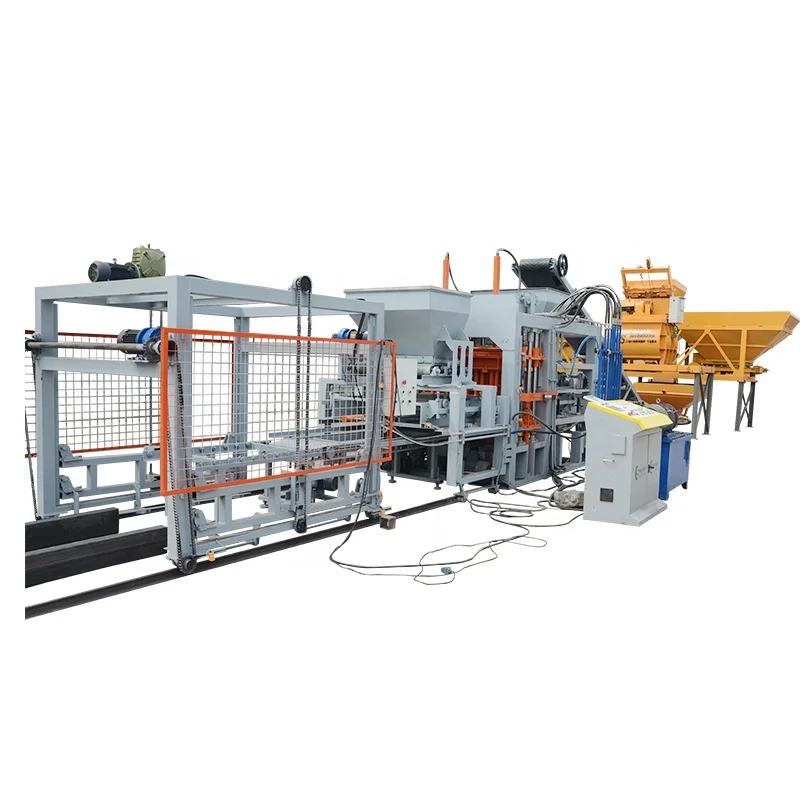
Ready-to-ship QT5-15 block machine — capacity calculations, pallet sizing and container loading plans are confirmed before dispatch, not left for on-site guesswork.
Technical Specifications
| Parameter | Value |
|---|---|
| Model | QT5-15 |
| Product Type | Hydraulic Concrete Block Making Machine |
| Overall Dimension | 7400 × 1950 × 2800 mm |
| Total Mass | 6 T |
| Rated Pressure | 21 MPa |
| Vibration Force | 40 KN |
| Main Vibration Form | Platform Vibration |
| Vibration Frequency | 2800–4500 r/min |
| Molding Cycle | 15–20 s |
| Pallet Size | 1100 × 550 mm |
| Demolding Method | Hydraulic |
| Control System | PLC intelligent control with man-machine interface, fault diagnosis, remote control function |
| Output (Hollow brick 400×200×200 mm) | 7,200–9,600 pcs/day, 5 pcs/mold, cycle 15–20 s |
| Output (Porous brick 240×115×90 mm) | 23,040–28,800 pcs/day, 16 pcs/mold, cycle 16–20 s |
| Output (Standard brick 240×115×53 mm) | 61,440–70,892 pcs/day, 32 pcs/mold, cycle 13–15 s |
| Factory Area | 600 m² |
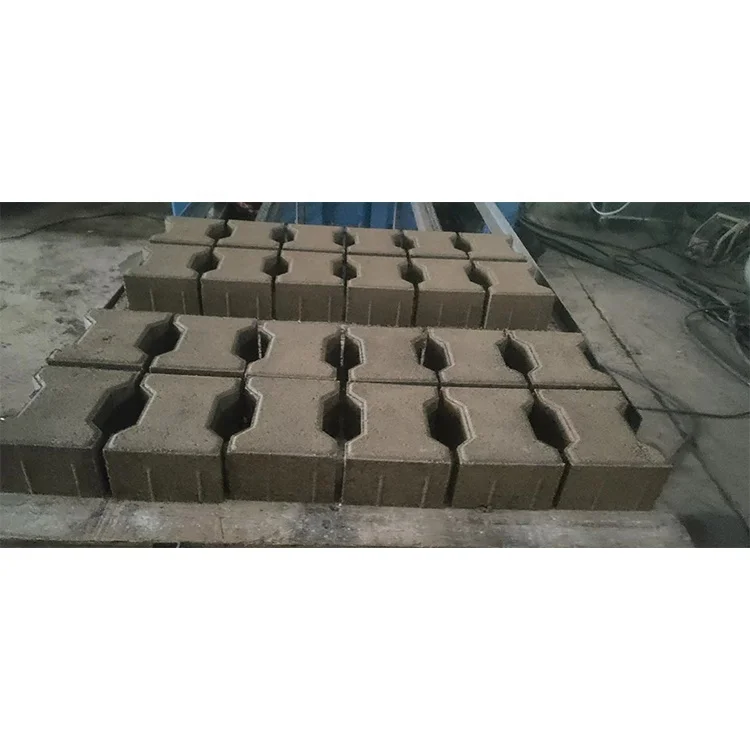
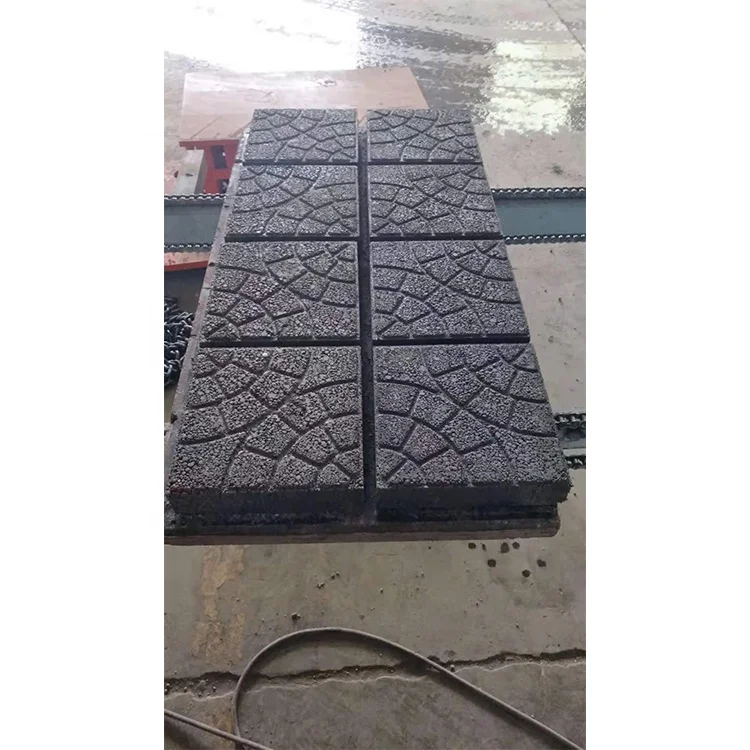
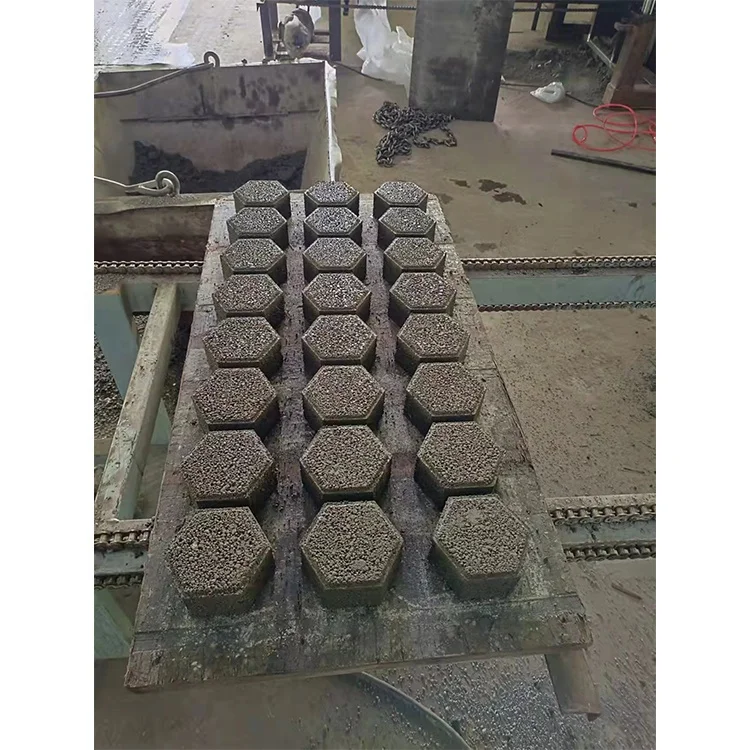
| Applied Products | Concrete blocks, hollow/solid blocks, pavers, interlocking blocks, curbstone, colored pavers |
| Raw Material | Crushed stone, sand, cement, dust, fly ash, gravel, slag |
Application Suitability
| Application | Material or Output |
|---|---|
| Hollow block production for building walls | Crushed stone, sand, cement, fly ash |
| Standard solid brick manufacturing | Sand, cement, gravel, slag |
| Porous brick production for insulation | Cement, fly ash, dust, crushed stone |
| Paver and interlocking brick for landscaping | Crushed stone, sand, cement, colored pigment |
| Curbstone production for roadworks | Crushed stone, sand, cement, gravel |
| On-site block making for construction contractors | Locally available aggregates and cement |
What "In Stock" Actually Means for Your Project Deadline
A QT5-15 block machine in stock is only useful if the pallets, moulds, voltage and control language are also ready to ship.
I have watched container bookings slip because the press was available but the matching pallets were still in production, or the PLC screen was set to a language the site operator could not read. When buyers focus only on press availability, the QT5-15 block machine in stock promise loses its meaning the moment a supporting component lags behind. Dispatch speed depends on the entire package leaving the factory together [NEED_CITE: typical export machinery lead time variables].
Dispatch Readiness Beyond the Press
A stocked QT5-15 block machine in stock leaves the factory faster when the buyer confirms pallet size and mould selection early in the order process. The 1100 × 550 mm pallet dimension must match the curing area and forklift already on site, otherwise the buyer faces a second procurement round before production can begin.
Container Loading and Dismantling Plans
The QT5-15 fits within standard container dimensions once the hydraulic station and control cabinet are detached. Loading plans should be agreed before dispatch so the buyer knows which components arrive flat and which require reassembly. Confirming the container type and lashing arrangement upfront removes surprises at the port of discharge [NEED_CITE: container loading standards for heavy industrial machinery].
Reading the Spec Sheet Against Your Local Conditions
The rated pressure of 21 MPa and vibration force of 40 KN must work together with the buyer’s local aggregate and mix proportions. Platform vibration at 2800–4500 r/min compacts the concrete evenly across the 1100 × 550 mm pallet, but block strength will vary if the sand grading or cement ratio differs from the test conditions. The molding cycle of 15–20 seconds shifts depending on block format, which is why daily output figures are stated per brick type rather than as a single number. The PLC fault diagnosis system reduces troubleshooting time on site, and the remote control function allows basic adjustments without reaching into the cabinet [NEED_CITE: PLC fault diagnosis benefits in block production].
What Happens When Pallet Size Is Overlooked
When pallet dimensions are chosen without checking the buyer’s existing curing racks and forklift capacity, the result is a production line that cannot move its own output. Blocks pile up beside the press because the pallets do not fit the curing area, and manual handling replaces the planned workflow. This bottleneck has nothing to do with machine capacity and everything to do with a single unchecked dimension [NEED_CITE: pallet and curing area coordination in block plants].
Why This Machine Ships as a Matched Set
The QT5-15 is configured as one system covering the press, moulds and pallets rather than sourced from separate suppliers. Factory testing runs on the buyer’s stated mix design before dispatch, and voltage along with PLC language is confirmed during production so commissioning starts on day one. Standard moulds are kept in stock alongside the press, and container loading plans are provided with the quotation so the buyer can book freight immediately after payment.
Documentation & Verification
- Factory test record using buyer’s block format and stated raw materials
- Pallet specification sheet matched to curing area and forklift capacity
- Voltage, frequency and PLC display language written confirmation before shipping
- Hydraulic and electrical schematic for on-site maintenance reference
- Packing photographs showing dismantling state and container lashing
- Mould drawing and format list for every block type included in the order
Installation, Commissioning & Support
- Foundation plan based on 7400 × 1950 mm footprint and 6 T total mass
- Dedicated power circuit sized to the QT5-15 hydraulic and vibration motors
- Reassembly guidance for hydraulic station and control cabinet after container unload
- First-run parameter tuning against local aggregate and mix proportions
- Operator training covering PLC interface, fault diagnosis and mould change procedure
- Wear parts list and hydraulic seal kit included with first shipment
Before You Request a Quote
Share the block formats your market sells along with the target daily output for each. Let us know the voltage and frequency at your site, the PLC language your operators need, and whether you already have pallets and curing racks in place so the QT5-15 block machine in stock can be matched and dispatched without delay.
Frequently Asked Questions
Q: Which QT5-15 models and moulds are currently in stock for immediate shipment?
A: Standard QT5-15 machines and common mould formats such as hollow blocks, solid bricks and pavers are held in stock. Custom mould designs require a separate production window. Confirming your block format early lets us check mould availability against your dispatch deadline.
Q: How do I estimate the full delivery time from order to my port?
A: Total time includes factory testing, container loading and ocean transit. Once your pallet size, voltage and PLC language are confirmed, we provide a dispatch date and estimated arrival so you can plan site preparation and customs clearance in parallel.
Q: What does the container loading process look like for this machine?
A: The hydraulic station and control cabinet are detached for container loading. We provide a dismantling drawing and lashing plan so your port agent knows the component count and can arrange ground transport from the port to the site without confusion.
Q: Can voltage and PLC language be confirmed before the machine ships?
A: Yes. Voltage, frequency and PLC display language are confirmed during production and documented in writing before dispatch. This step is built into our process so the QT5-15 block machine in stock is commission-ready when it arrives at your site.
Q: Are spare parts and wear items shipped with the machine?
A: A first-set wear parts kit and hydraulic seal list are included with the initial shipment. We also provide a full spare parts catalogue so you can plan reorder intervals based on your production volume and local supply conditions.