Description
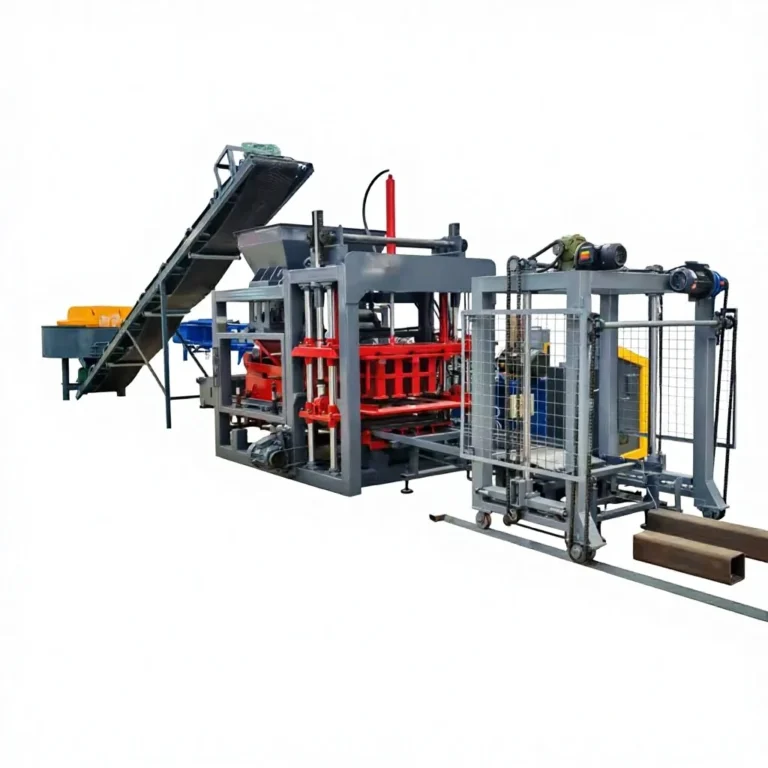
Stocked Production Readiness — the QT5-15 block machine is held in standard configuration so dispatch dates can be quoted against a project deadline rather than a custom build queue.
Technical Specifications
| Parameter | Value |
|---|---|
| Model | QT5-15 |
| Product Type | Automatic Concrete Block Making Machine |
| Overall Dimensions (L×W×H) | 7400×1950×2800 mm |
| Total Mass | 5000 kg |
| Overall Power | 32 kW |
| Vibration Force | 80 kN |
| Vibration Frequency | 0–60 Hz |
| Vibration Form | Platform Vibration |
| Pallet Size | 1100×550 mm |
| Molding Cycle | 15–20 s |
| Moulding Mode | Automatic loading, vibration moulding |
| Demolding Method | Hydraulic |
| Control System | PLC with touch screen interface |
| Hydraulic System | Independent integrated hydraulic station |
| Compressive Strength of Output Blocks | >15 MPa |
| Raw Material Compatibility | Fly ash (up to 70%), slag, gangue, sand, crushed stone, cement, water |
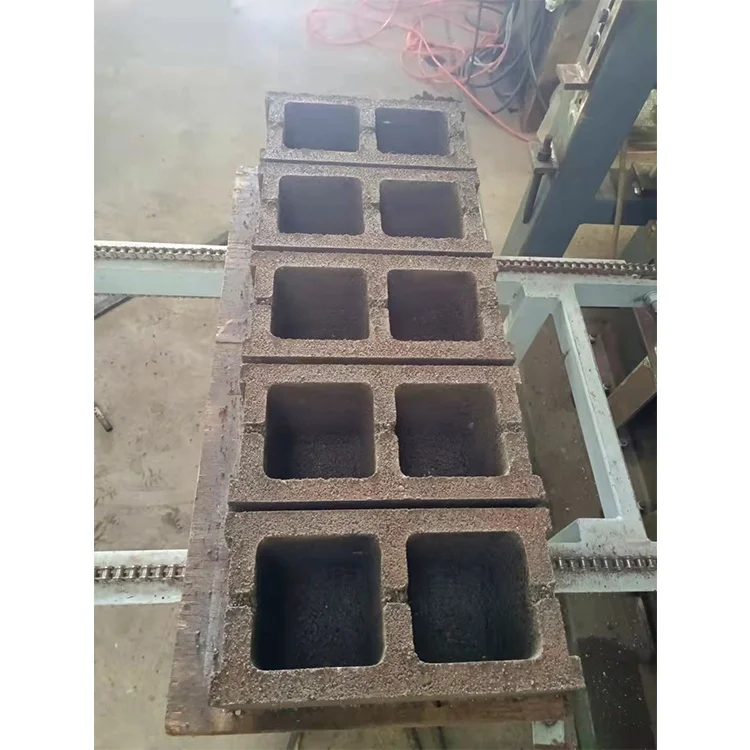
| Output — Hollow Block 400×200×200 mm | 900–1200 pcs/h, 7200–9600 pcs/8 hr (5 pcs/mould, 15–20 s cycle) |
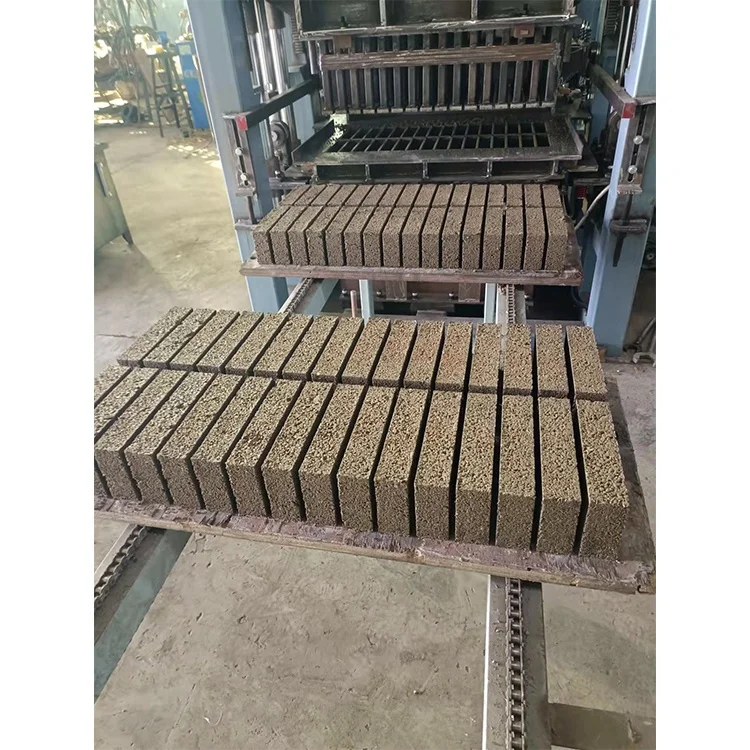
| Output — Hollow Block 400×150×200 mm | 1080–1440 pcs/h, 8640–11520 pcs/8 hr (6 pcs/mould, 15–20 s cycle) |
| Output — Solid Brick 240×115×53 mm | 5760–7680 pcs/h, 46080–61440 pcs/8 hr (32 pcs/mould, 15–20 s cycle) |
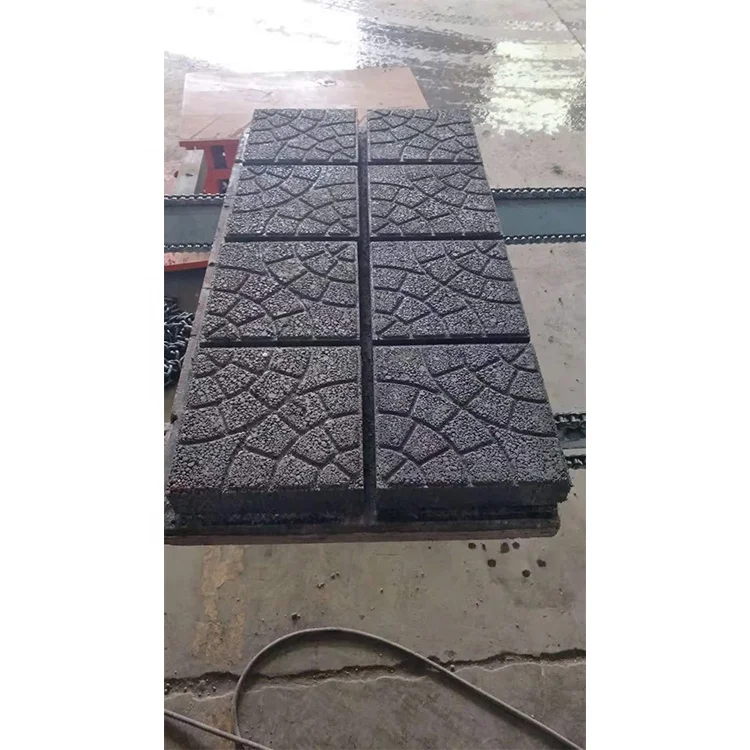
| Output — Rectangular Paver 200×100×60 mm | 3600–4500 pcs/h, 28800–36000 pcs/8 hr (25 pcs/mould, 20–25 s cycle) |
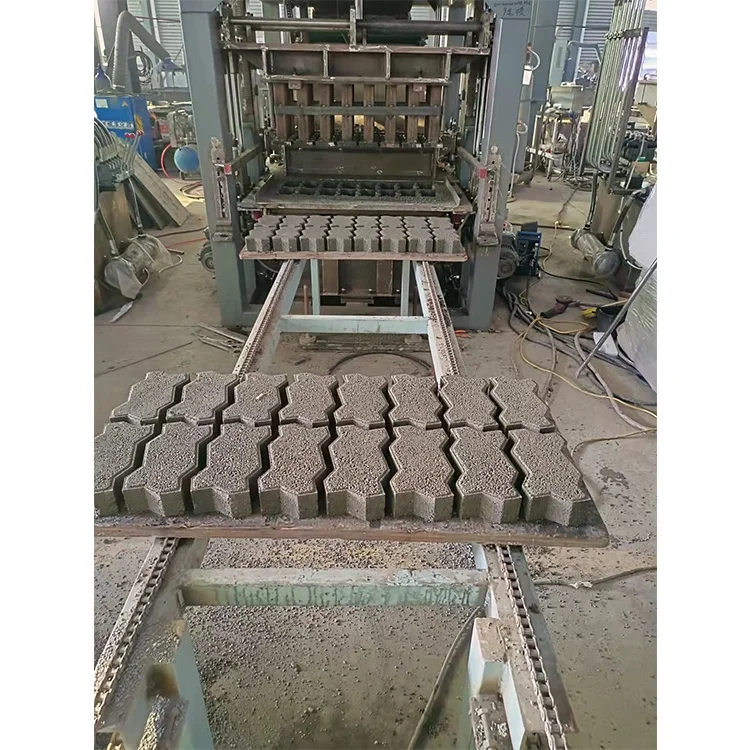
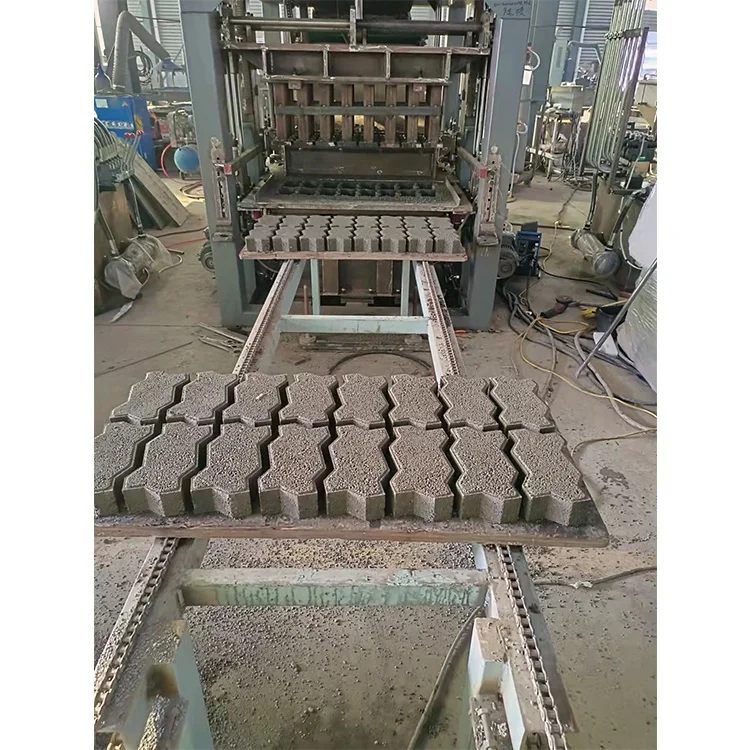
| Output — Zigzag Paver 225×112.5×60 mm | 2304–2880 pcs/h, 18432–23040 pcs/8 hr (16 pcs/mould, 20–25 s cycle) |
| Automation Level | Fully automatic (pallet feeding, material feeding, vibrating, demoulding) |
| Factory Area Required | 1000 m² |
| Warranty | 1 year (excluding spare parts) |
| Voltage & Frequency | To be confirmed before quotation |
| PLC Display Language | To be confirmed before quotation |
Application Suitability
| Application | Material or Output |
|---|---|
| Hollow block production for residential and commercial walls | Crushed stone, sand, cement with fly ash or slag admixture |
| Solid brick manufacturing for load-bearing and partition walls | Sand, gangue, cement blends |
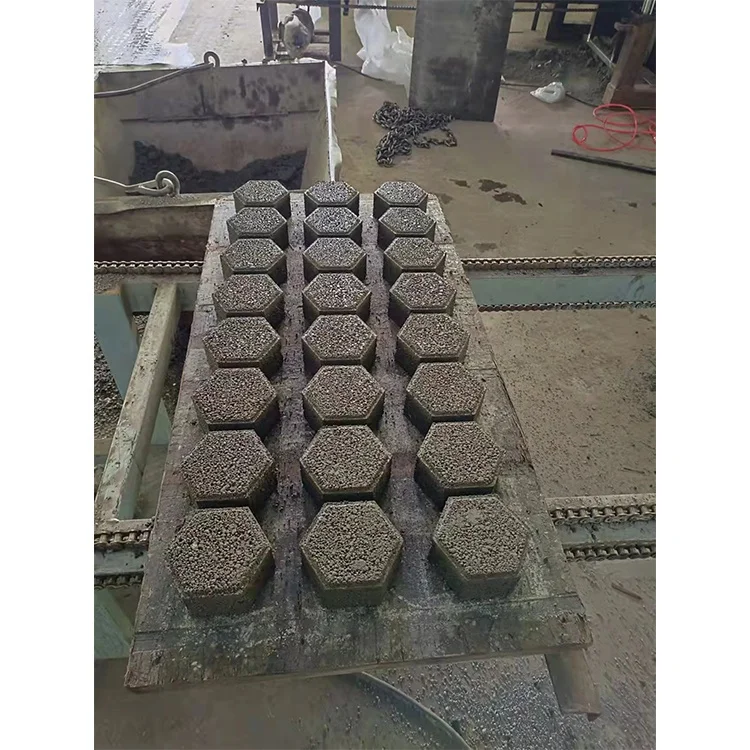
| Rectangular and zigzag paver production for driveways and walkways | Fine aggregate, cement, pigment where colour is required |
| Interlocking brick production for retaining walls and landscaping | Crushed stone, sand, cement mixes |
| On-site block production for housing and infrastructure projects | Locally sourced aggregate with cement binder |
What the Dispatch Date Actually Depends On
A confirmed voltage and frequency match is the single most common reason a ready-to-ship machine sits in the factory for weeks after the deposit clears.
Buyers often focus on whether the QT5-15 block machine in stock is physically available, then discover that the standard electrical configuration does not match the destination country’s grid. The machine is built around a 32 kW power package and a PLC-controlled touch screen, both of which must be matched to local supply before the control panel is wired. I have watched container bookings get cancelled twice because the voltage question was left until the machine was already crated [NEED_CITE: voltage and frequency standards by export market]. The QT5-15 fast delivery concrete block making machine can only ship on the quoted date when electrical specifications are locked at the order stage, not the packing stage.
Stock Configuration Versus Custom Lead Time
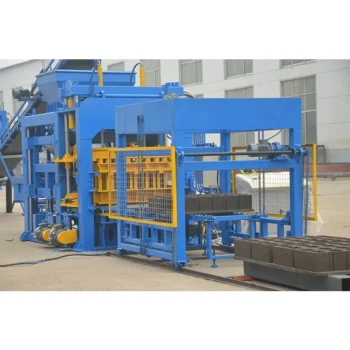
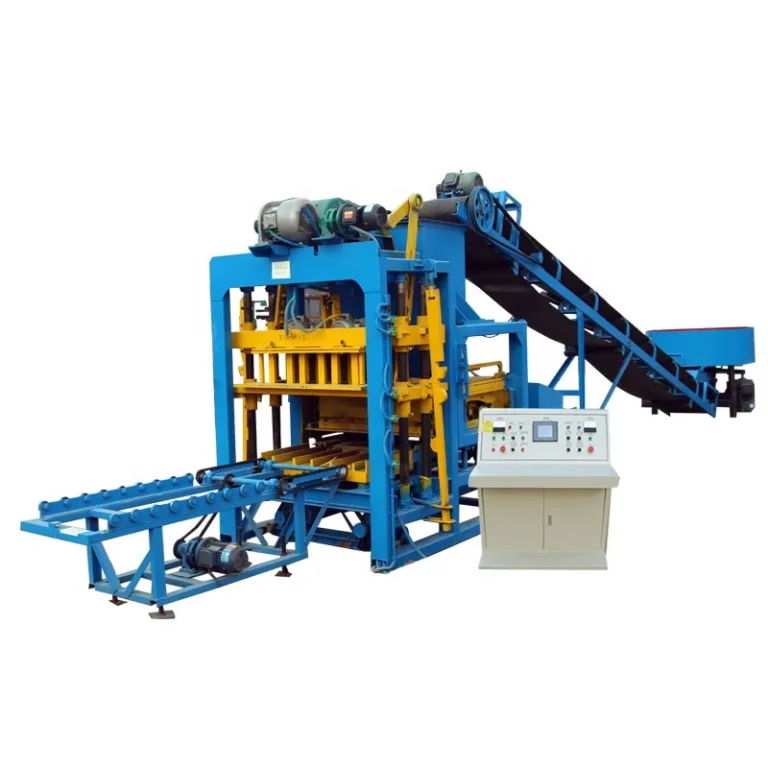
The QT5-15 block machine in stock refers to the standard mechanical build: 7400×1950×2800 mm frame, 80 kN platform vibration system, and 1100×550 mm pallet format. These dimensions and the hydraulic demolding station do not change between orders, which is what allows the production queue to hold units at a stage where they can be finished and dispatched without a full build cycle. Buyers who need the machine configured for a non-standard pallet size or a different vibration table layout move out of the stock pool and into a custom build with a different timeline.
Container Loading and Dismantling for Shipment
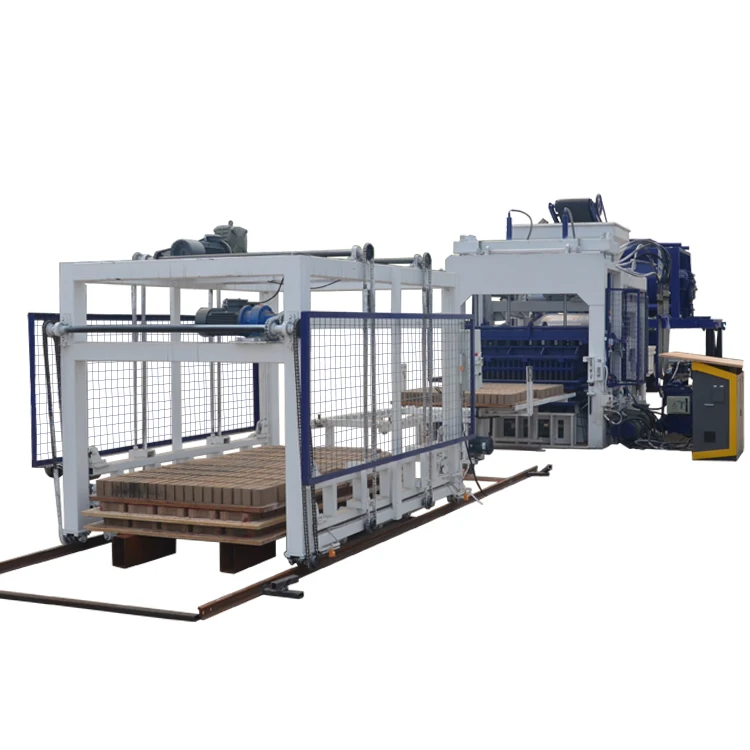
The 5000 kg total mass and the 7.4-metre length mean the QT5-15 fast delivery concrete block making machine does not ship as a single assembled unit. The main frame, hydraulic station, and control cabinet are separated for loading, typically requiring at least one 40-foot container. A detailed packing photograph set and container loading plan are produced before the balance payment so the buyer can verify dismantling method, bracing, and component placement. Arrival estimates are quoted against the destination port once the booking confirmation is received.
Matching Electrical Specifications to Destination Grid
The 32 kW overall power draw, the PLC touch screen, and the independent hydraulic station all depend on correct voltage and frequency. Standard configurations are held for common industrial grids, but destinations with less common supply standards require advance confirmation of both the motor winding specification and the control transformer rating. The QT5-15 block machine in stock is only fast-delivery if the electrical match is resolved before the machine enters final assembly [NEED_CITE: industrial motor voltage standards for export machinery]. Confirming the PLC display language at the same step avoids a second delay during commissioning.
How Vibration Force and Pallet Size Shape Your Output
The 80 kN vibration force working through platform vibration at 0–60 Hz determines how densely the mix is compacted in the mould, which directly governs whether the output blocks reach the >15 MPa compressive strength rating. Too little force on a stiff mix produces weak blocks; too much on a wet mix collapses the block before demolding. The 1100×550 mm pallet size is significant because it must match the curing racks and forklift tines already on site — a mismatch means either new racks or manual handling, both of which negate the speed advantage of a fast delivery concrete block making machine arriving ahead of schedule.
What Happens When the Wrong Configuration Ships
When a block machine arrives with a voltage that does not match the site transformer, the machine sits idle while a replacement transformer is sourced locally, sometimes for weeks. When the pallet size does not match existing curing infrastructure, the buyer is forced to either fabricate new racks or handle heavy wet blocks by hand. These are not engineering failures — they are procurement failures that happen when the QT5-15 block machine in stock is ordered without confirming the four or five site-specific parameters that determine whether it can actually run on arrival [NEED_CITE: common commissioning delays for imported block machinery]. The cost of a wrong voltage is not the transformer; it is the idle crew and the delayed project timeline.
Why Buyers Working to Deadlines Source Here
The production readiness pool exists because block machinery is the single focus, so standard models like the QT5-15 are held at a stage where they can be completed and dispatched without a full custom build cycle. Each machine is specified against the buyer’s actual block format and daily target, not a catalogue default, so the capacity figures stated per format are what the buyer plans against. Voltage, frequency, and PLC language are confirmed at the order stage to prevent commissioning delays. Factory test records, packing photographs, and customs documentation are provided before shipment so there are no surprises at the destination port.
Documentation & Verification
- Line layout showing the 1000 m² factory area requirement and station positions for your site
- Capacity calculation sheet stating the block format assumed for each output figure
- Factory test record run on your target mould before crating
- Voltage, frequency, and PLC language confirmation sheet signed before final assembly
- Packing photographs and container loading plan provided before balance payment
Installation, Commissioning & Support
- 1000 m² factory area with level concrete floor required to receive the 7400×1950×2800 mm frame
- Dedicated power supply matching confirmed voltage and 32 kW draw, installed before arrival
- Main frame, hydraulic station, and control cabinet reassembled on site per dismantling diagrams
- PLC touch screen parameters set to your mix design and target block format during commissioning
- Operator training covering mould change, pallet feeding, and daily maintenance routines
- Wear parts and mould list provided so first replacements can be ordered before they are needed
What to Include in Your Inquiry
To give you a confirmed dispatch date and arrival estimate, share the block formats you need to produce, your target daily output, and the block format that figure assumes. Confirm your site voltage, frequency, and preferred PLC display language so the QT5-15 fast delivery concrete block making machine is configured correctly before it enters final assembly. If you have existing curing racks or forklifts, send the pallet dimensions and tine spacing so the 1100×550 mm pallet system is verified against your infrastructure.
Frequently Asked Questions
Q: Is the QT5-15 currently in stock or what is the lead time after deposit?
A: The QT5-15 is held in production readiness in standard mechanical configuration. Once voltage, frequency, and PLC language are confirmed at the order stage, the machine moves to final assembly and testing. Lead time from deposit to container loading depends on how quickly these specifications are locked and whether any non-standard moulds are included in the order.
Q: How is the machine loaded into containers and how many are needed?
A: The 5000 kg machine is dismantled into the main frame, hydraulic station, and control cabinet for loading. The 7.4-metre length typically requires at least one 40-foot container. A detailed container loading plan and packing photographs are provided before the balance payment so you can verify the loading method and bracing arrangement.
Q: What arrival estimate can be quoted for my destination port?
A: Once the container booking is confirmed, an arrival estimate is quoted against your specific destination port based on current shipping schedules. Sea transit time varies by route and carrier, so the estimate is given at the time of booking rather than as a fixed figure in advance.
Q: Can voltage and PLC language be confirmed before shipment?
A: Yes, and this confirmation is required before the machine enters final assembly. The 32 kW power system, motor windings, and PLC touch screen must all match the destination grid and operator language. Confirming these at the order stage prevents the most common cause of commissioning delays for imported block machinery.
Q: What standard moulds ship with the machine and are additional moulds available?
A: Standard moulds for common hollow block and solid brick formats are typically held in stock alongside the machine. Additional moulds for specific paver or interlocking brick formats may require separate lead times. The quotation lists each included mould and its production readiness status so there are no surprises at dispatch.