Description
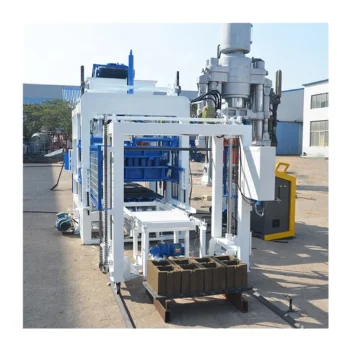
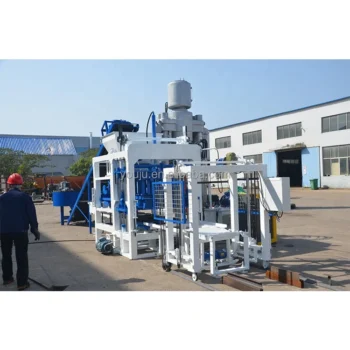
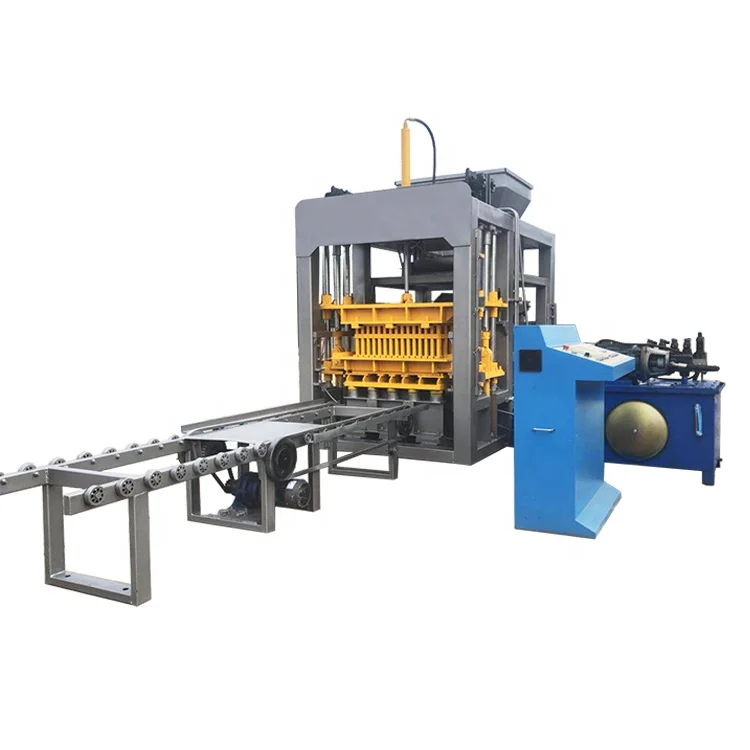
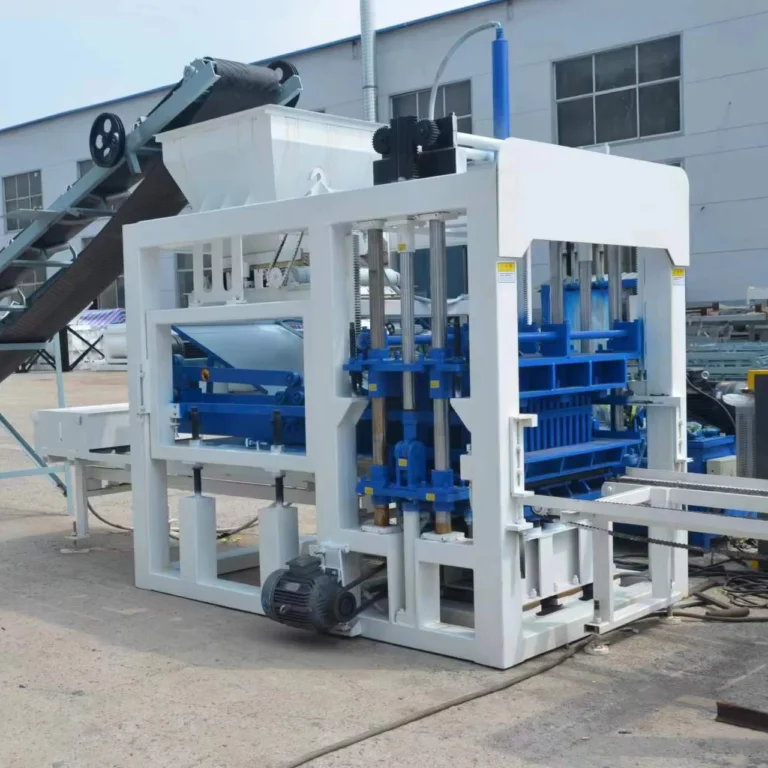
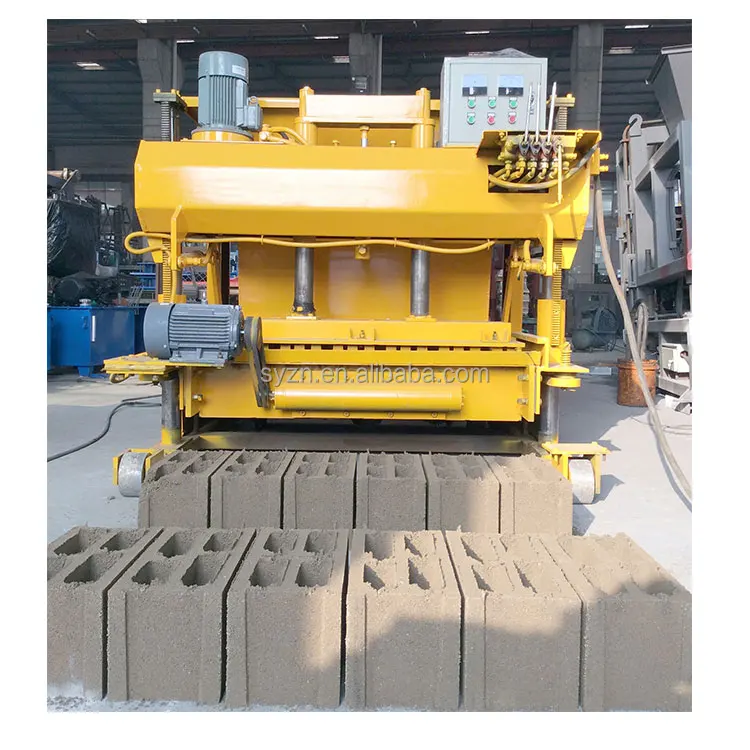
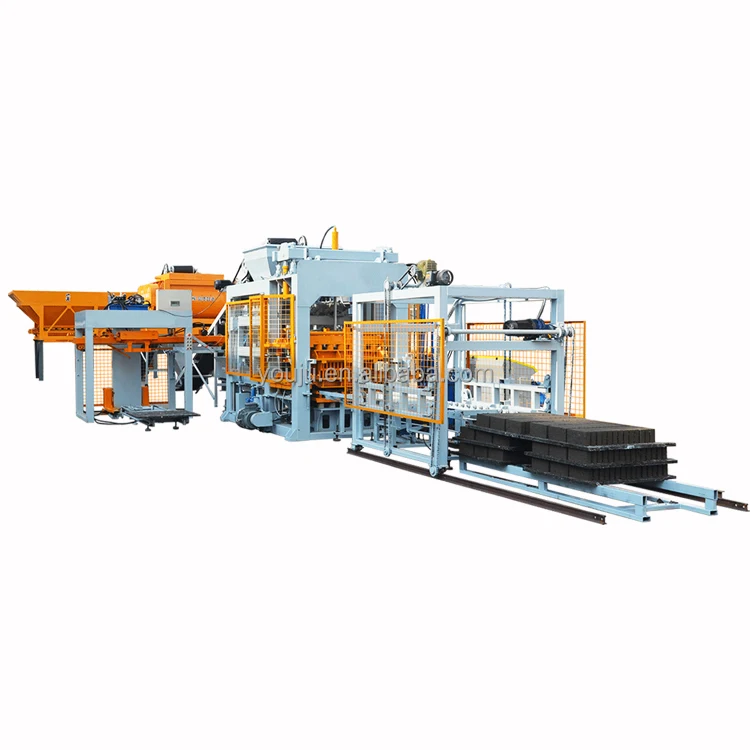
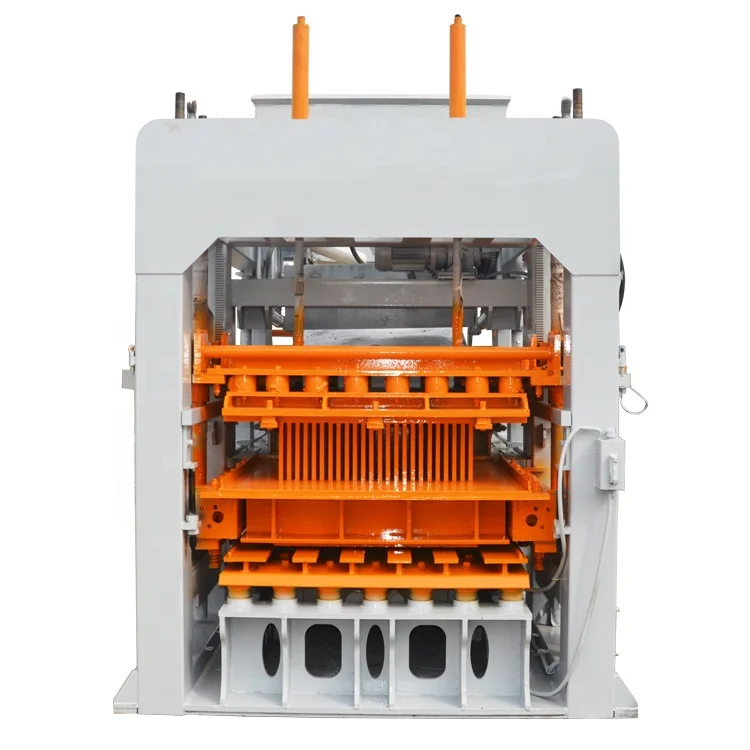
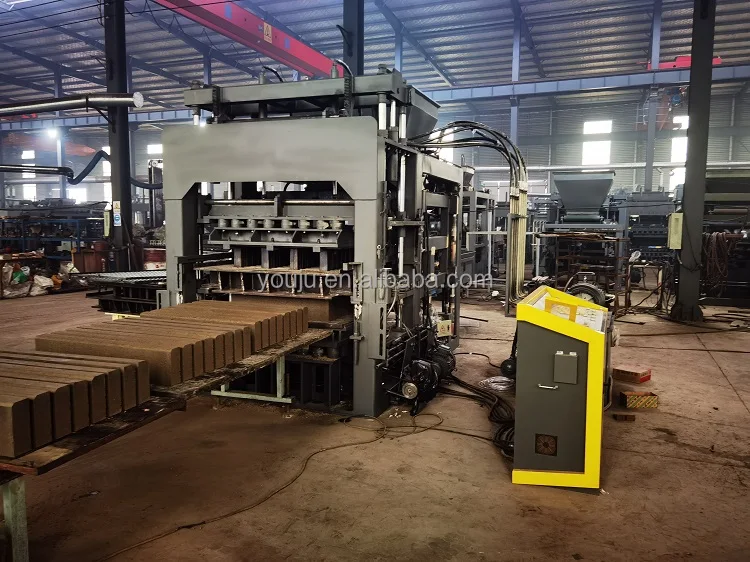
Stocked and ready — QT8-15 units held in inventory with standard mould sets, dispatch timeline confirmed at order rather than estimated weeks later.
Technical Specifications
| Parameter | Value |
|---|---|
| Model | QT8-15 |
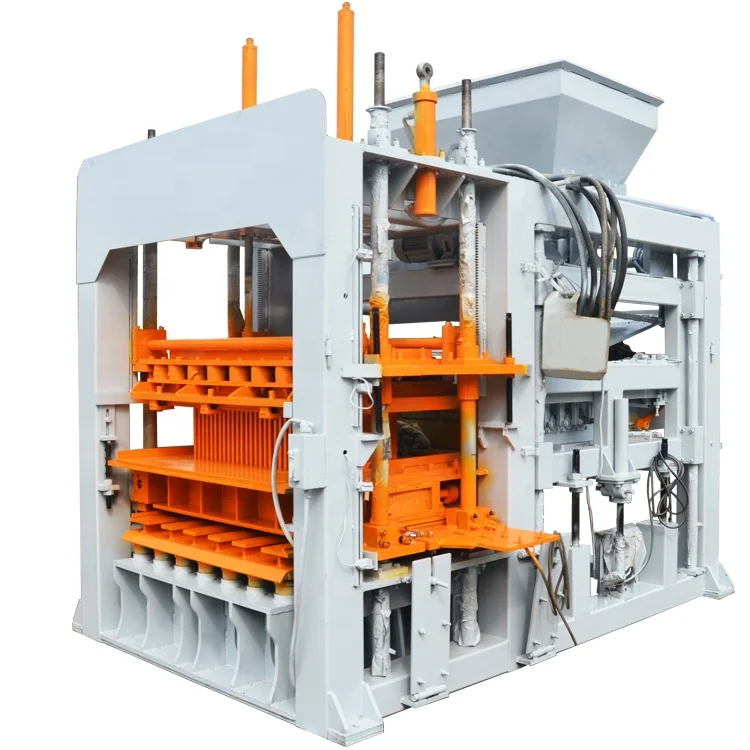
| Product Type | Automatic Concrete Hollow Block Making Machine |
| Cycle Time | 15–20 s per mould |
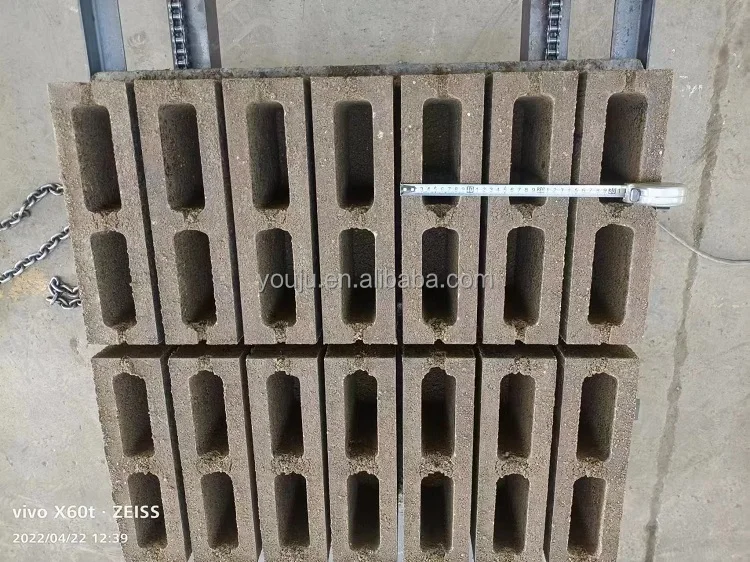
| Output — Hollow Block 400×200×200 mm | 8 pcs/mould, 1,600–1,900 pcs/h, 12,800–15,000 pcs/8 hr |
| Output — Solid Brick 240×115×53 mm | 45 pcs/mould, 8,000–10,000 pcs/h, 64,000–80,000 pcs/8 hr |
| Output — Paver 200×160×60 mm | 15 pcs/mould, 3,000–3,600 pcs/h, 24,000–28,800 pcs/8 hr |
| Output — Interlocking Paver 225×112.5×60 mm | 24 pcs/mould, 4,000–5,000 pcs/h, 32,000–40,000 pcs/8 hr |
| Mould Format Compatibility | Hollow block, solid brick, paver brick, curbstones |
| Mould Heat Treatment | Yes, for prolonged working life |
| Hydraulic Pressure Technology | Advanced hydraulic pressure system (basis to be confirmed) |
| Vibration System | Latest vibration system (basis to be confirmed) |
| Automation Level | Automatic (degree of automation, stacking and cubing scope to be confirmed) |
| Warranty | 1 year |
| Installation & Training | Professional engineer team for on-site installation and worker training |
| After-Sales Support | 24-hours online technical support |
Application Suitability
| Application | Material or Output |
|---|---|
| Fixed block production plant | Hollow blocks from crushed stone, sand, and cement for masonry walls |
| On-site contractor production | Solid bricks and pavers for project-specific paving and curb runs |
| Concrete product manufacturer | Interlocking pavers and curbstones from locally sourced aggregate blends |
| Distributor resale stock | Standard-format machines for fast regional deployment |
What "1,900 Blocks per Hour" Actually Means for Your Deadline
Output numbers only matter when tied to the exact block dimension you are producing.
Sellers quote peak cycle rates based on a single mould format, and buyers plan project schedules around those figures. When the same machine switches to a smaller solid brick mould, the hourly count changes entirely. If the quotation does not state which format the capacity assumes, the daily output on your actual product can fall well short of what the site schedule requires. This gap surfaces after the machine arrives, when there is no time left to adjust. [NEED_CITE: block output calculation methods across different mould formats]
Dispatch from Inventory Rather Than Production Queue
The QT8-15 automatic block machine in stock configuration ships with commonly requested hollow block and paver moulds already matched to the press. Buyers working against a construction handover date or a plant launch deadline need a confirmed dispatch date at the point of order, not a production slot estimate that shifts with factory workload. Stocked units shorten the gap between payment and container loading.
Container Loading and Machine Dismantling
Shipping a QT8-15 automatic block machine in stock requires dismantling the frame, hydraulic station, and mould assembly into container-friendly sections. The loading plan must account for pallet dimensions, mould crates, and spare part boxes. Clear dismantling documentation and a confirmed container count at quotation stage prevent last-minute freight surprises. [NEED_CITE: standard container loading practices for hydraulic block presses]
Why Cycle Time Varies Between Formats
The 15–20 second cycle applies across formats, but actual throughput depends on mould cavity count per plate. A hollow block mould carries 8 cavities while a solid brick mould carries 45, so hourly output ranges from 1,600 to 10,000 pieces depending on the format loaded. Hydraulic pressure and vibration force must be tuned to the specific mix design and aggregate gradation available at the buyer’s site, because a setting optimised for one format can produce weak blocks in another. The heat-treated mould surfaces resist wear across format changes, maintaining dimensional accuracy over extended production runs.
Mould Heat Treatment and Format Changeover
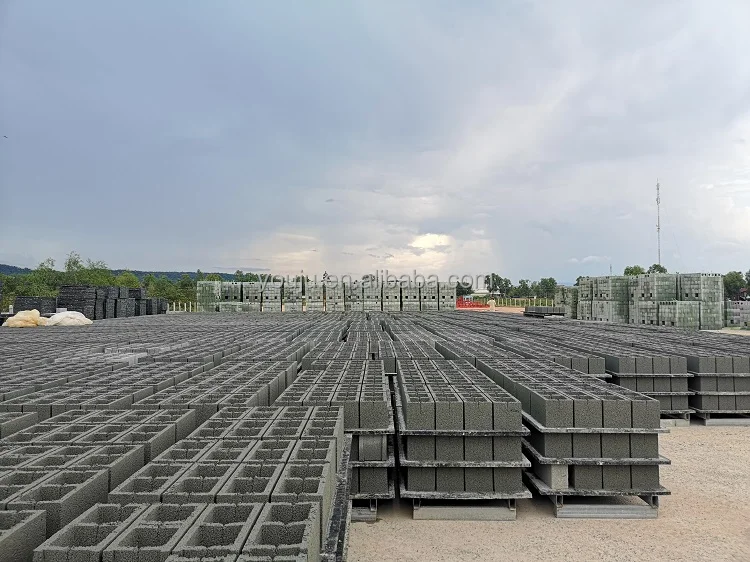
Heat-treated moulds hold their tolerance longer when switching between hollow block and paver production, reducing the frequency of mould replacement. Mould change time is not stated in source documentation and should be confirmed before purchase, because a changeover taking most of a shift cancels the format flexibility the buyer paid for. Matching the pallet size to the buyer’s existing curing area and forklift capacity avoids bottlenecks downstream of the press.
The Cost of Unconfirmed Voltage and PLC Language
Machines shipped without confirmed voltage, frequency, and PLC display language routinely sit idle on arrival while transformers are sourced or control panels are rewired. Local electricians in export markets may not carry the components needed for an unexpected voltage configuration, adding days or weeks before commissioning can begin. [NEED_CITE: voltage and frequency standards by export market] This delay is entirely preventable when the electrical specification is locked before production, yet it remains one of the most common causes of post-arrival downtime reported by field service teams.
Why Buyers Choose This Supply Route
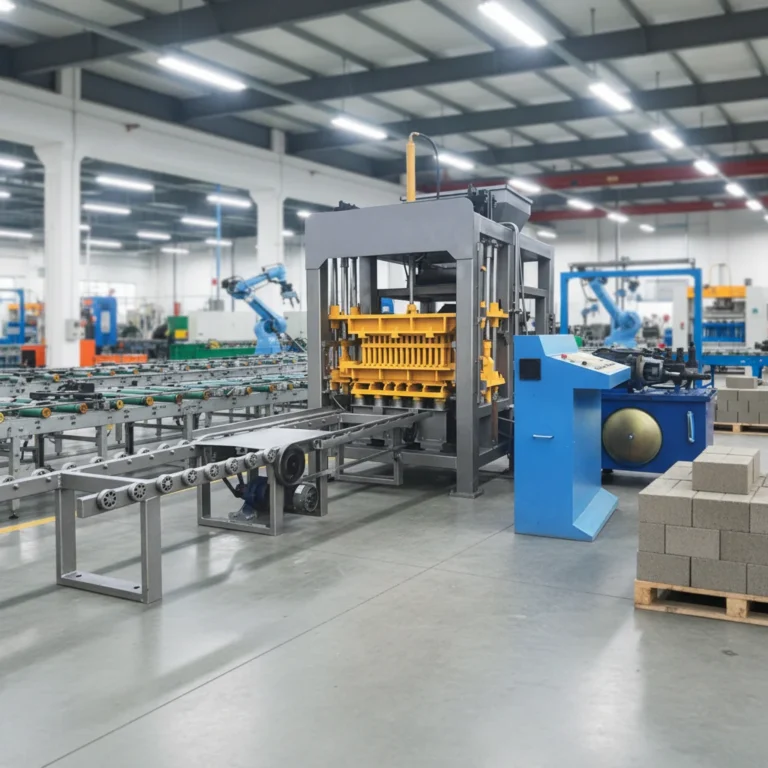
Block machinery is the single focus here, so the QT8-15 press, its moulds, pallets, and handling equipment are specified as one matched system. Configuration is set against the buyer’s actual mix design, local aggregate, and target block format rather than pulled from a catalogue default. Stocked models and standard moulds ship together, reducing the number of separate suppliers involved. Mould design covers the formats the buyer’s market actually sells, with custom drawings available. Installation support and operator training are included, so the machine is not left running on guesswork.
Documentation & Verification
- Line layout and capacity calculation stating the block format assumed for each output tier
- Machine specification sheet with hydraulic and electrical schematic
- Mould drawing and format list covering hollow block, solid brick, paver, and curbstone
- Pallet specification matched to curing area dimensions and forklift capacity
- Voltage and control language confirmation signed off before dispatch
- Factory test record on buyer-specified block format before shipment
Installation, Commissioning & Support
- Foundation plan based on QT8-15 press weight and vibration load transferred to the slab
- Dedicated power circuit sized to the machine’s rated power with confirmed voltage and frequency
- Dismantled frame and hydraulic station reassembled on site with alignment checked before first run
- PLC parameters and vibration force tuned to the buyer’s local aggregate and mix design during commissioning
- Operator training covering mould change procedure, daily lubrication points, and hydraulic fluid inspection
- Spare wear parts and hydraulic seals shipped with the machine to cover initial production months
Before You Request a Quote
Share the exact block dimensions you plan to produce daily, along with the target output per 8-hour shift. Confirm the voltage and frequency at your site, the PLC display language your operators need, and the pallet size compatible with your curing racks and forklift. If you have existing upstream mixers or downstream stacking equipment, list those so the line can be matched end to end.
Frequently Asked Questions
Q: Which QT8-15 configurations are currently in stock, and what is the dispatch lead time?
A: Standard QT8-15 units with hollow block and paver moulds are held in inventory. Dispatch lead time is confirmed at the point of order based on current stock levels and container availability, not estimated from a production schedule. Custom mould configurations require separate lead time confirmation.
Q: How is the machine dismantled and loaded into containers?
A: The QT8-15 frame, hydraulic station, and mould assembly are dismantled into container-compatible sections. A loading plan with container count is provided at quotation stage. Moulds, pallets, and spare part crates are packed to fill remaining space and protect hydraulic components during transit.
Q: What is the realistic arrival estimate from order to site delivery?
A: Stocked units ship within a confirmed window after payment clearance. Ocean transit time depends on the destination port. Total arrival estimate from order to site is provided upfront so buyers can align their construction schedule or plant launch date accordingly.
Q: Can standard moulds for common block formats ship together with the machine?
A: Yes. Hollow block, solid brick, paver, and curbstone moulds that are in stock ship in the same container as the QT8-15 press. Mould heat treatment is completed before dispatch. Custom mould drawings are reviewed and produced on a separate timeline if required.
Q: What voltage, frequency, and PLC display language options are confirmed before shipment?
A: Voltage and frequency are locked to the buyer’s site electrical supply before production or dispatch from stock. PLC display language is confirmed during the order process so operators can read the control interface on day one. These confirmations are documented in writing before the machine ships.