

Description
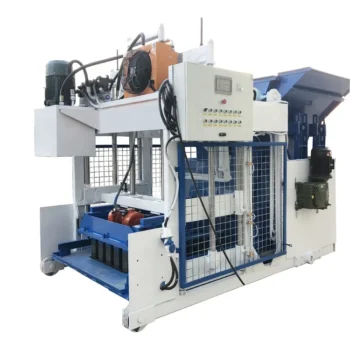
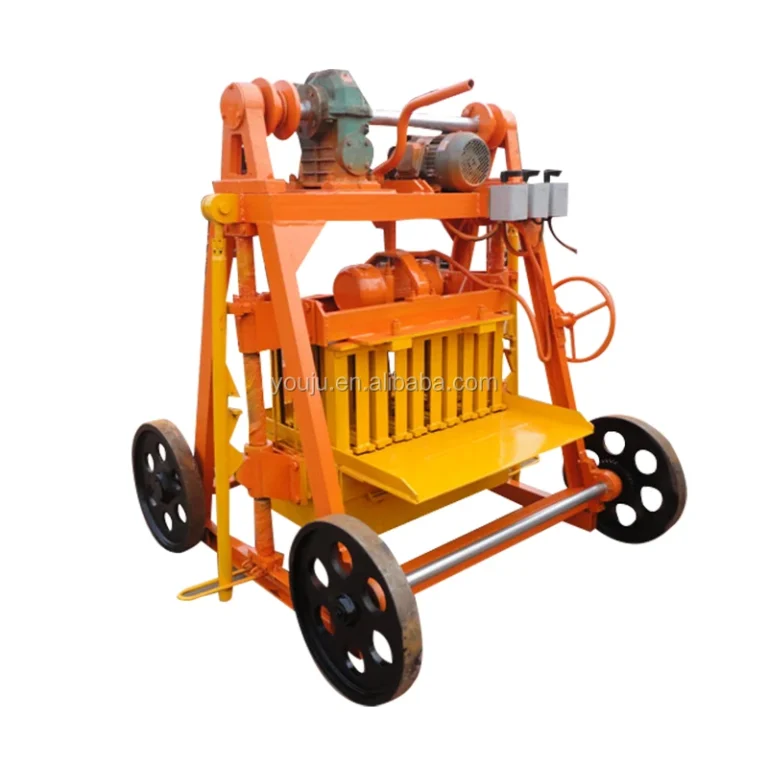
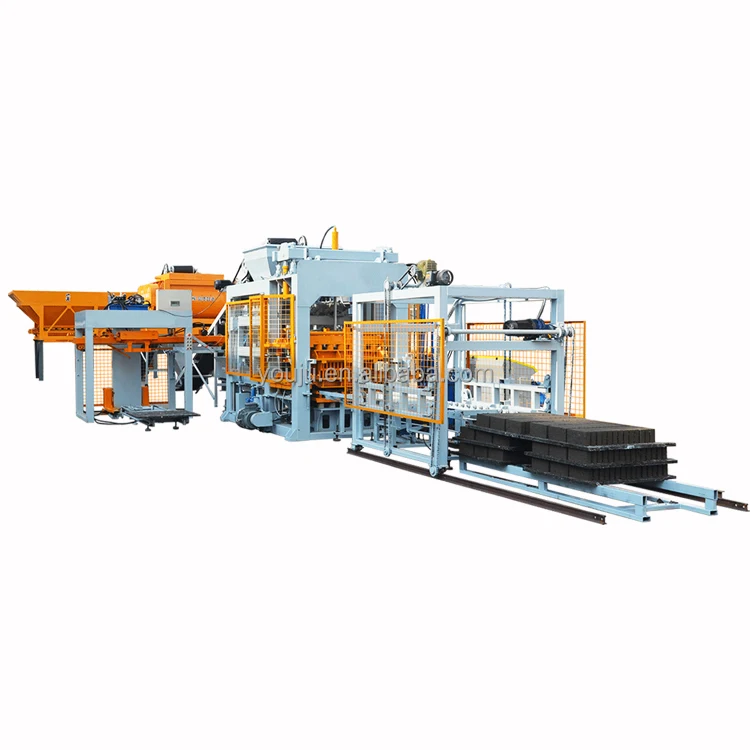
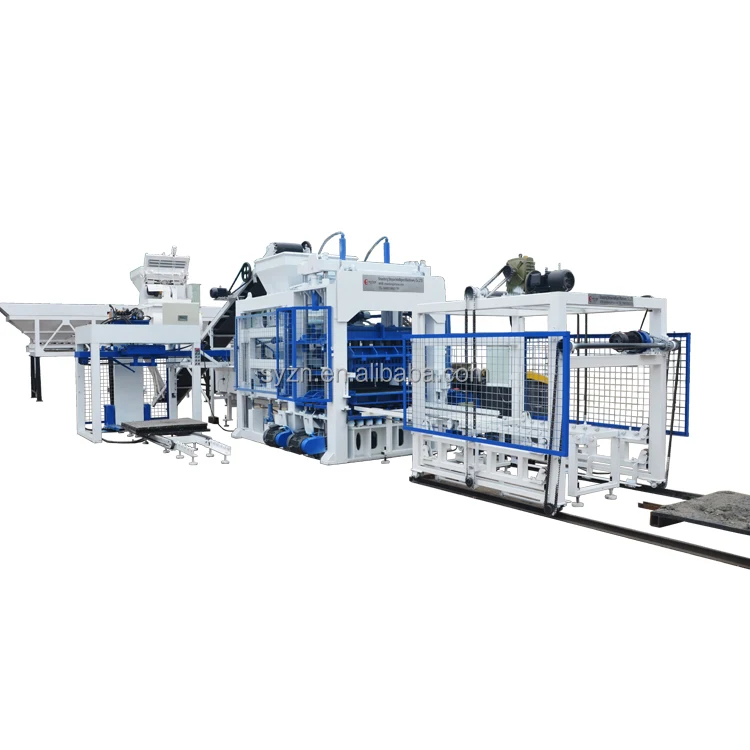
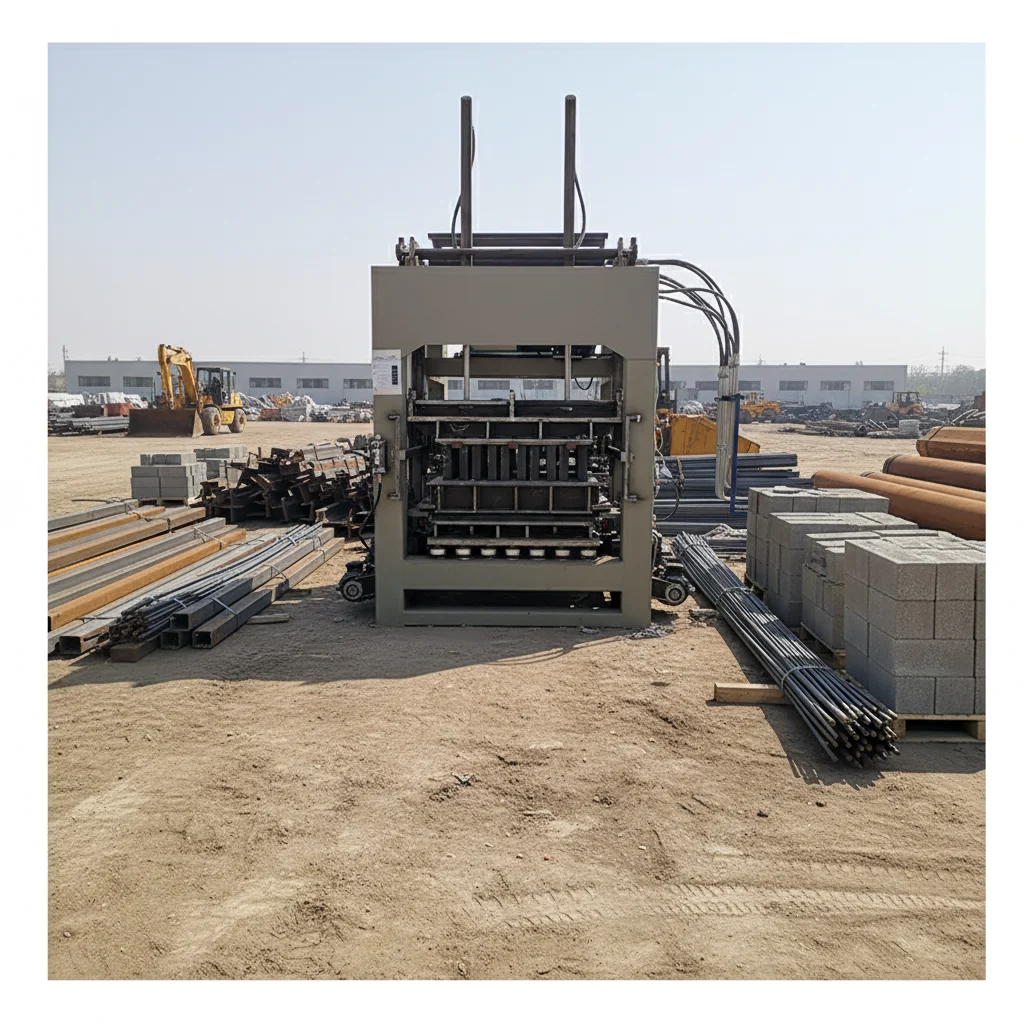
Stock-ready dispatch — we keep QT8-15 hydraulic block making machines pallet-matched and crated so container loading begins the day your order clears, not weeks later.
Technical Specifications
| Parameter | Value |
|---|---|
| Model | QT8-15 |
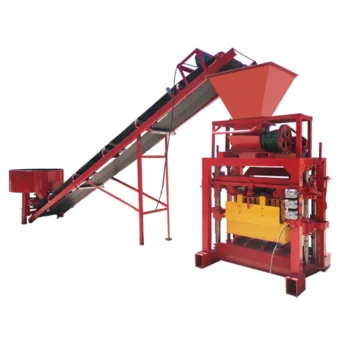
| Product Type | Hydraulic Block Making Machine |
| Overall Dimensions (L×W×H) | 8300×1860×3000 mm |
| Total Mass | 8 T |
| Rated Pressure | 21 MPa |
| Main Vibration Form | Platform Vibration |
| Vibration Frequency | 2800-4500 r/min |
| Vibration Force | 45 kN |
| Pallet Size | 950×900 mm |
| Molding Cycle | 15-20 s (basis to be confirmed by block format) |
| Overall Power | 55.5 kW |
| Demolding Method | Hydraulic |
| Factory Area Required | 300 m² |
| Raw Materials | Crushed stone, sand, cement, fly ash, gravel, slag |
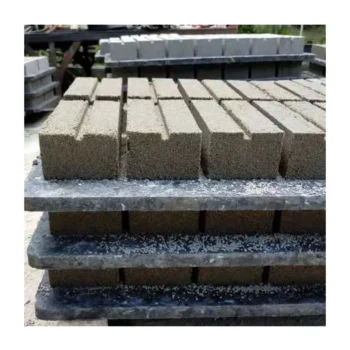
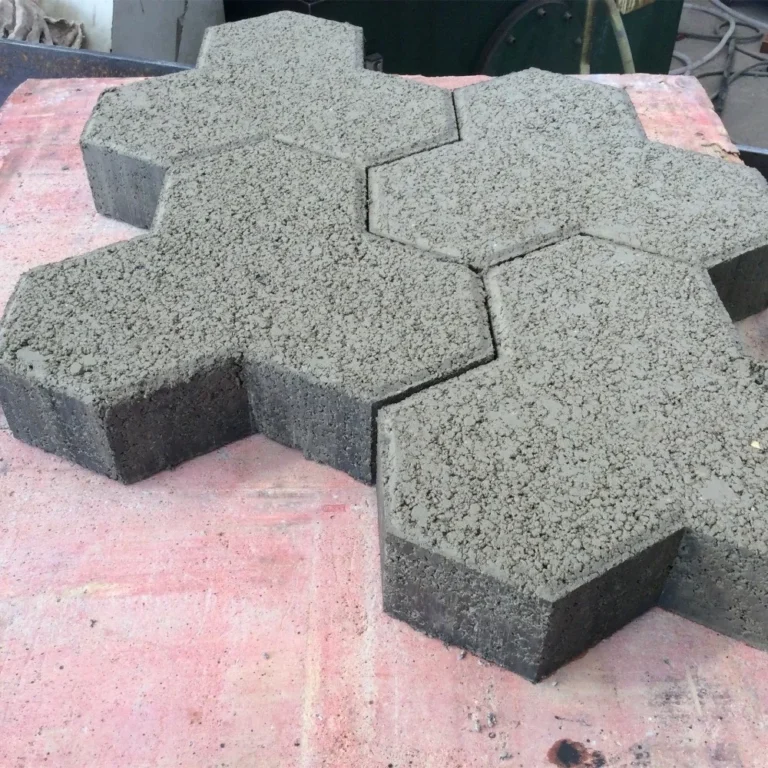
| Applied Products | Hollow blocks, solid blocks, pavers, interlocking blocks, kerbstones, colored pavers |
| Voltage & Frequency | Configurable (basis to be confirmed with buyer’s site supply) |
| Control System | PLC (brand and display language to be confirmed) |
| Output Capacity | Dependent on block format, mix design and material (basis to be confirmed) |
Application Suitability
| Application | Material or Output |
|---|---|
| Hollow block production for residential and commercial walls | Crushed stone, sand, cement, fly ash blends |
| Solid block manufacturing for load-bearing structures | Gravel, sand, cement with standard aggregate grading |
| Paving block and colored paver runs for roads and plazas | Fine sand, cement, pigment, slag |
| Interlocking brick production for retaining walls and landscaping | Crushed stone, sand, cement |
| Kerbstone forming for road edge and drainage channels | Coarse aggregate, sand, cement |
What "Ready to Ship" Actually Means on a QT8-15 Block Machine
A stocked QT8-15 block machine in stock is only useful if the pallet size, voltage and control language are already matched to your site before it leaves the factory.
I have watched containers sit at port for days because the buyer assumed "ready to ship" meant everything was configured. The machine was built, yes, but wired for a voltage the site didn’t have, or the pallet size didn’t match the curing racks already welded in place. That gap between "built" and "buildable" is where project timelines collapse. When we confirm a QT8-15 block machine in stock for dispatch, the configuration check comes first — not after the crate is nailed shut [NEED_CITE: common commissioning delays caused by voltage and frequency mismatch at destination].
Dispatch Lead Time and What Controls It
The difference between a two-week and a six-week arrival often comes down to whether the specific QT8-15 configuration you need is already assembled and pallet-tested on the factory floor. Standard setups with common mould profiles and default pallet sizes move fastest. When your project requires a custom mould drawing or a non-standard pallet material, the machine itself may be ready but the tooling around it adds time. We quote the dispatch lead time and arrival estimate in writing at the order stage, broken down by what is already built and what still needs finishing.
Container Loading and On-Site Dismantling
An 8-tonne machine with an 8300 mm frame does not roll off a container as one piece. The QT8-15 is dismantled at defined break points — typically the hydraulic station, the vibration platform and the hopper assembly — and loaded into a 40HQ container with the pallets and moulds nested around it. I always send the buyer a loading diagram before crating, because the unloading sequence matters just as much. If your forklift cannot reach the container floor or your crane capacity is below the heaviest single section, the machine sits on the dock while you scramble for equipment [NEED_CITE: container unloading best practices for heavy industrial machinery].
Reading the Specs That Matter on the Ground
The 21 MPa rated pressure and 45 kN vibration force work together to compact the mix into the mould cavity. Higher pressure alone does not guarantee block strength — if the vibration frequency is not matched to the aggregate particle size in your local sand or crushed stone, the mix will not settle evenly and you get weak corners. The 950×900 mm pallet size defines what your curing area must accommodate. Before we ship, we confirm that your existing curing racks and forklift can handle this pallet dimension, because swapping pallets after arrival is not a simple adjustment. The 55.5 kW overall power draw requires a dedicated circuit with adequate capacity, and the voltage and frequency must be confirmed against your site supply before the wiring is finalized at the factory. The 15-20 s molding cycle is measured on the machine itself; actual daily output depends on the block format, mix consistency and how quickly pallets cycle through your curing area.
The Cost of Skipping Configuration Checks
When a machine ships without confirmed voltage or control language, the first day on site becomes a troubleshooting session instead of a production run. The PLC display shows text the operator cannot read, the motor hums at the wrong frequency, and the electrician spends hours tracing wires to figure out what was assumed at the factory. I have seen a three-day commissioning stretch into two weeks because nobody asked whether the local power grid ran 50 Hz or 60 Hz [NEED_CITE: industrial motor failures from frequency mismatch in export markets]. The machine is fine. The oversight is expensive.
Why Buyers Source This Machine Here
Block machinery is the single focus of the production line, so the QT8-15 press, its moulds, pallets and handling equipment are specified as one matched set rather than assembled from separate suppliers. Dispatch lead time and arrival estimates are quoted before commitment, not discovered after payment. Container loading plans account for the machine’s dismantling points and the buyer’s unloading equipment. Voltage, frequency and PLC display language are confirmed and documented before crating. The pallet size and mould format are verified against the buyer’s curing area and local market demand, so the machine produces what actually sells from the first shift.
Documentation & Verification
- Factory test record on your specified block format before dispatch
- Voltage and control language confirmation sheet signed before crating
- Container loading photograph set showing dismantling and securing
- Machine specification sheet with pallet size and mould drawing included
- Packing list matched to container load plan for customs clearance
- Operation and maintenance manual in confirmed display language
Installation, Commissioning & Support
- 300 m² factory area required with level concrete foundation for 8-tonne machine mass
- Dedicated power circuit sized for 55.5 kW total draw at confirmed voltage and frequency
- Machine arrives dismantled; reassembly sequence follows the provided loading diagram
- PLC control language and display verified on first power-up before production begins
- Mould change procedure trained on site using the included format set
- Pallet handling workflow confirmed against your existing curing racks and forklift capacity
Before You Request a Quote
To give you an honest arrival estimate, we need your target block format and daily output requirement, the raw materials you can source locally, and the voltage and frequency at your site. Tell us your curing area dimensions and what forklift you already have, so we can confirm the 950×900 mm pallet will fit your workflow. If you have a project deadline, share it upfront — it changes how we sequence the build and the container booking.
Frequently Asked Questions
Q: Which QT8-15 configurations are in stock and which are built-to-order?
A: Standard configurations with common hollow block and paving block moulds are typically assembled and pallet-ready on the factory floor. Custom mould profiles, non-standard pallet materials or specific PLC language requirements add lead time. We confirm exactly what is ready now and what needs building when you inquire with your block format list.
Q: What is the dispatch lead time and how is arrival estimated?
A: Dispatch lead time depends on whether your configuration is already built. Stocked units can enter container loading within days of order confirmation. Built-to-order setups add production time for mould tooling and configuration checks. We quote the arrival estimate in writing at order stage, accounting for sailing time to your destination port.
Q: How is the QT8-15 dismantled and loaded into a 40HQ container?
A: The machine is broken down at defined points — hydraulic station, vibration platform, hopper — and loaded with pallets and moulds nested around the main sections. A loading diagram is sent before crating so your team knows the unloading sequence and which section is heaviest for your forklift or crane.
Q: Are voltage, frequency and control language confirmed before shipment?
A: Yes. We confirm your site’s voltage and frequency before wiring the machine at the factory. The PLC display language is set and tested before crating. This prevents commissioning delays caused by electrical mismatch or an operator facing a control panel in an unfamiliar language.
Q: Which moulds and pallets ship with the base equipment?
A: The base quotation includes the mould profile you specify and a set of pallets matched to the 950×900 mm size. Additional mould formats and extra pallet sets are quoted separately. We confirm the mould drawing and pallet material against your block format and curing setup before production.