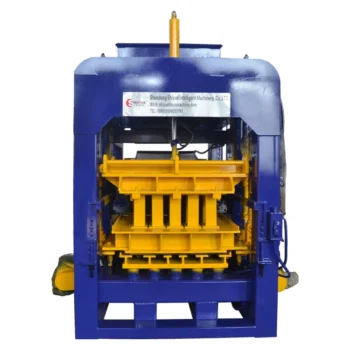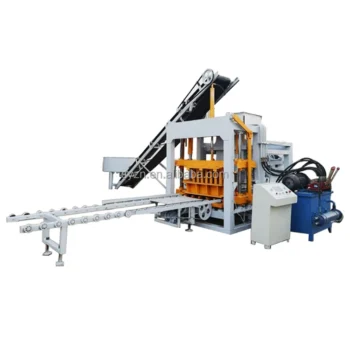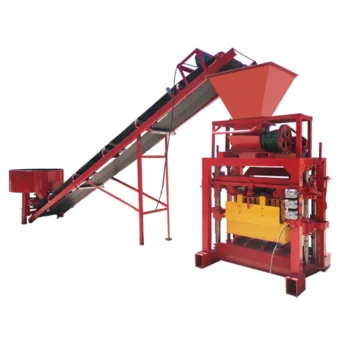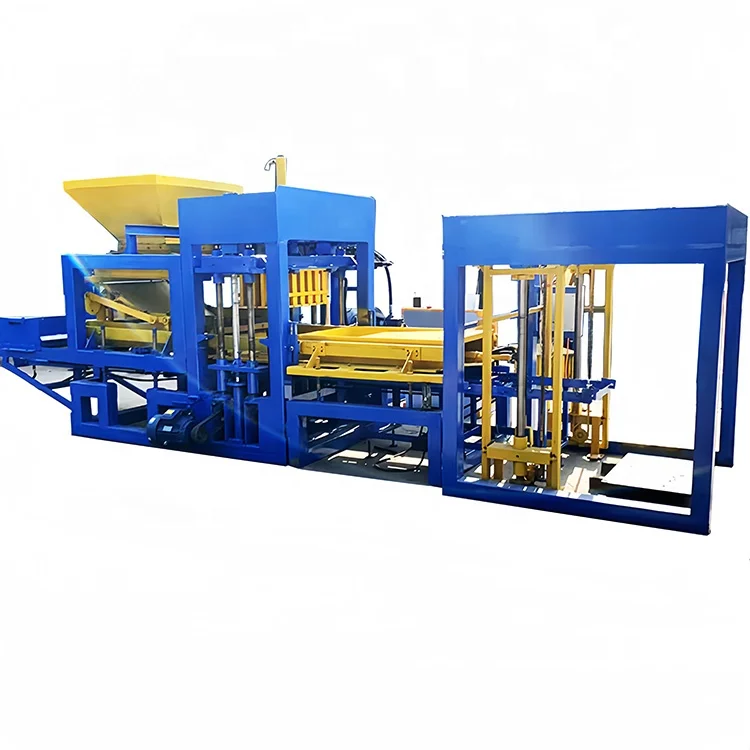


Description
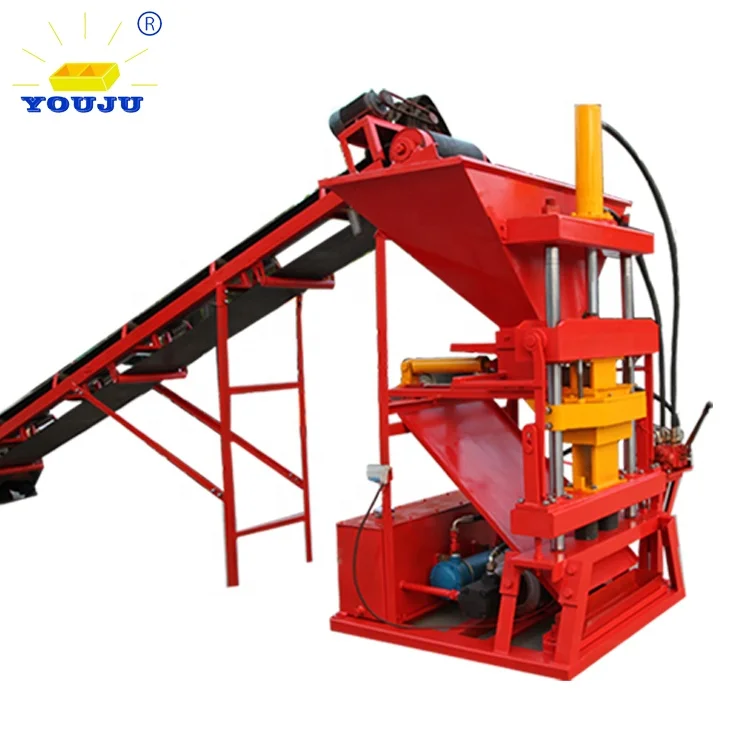
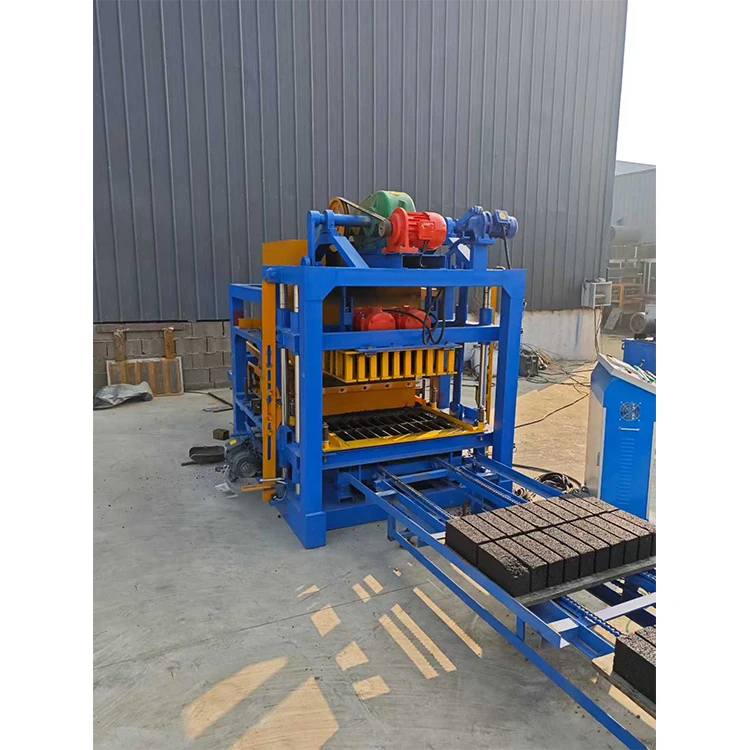
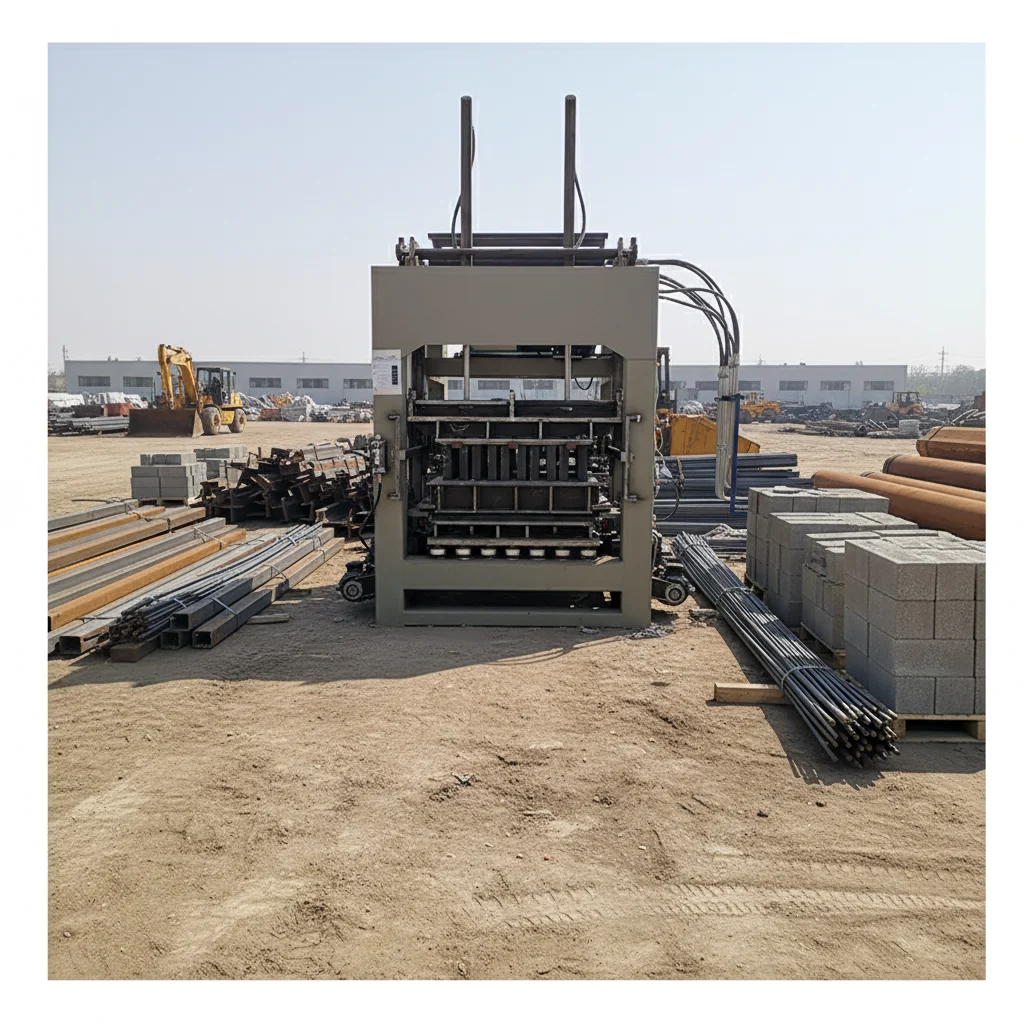
Stocked Block Machine Dispatch — standard QT8-15 units held in inventory with container loading plans confirmed before payment, so your project deadline is not compromised by production lead times.
Technical Specifications
| Parameter | Value |
|---|---|
| Model | QT8-15 |
| Product Type | Hydraulic Block Making Machine |
| Overall Dimensions (L×W×H) | 8300×1860×3000 mm |
| Rated Pressure | 21 MPa |
| Main Vibration Form | Platform Vibration |
| Vibration Frequency | 2800-4500 r/min |
| Vibration Force | 45 kN |
| Pallet Size | 950×900 mm |
| Molding Cycle | 15-20 s (basis not stated in source — confirm block format / material / thickness) |
| Overall Power | 55.5 kW |
| Total Mass | 8 T |
| Demolding Method | Hydraulic |
| Factory Area | 300 m² |
| Applied Products | Concrete blocks, hollow/solid blocks, pavers, interlocking blocks, curbstone, colored pavers |
| Raw Materials | Crushed stone, sand, cement, dust, fly ash, gravel, slag |
| Voltage & Frequency | To be confirmed per destination market |
| Control System | To be confirmed (PLC brand and display language) |
| Automation Level | To be confirmed |
| Stacking Method | To be confirmed |
Application Suitability
| Application | Material or Output |
|---|---|
| Hollow block production for residential wall construction | Crushed stone, sand, cement mix |
| Solid concrete block manufacturing for load-bearing structures | Gravel, cement, fly ash blend |
| Paving block and interlocking paver runs for roadways and plazas | Fine aggregate, cement, pigment |
| Kerbstone and curb production for municipal infrastructure | Coarse aggregate, cement, slag |
| On-site block production for remote construction projects | Locally sourced sand and gravel with cement |
Why the Dispatch Date Matters More Than the Cycle Time
A QT8-15 block machine in stock means your order ships after a final factory test, not after a production run that could slip your port arrival by weeks. Buyers working to a construction start date often discover that quoted cycle times assume ideal materials and perfect conditions, while the machine sitting in the yard ready to load is worth more than a theoretical output figure.
I have watched contractors lose an entire dry season waiting for a machine that was still being built when they placed the order. The QT8-15 block machine in stock model eliminates that gap between commitment and arrival. Container loading plans are confirmed at inquiry stage, so you know exactly how the press, pallets, and moulds fit before you release payment [NEED_CITE: container loading standards for heavy industrial machinery].
Dispatch Timeline From Inquiry to Port
Stocked QT8-15 configurations move through a defined sequence once the buyer confirms voltage and control language. Factory test records are generated on the specific block format the buyer intends to run, not a generic standard block. Machine dismantling for shipment follows a documented procedure so that reassembly at destination does not require guesswork. The entire window from order confirmation to container gate-in is measured in days rather than production weeks.
Container Loading and Dismantling for Shipment
The QT8-15 block machine in stock configuration breaks down into components that fit a standard 40HQ container, with the hydraulic station, vibration platform, and control cabinet secured separately. Pallets and standard moulds occupy the remaining volume, often eliminating the need for a second container on basic equipment orders. Packing photographs are taken before the container doors close, giving the buyer a visual record for insurance and customs purposes [NEED_CITE: international freight insurance documentation requirements].
What the Specification Sheet Actually Means on Site
The 21 MPa rated hydraulic pressure combined with 45 kN vibration force determines how densely the mix is compacted in the mould — this is the combination that produces blocks strong enough to pass local building codes without over-cementing the mix. The platform vibration at 2800-4500 r/min works the entire pallet area, which matters when you are running larger formats like 400×200 mm hollow blocks where corner density can be weak on poorly balanced machines. The 950×900 mm pallet size needs to match the curing racks and forklift dimensions already in place at the buyer’s yard; ordering a pallet size that your existing handling equipment cannot accommodate creates a bottleneck the press itself cannot solve. Total power draw of 55.5 kW means the site electrical supply must support continuous motor starting loads, a detail that gets confirmed during the voltage and frequency discussion before dispatch.
When Stock Availability Prevents Costly Compromises
Rushing to meet a project deadline often pushes buyers toward whatever machine is available rather than the one configured for their actual conditions. A block machine configured for clean river sand arrives at a site where only high-clay local aggregate is available, and output drops because the mix does not flow through the mould properly. Voltage mismatches discovered after the machine arrives can mean weeks of waiting for a replacement motor or transformer. These are problems that a stocked machine with pre-confirmed specifications avoids entirely [NEED_CITE: electrical equipment import compatibility standards].
Why Buyers Source This Machine Here
Block machinery is the single manufacturing focus, so the QT8-15 block machine in stock is not assembled from unrelated supplier components but specified as one matched system including moulds, pallets, and handling equipment. Standard moulds for hollow blocks and pavers are held in inventory alongside the machines, removing the mould production lead time from the critical path. Container loading plans are quoted at inquiry stage with dismantling photographs provided before shipment. Customs documentation support is included, which matters for buyers importing into markets with strict machinery clearance requirements. Arrival estimates are quoted upfront rather than left to freight forwarder guesswork after the order is placed.
Documentation & Verification
- Factory test record run on your specified block format before the machine leaves the workshop
- Machine specification sheet confirming all rated values and component brands actually installed
- Container loading plan with component placement and securing method detailed per shipment
- Voltage, frequency, and control language confirmation document signed before production release
- Packing photographs documenting machine condition at the point of container loading
- Customs documentation package prepared to match destination country import requirements
Installation, Commissioning & Support
- Foundation requirements based on the 8300×1860 mm footprint and 8 T operating mass confirmed before machine arrival
- Electrical supply verification for 55.5 kW total load including dedicated circuit specifications for the hydraulic station
- Reassembly guidance covering the dismantling sequence documented in packing photographs for accurate reconstruction
- First-run commissioning on the buyer’s actual raw material mix to confirm block density and cycle behavior
- Operator training focused on the confirmed control system language and hydraulic demolding procedure
- Wear parts list for the QT8-15 identifying hydraulic seals and vibration components with replacement intervals
What to Include in Your Inquiry
Send your target block format, the raw materials available locally with any lab test results you have, and your site electrical specifications including voltage and frequency. Note your existing curing area dimensions and forklift capacity so the pallet size can be confirmed as compatible. If you are working to a project start date, state that date so the dispatch timeline can be matched to your window.
Frequently Asked Questions
Q: Which QT8-15 configurations are currently in stock and what is the dispatch lead time?
A: Standard QT8-15 hydraulic block making machines are held in stock with typical dispatch occurring within days of voltage and control language confirmation. Lead time is driven by factory test completion on your specified block format and container booking availability rather than machine production. Dispatch windows are quoted at inquiry stage so you can align them with your project schedule.
Q: How is the machine dismantled and loaded into a 40HQ container?
A: The QT8-15 is broken into major assemblies — vibration platform, hydraulic station, control cabinet, and mould — each secured to prevent transit damage. Pallets and standard moulds fill remaining container volume. Packing photographs are taken at each stage of loading and shared with the buyer before the container is sealed for shipment.
Q: What is the estimated arrival time from order to destination port?
A: Arrival estimates depend on the destination port and current shipping schedules, and are quoted upfront at inquiry stage rather than after order placement. The stock availability of the QT8-15 removes machine production time from the equation, so the timeline reflects only factory test, container loading, and ocean transit duration.
Q: Are standard moulds for hollow blocks and pavers in stock, or do they require a production run?
A: Standard moulds for common hollow block and paver formats are typically held in stock alongside the machines. Custom mould formats designed to buyer drawings require a production run, and that lead time is stated separately in the quotation. Confirming your block format at inquiry stage determines which path applies to your order.
Q: What customs documentation is provided to support import clearance?
A: A documentation package is prepared for each shipment including the machine specification sheet, commercial invoice, packing list, and factory test record. Additional certificates and declarations are provided based on the destination country requirements, and this is confirmed during the inquiry stage so that clearance at your port proceeds without document-related delays.