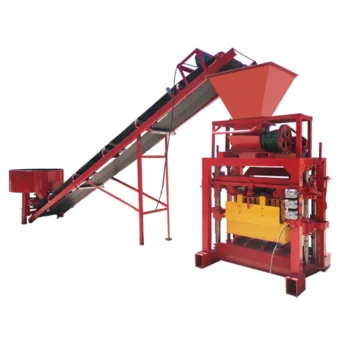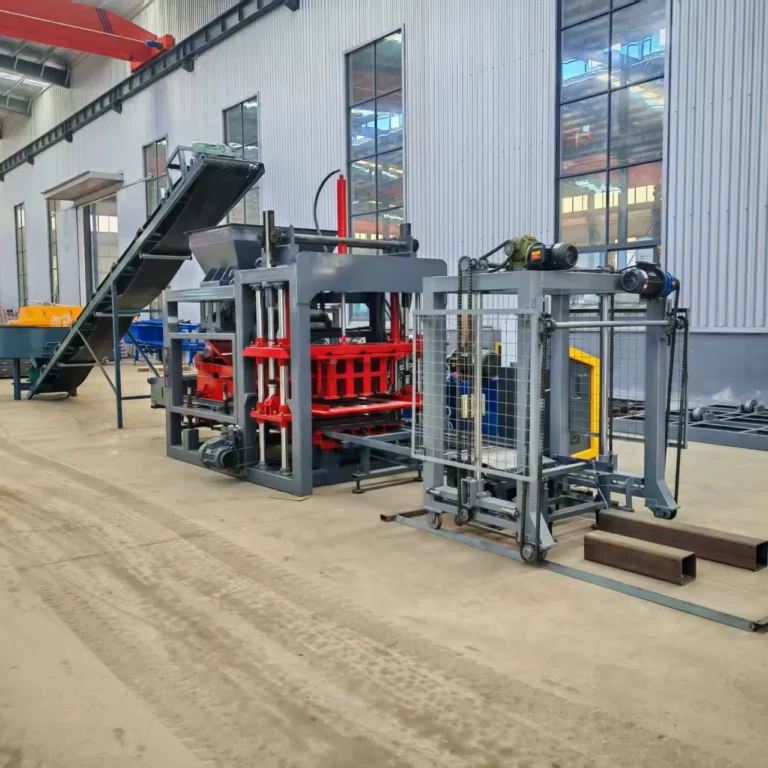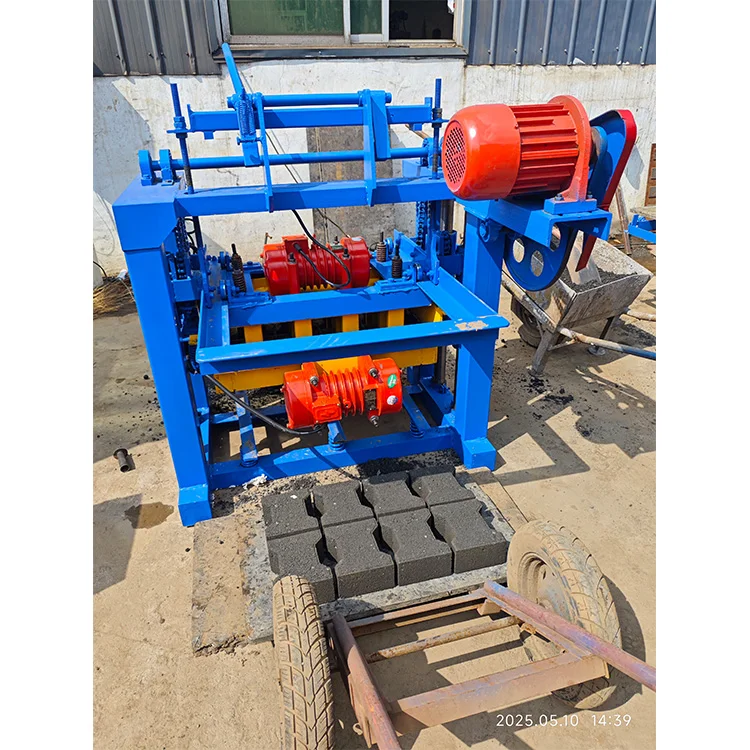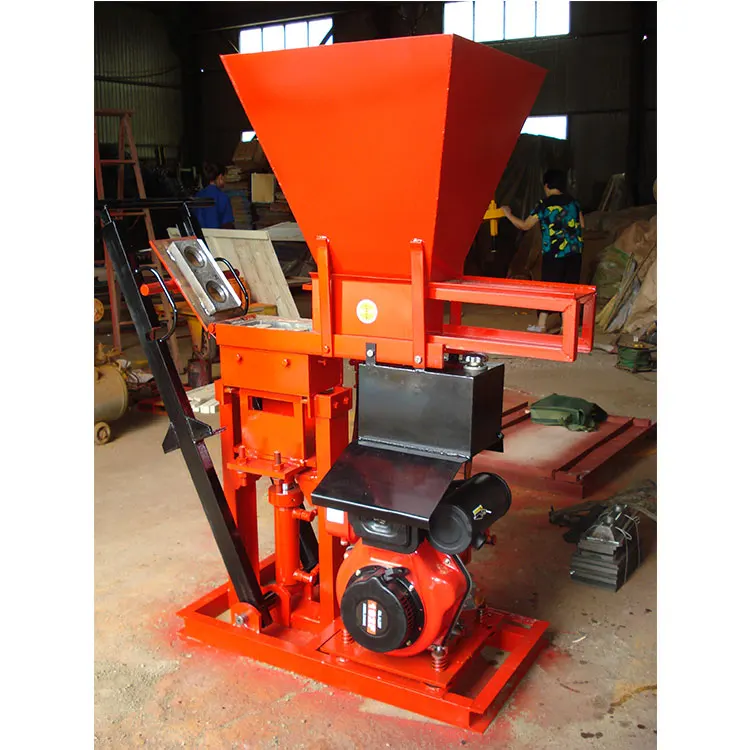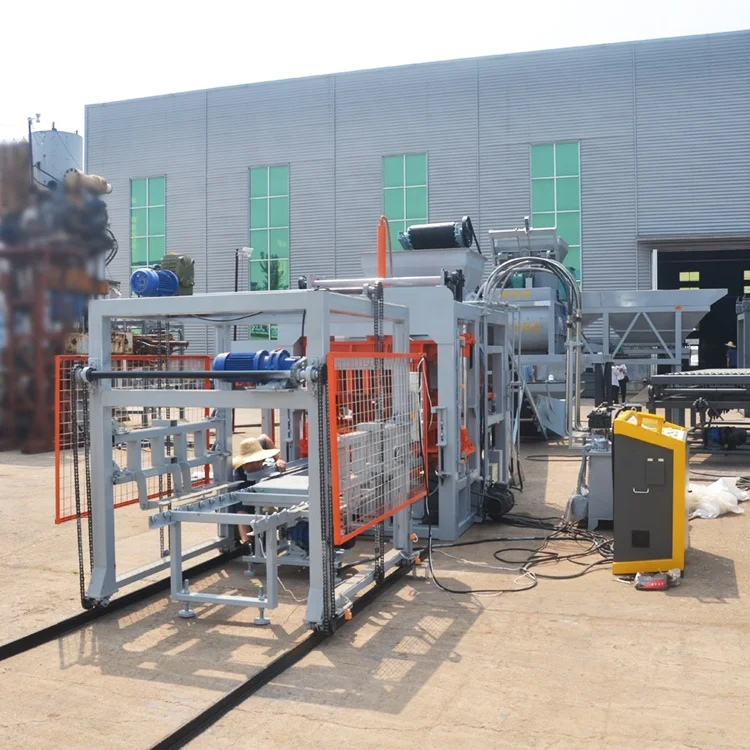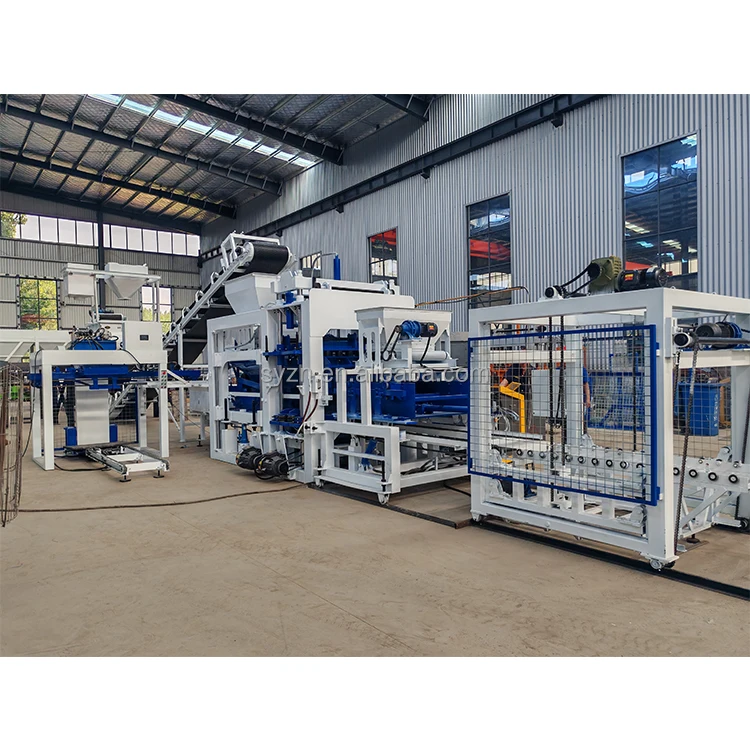
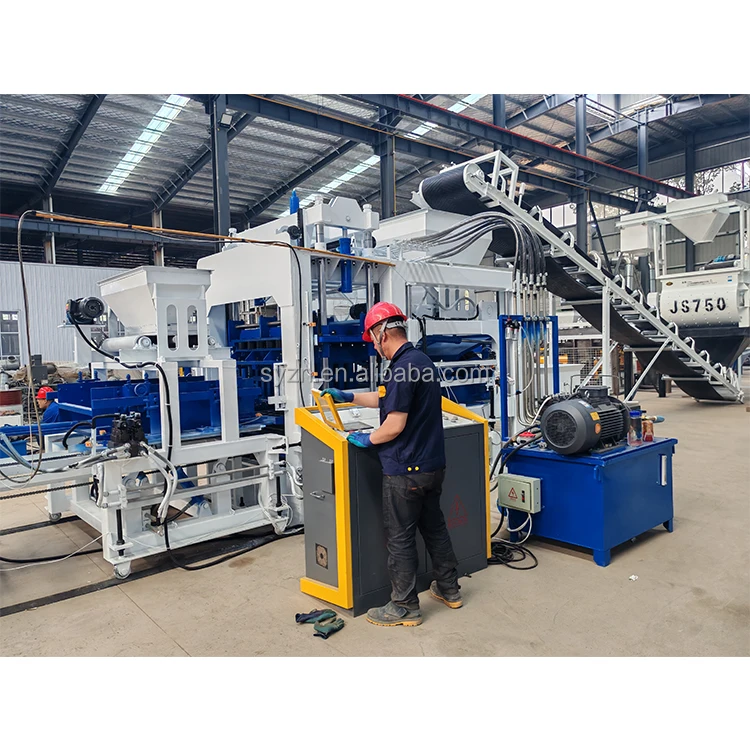
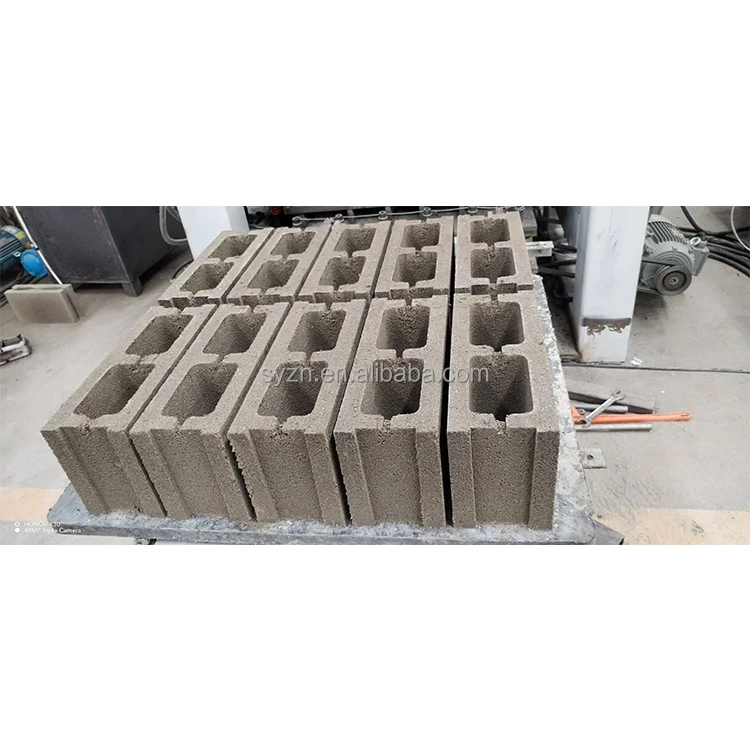
Description
Prompt dispatch readiness — the QT8-15 is specified against your actual block format and local mix before it leaves the factory, so what arrives on site matches what was quoted.
Technical Specifications
| Parameter | Value |
|---|---|
| Model | QT8-15 |
| Product Type | Hydraulic Block Making Machine |
| Overall Dimensions (L×W×H) | 8300 × 1860 × 3000 mm |
| Net Weight | 8 T |
| Rated Power | 55.5 kW |
| Hydraulic Pressure | 21 MPa |
| Vibration Form | Platform Vibration |
| Vibration Frequency | 2800–4500 r/min |
| Vibration Force | 45 KN |
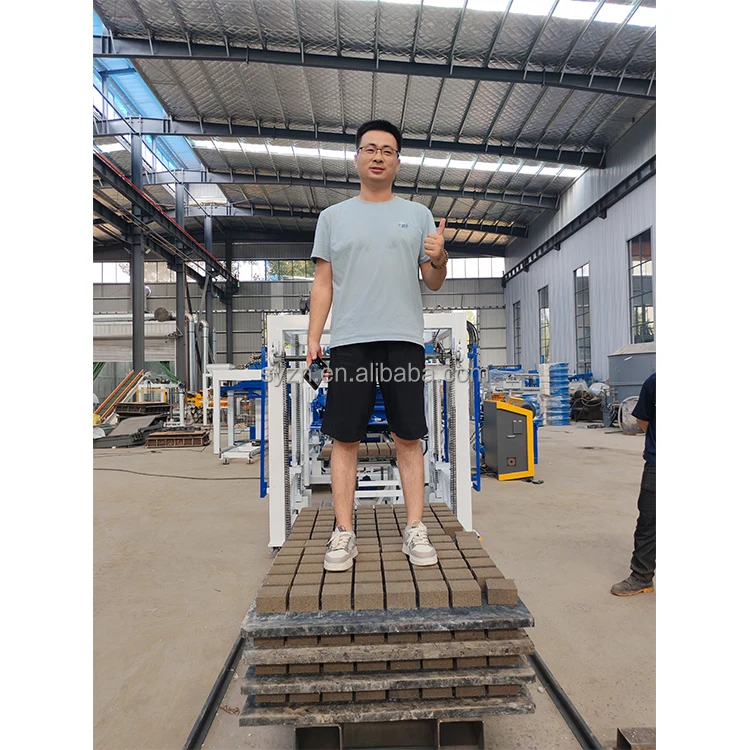
| Pallet Size | 950 × 900 mm |
| Molding Cycle | 15–20 s |
| Demolding Method | Hydraulic |
| Recommended Factory Area | 300 m² |
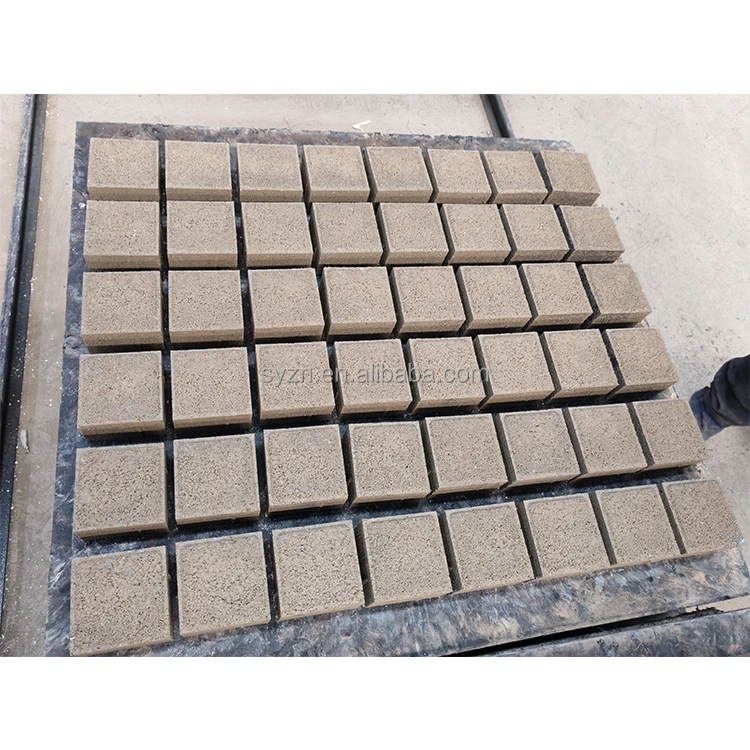
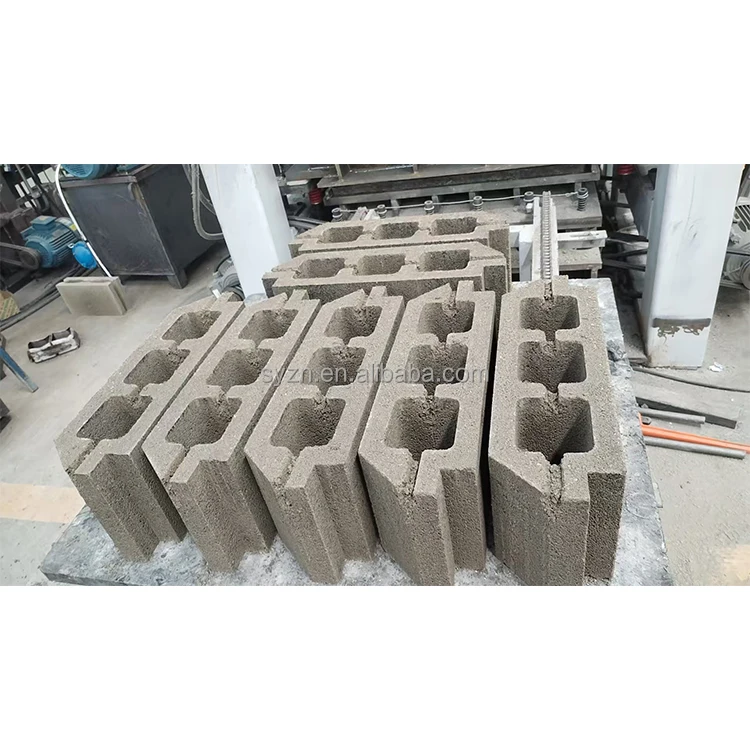
| Applied Products | Concrete hollow/solid blocks, pavers, interlocking blocks, curbstone, colored pavers |
| Raw Materials | Crushed stone, sand, cement, fly ash, gravel, slag, dust |
| Output Capacity | (basis not stated in source — confirm block format and material) |
| Warranty | 1 year |
Application Suitability
| Application | Material or Output |
|---|---|
| Hollow block production for building walls | Crushed stone, sand, cement, fly ash blends |
| Solid block manufacturing for load-bearing structures | Gravel, sand, cement mixes |
| Interlocking brick for paving and landscaping | Colored concrete with fine aggregate |
| Curbstone and kerb production | Coarse aggregate with high cement content |
| Paver and colored paver runs | Fine sand, cement, pigment additives |
What "In Stock" Actually Means for the QT8-15 Block Machine in Stock
A stocked frame still needs your voltage, language, and pallet size confirmed before it ships.
When a supplier tells you a QT8-15 block machine in stock is ready to go, the main frame and hydraulic station may indeed be built and sitting on the factory floor. But the electrical cabinet, PLC display language, and mould set are almost always configured to order. I have watched containers leave Linyi with the right iron inside and the wrong voltage breaker, forcing the buyer to source a step-down transformer locally while the project clock kept ticking. [NEED_CITE: voltage and frequency standards by export market]
The real question is not whether the QT8-15 block machine in stock exists, but which parts of it are genuinely off-the-shelf and which still carry a production lead time.
Dispatch Lead Time and What Ships First
For buyers working to a project deadline, the distinction between a stocked host machine and a fully configured line is the difference between a two-week and a six-week gap. The QT8-15 main frame, hydraulic manifold, and vibration platform are the components most commonly held in inventory. Moulds for standard hollow blocks often ship from stock as well, but interlocking or curbstone moulds typically require a separate machining cycle. Confirming which mould formats are already on the rack is the first step in compressing your delivery window.
Container Loading and Dismantling for the QT8-15 Block Machine in Stock
At 8300 × 1860 × 3000 mm and 8 T net weight, the QT8-15 does not fit into a container as one assembled unit. The hydraulic station, pallet feeder, and mould assemblies are dismantled and secured to the main frame or packed in separate crates. A clear container loading plan — with photographs of each crate and its securing method — is what separates an arrival you can plan around from one where damaged hydraulics delay commissioning by weeks. [NEED_CITE: container loading standards for heavy industrial machinery]
Reading the Specs That Matter on Site
Hydraulic pressure at 21 MPa combined with 45 KN of vibration force is what determines block density and, ultimately, compressive strength. These two values must be matched to your specific mix design — a fly-ash-heavy blend behaves differently under vibration than a pure crushed-stone mix. The platform vibration form delivers force evenly across the 950 × 900 mm pallet, but only if the raw material moisture and gradation fall within a range the machine was set up for. The 15–20 second molding cycle is achievable on standard hollow blocks; denser formats like kerbstones or thick interlocking pavers will extend that cycle, and daily output must be recalculated per format. The 55.5 kW rated power demand means your site must have a dedicated circuit with adequate headroom — undersized supply lines cause the hydraulic pump to starve during peak draw, producing inconsistent block quality across a shift.
The Cost of Skipping Configuration Details
I have seen QT8-15 units arrive in Latin American ports with a 380V/50Hz electrical cabinet headed for a 440V/60Hz grid. The machine was physically fine, but commissioning stopped until the correct contactors and motor windings were sourced — a delay that ate into the project’s penalty-free window. [NEED_CITE: common commissioning delays due to voltage mismatch] Pallet size is another silent trap: ordering a 950 × 900 mm pallet machine without checking that your existing curing racks and forklift tines can handle that dimension means either buying new racks or running a pallet exchange you did not budget for. When mould change time is not confirmed before purchase, what was sold as a multi-format machine becomes a single-format machine in practice, because the crew avoids the downtime of swapping dies.
Why Source This QT8-15 Block Machine in Stock Through a Machinery-Focused Supplier
Block machinery as a single focus means the QT8-15 host press, its moulds, pallets, and handling stations are specified as one matched system rather than assembled from separate vendors. Configuration is set against your actual mix design and local aggregate, not a catalogue default, so the vibration frequency and hydraulic pressure are tuned before dispatch. Standard mould formats for the blocks your market actually buys are stocked and can ship with the machine, while custom mould drawings are accommodated within the same order. Automation level is selectable — start with semi-automatic pallet handling and upgrade to automatic stacking later without replacing the press. Dispatch lead time, container loading, and arrival estimates are confirmed at quotation stage, not discovered after the deposit is paid.
Documentation & Verification
- Factory test record on your specific block format and mix before dispatch
- Container loading photographs showing crate securing and pallet arrangement
- Voltage, frequency, and PLC display language confirmation sheet signed before production
- Hydraulic and electrical schematic matching the as-built cabinet
- Packing list cross-referenced against the spare parts and mould inventory
- Customs documentation package prepared for your destination port
Installation, Commissioning & Support
- Foundation pad sized to the 8300 × 1860 mm footprint with vibration isolation provisions
- Dedicated 55.5 kW supply circuit with correct voltage and frequency verified before energizing
- Hydraulic station reconnected and 21 MPa pressure verified against the test certificate on site
- Pallet feeder aligned to the 950 × 900 mm pallet and existing curing rack system
- Operator training covering mould change procedure, cycle adjustment, and daily maintenance points
- Spare wear parts and hydraulic seals list included in the container for first-year operation
Before You Request a Quote
To move from inquiry to a firm dispatch date, we need your target block format and dimensions, the daily output you are committing to, and the raw materials available locally — including aggregate type and cement grade. Confirm your site voltage, frequency, and preferred PLC display language so the electrical cabinet is built right the first time. If you have existing curing racks, forklifts, or upstream mixers, share their specifications so the QT8-15 line is configured around them rather than against them.
Frequently Asked Questions
Q: Which QT8-15 configurations are currently in stock versus built to order?
A: The main frame, hydraulic station, and vibration platform are typically held in stock. Standard hollow block moulds also ship from inventory in most cases. Electrical cabinets configured for specific voltage and frequency combinations, custom mould formats, and automatic stacking systems are built to order with a defined production lead time quoted at the proposal stage.
Q: What is the dispatch lead time and how is the machine packed for container shipment?
A: Stocked configurations can be dispatched once voltage, language, and mould selections are confirmed — typically within a short window. The QT8-15 is dismantled into the main frame, hydraulic station, and mould assemblies, each secured with steel bracing inside the container. Packing photographs are shared with the buyer before the container is sealed.
Q: How is the arrival estimate calculated for my destination port?
A: The estimate combines the confirmed dispatch date with the standard sea freight transit time to your port, plus a buffer for customs clearance. Shipping line schedules are checked at quotation stage so the arrival window is stated upfront rather than guessed.
Q: Are standard moulds for common block formats stocked and shipped with the machine?
A: Moulds for widely sold hollow and solid block formats are generally stocked and can ship in the same container as the press. Interlocking, curbstone, or custom-format moulds carry their own machining cycle, which is confirmed separately and added to the overall dispatch timeline.
Q: What voltage and frequency options ship from stock versus require production lead time?
A: Common industrial voltages in the 380–440V range at 50 or 60 Hz are the most frequently stocked configurations. Unusual voltages or specific PLC display languages require cabinet assembly to order. Confirming these details early prevents a situation where the machine arrives electrically incompatible with your site supply.