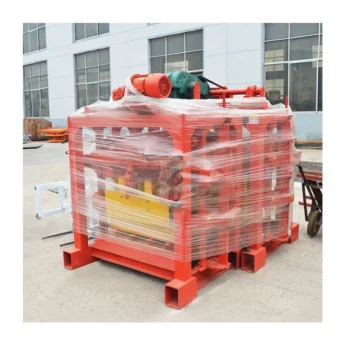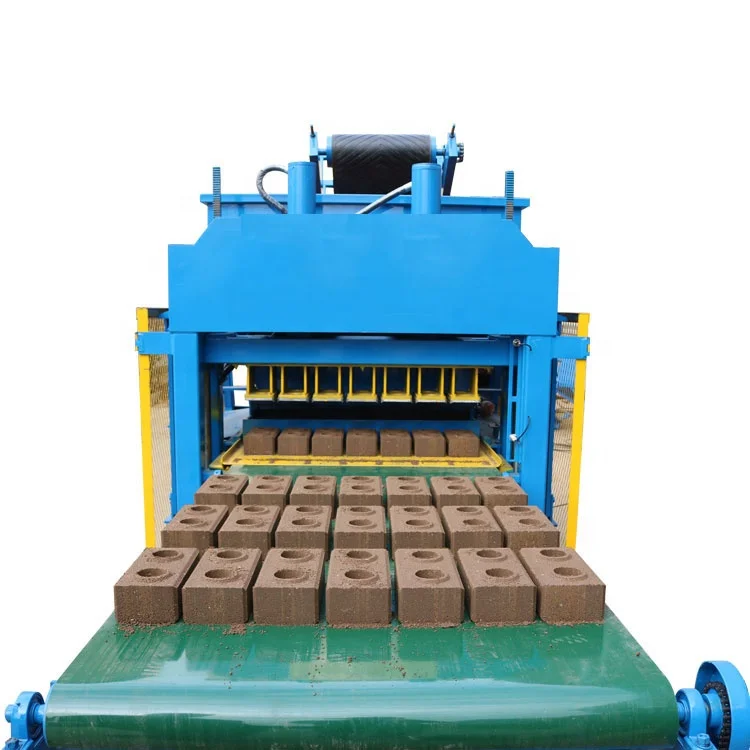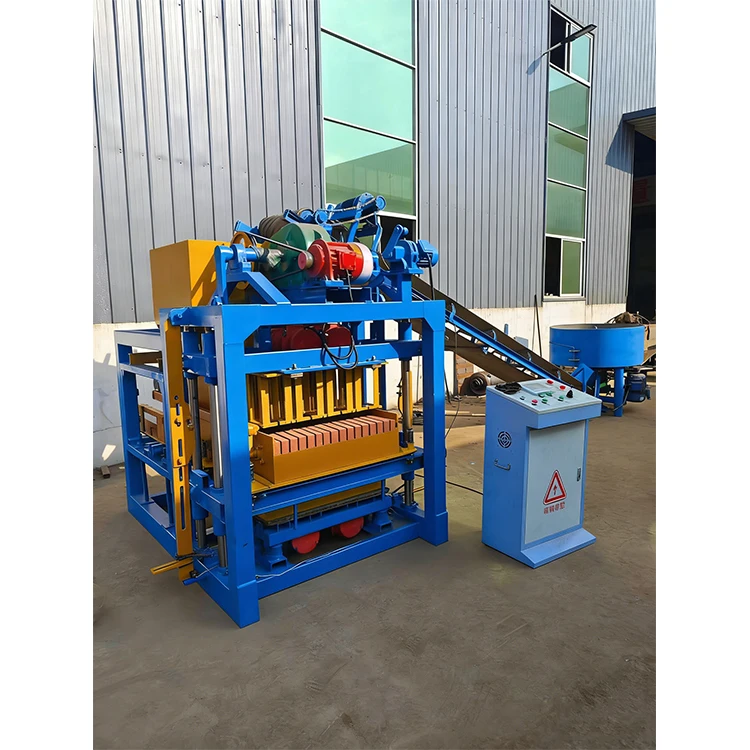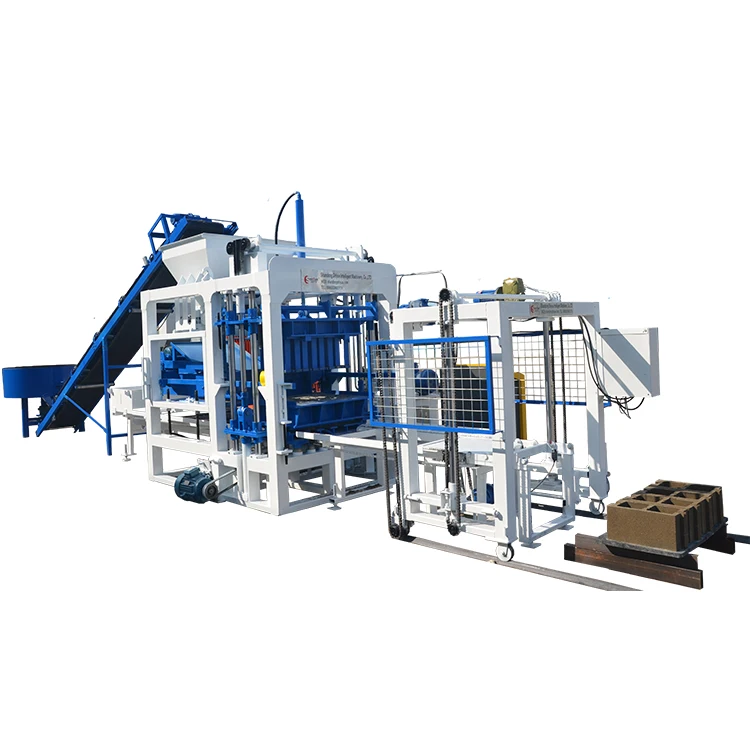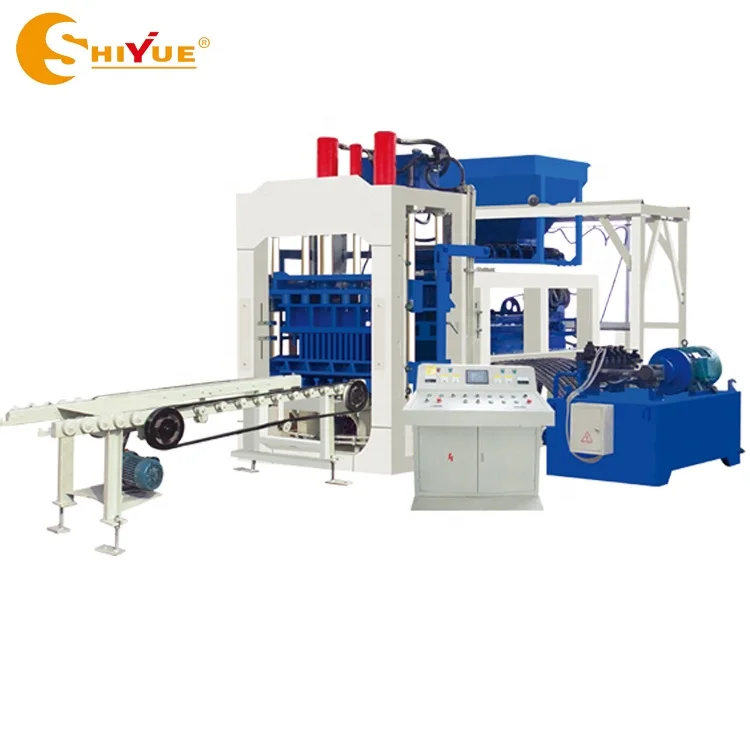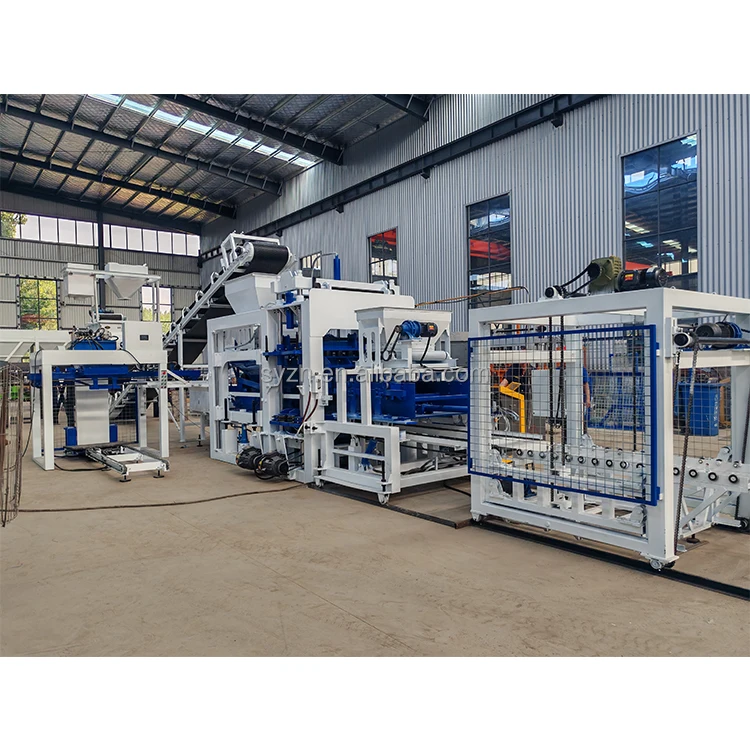
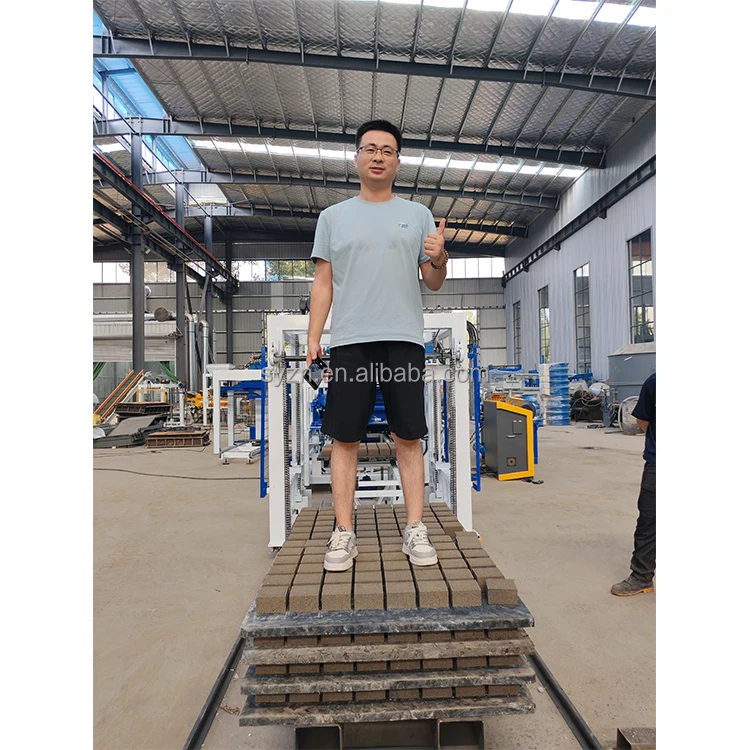
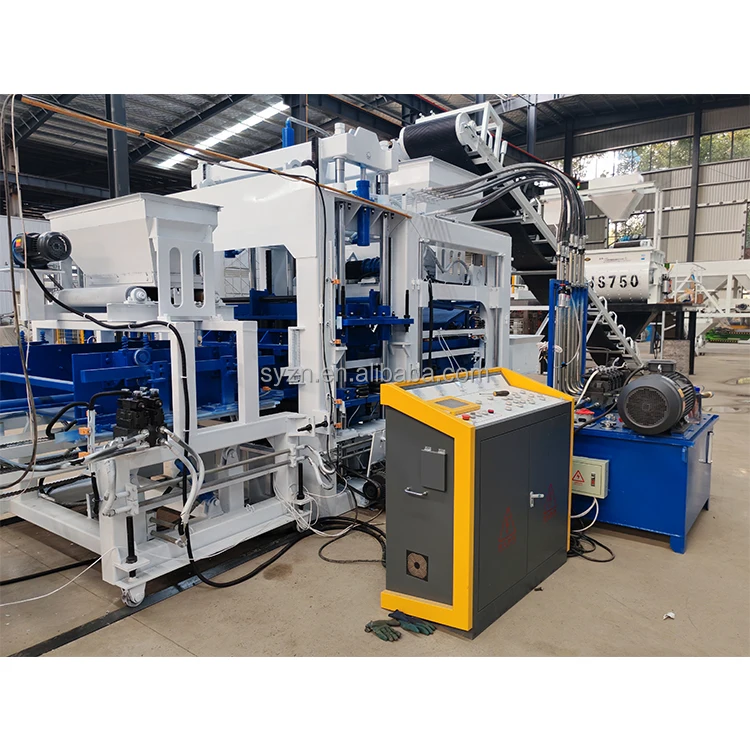
Description
Fast dispatch capability — QT8-15 Hydraulic Concrete Block Making Machine held in stock with standard moulds, container loading planned and arrival timing confirmed before you commit.
Technical Specifications
| Parameter | Value |
|---|---|
| Model | QT8-15 |
| Product Type | Hydraulic Concrete Block Making Machine |
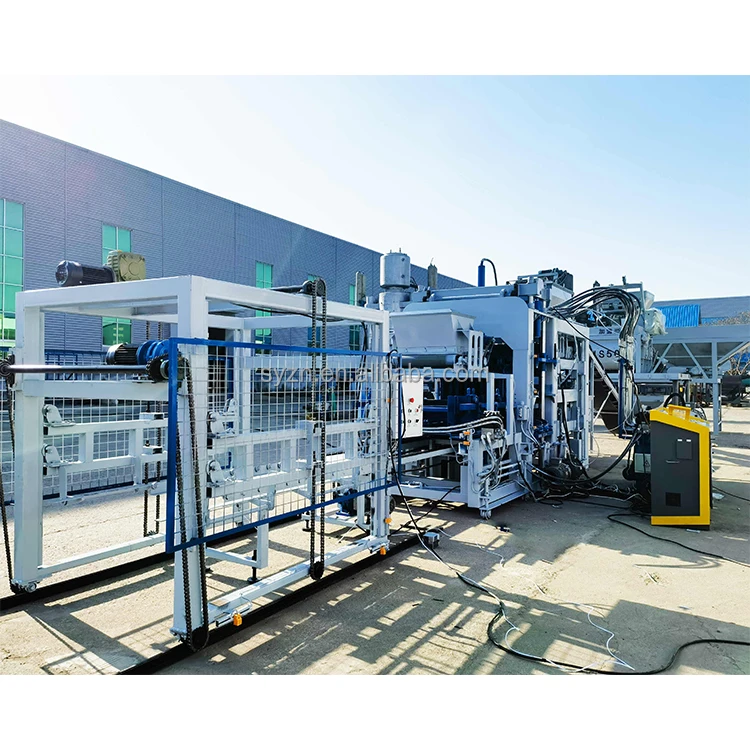
| Overall Dimensions (L×W×H) | 8300×1860×3000 mm |
| Rated Pressure | 21 MPa |
| Main Vibration Form | Platform Vibration |
| Vibration Frequency | 2800-4500 r/min |
| Vibration Force | 45 kN |
| Pallet Size | 950×900 mm |
| Molding Cycle | 15-20 s (basis not stated in source — confirm block format / material / thickness) |
| Overall Power | 55.5 kW |
| Total Mass | 8 T |
| Demolding Method | Hydraulic |
| Factory Area Required | 300 m² |
| Raw Material Compatibility | Crushed stone, sand, cement, dust, fly ash, gravel, slag |
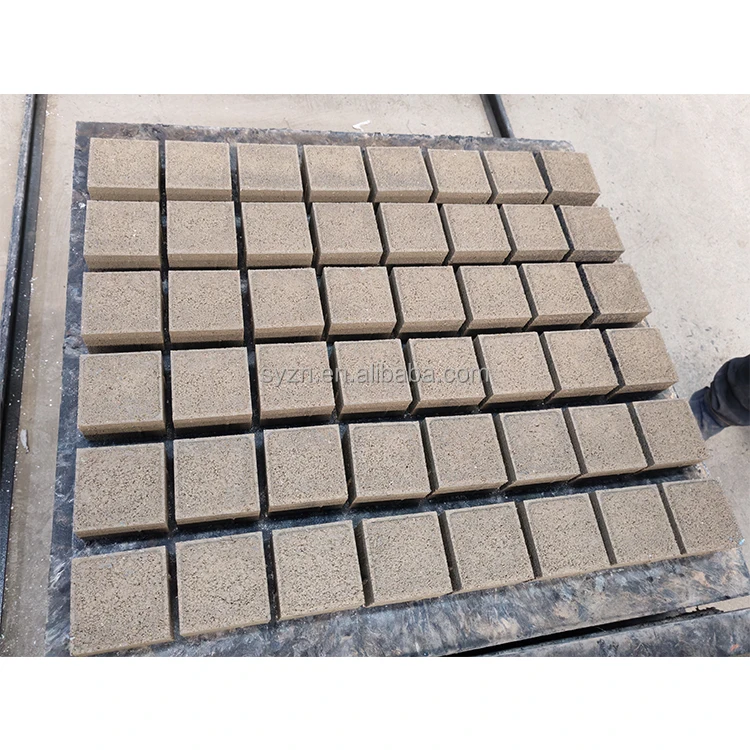
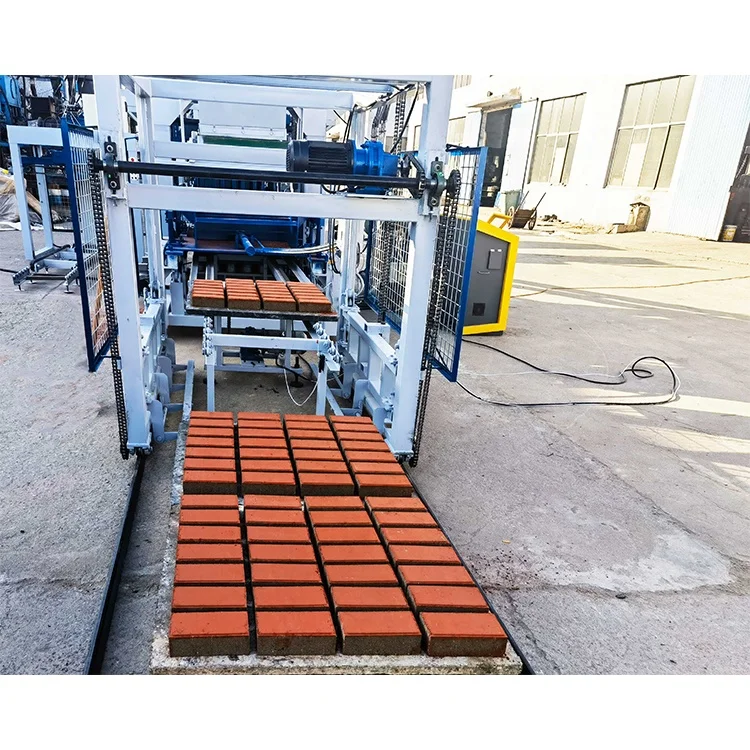
| Applied Products | Concrete blocks, hollow/solid blocks, pavers, interlocking blocks, curbstone, colored pavers |
| Warranty | 1 year |
Application Suitability
| Application | Material or Output |
|---|---|
| Housing project on-site production | Hollow and solid blocks from crushed stone and cement |
| Paver production for commercial landscaping | Interlocking pavers and colored pavers from sand and fly ash |
| Kerbstone manufacturing for road development | Heavy-duty curbstone from gravel and slag aggregates |
| First block plant startup | Standard hollow blocks using locally sourced sand and cement |
Why "Ready to Ship" Matters More Than the Brochure Cycle Time
A catalogue cycle time printed without the block format attached is a number that means very little once the machine is running on your site. We ship the QT8-15 block machine in stock with dispatch lead time, container loading plan, and arrival estimate agreed before the order is signed.
I have watched project contractors lose weeks because a machine was still on the production floor when the foundation was already poured and the crew was waiting. The gap between "manufactured" and "arrived at port" is where schedules break. When a buyer needs a QT8-15 block machine in stock against a fixed construction start date, the conversation has to begin with what is physically available and how fast it can be dismantled, loaded, and sailed — not with a theoretical output figure [NEED_CITE: typical ocean freight transit timelines by destination region].
Stock Availability and Dispatch Sequencing
The QT8-15 block machine in stock is held in a state that allows dismantling for container loading without a return to the assembly line. Standard moulds from the current inventory ship with the press, which means the first container carries the core production unit and the initial format tooling together. Buyers working against a project deadline receive a dispatch sequence that names the vessel booking window rather than a vague production completion date.
Container Loading and Arrival Timing Quoted Upfront
Before the order is confirmed, the loading plan specifies how the QT8-15 breaks down for a 40HQ container, which components are secured to which pallet, and what the total freight estimate looks like to the destination port. Arrival timing is stated at the order stage, giving the buyer a date to work backward from when scheduling foundation work, electrical connection, and raw material delivery. This removes the most common reason block plant startups slip past their target date [NEED_CITE: common causes of delayed commissioning in imported block machinery].
Pallet and Mould Inventory Shipped Together
The 950×900 mm pallets specified for this machine are included in the stock dispatch, along with the mould formats currently held in the warehouse. This avoids the situation where the press arrives but production cannot begin because pallets or moulds are on a separate, later shipment. The quotation lists exactly which mould formats are in stock and which would require an additional lead time, so the buyer can make an informed decision about starting formats versus waiting for a custom tooling run.
Understanding the Press Parameters in a Stock Configuration
The 21 MPa rated hydraulic pressure combined with 45 kN platform vibration force at 2800–4500 r/min defines the compaction energy available to the mix inside the mould. For standard hollow blocks using a typical crushed stone and cement blend, this pressure and vibration pairing produces consistent wall density across the pallet surface. The 15–20 second molding cycle is achievable on common formats, though the exact cycle depends on the block thickness and the specific aggregate gradation available locally — this is why a sample of the buyer’s raw material should be tested before final dispatch. The 55.5 kW overall power requirement determines the transformer and dedicated circuit specification the site must have in place before the machine arrives, and the 300 m² factory area figure guides the minimum building footprint for press operation, pallet circulation, and initial curing rack placement.
What Happens When Arrival Timing Is Left to Chance
When a machine order is placed without a confirmed dispatch date and vessel booking, the buyer is left building a project schedule around an assumption. Foundation contractors pour slabs that sit idle, block curing areas are constructed and then exposed to weather without production, and labour hired for the plant start date is reassigned or lost. I have seen development project contractors pay penalty clauses on housing builds because the block supply chain failed at the machinery delivery stage, not at the production stage [NEED_CITE: construction project delay penalties linked to equipment delivery]. The hidden cost is never the machine price — it is the idle site, the standing crew, and the missed milestone.
Why Buyers Source This Machine Through This Channel
The QT8-15 is treated as a matched system — press, mould, pallet, and handling equipment specified together so nothing arrives incompatible. Stock models ship with the pallet size and mould formats confirmed against the buyer’s stated target product, not a generic default. Voltage and control language are confirmed before dispatch, preventing the situation where a machine sits un-commissioned because the PLC display is in the wrong language or the motor winding does not match the local supply. Installation support and operator training are scheduled against the arrival estimate, so the technician is on site when the container is opened, not weeks later. Mould and hydraulic wear parts lists ship with the machine, ensuring the first replacement cycle does not become an unplanned downtime event.
Documentation & Verification
- Factory test record run on your specified block format before container loading
- Dispatch lead time and vessel booking reference confirmed at order placement
- Container loading plan with component securing detail for freight forwarder review
- Mould drawing and format list matching the stocked tooling included in quotation
- Voltage, frequency, and PLC language confirmation sheet signed before dispatch
Installation, Commissioning & Support
- 300 m² minimum factory area verified against your site plan before dispatch confirmation
- 55.5 kW total power requirement matched to local transformer and dedicated circuit specification
- Machine dismantling state documented so reassembly sequence is clear on container opening
- Platform vibration frequency range 2800–4500 r/min calibrated to your local aggregate sample during commissioning
- 950×900 mm pallet compatibility confirmed against your existing curing racks and forklift capacity
- Hydraulic and electrical schematic provided in the operator’s language for on-site maintenance reference
What We Need to Confirm Before Dispatch
Send a sample of the crushed stone, sand, or fly ash available at your project site so the vibration parameters can be verified against your actual mix before the machine leaves the factory. Confirm the local voltage and frequency, the PLC display language your operators require, and which block formats you need in the first production run. Provide the curing area dimensions and forklift specification so we can confirm pallet compatibility and advise on any handling adjustments before the container is sealed.
Frequently Asked Questions
Q: Is the QT8-15 currently in stock, or is it built to order?
A: The QT8-15 block machine in stock is available for dispatch from current inventory with standard moulds. Availability of specific stock units is confirmed at the time of inquiry, and the dispatch lead time is quoted based on what is physically on the floor rather than a production schedule.
Q: How is the machine dismantled and loaded into a 40HQ container?
A: The 8300×1860×3000 mm frame is broken down into secured pallets sized for 40HQ container dimensions. A loading plan showing component placement and securing method is provided before dispatch, so the buyer’s freight forwarder can verify weight distribution and lashing requirements in advance.
Q: What is the realistic dispatch and ocean transit timeline to my port?
A: Dispatch lead time for stock units is quoted at the order stage based on current container booking availability. Ocean transit duration depends on the destination port and shipping line schedule, and an arrival estimate is provided upfront so the buyer can plan foundation work and commissioning dates accordingly.
Q: Which mould formats are stocked and ship with the machine versus which require a lead time?
A: Standard hollow block, solid block, and paver moulds are typically held in stock and can ship with the QT8-15. Custom formats or non-standard dimensions require a tooling lead time that is quoted separately, allowing the buyer to decide whether to start with available formats or wait for custom production.
Q: What voltage and frequency configurations can ship from stock without delay?
A: Standard industrial voltage configurations for major export markets are held in stock. The specific voltage and frequency required at the destination site must be confirmed at order placement so the correct motor winding and control panel configuration is matched to the unit being dispatched, avoiding commissioning delays on arrival [NEED_CITE: voltage and frequency standards by export market].